



A genuine tiger's eye shows chatoyancy — a silky band of light that glides smoothly across the stone as you tilt it, looking three-dimensional rather than flat or painted-on. Fakes are usually dyed howlite, glass, or plastic; check for air bubbles (glass), unnatural bright colors (dyed), or a warm, light feel (plastic, versus the cool, weighty feel of real quartz). Real tiger's eye jewelry typically runs $20–$100+ depending on quality, setting, and metal. Its Mohs hardness of 6.5–7 makes it durable enough for daily rings and bracelets.
TL;DR:
• The chatoyancy test — a smooth, moving band of light — is the single best way to spot real tiger's eye
• There's no true lab-grown synthetic tiger's eye; "fakes" are dyed howlite, glass, or plastic imitations
• Expect $20–$100+ for finished jewelry; Mohs hardness of 6.5–7 means it holds up well to daily wear
Tiger's eye is one of the most imitated crystals on the market — its warm golden color and low natural cost make it an easy target for dyed howlite and glass knockoffs. This guide walks through exactly how to tell real from fake, what quality actually means for this stone, what to expect to pay, and which jewelry types make the most sense for daily wear.
For the stone's full meaning and mineralogy background, see our Tiger's Eye Meaning guide.
In This Guide
- Real vs. Fake: The Chatoyancy Test
- Common Imitations and How to Spot Them
- What Determines Quality
- Gold, Red, and Blue Tiger's Eye Compared
- What Tiger's Eye Actually Costs
- Durability and Daily Wear
- Best Jewelry Types for Tiger's Eye
- Cleaning and Care
- Buying Tips: What to Look For Online
- Frequently Asked Questions
- Final Thoughts
Real vs. Fake: The Chatoyancy Test
Chatoyancy — the "cat's eye" effect — is what makes tiger's eye tiger's eye. It's caused by parallel fibrous mineral inclusions inside the quartz that reflect light in a single, moving band as the stone tilts. This effect is genuinely difficult to fake convincingly, which makes it your best test.
How to test it: Hold the stone under a single light source and slowly rotate it. On a real stone, the band of light should:
- Move smoothly and continuously across the surface as you tilt it
- Look three-dimensional — like it's coming from inside the stone, not sitting on top of it
- Stay sharp and defined rather than blurry or diffuse
On a fake — usually dyed howlite, resin, or painted glass — the "band" often looks flat, static, or paint-like, and doesn't shift naturally as you move the stone.
Common Imitations and How to Spot Them
| Imitation | How to Spot It |
|---|---|
| Dyed howlite | Unnaturally bright or uneven color; a warm-water rub with a white cloth can reveal dye transfer |
| Glass | Look for tiny trapped air bubbles inside under bright light; glass also feels lighter and warmer to the touch than quartz |
| Plastic/resin | Feels noticeably lighter and warms quickly in your hand; real stone stays cool longer |
| Dyed tiger's eye | Genuine stone artificially color-enhanced — vivid, uniform color with none of the natural gold-to-brown gradient |
One important clarification worth knowing before you shop: there is no true lab-grown synthetic tiger's eye on the market. If a seller uses the word "synthetic," they likely mean an imitation material (glass or plastic), not a lab-created mineral — worth asking directly before buying.
What Determines Quality
Tiger's eye quality comes down to three factors, in order of importance:
- Chatoyancy sharpness — the tighter, brighter, and more fluid the light band, the higher the grade. Top-tier stones show a razor-sharp, almost liquid-looking band.
- Color depth and evenness — rich, even golden-brown color without dull or washed-out patches
- Cut quality — a well-oriented cabochon cut maximizes the chatoyancy effect; a poorly angled cut can mute it even in high-quality rough
A less common but genuinely premium variety worth knowing about is A-grade "hematite-scenic" tiger's eye, which shows unusually rich, almost mirror-like banding — most buying guides don't mention this grade distinction at all, so it's a useful thing to ask sellers about if you want top quality.

Gold, Red, and Blue Tiger's Eye Compared
All three color varieties come from the same base mineral — the color difference comes from the degree of iron oxidation during formation.
| Variety | Color | Relative Value |
|---|---|---|
| Gold/brown tiger's eye | Golden to brown | Most common, most affordable |
| Red tiger's eye | Deep red-brown | Sometimes heat-treated to enhance red tone — ask if natural or treated |
| Blue tiger's eye (hawk's eye) | Blue-gray | Rarer, often priced higher due to lower supply |
Blue tiger's eye, also called hawk's eye, is actually an earlier stage of the same oxidation process that eventually produces golden tiger's eye — it hasn't fully converted to the iron-oxide state yet. It's the same mineral family, just caught at a different point in formation.
What Tiger's Eye Actually Costs
| Item | Typical Price Range |
|---|---|
| Small tumbled stone | $1–$5 |
| Loose stone, per carat | $1–$50, depending on grade and color |
| Beaded bracelet | $10–$40 |
| Finished pendant or ring (silver/gold-plated setting) | $20–$100+ |
Price ranges vary widely across sources because grading isn't standardized the way it is for diamonds — treat any single listed number with some skepticism and use these ranges as a general sanity check instead.
Durability and Daily Wear
Tiger's eye sits at 6.5–7 on the Mohs hardness scale, putting it in the same durability range as quartz and amethyst. In practical terms, that means:
- Rings and bracelets — durable enough for regular wear, but avoid knocking against harder surfaces (countertops, gym equipment) since repeated impact can chip the polish over time
- Pendants and earrings — see less physical stress and are the lowest-risk jewelry types for daily wear
- General care — avoid ultrasonic cleaners and prolonged sun exposure, both of which can dull the color and sheen over months

Best Jewelry Types for Tiger's Eye
If you're deciding what to buy, match the jewelry type to how it'll actually be worn:
- Pendant necklace — the safest choice for daily wear since it takes the least physical impact; also keeps the stone near the solar plexus/heart area, which matters if you're drawn to its symbolic meaning
- Bracelet — popular and attractive, but expect more wear over time from daily knocks; fine for most people, just be aware
- Ring — durable at 6.5–7 hardness, but hands take the most physical impact of any body part — choose a protective setting if you're hard on your jewelry
- Earrings — very low physical risk, good option if you want tiger's eye but are rough on rings or bracelets
Cleaning and Care
- Cleaning: Mild soap, lukewarm water, and a soft cloth. Rinse and dry thoroughly.
- Avoid: Ultrasonic cleaners, harsh chemicals, and prolonged soaking — all can affect the polish or setting over time.
- Sunlight: Brief exposure is fine, but avoid leaving tiger's eye in direct sun for extended periods, which can gradually fade the color.
- Storage: Store separately from harder gemstones to avoid surface scratches during storage.
For sensitive skin, a hypoallergenic setting matters as much as the stone itself. See the American Academy of Dermatology's guidance on nickel allergy and metal sensitivity before choosing a setting metal.
Buying Tips: What to Look For Online
- Ask for a video, not just photos — chatoyancy only shows properly in motion; a seller unwilling to show the stone moving is a red flag
- Check for dye/treatment disclosure — reputable sellers state clearly whether a stone is natural, dyed, or heat-treated
- Read seller reviews specifically about color accuracy — tiger's eye photographs inconsistently depending on lighting, so buyer photos are more reliable than studio shots alone
- Compare weight expectations — if a listing's stated weight seems unusually light for its size, that's worth a direct question before buying
Shop This Guide
Our stone charm necklace in 18K gold-plated sterling silver pairs genuine tiger's eye energy with a hypoallergenic, daily-wear-ready setting.
Related reading: Bracelet with Birthstones: The Complete Buying Guide (2026).
Related reading: Can Tiger's Eye Go in Water?.
Frequently Asked Questions
How can you tell if tiger's eye is real?
Check the chatoyancy — the band of light should move smoothly and look three-dimensional as you tilt the stone under a single light source. Also check for air bubbles (a sign of glass), an unusually light or warm feel (a sign of plastic), or unnaturally bright, uneven color (a sign of dye). Real tiger's eye feels cool and substantial and shows a fluid, natural-looking light band.
Is synthetic tiger's eye a real thing?
No true lab-grown synthetic tiger's eye exists on the market. If a seller describes a stone as "synthetic," they most likely mean an imitation material like glass or plastic rather than a lab-created mineral. It's worth asking the seller directly to clarify what they mean.
How much does tiger's eye jewelry cost?
Small tumbled stones run $1–$5, loose stones price at roughly $1–$50 per carat depending on grade and color, beaded bracelets typically cost $10–$40, and finished pendants or rings in silver or gold-plated settings run $20–$100 or more. Pricing isn't standardized the way diamond grading is, so treat any single number as a general guide rather than a fixed rule.
Is tiger's eye durable enough for a ring worn every day?
Yes, generally. Tiger's eye rates 6.5–7 on the Mohs hardness scale, comparable to quartz and amethyst, which is durable enough for regular ring wear. The main risk is impact chipping from knocking against hard surfaces, not everyday scratching, so a protective setting is a good idea if you're hard on your jewelry.
What's the difference between gold, red, and blue tiger's eye?
All three come from the same mineral, with color determined by the degree of iron oxidation during formation. Gold/brown is the most common and affordable. Red is sometimes heat-treated to deepen the tone. Blue tiger's eye — also called hawk's eye — is rarer and represents an earlier stage in the same oxidation process, which is why it hasn't yet turned golden-brown.
Where does the best tiger's eye come from?
South Africa is widely regarded as the source of the richest color and strongest chatoyancy in commercial tiger's eye, and it remains the primary global supplier of high-quality material.
How do I clean tiger's eye jewelry?
Use mild soap, lukewarm water, and a soft cloth, then dry thoroughly. Avoid ultrasonic cleaners, harsh chemicals, prolonged soaking, and extended direct sunlight, all of which can dull the polish or fade the color over time.
Can tiger's eye be dyed or treated?
Yes. Genuine tiger's eye is sometimes artificially color-enhanced, particularly to deepen red tones. This is different from an outright imitation — it's still real stone, just treated. Reputable sellers should disclose this. Watch for unnaturally vivid, perfectly uniform color as a sign of dye treatment.
What jewelry type is best for everyday tiger's eye wear?
Pendants and earrings see the least physical impact and are the lowest-risk choices for daily wear. Bracelets and rings are still durable at 6.5–7 hardness but take more daily knocks, so expect slightly more wear over time and consider a protective setting if you're hard on your jewelry.
Written by the AJLuxe team — specialists in personalized sterling silver jewelry. Last updated: July 2026.
All third-party trademarks, brand names and product names are the property of their respective owners. AJLuxe is not affiliated with, endorsed by, sponsored by, or otherwise connected to any third-party brand referenced in this article. Brand names are used solely for accurate comparative reference, and material descriptions reflect each brand's own published product specifications at the time of writing.
You Might Also Like


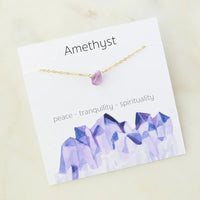
The piece they're describing → Stone Charm Necklace for Women — Raw Natural Gemstone Pendant
Personalize Yours


