


A smoky quartz buying guide should cover color depth, clarity, cut, and authenticity. High-quality smoky quartz shows even color saturation or a natural gradient from darker tip to lighter base, good transparency, and no visible cracks. Most natural smoky quartz is affordable, typically $5 to $50 per carat for jewelry-grade stones, though large statement pieces cost more.
TL;DR:
• Look for even color or a natural dark-to-light gradient — uniform, flat color can signal artificial treatment
• Smoky quartz is affordable: most jewelry-grade stones run $5–$50 per carat
• Check for natural inclusions and a slight gradient; completely flawless, uniform stones may be lab-irradiated
A smart smoky quartz buying guide starts with knowing what separates a quality stone from a mediocre one — and the good news is that smoky quartz is one of the most forgiving, affordable crystals to shop for. Whether you're buying a raw specimen for your collection or a finished pendant for everyday wear, a few key checks will help you avoid overpaying or ending up with a treated stone you didn't expect.
In This Guide
- What to Look For
- Color and Clarity Grading
- Natural vs. Treated Smoky Quartz
- Price Guide
- Quality Grade Comparison Table
- Choosing Smoky Quartz Jewelry
- Care and Durability
- Where to Buy
- Frequently Asked Questions
- Final Thoughts
What to Look For
Four factors determine smoky quartz quality: color, clarity, cut, and authenticity. Unlike precious gemstones where cut precision drives most of the value, smoky quartz value comes primarily from color depth and clarity, since it's an abundant and affordable mineral by nature. That means even budget-conscious buyers can get a genuinely beautiful stone without a large investment.
Color is the single biggest factor in smoky quartz quality. The most desirable stones show rich, even brown-to-black saturation, or — in well-formed natural crystal points — a gradual gradient from a darker tip to a lighter base, which is a strong natural authenticity signal. Clarity matters too: while smoky quartz isn't expected to be flawless, excessive cracks, cloudiness, or visible fractures reduce both its visual appeal and durability.
Authenticity is worth checking carefully, since lab-irradiated clear quartz is common in the market and not always disclosed by sellers. It's a legitimate, accepted practice in the gem trade, but if natural origin matters to you, learning to spot the difference (covered below) protects you from paying a natural-stone price for a treated one.
Color and Clarity Grading
Smoky quartz color ranges from a barely-there pale champagne brown to a dense, nearly opaque black. Mid-tone brown stones — rich enough to read clearly as "smoky" but still translucent enough to let light through — are generally the most popular and versatile for jewelry. Very pale stones can look washed out, while extremely dark, opaque stones lose some of the luminous quality that makes quartz attractive in the first place.
When evaluating clarity, hold the stone up to a light source. Quality smoky quartz should show good light transmission with only minor, naturally occurring inclusions — small mineral fibers or tiny fractures are normal and don't significantly detract from value unless they're large or numerous. Avoid stones with major visible cracks, as these are both a durability risk and a sign of lower overall quality.
Cut matters most for finished jewelry pieces rather than raw specimens. Faceted smoky quartz should have symmetrical facets that catch and reflect light evenly, without obviously flat or dull spots. For cabochon (smooth, rounded) cuts, look for a polished, even dome with no visible scratches or pitting on the surface.
Natural vs. Treated Smoky Quartz
Most smoky quartz on the market today falls into one of two categories: naturally irradiated stones that developed their color over millions of years in the earth, or lab-irradiated clear quartz that's been artificially treated to produce a similar smoky appearance. Both are real quartz — the difference is entirely in how the color formed, not the underlying mineral.
The clearest tell for natural smoky quartz is color zoning — a gradient or uneven distribution of color, often darker near the crystal's termination point (tip) and lighter toward its base. This pattern reflects how radiation exposure naturally varies across a crystal's growth. Lab-irradiated stones, by contrast, tend to show extremely uniform, flat color throughout, since the treatment process distributes evenly.
Completely opaque, perfectly uniform black stones are worth extra scrutiny — natural smoky quartz this dark is less common and more expensive, so a flawless, jet-black, uniformly colored stone at a bargain price is more likely to be a treated or even dyed imitation. Reputable sellers should disclose treatment status; if a listing doesn't mention it and the price seems unusually low for the size and depth of color, ask directly before buying.
Price Guide
Smoky quartz is one of the most affordable popular crystals available, which is part of its broad appeal. Raw, untumbled specimens typically cost a few dollars for small pieces and scale up based on size and crystal formation quality. Tumbled stones and small jewelry-grade pieces generally fall in the $5 to $50 per carat range, depending on color depth and clarity.
Large, well-formed natural crystal points or clusters — the kind collectors display rather than wear — can range from $30 to several hundred dollars depending on size, formation quality, and origin. Stones from notable localities like Brazil or Switzerland sometimes command a premium among collectors, though this is more about provenance than any meaningful quality difference for jewelry purposes.
For finished jewelry, the setting (sterling silver vs. gold plating vs. solid gold) typically drives more of the total price than the stone itself, given how affordable raw smoky quartz is. A well-made sterling silver smoky quartz pendant is a genuinely accessible entry point into fine crystal jewelry, without the price tag of stones like emerald or sapphire.
Quality Grade Comparison Table
| Grade | Characteristics | Typical Price Range |
|---|---|---|
| Commercial | Pale color, visible inclusions, often lab-treated | $2–$10 per carat |
| Good | Even mid-tone brown, minor inclusions, good translucency | $10–$25 per carat |
| Fine | Rich saturated color or natural gradient, excellent clarity | $25–$50 per carat |
| Collector-grade | Large natural crystal points, exceptional formation, rare locality | $50+ per piece |
Choosing Smoky Quartz Jewelry
For everyday wear, pendant necklaces are the most practical smoky quartz jewelry format. A bezel or prong setting in sterling silver protects the stone's edges from daily knocks while showing off its color and clarity. Because smoky quartz ranks 7 on the Mohs hardness scale, it holds up well in rings too, though stone-forward ring settings need a secure mount since the stone takes more impact in that position than a pendant does.
Metal choice affects both look and price. Sterling silver complements smoky quartz's cool brown-gray undertones and keeps the overall piece affordable. 18K gold plating over sterling silver — a popular combination — adds warmth that pairs beautifully with the stone's earthy color while staying budget-friendly compared to solid gold settings.
When shopping online, request close-up photos in natural light if they aren't already provided, and ask specifically whether the stone is natural or lab-irradiated. Reputable jewelers will answer this directly; vague or evasive answers about treatment status are a reasonable signal to look elsewhere.
Care and Durability
Smoky quartz's 7 Mohs hardness rating makes it durable enough for daily wear, resistant to scratching from most everyday surfaces. That said, it can still chip or crack from a hard direct impact, so it's worth removing smoky quartz jewelry before high-impact activities like sports or heavy manual work.
Clean smoky quartz with warm water, mild soap, and a soft brush for everyday maintenance. Avoid ultrasonic cleaners for stones with visible inclusions or fractures, since the vibrations can stress existing weak points. Store smoky quartz separately from harder gemstones like diamond or sapphire to prevent surface scratching during storage.
Prolonged direct sunlight should be avoided, as extended UV exposure can gradually fade smoky quartz's color over years of display. This isn't a concern for jewelry worn under normal conditions, but collectors displaying large specimens should keep them out of direct window light for long-term color preservation.
Where to Buy
Buy smoky quartz jewelry from sellers who disclose treatment status, provide clear close-up photography, and have verifiable reviews or reputation. For loose stones intended for collecting, gem and mineral shows offer the advantage of inspecting stones in person before buying — color, clarity, and inclusions are much easier to judge in hand than in a photo.
According to the Gemological Institute of America, quartz varieties including smoky quartz are widely available and well-documented, making it relatively easy to verify a seller's claims against established grading standards. For finished jewelry, look for sellers who specify the metal purity (925 sterling silver, 18K gold plating) alongside the stone details — vague listings on either front are a caution sign.
Frequently Asked Questions
How to choose smoky quartz?
Choose smoky quartz by checking color depth (rich, even brown-to-black or a natural dark-to-light gradient), clarity (good light transmission with minor natural inclusions), and authenticity (ask whether the stone is natural or lab-irradiated). For jewelry, also confirm the metal setting quality.

Is smoky quartz worth any money?
Smoky quartz is an affordable crystal, typically priced between $5 and $50 per carat for jewelry-grade stones. Large, well-formed natural crystal points can be worth more to collectors, but smoky quartz is generally accessible rather than a high-value investment stone.
What does high-quality smoky quartz look like?
High-quality smoky quartz shows rich, even color saturation or a natural gradient from darker tip to lighter base, good transparency with minor natural inclusions, and no major visible cracks or fractures. Uniform, flawless dark color can actually signal artificial treatment.
Who should not wear smoky quartz?
There's no group who should avoid wearing smoky quartz for safety reasons — it's a durable, hypoallergenic mineral suitable for most people. Those highly sensitive to its grounding energy in metaphysical practice sometimes prefer lighter stones, but this is a personal preference, not a physical concern.
How can you tell if smoky quartz is real?
Genuine natural smoky quartz typically shows color zoning or a gradient rather than perfectly uniform color, along with minor natural inclusions. Completely flawless, uniformly colored, very dark stones are more likely to be lab-irradiated or, in rare cases, dyed glass imitations.
Is smoky quartz expensive compared to other crystals?
No, smoky quartz is one of the more affordable popular crystals, generally less expensive than stones like amethyst, citrine, or garnet of comparable size and quality, due to its relative abundance.
Does smoky quartz scratch easily?
No. Smoky quartz ranks 7 on the Mohs hardness scale, making it fairly scratch-resistant for everyday jewelry wear, though it can still chip from a hard direct impact.
What's the best metal setting for smoky quartz?
Sterling silver complements smoky quartz's cool brown-gray tones and keeps pieces affordable, while 18K gold plating adds warmth that pairs well with the stone's earthy color. Both are durable, popular choices for smoky quartz jewelry.
Final Thoughts
Buying smoky quartz doesn't require deep gemological expertise — a careful look at color, clarity, and a direct question about treatment status will steer you toward a quality stone almost every time. Its affordability makes it one of the easiest ways to add a meaningful, grounding crystal to your collection or jewelry box without a big investment.
Before you shop, brush up on the full smoky quartz meaning and explore its healing properties to make sure you're choosing the right piece for your intention.
Shop This Guide
Our stone charm necklace in 18K gold-plated sterling silver pairs quality craftsmanship with grounded, earthy style.
All third-party trademarks, brand names and product names are the property of their respective owners. AJLuxe is not affiliated with, endorsed by, sponsored by, or otherwise connected to any third-party brand referenced in this article. Brand names are used solely for accurate comparative reference, and material descriptions reflect each brand's own published product specifications at the time of writing.
You Might Also Like
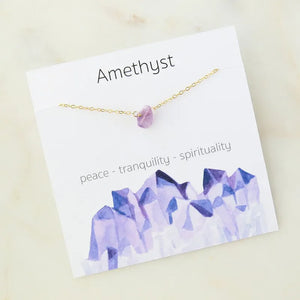
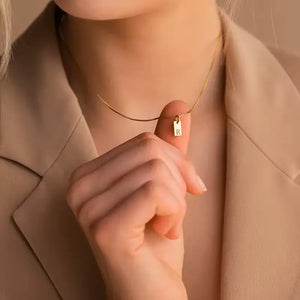
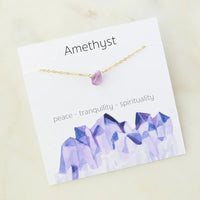
The piece they're describing → Stone Charm Necklace for Women — Raw Natural Gemstone Pendant
Personalize Yours


