


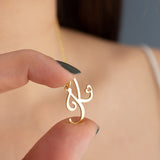
- Quince's jewelry line spans 14K solid gold, 18K gold vermeil, plain 925 sterling silver, and freshwater pearls, priced roughly $25–$628.
- Mejuri's line is 14K/18K gold vermeil for everyday pieces and solid 10K/14K gold for its "fine" tier, priced roughly $50–$1,500+.
- Vermeil on both brands is legally required (FTC guidelines) to use a 925 sterling silver base with at least a 2.5-micron gold layer — a real quality floor, not just marketing.
- The most common complaint on both brands is the same: vermeil pieces can lose shine or thin out well before solid gold would, sometimes within about six months to a few years of daily wear.
- Much of the "Mejuri controversy" search traffic traces back to durability and pricing debates on Reddit and TikTok, not one single documented scandal.
- If you want 925 sterling silver with 18K gold plating, marketed specifically as hypoallergenic and nickel-free, starting under $25, that's a third lane worth comparing against both — AJLuxe uses that exact construction across its $24.99–$79.99 catalogue.
Quince and Mejuri get compared constantly because they're solving the same problem from opposite ends — Quince cuts out retail markup across dozens of categories (jewelry included), while Mejuri built its entire brand around making everyday fine jewelry feel accessible. Neither is a costume-jewelry brand and neither is a scam; the real question is which one's version of "affordable real gold" actually matches what you're willing to pay and how long you expect it to look new. Here's the honest breakdown of materials, pricing, quality complaints, and where each brand fits.
Quince vs Mejuri at a Glance
The short version: Quince is the lower-priced, multi-category option, and Mejuri is the higher-priced, jewelry-only specialist — but both lean on gold vermeil for most of what they sell.

| Feature | Quince | Mejuri |
|---|---|---|
| Core materials | 14K solid gold, 18K gold vermeil, plain 925 sterling silver, freshwater pearls | 14K/18K gold vermeil (everyday line), solid 10K/14K gold ("fine" line) |
| Price range | ~$25–$628 | ~$50–$1,500+ |
| Business model | Factory-direct, multi-category retailer (jewelry, clothing, home, beauty) | Dedicated DTC jewelry brand with 60+ physical stores |
| Known weak point | Vermeil can show wear within about six months despite "tarnish resistant" marketing | Vermeil pieces reported to fade or thin within one to three years; occasional fragile clasps |
| Best for | Lowest price for FTC-standard vermeil or real 14K solid gold | A wider stackable/fine jewelry catalog and an in-person store experience |
What Is Quince, Really?
Quince is a direct-to-consumer retailer that partners with the same factories supplying fine jewelry, cashmere, and home goods to bigger retail names, then sells at factory prices by skipping the traditional wholesale markup. Jewelry is only one of several categories Quince sells — it's not a jewelry-first brand the way Mejuri is — but the jewelry line itself splits into three real tiers: 14K solid gold (a 58.5% gold alloy in yellow, white, and rose), 18K gold vermeil (a thick gold-plating layer over a 925 sterling silver base that meets the FTC's 2.5-micron minimum for the vermeil label), and a smaller run of plain 925 sterling silver pieces. Freshwater cultured pearls also show up across several earring and necklace styles and consistently get called out by reviewers as some of the best value in the catalog.
What Is Mejuri, Really?
Mejuri is a Toronto-founded direct-to-consumer jewelry brand, launched in 2015 by Noura Sakkijha, a third-generation jeweler, alongside co-founder Majed Masad. The brand built its name on everyday, stackable "fine jewelry" sold online and through social media rather than department stores, and it has since grown into an omnichannel brand with 60+ physical stores across North America, the UK, Australia, and the Middle East. Mejuri also runs two real material tiers: an everyday line in 14K/18K gold vermeil (real gold over a 925 sterling silver base, at or above the FTC's 2.5-micron minimum) and a "fine jewelry" line in solid 10K or 14K gold, some pieces set with natural or lab-grown diamonds.
Is Jewelry From Quince Good Quality?
Yes, mostly — Quince's 14K solid gold pieces get consistently good durability reviews, and its factory-direct pricing is genuinely lower than comparable department-store fine jewelry for the same karat gold. The weaker tier is its 18K gold vermeil line: it technically meets the FTC's minimum standard for real gold plating, but a meaningful number of reviewers report it losing shine or showing wear within about six months, despite being marketed as tarnish resistant. If you're buying Quince's solid gold, expect it to perform like real gold because it is; if you're buying the vermeil, treat it the way you'd treat any plated piece — great for the price, not a lifetime purchase.
Is Mejuri Actually Good Quality?
Mostly yes for its solid gold line, more mixed for its vermeil line. Mejuri's 10K and 14K solid gold pieces are genuinely real gold all the way through and hold up well over years of regular wear. Its 14K/18K gold vermeil pieces — the bulk of what most shoppers actually buy — are real gold too, but only as a plated layer over sterling silver, and that's the tier generating most of the fading, thinning, and occasional loose-clasp complaints you'll find in reviews. The brand isn't misrepresenting what it sells (vermeil is disclosed clearly on every product page), but "vermeil" and "solid gold" are not the same purchase, and treating them as interchangeable is where buyer disappointment tends to start.
What Is the Mejuri Controversy?
There isn't one single, well-documented scandal behind that search — it's shorthand for a long-running pattern of consumer complaints, most visible on Reddit and TikTok, about Mejuri's gold vermeil plating wearing thin or fading faster than buyers expect given the price. A second, related thread of complaints is about value: because vermeil is sterling silver with a gold layer rather than solid gold, some shoppers feel Mejuri's "fine jewelry" branding and pricing imply more permanence than a plated product can actually deliver. Both are legitimate points worth knowing before you buy, but they describe an ongoing quality-and-pricing debate playing out in public reviews and forums, not a single confirmed incident.
Quince vs Mejuri: Price Comparison
Quince is the cheaper brand across nearly every comparable category. Its jewelry runs from about $25 for simple vermeil earrings up to roughly $628 for solid-gold necklaces, while Mejuri's everyday vermeil typically starts around $50 and its solid-gold "fine" line climbs well past $500, with some pieces exceeding $1,500. For the same material tier — vermeil to vermeil, or solid gold to solid gold — Quince consistently prices lower, which tracks with its factory-direct, no-markup positioning versus Mejuri's brand-and-retail-store overhead.
What Brand Is Better Than Mejuri?
No single brand is objectively better for every shopper — it depends on which trade-off you want to make instead of Mejuri's price-for-vermeil ratio. If you want the same FTC-standard vermeil and solid 14K gold construction at generally lower prices, Quince is the closest direct comparison. If you'd rather skip vermeil-tier pricing altogether and get 925 sterling silver with 18K gold plating explicitly marketed as hypoallergenic and nickel-free, starting under $25, that's where AJLuxe fits — a lower-cost, lower-price-ceiling alternative for the same minimalist, stackable look, not a claim to be Mejuri's equal in solid-gold weight or resale value. Other demi-fine, direct-to-consumer brands worth knowing about in the same general space include Missoma, Ana Luisa, and Automic Gold, though each has its own material mix worth checking before you buy.
Which Should You Buy: Quince or Mejuri?
Buy Quince if price is your deciding factor and you're comfortable ordering jewelry from a retailer that also sells clothing and home goods; buy Mejuri if you want a dedicated jewelry brand, a wider stackable catalog, and don't mind paying more for the same basic vermeil construction. If neither price tier fits and what actually appeals to you is the sterling-silver-plus-real-gold-plating look rather than a specific logo, AJLuxe covers that same construction — 925 sterling silver with 18K gold plating, hypoallergenic and nickel-free, gift-boxed as standard — across a $24.99–$79.99 range, with over 40,000 customers who've already made that trade-off. None of these three are "wrong" purchases; they're different answers to how much you want to pay for how long the gold layer needs to last.
For the legal definition of gold vermeil referenced above — a sterling silver base with a minimum 2.5-micron gold layer — see the Federal Trade Commission's jewelry guidance: ftc.gov.
Frequently Asked Questions
Is jewelry from Quince good quality?
Yes, for its main tiers — Quince's 14K solid gold jewelry holds up well long-term, and its 18K gold vermeil meets the FTC's 2.5-micron minimum for real gold plating over 925 sterling silver, but that vermeil line can lose shine within about six months of daily wear despite "tarnish resistant" marketing.
What is the Mejuri controversy?
There's no single confirmed scandal — "Mejuri controversy" is shorthand for an ongoing pattern of complaints, mostly visible on Reddit and TikTok, about the brand's gold vermeil plating fading or thinning faster than buyers expect relative to its price, plus scattered reports of fragile clasps.
What brand is better than Mejuri?
It depends on the trade-off you want: Quince offers similar FTC-standard vermeil and solid 14K gold at generally lower prices, while AJLuxe offers 925 sterling silver with 18K gold plating marketed specifically as hypoallergenic and nickel-free starting under $25 — neither is objectively "better," they're different answers to price versus material tier.
Is Mejuri actually good quality?
Mostly yes for its solid gold line, more mixed for its vermeil line — Mejuri's 10K/14K solid gold pieces are genuinely real gold that holds up over years of wear, while its 14K/18K gold vermeil pieces (sterling silver with a gold layer) generate most of the fading and durability complaints.
Is Quince cheaper than Mejuri?
Generally, yes — Quince's jewelry starts around $25 and tops out near $628 for solid gold pieces, while Mejuri's everyday vermeil starts around $50 and its solid-gold "fine" line can run past $1,500.
Does Mejuri use real gold?
Yes, both of Mejuri's tiers use real gold — its everyday line is gold vermeil (a real gold layer over a 925 sterling silver base) and its "fine" line is solid 10K or 14K gold — so whether you're getting a plated layer or gold all the way through depends on which tier you buy, not whether Mejuri uses real gold at all.
All third-party trademarks, brand names and product names are the property of their respective owners. AJLuxe is not affiliated with, endorsed by, sponsored by, or otherwise connected to any third-party brand referenced in this article. Brand names are used solely for accurate comparative reference, and material descriptions reflect each brand's own published product specifications at the time of writing.
You Might Also Like
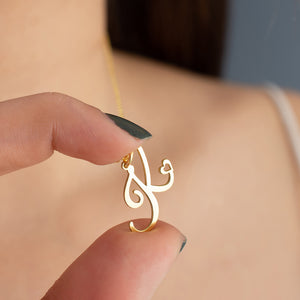
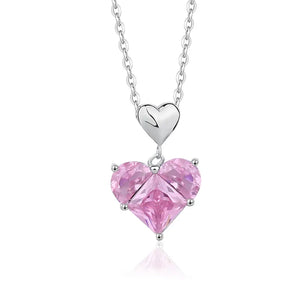
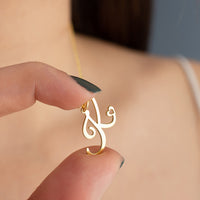
The piece they're describing → Heart Initial Necklace for Women — 18K Gold Plated, Personalized Letter + Heart Pendant
Personalize Yours


