


- Swarovski crystal is cut glass, not a mineral gemstone — its quality is in the faceting and sparkle, not rarity or hardness.
- Settings are typically rhodium- or gold-plated brass or base metal, not solid gold, silver, or platinum.
- It's positioned and priced as fashion/costume jewelry, not fine jewelry — that's a category choice, not a hidden flaw.
- Plating wear, prong loosening, and dulling are the most common quality complaints with everyday wear.
- Pandora and Swarovski sit in a similar price tier but solve different problems — charm-and-metal design versus crystal-and-sparkle.
- If you want the sparkle with less plating anxiety, 925 sterling silver with 18K gold plating is the nearest fine-jewelry-adjacent alternative.
“Is Swarovski good quality?” is really two questions wearing one trench coat: is the crystal itself well-made, and does the jewelry hold up like fine jewelry does? The answers aren't the same. Swarovski earned its name on precision-cut crystal that outsparkles cheaper glass, and that reputation is deserved. But the metal doing the holding — the settings, clasps, and prongs — is base metal with a plated finish, the same category most affordable fashion jewelry lives in. Below is the honest breakdown: what Swarovski actually is, how it compares to Pandora and fine jewelry, and where it tends to disappoint.
Is Swarovski Good Quality?
Yes, within its category: Swarovski crystal is genuinely well-cut and consistent, which is why it reads as more brilliant than typical costume glass. What it isn't is fine jewelry — the crystal is a manufactured glass product, not a graded gemstone, and most pieces are built on plated base metal rather than solid gold, silver, or platinum. So “good quality” depends on the yardstick: measured against other crystal and rhinestone jewelry, Swarovski is a genuine step up. Measured against fine jewelry, it's a different product entirely, and comparing the two is where most disappointed reviews come from.
What Is Swarovski Crystal, Exactly?
Swarovski crystal is precision-cut lead glass, engineered and faceted by machine to maximize light refraction, not a naturally occurring mineral. The company, founded in Austria in 1895, built its business on patented cutting techniques that give the glass more facets and more sparkle than ordinary rhinestones, but the base material is still glass — softer and less durable than a mined gemstone like sapphire or quartz. That's a meaningful distinction if you're shopping for “real” stones: a Swarovski crystal will out-sparkle a lot of jewelry at a glance, but it won't scratch-resist or hold value the way a genuine gemstone does.

Is Swarovski Jewelry Real or Fake?
Swarovski jewelry is real in the sense that it's an authentic, branded product made by a real company — it is not counterfeit unless you bought it from an unauthorized seller. But it's “fake” in the specific sense that the stones are manufactured crystal, not genuine gemstones, and the settings are usually plated rather than solid precious metal. Whether that reads as “fake” to you depends on what you expected: as costume and fashion jewelry, it's exactly what it claims to be; as a substitute for fine jewelry, it will always fall short on that count.
Is Swarovski Considered High End?
Swarovski is considered premium within costume and fashion jewelry, but it is not considered high-end or fine jewelry in the way a jeweler or appraiser uses that term. Fine jewelry is defined by solid precious metals and graded natural or lab-created gemstones with resale and insurance value; Swarovski's crystal-and-plated-metal construction sits in the affordable-luxury and fashion tier instead, alongside brands like Pandora rather than alongside gemstone jewelers. That positioning isn't a knock — it's why the pieces are accessible at a much lower price point — but it does mean “high-end” isn't the accurate label for it.
How Durable Is Swarovski Jewelry?
Swarovski jewelry holds up well for occasional and special-occasion wear but shows wear faster than fine jewelry under daily use, because the plating on its base-metal settings is a thin surface layer rather than solid metal all the way through. The most common complaints in reviews are plating rubbing off at contact points (clasps, ring shanks, prong tips), rhodium coating dulling with exposure to lotion, perfume, and water, and prongs loosening over years of wear, which can eventually let a crystal fall out. None of that means it's poorly made — it's the expected lifespan of plated costume jewelry, not a manufacturing defect, and rotating pieces rather than wearing them daily will extend that lifespan considerably.
Swarovski vs Pandora vs Fine Jewelry vs Sterling Silver: Which Has the Best Quality?
For pure sparkle-per-dollar, Swarovski wins; for metal that lasts under daily wear without precious-metal prices, solid sterling silver is the stronger pick. The table below lines up what each category is actually built from, since “quality” means something different in each one.

| Category | What it's made of | Typical price | Best for |
|---|---|---|---|
| Swarovski | Cut lead crystal on plated base metal | $50–$300+ | Maximum sparkle for occasion wear |
| Pandora | Sterling silver or plated metal, charms/enamel, some cubic zirconia | $40–$150 | Collectible, personalizable charm pieces |
| Fine jewelry | Solid gold/platinum with graded natural or lab gemstones | $500–$10,000+ | Heirloom pieces, resale/insurance value |
| 925 sterling silver (e.g. AJLuxe) | Solid 925 sterling silver, optional 18K gold plating | $24.99–$79.99 | Everyday wear, sensitive ears, gifting |
On “what's better quality, Pandora or Swarovski” specifically: neither is objectively better, because they're solving different problems. Pandora's core pieces are often solid sterling silver, which holds up to daily wear better than plated base metal, but its stones are frequently cubic zirconia rather than cut crystal. Swarovski's crystal is more brilliant, but more of the piece around it is plated rather than solid. If daily durability matters more to you than maximum sparkle, silver construction is the more important spec to check — regardless of which of the two names is on the box.
Related reading: How to clean swarovski jewelry.
Related reading: Swarovski dupes.
All third-party trademarks, brand names and product names are the property of their respective owners. AJLuxe is not affiliated with, endorsed by, sponsored by, or otherwise connected to any third-party brand referenced in this article. Brand names are used solely for accurate comparative reference, and material descriptions reflect each brand's own published product specifications at the time of writing.
You Might Also Like
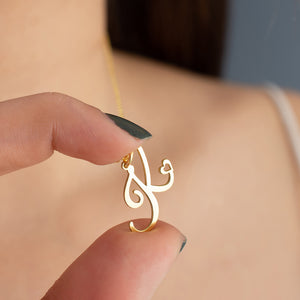
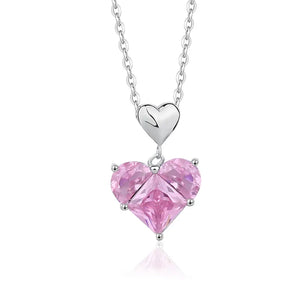
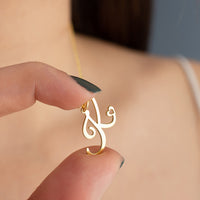
The piece they're describing → Heart Initial Necklace for Women — 18K Gold Plated, Personalized Letter + Heart Pendant
Personalize Yours


