


- The crystal doesn't tarnish — the metal setting and plating around it does.
- Swarovski jewelry uses gold-tone or rhodium plating over a base-metal alloy, not solid gold.
- Sweat, perfume, chlorine, and lotion are the main causes of premature plating wear and dulling.
- Removing jewelry before showering, swimming, and applying products extends its life significantly.
- Some wearers with sensitive skin report irritation from the base-metal alloy under the plating.
- Tarnish-resistant, hypoallergenic alternatives exist if you want daily-wear durability without the upkeep.
If you've noticed a favorite Swarovski necklace or ring losing its shine, you're not imagining it. Swarovski crystal jewelry is prized for its sparkle, not its metal durability — and understanding what's actually plated versus solid changes how you shop, wear, and care for it (2026). Below is a direct breakdown of what tarnishes, why, and what to do about it.
Does Swarovski Jewelry Tarnish?
Yes, but it's the metal, not the crystal, that's doing the tarnishing. Swarovski crystals are a type of engineered lead-free glass, and glass doesn't oxidize or corrode the way metal does. What does change over time is the rhodium, gold-tone, or rose-gold-tone plating applied to the setting and chain, which can thin, discolor, or flake off with repeated exposure to moisture, sweat, perfume, and friction. Once the plating wears through to the base-metal alloy underneath, that exposed metal is what tarnishes and can even turn skin green or gray in spots.
Is Swarovski Real Gold?
No, "gold" Swarovski pieces are gold-tone plated, not solid gold. Like most fashion and costume jewelry brands, Swarovski applies a thin layer of gold-colored plating over a base-metal alloy to achieve the gold look at a lower cost and weight than solid gold. This isn't unique to Swarovski — it's standard practice across the mid-tier jewelry market — but it does mean the gold finish is a coating, not the metal all the way through, so it will eventually show wear exactly like any other plated piece.
Why Do Swarovski Pieces Dull or Tarnish Over Time?
Swarovski pieces dull or tarnish because the thin plating layer breaks down faster than most owners expect, and daily habits speed that process up. The most common culprits are:
- Moisture — showering, swimming, and sweating trap water against the plating and accelerate oxidation of the metal underneath.
- Perfume and lotion — chemicals in fragrances, hairspray, and skincare products react with plating and dull the crystal facets over time.
- Chlorine and salt water — both are especially aggressive on thin plating and can strip it in a single exposure.
- Friction — rings and bracelets rub against skin, clothing, and other jewelry constantly, wearing plating thinner than a necklace or earring does.
- Storage — tossing pieces loose in a drawer exposes them to air and lets them scratch each other.
Can You Shower With Swarovski?
No, you shouldn't shower with Swarovski jewelry if you want it to keep its shine. Hot water, soap, shampoo, and steam all work against the plating and against the surface coating on many Swarovski crystals, which water exposure degrades over time. Taking it off before you shower, swim, or apply lotion is the single easiest habit that extends how long a piece looks new.
How Long Will Swarovski Jewelry Last?
With careful, occasional wear and proper storage, Swarovski jewelry can look good for years, but the plating itself has a shorter practical lifespan than a solid metal piece. Pieces worn daily, exposed to water and chemicals, or stored carelessly tend to show plating wear and dulling much sooner — sometimes within months — than pieces reserved for special occasions and stored in a soft pouch. How long any plated piece lasts comes down almost entirely to how it's worn and stored, not just how it's made.
Can Swarovski Be Worn Every Day?
You can wear Swarovski every day, but daily wear is exactly what wears plating down fastest, so it's not the ideal choice for a piece you never take off. Constant contact with skin oils, sweat, lotion, and friction is the fastest way to expose the base metal underneath the plating. If you want a piece that lives on your hand or wrist permanently — an everyday stacking ring or a layering necklace you never remove — a solid sterling silver base with plating designed for daily wear will hold up noticeably better than occasion-first crystal jewelry.
Are Swarovski Jewelry Pieces Worth Buying?
Swarovski jewelry is worth buying if you want statement sparkle for special occasions and you're prepared for the maintenance plated pieces require. The crystal cut and clarity is genuinely a strength of the brand, and for evening wear, gifting, or occasional dress-up, that trade-off is a reasonable one. Where it's less worth it is as an everyday, wear-and-forget piece — for that use case, a tarnish-resistant metal built specifically for daily wear will save you money and disappointment over time.
Swarovski vs Sterling Silver Jewelry: Which Resists Tarnish Better?
925 sterling silver with 18K gold plating generally resists tarnish better for everyday wear than a Swarovski crystal piece, because the base metal itself is a recognized fine-jewelry standard rather than an unspecified costume alloy. Here's how the two compare directly:
| Feature | Swarovski Crystal Jewelry | 925 Sterling Silver (18K Gold Plated) |
|---|---|---|
| Core material | Lead-free crystal set in a plated base-metal alloy | 925 sterling silver base, optionally plated in 18K gold |
| Plating | Rhodium, gold-tone, or rose-gold-tone over an unspecified base alloy | 18K gold plating over solid sterling silver |
| Tarnish behavior | Plating thins and discolors with moisture and chemicals; not repairable at home | Tarnish-resistant with normal care; silver base can be polished if it ever dulls |
| Skin sensitivity | Varies by piece; some wearers report irritation from the base alloy | Nickel-free, hypoallergenic |
| Best use case | Occasional or evening wear | Designed for daily wear |
| Typical price | Premium fashion-jewelry pricing, varies by collection | $24.99–$79.99 |
How to Keep Crystal Jewelry From Losing Its Sparkle
The fastest way to keep any crystal or plated piece looking new is to control what touches it, not just how often you clean it. A few habits make the biggest difference:
- Put jewelry on last — after perfume, lotion, and hairspray have dried, not before.
- Take it off first — before showering, swimming, sleeping, or working out.
- Wipe after wearing — a soft, lint-free cloth removes oils and residue before they sit against the plating overnight.
- Store flat and separated — a lined box or individual pouch prevents pieces from scratching each other.
- Skip the harsh cleaners — jewelry cleaning solutions, chlorine, and ultrasonic cleaners can strip thin plating faster than daily wear alone.
Want the full step-by-step method? See our how to clean Swarovski jewelry guide for the safe cleaning routine, what to avoid, and how to bring the sparkle back.
18K gold plating option
Nickel-free, safe for daily wear
Boxed, no extra charge
Insured shipping, easy returns
Which Should You Choose: Swarovski Crystal or Tarnish-Resistant Sterling Silver?
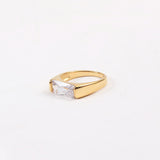
Choose Swarovski if you want maximum crystal brilliance for occasional, special-occasion wear and don't mind the upkeep; choose a tarnish-resistant sterling silver piece if you want something that holds up to daily life without babying it. If it's the everyday-durability side of that decision you're after, the 18K Gold Plated Statement Ring — Tarnish-Resistant CZ ($29.99) gives you a similarly bright, faceted sparkle in genuine 18K gold plating, so it's designed to be worn daily rather than saved for special occasions.
Frequently Asked Questions
Can you shower with Swarovski?
No — showering exposes Swarovski's plating and crystal coatings to hot water, soap, and steam, all of which accelerate plating wear and can dull the crystal's finish, so it's best removed beforehand.
How long will Swarovski last?
With occasional wear and careful storage, Swarovski jewelry can look good for years, but daily wear, moisture, and chemical exposure will visibly wear the plating down much faster, sometimes within months.
Can Swarovski be worn every day?
It can be, but daily wear accelerates plating wear from skin oils, sweat, and friction, so pieces meant for constant daily use tend to hold up better in a solid-base, tarnish-resistant metal instead.
Are Swarovski jewelry pieces worth buying?
Yes for occasional and evening wear, where the crystal's brilliance is the main draw and the plating's shorter lifespan matters less; less so as an everyday piece, where a tarnish-resistant metal is the better long-term value.
Is Swarovski jewelry real gold?
No — Swarovski's gold-finish pieces are gold-tone plated over a base-metal alloy, not solid gold, which is standard practice across mid-tier fashion jewelry and means the gold layer will eventually show wear.
All third-party trademarks, brand names and product names are the property of their respective owners. AJLuxe is not affiliated with, endorsed by, sponsored by, or otherwise connected to any third-party brand referenced in this article. Brand names are used solely for accurate comparative reference, and material descriptions reflect each brand's own published product specifications at the time of writing.
You Might Also Like
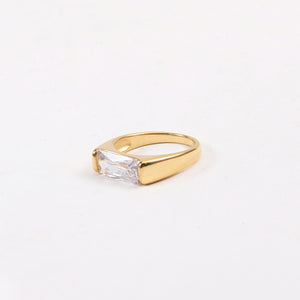

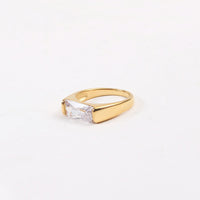
The piece they're describing → 18K Gold Plated Statement Ring — Tarnish-Resistant CZ
Personalize Yours


