


Yes, sterling silver tarnishes. It reacts with hydrogen sulfide in the air to form silver sulfide — a dark layer on the surface. The good news: it's a reversible cosmetic reaction, not permanent damage. A polishing cloth removes light tarnish in seconds.
- Sterling silver (925) always tarnishes eventually — it contains 7.5% copper, which speeds up the reaction.
- Tarnish is silver sulfide. It forms within hours in high-sulfur or high-humidity environments.
- A polishing cloth removes light tarnish in under a minute. A baking soda paste handles heavier buildup.
- Store your silver below 50% relative humidity in an anti-tarnish bag or sealed zip-lock pouch to slow tarnishing significantly.
- High-quality 925 sterling silver rarely turns skin green — that's a separate reaction caused by the copper content, not the tarnish itself.
Does sterling silver tarnish? Yes — and if you own any sterling silver jewelry, you've almost certainly seen it happen. That dark, dull film that appears over time isn't damage. It's a natural chemical reaction that every piece of sterling silver goes through. The good news is that tarnish is completely reversible, easy to prevent, and doesn't affect the quality or value of your jewelry. This guide covers exactly why sterling silver tarnishes, how fast it happens, how to remove it, and which types of silver resist tarnish the longest.
Written by Vaishakhi Ajmera — founder of AJLuxe, specialists in sterling silver and gold plated jewelry. Last updated: June 2026.
Why Sterling Silver Tarnishes
Pure silver doesn't tarnish easily. Sterling silver does — and the reason comes down to its composition.
Sterling silver is 92.5% pure silver and 7.5% other metals, almost always copper. That "925" stamp you see on quality jewelry refers to this exact ratio. The copper is added because pure silver is too soft to hold a shape in everyday jewelry. But copper is reactive. It speeds up the chemical process that causes tarnish.
Here's what's actually happening on a molecular level. When silver comes into contact with hydrogen sulfide gas in the air, it reacts to form silver sulfide (Ag₂S). Silver sulfide is that dark, yellowish-black film you see on tarnished jewelry. Copper in the alloy accelerates this reaction significantly compared to pure silver on its own.
Hydrogen sulfide is everywhere in trace amounts. It comes from:
- Humidity and moisture in the air
- Wool, rubber bands, latex gloves, and some cardboard packaging
- Onions, eggs, and certain foods
- Chlorine in tap water, pools, and hot tubs
- Perfumes, hairsprays, and lotions applied near jewelry
- Sweat and body oils from your skin
- Air pollution, particularly in urban environments
The more of these factors present, the faster tarnish forms. A piece of silver sitting open in a humid bathroom will tarnish noticeably faster than the same piece stored in a sealed, dry environment.
Takeaway: Sterling silver tarnishes because its copper content reacts with sulfur compounds in the air — understanding that process is the first step to slowing it down.
How Fast Does Sterling Silver Tarnish?
The timeline varies widely depending on your environment. Sterling silver can show first signs of tarnish within hours under harsh conditions, or stay bright for several months with proper storage.
| Condition | Time to First Tarnish | Notes |
|---|---|---|
| Open dish, humid bathroom (humidity >70%) | 6–24 hours | Worst-case storage. Steam from showers accelerates sulfur exposure. |
| Bedroom dresser, open air (humidity 50–70%) | 2–4 weeks | Typical household storage without any protection. |
| Worn daily (skin contact, perfume, sweat) | 1–3 weeks | Body chemistry varies — some people accelerate tarnish significantly faster than others. |
| Velvet pouch, bedroom drawer (humidity 40–50%) | 1–3 months | Better than open air but not fully sealed against sulfur gases. |
| Sealed zip-lock bag, dry environment (<50% humidity) | 3–6 months | Good for occasional-wear pieces. Add a silica gel packet for extra protection. |
| Anti-tarnish bag, <50% humidity | 6–12+ months | Best passive storage. Anti-tarnish cloth actively absorbs sulfur gases. |
| Pool or hot tub exposure (chlorinated water) | Minutes to hours | Chlorine is highly reactive with silver. Remove jewelry before swimming. |
Does sterling silver tarnish in water? Freshwater alone is low-risk for short exposures. Saltwater, chlorinated water, and hot water all significantly accelerate tarnish and should be avoided.
Takeaway: Environment controls tarnish speed more than anything else — the same piece of jewelry can stay bright for a year or tarnish overnight depending on how you store it.

How to Remove Sterling Silver Tarnish
Tarnish is a surface reaction, not deep damage. Every method below removes the silver sulfide layer — they just differ in aggressiveness, safety, and cost.
| Method | Tarnish Level | Effectiveness | Safe for Gemstones? | Cost |
|---|---|---|---|---|
| Silver polishing cloth | Light to moderate | Excellent — removes tarnish in under 1 minute | Yes — no moisture involved | $5–$10 one-time |
| Baking soda paste | Moderate to heavy | Very good — mildly abrasive, breaks down silver sulfide | No — avoid on pearls, opals, turquoise | Under $1 per use |
| Aluminum foil + baking soda bath | Heavy | Excellent — electrochemical reaction reverses tarnish without abrasion | No — heat and moisture risk for delicate stones | Under $1 per use |
| Commercial silver dip | Moderate to heavy | Very good — fast, 30-second result | No — damages pearls, opals, and porous stones | $8–$15 per bottle |
| Toothpaste | Light | Fair — works in a pinch but too abrasive for regular use | No — abrasion risks stone damage | Essentially free |
| Mild dish soap + warm water | Very light (maintenance wash) | Good for removing skin oils and slowing tarnish buildup | Yes — safe for most stones except pearls | Essentially free |
The polishing cloth is the single best tool to own. Use it after every few wears for light maintenance. Reserve baking soda or commercial dips for jewelry that's been stored for a long time. Always dry completely before storing — moisture left on the surface speeds up future tarnish.
Takeaway: A $7 polishing cloth handles 90% of sterling silver tarnish situations — buy one and keep it with your jewelry.

How to Prevent Tarnish
Preventing tarnish is easier than removing it. The two factors you can control are sulfur exposure and humidity. Both come down to storage.
The specific humidity threshold matters: store your sterling silver below 50% relative humidity. Above 50%, moisture dramatically accelerates the silver sulfide reaction. A cheap hygrometer (under $10) confirms your storage environment. A silica gel packet inside a jewelry box absorbs ambient moisture and keeps humidity low.
| Storage Method | Protection Level | Best For | Notes |
|---|---|---|---|
| Anti-tarnish bag (Pacific Silvercloth or similar) | Excellent | Long-term storage, occasional-wear pieces | The cloth fabric actively absorbs sulfur gases. Replace every 2–3 years. |
| Sealed zip-lock bag + silica gel | Very good | Occasional-wear pieces, travel storage | Minimizes air contact. Low-cost and effective. |
| Velvet pouch | Moderate | Daily-wear pieces you reach for often | Limits some air contact but doesn't seal out sulfur gases. |
| Lined jewelry box (shared compartment) | Low to moderate | Daily-wear pieces; convenient access | Allows sulfur exposure. Works if you wear the piece frequently enough. |
| Open dish or tray on dresser | None | Pieces worn every single day | Maximum exposure to air and humidity. Only viable for jewelry worn so frequently it gets polished naturally. |
Daily habits matter too. Put jewelry on last — after perfume, lotion, and hairspray. Take it off first — before washing hands, showering, or swimming. Wipe silver with a soft cloth after wearing to remove skin oils. And keep silver away from rubber bands, latex, and wool — all off-gas sulfur compounds.
Takeaway: Storing silver below 50% humidity in an anti-tarnish bag is the single most effective way to keep your jewelry looking polished between wears.
Does Sterling Silver Turn Skin Green?
This question gets conflated with tarnish all the time — but the cause is different. Tarnish is silver sulfide forming on the jewelry surface. Green skin is a separate reaction happening at the point of skin contact.
The culprit is the copper in the 925 alloy. When copper contacts the acids on your skin — from sweat and natural oils — it reacts to form copper chloride, which leaves a greenish tint. The green washes off easily with soap and water and is completely harmless.
Whether it happens depends on several factors:
- Your skin's pH: More acidic skin reacts more strongly with copper. Some people never see green; others do consistently.
- Sweat: Contains chlorides that react with copper more aggressively. Hot weather and exercise increase the effect.
- Alloy quality: Reputable 925 sterling silver uses a standard copper alloy. Very cheap jewelry marketed as "silver" sometimes contains higher percentages of base metals, which increases skin reactions significantly.
- Lotions and perfumes: Can increase the reaction rate between copper and skin.
High-quality 925 sterling silver rarely causes green skin for most people under normal conditions. If it does happen, it washes off and isn't harmful. If you experience redness or irritation rather than just green discoloration, that suggests a potential nickel sensitivity — a separate issue from copper. The American Academy of Dermatology covers metal contact dermatitis for anyone with persistent skin reactions to jewelry metals.
Takeaway: Green skin from sterling silver is copper reacting with your skin acids — it's harmless, washes off, and is much less common with high-quality 925 silver.
What Silver Doesn't Tarnish?
If tarnish is a persistent problem for you, several silver-toned options exist with significantly better resistance. Each involves a different tradeoff.
Rhodium-plated sterling silver is the most tarnish-resistant practical option. Rhodium is a platinum-group metal that forms a hard, non-reactive surface layer. It doesn't react with sulfur compounds, so it doesn't tarnish the way bare sterling silver does. The tradeoff: the plating wears off over 1–3 years of daily wear, exposing the silver underneath. Replating costs $20–$60 at most jewelers.
Argentium silver (.935) replaces some copper in the alloy with germanium. The germanium creates a surface oxide layer that actively resists tarnish — Argentium tarnishes significantly more slowly than standard 925. It's more expensive and less widely available, but worth seeking out if tarnish resistance is your priority.
Fine silver (.999) has almost no copper, so it tarnishes very slowly. The tradeoff is hardness — fine silver is extremely soft and scratches easily. You'll mostly find it in earrings and pendants rather than rings or bracelets.
Gold-plated sterling silver uses a real gold layer over 925 silver. Gold doesn't react with sulfur compounds, so it resists tarnish effectively while the plating is intact. This is why 18K gold plated sterling silver stays bright far longer than bare silver — the gold does the protective work.
Takeaway: Rhodium-plated silver offers the best tarnish resistance for everyday jewelry; Argentium silver is the best solid-metal alternative to standard 925.
Does Gold Plated Sterling Silver Tarnish?
Gold-plated sterling silver has a base of 925 silver with a thin layer of real gold bonded to the surface. Gold is highly resistant to tarnish — that gold layer protects the silver beneath from sulfur exposure. So while the plating is intact, the jewelry won't tarnish in the traditional sense.
The issue is wear. Gold plating ranges from 0.5 microns (thin fashion plating) to 2.5+ microns (gold vermeil standard). With daily wear, high-contact areas thin and eventually expose the sterling silver beneath — typically after 1–3 years depending on plating thickness and conditions. Once exposed, the silver underneath can tarnish normally.
To extend plating life: avoid chlorine, remove before washing hands, and keep lotions away from plated surfaces. When plating wears through, the piece can be replated or maintained as bare sterling silver going forward.
Takeaway: Gold-plated sterling silver resists tarnish as long as the gold layer is intact — typically 1–3 years of daily wear before the silver core needs attention.
Frequently Asked Questions
Does sterling silver tarnish easily?
It depends on your environment. In ideal storage (sealed, below 50% humidity), sterling silver can stay bright for 6–12 months. With daily wear in humid conditions and exposure to perfume and sweat, tarnish can appear in 1–3 weeks. With basic care, it's very manageable.
How do I know if my silver is tarnished?
Tarnish appears as yellowing, darkening, or black discoloration on the surface. Light tarnish looks like a dull, slightly yellow film. Heavy tarnish looks dark brown or black. If your silver still looks bright and reflective, it hasn't tarnished yet.
Does 925 sterling silver tarnish faster than pure silver?
Yes. The 7.5% copper in 925 sterling silver reacts more readily with hydrogen sulfide than pure silver does. Pure silver (.999) tarnishes very slowly because it has almost no copper. The tradeoff for that copper content is durability — 925 is strong enough for everyday jewelry where pure silver isn't.
Does sterling silver tarnish in water?
Plain freshwater poses a low tarnish risk for brief exposures. Saltwater, chlorinated water (pools and hot tubs), and hot water all significantly accelerate tarnish. Remove your sterling silver before swimming, bathing, or doing dishes.
How do I stop sterling silver from tarnishing in storage?
Use an anti-tarnish bag or a sealed zip-lock bag with a silica gel packet. Store in an environment below 50% relative humidity — avoid bathroom drawers and any room with high moisture. Anti-tarnish cloth actively absorbs sulfur gases, giving you the best passive protection over time.
Does sterling silver turn skin green?
It can — but it's the copper in the 925 alloy, not the silver itself. Copper reacts with the acids in your sweat to form copper chloride, which can temporarily tint skin green. It washes off easily with soap and water and is completely harmless. High-quality 925 silver causes this far less frequently than cheap jewelry with non-standard alloys.
Is tarnished sterling silver ruined?
No. Tarnish is a surface-only reaction — silver sulfide forms on the outermost layer and doesn't penetrate or structurally damage the metal. A polishing cloth removes light tarnish in under a minute. Even heavy black tarnish responds to a baking soda paste or commercial silver dip. Tarnished silver is not ruined silver.
How long does it take sterling silver to tarnish?
Anywhere from a few hours to over a year. In a humid bathroom left open to air, you might see yellowing within 24 hours. In a sealed anti-tarnish bag at below 50% humidity, the same piece might stay bright for 12 months or more. Storage conditions control the timeline more than anything else.
Can I wear sterling silver every day without it tarnishing?
Yes, with care. Daily wear actually helps — skin contact and friction act as natural polishing. The key habits: remove before chlorine exposure, apply perfume before putting on jewelry, and wipe it with a soft cloth after wearing. Many people wear sterling silver daily for years with minimal tarnish issues by following these steps.
What is the difference between tarnish and patina on silver?
Chemically they're the same thing — silver sulfide on the surface. Tarnish is the term for undesirable, random discoloration. Patina refers to intentional darkening applied by a jeweler — used to highlight engraved details or create an antique look. A jeweler-applied patina is stabilized; household tarnish is not.
Does rhodium plated silver tarnish?
Not while the rhodium layer is intact. Rhodium is a platinum-group metal that doesn't react with sulfur compounds, so rhodium-plated silver stays bright far longer than bare sterling silver. When the plating wears thin — typically after 1–3 years of daily wear — the silver beneath can tarnish normally. Replating restores the protection for $20–$60.
Final Thoughts
Sterling silver tarnishes — that's simply part of what it is. But tarnish is never permanent. It's reversible, preventable, and manageable with a few consistent habits. A polishing cloth and a sealed anti-tarnish bag solve most tarnish problems before they start.
If you want silver-toned jewelry with maximum tarnish resistance, rhodium-plated or 18K gold plated sterling silver are excellent choices for daily wear. If you prefer bare silver and don't mind a monthly polish, standard 925 sterling silver is one of the most durable and beautiful jewelry materials available.
At AJLuxe, we specialize in 925 sterling silver and 18K gold plated jewelry built for everyday wear. Browse our full collection of sterling silver necklaces, rings, earrings, and bracelets.
You Might Also Like
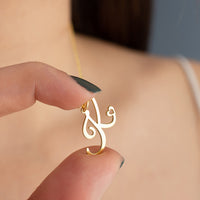
The piece they're describing → Heart Initial Necklace for Women — 18K Gold Plated, Personalized Letter + Heart Pendant
Personalize Yours

