

"Is my citrine real?" is one of the most searched crystal questions online — and the answer is more nuanced than most guides admit. This guide breaks down every variety sold as "citrine" or "yellow quartz," how to identify what you have, and whether it actually matters for your practice.
The 4 Types of Yellow Crystal Sold as "Citrine"
| Type | Mineral | Color | Price | Metaphysical Use |
|---|---|---|---|---|
| Natural citrine | Quartz (SiO₂) with Fe³⁺ | Pale to medium yellow, sometimes greenish-yellow | $$$ (rare) | Full citrine properties |
| Heat-treated amethyst | Quartz (SiO₂) — same mineral | Orange, burnt orange, amber, reddish | $ (very common) | Full citrine properties |
| Lemon quartz | Quartz (SiO₂) — irradiated | Bright yellow-green, consistent color | $ (lab process) | Similar to citrine |
| Dyed quartz / glass | Quartz or glass with surface treatment | Uniform artificial yellow, may chip at edges | Very cheap | Reduced (not mineral-based color) |
Natural Citrine vs Heat-Treated Amethyst (The Main Distinction)
This is what 95% of buyers actually need to know. Both are genuine quartz — the same mineral, the same Mohs 7 hardness, the same chemical formula. The difference is how the iron impurity in the crystal ended up yellow:
- Natural citrine: Iron in the Fe³⁺ state occurred naturally during crystal growth in hydrothermal conditions. Very rare — most geological conditions produce amethyst (purple Fe³⁺) or smoky quartz instead
- Heat-treated amethyst: Amethyst (also iron-bearing quartz) is fired to ~470°C (880°F). The heat changes the iron from the purple-producing site to the yellow-producing site. The result is chemically and mineralogically almost identical to natural citrine
From a metaphysical standpoint, both are iron-bearing quartz. Most crystal healers consider them equivalent for healing purposes because the crystal structure and mineral composition are the same — only the iron's oxidation state differs.
Color as the Primary Identification Tool
Color is the easiest and most reliable way to distinguish types without equipment:
Pale to medium yellow, sometimes with a slightly greenish tint: Natural citrine from Serra do Bahia (Brazil) or Zambia. The most valued collector grade. Color is even throughout the crystal.
Bright orange, burnt orange, amber, or reddish-brown: Heat-treated amethyst. Color is often concentrated at the crystal tips with white or clear base. This is the most common type sold in crystal shops worldwide, often at large sizes for very low prices.
Bright uniform yellow-green with no color zones: Likely lemon quartz — irradiated rock crystal. Good crystal, but not citrine in either the natural or heat-treated sense.
Perfect uniform yellow with chips at edges revealing different color inside: Dyed quartz or glass. The dye doesn't penetrate — chipped or scratched surfaces reveal the colorless interior. Avoid for both healing and collecting.
Price as a Signal
Price tells you a lot:
- Under $5 for a large piece: Almost certainly heat-treated amethyst or lemon quartz. Still a good crystal — don't feel cheated
- $5–$30 for a medium tumbled stone or point: Could be heat-treated amethyst or well-priced natural material
- $30–$80 per carat or $50–$200+ for a single gem-quality specimen: Likely natural citrine, especially if the seller specifies origin (Serra do Bahia, Zambia, Madagascar)
- $1–$3 for a large orange chunk: Heat-treated amethyst, certainly. Fine for crystal healing — expect no collector value
What to Ask a Seller Before Buying
- "Is this natural citrine or heat-treated amethyst?" A reputable seller knows and tells you without hesitation
- "What is the origin?" Natural citrine comes from specific locations: Serra do Bahia (Brazil), Zambia, Colorado (USA), or Madagascar. "Brazil" without a specific region often means heat-treated, since Brazil produces enormous amounts of both
- "Can you show me both ends of the crystal?" Heat-treated amethyst almost always has white or colorless base with color concentrated at tips. Natural citrine is evenly colored throughout
- "Is this dyed or surface-treated?" Any reputable seller should be able to confirm whether the color is natural to the mineral vs applied
Does the Type Matter for Crystal Healing?
The honest answer: for crystal healing purposes, not really. Both natural citrine and heat-treated amethyst are iron-bearing quartz. Both have Mohs 7 hardness. Both exhibit piezoelectric properties. The energetic properties attributed to citrine — abundance, confidence, solar plexus activation, joy — are associated with the mineral composition, not with whether the iron got its yellow color naturally or through heat.
Where it matters: collector value, mineralogical authenticity, and sometimes personal preference if you want to work only with unaltered materials. For everyday crystal healing use, a large orange heat-treated citrine cluster is just as effective as a small natural pale citrine piece — and much more affordable.
Frequently Asked Questions
Is citrine just yellow quartz?
Citrine is technically a yellow variety of quartz (SiO₂) — so yes, in the broad sense it is yellow quartz. The specific distinction: citrine's color comes from iron (Fe³⁺) impurities, naturally or through heat treatment. "Yellow quartz" as a separate category usually refers to pale quartz that doesn't quite qualify as true citrine, or to quartz artificially colored yellow through irradiation or dyeing.
How can I tell if my citrine is real?
Check the color first. Pale lemon-yellow = likely natural citrine. Bright orange or burnt amber = likely heat-treated amethyst (still genuine quartz, still effective). Chips or scratches revealing colorless interior = dyed quartz (avoid). Check the base: heat-treated amethyst has color only at the tips with a white base; natural citrine is evenly colored. Buy from sellers who disclose whether material is natural or heat-treated.
Is heat-treated citrine as good as natural?
For crystal healing, yes — both are iron-bearing quartz with the same mineral structure and piezoelectric properties. For collectors, no — natural citrine is rarer and commands higher prices. Heat-treated amethyst/citrine is not "fake" or inferior for spiritual use; it is a different but equally valid form of the same mineral.
What is lemon quartz vs citrine?
Lemon quartz is rock crystal (colorless quartz) that has been irradiated to produce a bright, consistent yellow-green color. It is a real mineral (still quartz) but the color is artificially induced through radiation, unlike both natural and heat-treated citrine where color comes from iron. Lemon quartz has similar but not identical metaphysical properties.
Can you identify fake citrine at home?
Yes, with some limitations. Scratch test: quartz (Mohs 7) scratches glass. If your "citrine" doesn't scratch glass, it might be glass itself. Check color distribution in raw pieces — surface dye chips or scratches to reveal colorless interior. Note: this test can't distinguish natural from heat-treated citrine, as both are genuine quartz.
Shop Citrine Jewelry at AJLuxe
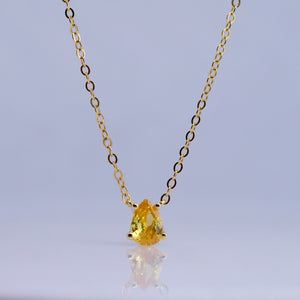
Our citrine water drop pendant necklace in 925 sterling silver keeps this stone close every day. Ready to shop? Browse all citrine necklaces and birthstone jewelry — every piece hypoallergenic, gift-ready, and backed by our 30-day returns.
Final Thoughts
The citrine vs yellow quartz question matters more for collectors than for crystal practitioners. For healing purposes, any form of iron-bearing quartz in the yellow-to-orange range carries citrine's abundance and solar plexus properties. Buy what resonates with you visually, from a seller who is honest about what they're selling.
Ready to wear citrine energy? Our elemental stone charm necklace brings crystal energy into your everyday style.
All third-party trademarks, brand names and product names are the property of their respective owners. AJLuxe is not affiliated with, endorsed by, sponsored by, or otherwise connected to any third-party brand referenced in this article. Brand names are used solely for accurate comparative reference, and material descriptions reflect each brand's own published product specifications at the time of writing.
You Might Also Like
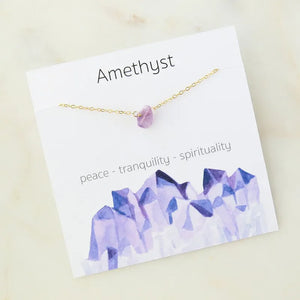
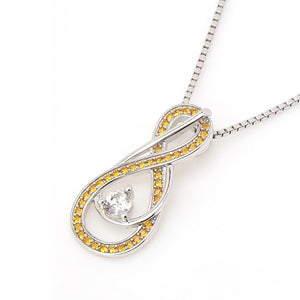
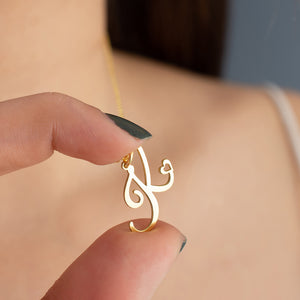
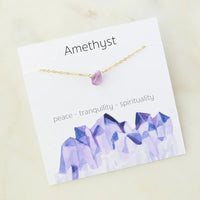
The piece they're describing → Stone Charm Necklace for Women — Raw Natural Gemstone Pendant
Personalize Yours


