


- White gold and yellow gold are the same purity of gold at a given karat (18K is 75% pure gold either way). The color comes entirely from what's alloyed in, not from a different amount of gold.
- White gold is alloyed with palladium or nickel and finished with a rhodium plating layer to reach a bright white color.
- Yellow gold is alloyed with copper and silver, which keeps its natural warm gold tone and requires no plating.
- Price is usually close for the same karat, though white gold can run slightly higher due to the extra rhodium plating process.
- White gold needs rhodium re-plating roughly every 1-2 years; yellow gold has no equivalent maintenance step.
- Nickel-based white gold is a more common allergy trigger than most yellow gold alloys, though this depends on the specific alloy used.
- AJLuxe's catalog is genuine 925 sterling silver with 18K gold plating in either white-toned rhodium or warm yellow gold finishes, not solid white or yellow gold, giving you the color choice without the plating-maintenance cycle of a solid-gold piece.
If you've been comparing white gold vs yellow gold, here's the part most people miss: you're not actually choosing a different quality or purity of gold. An 18K white gold ring and an 18K yellow gold ring both contain exactly 75% pure gold. The only real difference is the alloy mixed into that remaining 25%, and, in white gold's case, a plating layer on top. This guide is a metal-color education piece, not a plating comparison: it covers what actually makes the color difference, how maintenance and durability diverge, how price compares, which tone tends to suit which skin undertone, and which is more likely to bother sensitive skin.
What Actually Makes the Color Difference
Pure gold (24K) is a rich, saturated yellow, too soft on its own for most jewelry, so both white and yellow gold start from the same alloying process: mixing pure gold with other metals to reach a workable hardness at a chosen karat. What diverges is which metals go into that mix.
Yellow gold is typically alloyed with copper and silver. A common 18K yellow gold formula runs roughly 75% gold, 12.5% copper, and 12.5% silver, though the copper-to-silver ratio varies by manufacturer. Copper pushes the color warmer, silver tempers it slightly, and together they keep the alloy close to gold's natural yellow hue rather than shifting it toward another color.
White gold is typically alloyed with palladium or nickel instead. Both are naturally pale, silvery-white metals, and mixing either into gold shifts the resulting alloy toward a pale, slightly warm-grey tone, not gold's natural yellow. That alloy color alone usually isn't bright or reflective enough to read as a crisp white, which is why almost every white gold piece gets a finishing layer of rhodium plating, a separate white precious metal, on top. The rhodium is what gives white gold its bright, mirror-like white finish; the gold-palladium or gold-nickel alloy underneath is closer to a muted pale grey on its own.
White Gold vs Yellow Gold: Composition, Price, and Care Comparison
| Property | White Gold (18K) | Yellow Gold (18K) |
|---|---|---|
| Gold content | 75% pure gold (same as yellow gold at 18K) | 75% pure gold |
| Alloy metals | Palladium or nickel, plus a rhodium plating layer | Copper and silver, no plating needed |
| Resulting color | Bright white from the rhodium finish, over a pale grey alloy | Warm, natural gold tone |
| Price at the same karat | Usually similar, sometimes slightly higher due to the rhodium plating process | Usually similar baseline price |
| Ongoing maintenance | Rhodium re-plating roughly every 1-2 years | None comparable; occasional polishing only |
| Hypoallergenic potential | Depends on alloy: nickel-based is a common allergy trigger, palladium-based is nickel-free | Copper/silver alloys are less associated with nickel allergy, though not every yellow gold piece is nickel-free |
| Flattering undertone | Tends to suit cooler skin undertones | Tends to suit warmer skin undertones |
Maintenance and Durability: Rhodium Re-Plating vs No Plating
This is the most practical difference between the two, and it's a maintenance difference, not a durability difference in the underlying gold. Both alloys, at the same karat, contain identical gold content and comparable hardness. What differs is the finishing layer.
White gold's bright color depends on its rhodium plating, a separate metal layer sitting on top of the gold-palladium or gold-nickel alloy. That layer wears down gradually from daily friction, skin oils, and general handling. Rings typically need re-plating every 12-18 months since they take the most contact; necklaces and earrings can often go 2-3 years between replating sessions. Once the plating thins, the alloy's own pale grey tone starts to show through, which is normal and expected, not a defect, but it is a recurring appointment (and a recurring cost) that white gold owners plan around.
Yellow gold has no equivalent step. Its warm color comes from the copper-and-silver alloy all the way through the metal, not from a surface coating, so there's no plating layer to wear off and nothing to re-apply. Yellow gold jewelry still benefits from an occasional polish to keep its surface bright, but that's cosmetic upkeep, not a maintenance requirement the metal depends on to hold its color.
Does White Gold or Yellow Gold Cost More?
At the same karat, white gold and yellow gold start from an identical base cost, since both contain the same percentage of pure gold, and gold content is the biggest driver of a solid-gold piece's price. From there, white gold can end up slightly more expensive because of the rhodium plating process: rhodium is itself a rare, costly precious metal, and applying it is an extra manufacturing step yellow gold doesn't need. The difference per piece is usually modest rather than dramatic, and design complexity, labor, and gemstones typically matter more to the final price than the white-versus-yellow choice alone.
The bigger cost gap shows up later, in ownership rather than at purchase: white gold's rhodium re-plating is a recurring expense every 1-2 years, while yellow gold has no comparable ongoing cost tied to its color.

Which Is More Hypoallergenic: White Gold or Yellow Gold?
It comes down to the alloy again, and white gold carries the higher risk more often. Nickel is one of the most common ways to whiten gold, and nickel-alloyed white gold typically contains somewhere in the range of 15-20% nickel, which is also the single most common trigger of metal-contact allergies. Once the rhodium plating on a nickel white gold piece wears through, that nickel alloy sits directly against skin, which is usually when irritation shows up. Palladium-based white gold avoids this entirely, since palladium carries no nickel-allergy risk, but not every white gold piece discloses which alloy it uses.
Yellow gold's copper-and-silver alloy is less commonly associated with nickel allergy, since nickel isn't typically needed to achieve gold's natural warm color the way it's used to force gold toward white. That said, "yellow gold" alone isn't an automatic guarantee of being nickel-free; some manufacturers still include trace nickel in the mix, especially at lower karats where more alloy metal is present overall. The practical takeaway is the same for both colors: check that a specific piece is confirmed nickel-free rather than assuming it based on color alone.
Which Suits Which Skin Undertone?
As a general styling guideline, warmer skin undertones (those that tend to look best in warm colors, with veins that read slightly greenish) are usually flattered by yellow gold's warm tone, since the two sit closer together on the color wheel. Cooler skin undertones (veins that read slightly blue or purple, complexions that suit cool colors) are usually flattered by white gold or silver-toned metals, since a cool white tone contrasts more naturally with cool undertones than a warm yellow does. Neutral undertones tend to wear either tone comfortably.
This is a general styling rule of thumb rather than a strict law. Personal preference, skin tone (as opposed to undertone), and the specific design of a piece all matter too, and plenty of people wear both gold tones regardless of undertone. If you're genuinely unsure which suits you, holding both a warm-toned and a cool-toned piece up against your wrist or neckline in natural light is a more reliable test than any single rule.
Why AJLuxe Offers Both Tones as Gold-Plated Sterling Silver
AJLuxe's catalog is genuine 925 sterling silver, with 18K gold plating available in either a warm yellow gold finish or a white-toned rhodium finish, not solid white or yellow gold. That's a deliberate design choice, not a lesser substitute: it means you can choose whichever tone actually suits you, warm or cool, without taking on the ongoing rhodium re-plating cycle that solid white gold requires, and without paying majority-gold pricing for a color choice that, as this guide covers, comes down to alloy and finish rather than gold purity itself.
It also means switching tones is realistic in a way it isn't with solid gold: if you want to try yellow one season and white the next, gold-plated sterling silver makes that an affordable decision rather than a second solid-gold purchase.
Common Myths About White Gold and Yellow Gold
- "White gold is a higher purity or higher quality gold than yellow gold." Not true. At the same karat, they contain the exact same percentage of pure gold. The color is purely a function of the alloy and finish, not a purity difference.
- "White gold is naturally white without any plating." Usually not. The gold-palladium or gold-nickel alloy on its own tends to read as a pale, slightly warm grey. The bright white most people picture comes from a rhodium plating layer on top.
- "Yellow gold never needs any care." It benefits from occasional polishing like any jewelry, but it has no plating layer to wear through, which is the specific maintenance step that sets white gold apart.
- "All white gold contains nickel." Not necessarily. Palladium-based white gold is a genuinely nickel-free alternative, though the alloy isn't always disclosed on a listing, so it's worth asking if allergies are a concern.
Keep Reading
- Hypoallergenic White Gold Jewelry: What to Know Before You Buy
- White Gold vs Silver: What's the Real Difference?
- The Complete Guide to Jewelry Metals
- Jewelry for Your Skin Tone: A Styling Guide
- 18K vs 14K Gold Plating: What's the Difference?
Shop This Guide
Shop the adjustable minimalist ring in your choice of gold or rhodium (white) plating at AJLuxe
Shop Our Adjustable Minimalist Ring, Gold or Rhodium PlatedFrequently Asked Questions
Is white gold or yellow gold better?
Neither is objectively better; they contain identical gold content at the same karat. The right choice comes down to which color you prefer, whether you want to take on white gold's rhodium re-plating maintenance, and which tone suits your skin undertone.
Is white gold more expensive than yellow gold?
At the same karat, they're usually close in price since both contain the same amount of pure gold. White gold can run slightly higher due to the extra rhodium plating step, but design, labor, and gemstones typically affect price more than the color choice alone.
Does white gold turn yellow over time?
The gold alloy itself doesn't change color, but as the rhodium plating on top wears thin, usually within 1-2 years, the pale grey tone of the underlying gold-palladium or gold-nickel alloy can start to show through, which looks like a shift away from bright white.
Why does white gold need rhodium plating and yellow gold doesn't?
White gold's alloy metals (palladium or nickel) shift gold's natural yellow toward a muted, slightly warm grey, not a bright white, so a rhodium plating layer is added to reach the crisp white finish buyers expect. Yellow gold's copper-and-silver alloy stays close to gold's own warm color, so no plating is needed to achieve it.
Which is more hypoallergenic, white gold or yellow gold?
It depends on the specific alloy. Nickel-based white gold is a more common allergy trigger than most yellow gold, since nickel isn't typically needed to achieve yellow gold's color. Palladium-based white gold is nickel-free and comparably safe to most yellow gold alloys, so checking the specific alloy matters more than the color category.
Does yellow gold ever need re-plating?
No, not for its color. Solid yellow gold's warm tone runs through the entire alloy rather than sitting in a surface layer, so there's nothing to wear through the way rhodium plating wears off white gold. An occasional polish keeps the surface bright, but that's cosmetic, not a maintenance requirement.
Is 18K white gold the same purity as 18K yellow gold?
Yes. Both are 75% pure gold by weight. The karat number reflects gold purity only; it has nothing to do with color, which comes entirely from the alloy metals mixed in and, for white gold, the rhodium plating on top.
Which gold color suits warm skin tones?
As a general styling guideline, warmer skin undertones tend to be flattered by yellow gold's warm tone, since the two sit closer together on the color spectrum. It's a rule of thumb rather than a strict rule, and personal preference matters too.
Can I switch between white gold and yellow gold jewelry?
With solid gold, switching tones means buying a separate piece in each color, since a piece's alloy is fixed at manufacturing. Gold-plated sterling silver options, like AJLuxe's, let you choose a gold or rhodium finish on the same style, making it more affordable to try both tones.
Does the alloy affect how hard or durable the gold is?
Slightly, but both white and yellow gold at the same karat are workable, everyday-durable metals; the alloy metal affects color and, in white gold's case, the need for plating far more than it affects overall hardness at a given karat.
Final Thoughts
White gold and yellow gold are the same gold underneath: identical purity at a given karat, with the entire visual difference coming from the alloy mixed in and, for white gold, a rhodium plating layer on top. That single fact explains almost everything else: why prices are usually close, why white gold needs periodic re-plating and yellow gold doesn't, and why "which is more hypoallergenic" really depends on the specific alloy rather than the color. If you want the flexibility to choose either tone, or both, without taking on solid gold's price or white gold's maintenance cycle, AJLuxe's 18K gold-plated and rhodium-plated 925 sterling silver pieces give you the color choice honestly, as a plated alternative, not a claim to be solid gold. Check the hallmark or the listing before you buy, and now you know exactly what each color is actually made of.
Toutes les marques, noms de marque et noms de produits tiers sont la propriété de leurs détenteurs respectifs. AJLuxe n’est affilié à aucune marque tierce citée dans cet article, ni approuvé ou sponsorisé par celle-ci. Les noms de marque sont utilisés uniquement à des fins de comparaison factuelle, et les descriptions de matériaux reflètent les spécifications produit publiées par chaque marque au moment de la rédaction.
You Might Also Like
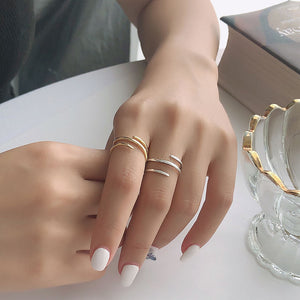
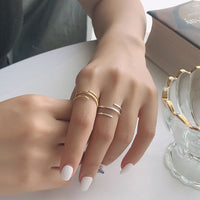
The piece they're describing → Bague minimaliste ajustable pour femmes — Argent sterling 925, Plaqué or ou rhodium
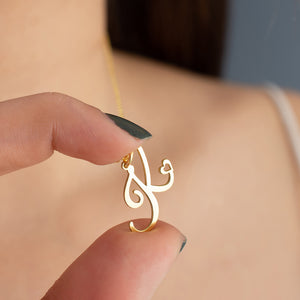
Personalize Yours


