


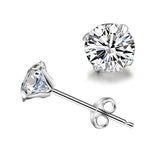

- White gold is solid gold (usually 18K, 75% pure gold) alloyed with white metals, most often nickel or palladium, then finished with a rhodium plating layer for its bright white color.
- Sterling silver is 92.5% pure silver alloyed with 7.5% other metal, almost always copper. It's naturally silver-white with no plating required.
- Price is not close: white gold costs far more per gram since it's still mostly gold, while sterling silver runs a fraction of the price.
- White gold's rhodium plating wears thin in roughly 1-2 years and needs re-plating, or the warmer gold underneath starts to show through. Sterling silver tarnishes but polishes back to a bright shine.
- Nickel-based white gold is one of the most common metal-allergy triggers. Nickel-free sterling silver is one of the safer everyday choices for sensitive skin.
- AJLuxe's catalog is genuine, nickel-free 925 sterling silver, not solid white gold, built as the practical, budget-friendly way to get a similar cool-toned look.
If you've been comparing white gold vs silver, you're not alone; this is one of the most common mix-ups in jewelry shopping. Many people assume "white gold" and "silver" are just two names for the same pale metal. They're not. White gold is a gold alloy, meaning it's mostly gold by weight, alloyed with white-colored metals and then plated to look fully white. Sterling silver contains no gold at all; it's a silver alloy that's naturally light and cool-toned on its own. That difference in what each metal actually is drives every other difference between them: price, durability, upkeep, and who each one tends to irritate. This guide breaks down the real composition of each metal, why white gold costs so much more, how each one ages, which is more hypoallergenic, and where sterling silver fits as an honest, less expensive alternative.
What "White Gold" and "Silver" Actually Mean
White gold is not a separate metal from yellow gold; it's the same gold, alloyed differently. Pure gold (24K) is naturally yellow. To make white gold, jewelers alloy pure gold with white-colored metals, most commonly nickel or palladium, which dilutes and shifts the color toward a pale, slightly warm-grey tone. An 18K white gold piece is still 75% pure gold by weight (18 out of 24 karats), with the remaining 25% made up of the whitening alloy metals. That alloy alone usually isn't bright white enough on its own, which is why almost every piece of white gold jewelry gets a final layer of rhodium plating, a separate white metal, to achieve the bright, reflective finish people expect.
Sterling silver is a completely different metal with no gold content whatsoever. It's 92.5% pure silver alloyed with 7.5% other metal, almost always copper, added purely for hardness since pure silver is too soft to hold a shape. Silver is naturally white-grey; it doesn't need a rhodium layer to look silver, though some sterling pieces are rhodium-plated anyway for extra tarnish resistance and shine. The two metals can look similar side by side, especially freshly polished, but "white gold" always means gold underneath, and "silver" never does.
White Gold vs Silver: Composition and Price Comparison
| Property | White Gold (18K) | Sterling Silver (925) |
|---|---|---|
| Composition | 75% pure gold + 25% white alloy metal (nickel or palladium), finished with rhodium plating | 92.5% pure silver + 7.5% other metal, usually copper |
| Contains gold? | Yes, majority gold by weight | No gold content |
| Relative price | Significantly higher, priced mainly on gold content plus labor | A fraction of the cost, priced mainly on craftsmanship since silver's raw material cost is low |
| Color source | Alloy metal shifts gold's natural yellow toward white, then rhodium plating brightens it further | Naturally white-grey with no plating required |
| Maintenance | Rhodium plating needs renewing roughly every 1-2 years as it thins | Tarnishes over time but polishes back to shine with a cloth |
| Hypoallergenic potential | Depends on alloy: nickel-based white gold is a common allergy trigger; palladium-based white gold is nickel-free | Nickel-free sterling silver is one of the safer everyday options for sensitive skin |
| Typical hallmark stamp | "18K," "750," or "WG" | "925," "S925," or "Sterling" |
Why White Gold Costs So Much More Than Silver
White gold is expensive because it's still mostly gold. An 18K white gold ring is 75% pure gold by weight, and gold's raw material cost dwarfs silver's, even before labor and finishing are added. Sterling silver contains no gold at all, so its base material cost is a small fraction of what a comparable gold piece requires. That single fact, gold content versus none, is the biggest reason white gold and sterling silver pieces of similar size and design can differ in price many times over.
The rhodium plating step adds a further, smaller cost difference. Rhodium is itself a rare and costly precious metal, and the plating process is an extra manufacturing step most white gold pieces require to reach their signature bright-white finish. Some sterling silver jewelry is also rhodium-plated for extra shine and tarnish resistance, but it's optional for silver in a way it effectively isn't for white gold, since unplated white gold alloy on its own tends to read as a dull, slightly warm grey rather than a crisp white.
How White Gold and Silver Look Over Time
White gold's biggest maintenance issue is what happens once the rhodium plating wears through. Rhodium is a thin surface layer, not part of the gold alloy itself, and daily wear, friction, and skin oils gradually thin it out. As it wears, the warmer, slightly yellow-grey tone of the underlying gold alloy starts to show through, especially at edges and high-contact points like the underside of a ring. Rings typically need re-plating every 12-18 months since they take the most friction, while necklaces and earrings can often go 2-3 years between replating sessions. Re-plating is a normal, expected part of white gold ownership, not a sign of a defective piece, but it is a recurring cost that silver doesn't carry.
Sterling silver ages differently: it tarnishes. The copper in the alloy reacts slowly with trace sulfur compounds in the air, forming a yellow-to-gray-to-black surface film over weeks or months depending on humidity and how often the piece is worn. Unlike a worn-through rhodium layer, tarnish is fully reversible with a polishing cloth or a gentle silver-cleaning solution; it doesn't expose a different-colored metal underneath, since the tarnish sits on top of the same silver all the way through. In practice this makes silver's upkeep cheaper and more forgiving: a five-minute polish restores the original color, where white gold eventually needs a professional re-plating to do the same job.
Which Is More Hypoallergenic: White Gold or Silver?
It depends entirely on the alloy, and this is where white gold has a real reputation problem. The most common way to whiten gold is with nickel, and nickel-alloyed white gold typically contains somewhere in the range of 15-20% nickel. Nickel is also the single most common trigger of metal-contact allergies, and once the rhodium plating on a nickel white gold piece wears through, that nickel alloy comes into direct contact with skin, which is when the itching, redness, or rash shows up. A gentler alternative exists: palladium-based white gold swaps nickel for palladium, usually around 20-35% of the alloy, and contains no nickel at all, making it a genuinely hypoallergenic form of white gold. The catch is that not every white gold piece discloses which alloy it uses, so "white gold" alone doesn't tell you which version you're getting.
Sterling silver's hypoallergenic reputation depends on the same kind of formulation choice. Standard sterling silver's 7.5% alloy is usually copper, not nickel, but lower-quality or silver-tone costume pieces sometimes substitute a nickel-containing alloy to cut costs, so a genuine nickel-free formulation still needs to be confirmed rather than assumed. When it is nickel-free, sterling silver sits in the same low-risk category as palladium white gold: no nickel, low irritation risk, and safe for the vast majority of people with sensitive skin, at a fraction of the cost of sourcing a palladium-based white gold piece.
How to Read the Hallmark
The hallmark, a small stamp usually found on the inside of a ring band, the back of a pendant, or near a clasp, is the fastest way to confirm what a piece is actually made of. Look for:
- "18K," "14K," "750," or "585": solid gold, with the karat or millesimal number telling you the gold purity (750 = 18K = 75% pure gold, 585 = 14K = 58.5% pure gold). A "WG" alongside it typically indicates white gold specifically.
- "925," "S925," or "Sterling": sterling silver, 92.5% pure silver.
- "GP" or "Gold Plated": a base metal or silver core with a thin gold coating, not solid gold. A different category entirely, and it wears through with use.
- No stamp at all: a red flag on any piece marketed as solid gold or sterling silver. Legitimate pieces almost always carry a purity stamp.
If a piece is stamped "18K" or "750" with no color qualifier, don't assume it's yellow; white gold and rose gold are stamped with the same karat numbers as yellow gold, since the number only reflects gold purity, not color. The color comes from the alloy and, in white gold's case, the rhodium plating on top.
Why AJLuxe Builds With Sterling Silver, Not White Gold
AJLuxe's catalog is genuine, nickel-free 925 sterling silver, not solid white gold, and that's a deliberate choice rather than a lesser substitute. If what you actually want is white gold's cool, bright tone without the ongoing rhodium re-plating cycle or the price tag that comes from a majority-gold alloy, nickel-free sterling silver delivers a very similar look at a fraction of the cost. It won't ever "wear through" to reveal a different-colored metal underneath the way white gold does once its plating thins, since the silver-white color runs through the entire piece rather than sitting in a surface layer.
That doesn't make sterling silver a direct swap for white gold in every situation; white gold is solid gold and carries the resale and status associations that come with that, which sterling silver doesn't try to replicate. But for everyday jewelry you actually want to wear without babysitting a plating schedule, nickel-free 925 sterling silver is the practical alternative, not a downgrade dressed up as one.
Which Should You Buy?
If gold content, resale value, or a specific white gold piece is the point, buy white gold and budget for rhodium re-plating roughly every 1-2 years as part of owning it. If you want the same cool-toned, bright white look for jewelry you'll wear daily, without the recurring re-plating cost or the price of a majority-gold alloy, nickel-free 925 sterling silver is the practical choice, and it's what AJLuxe builds its entire silver line around.

Common Myths About White Gold and Silver
- "White gold and silver are the same metal." They're not. White gold is a gold alloy, majority gold by weight. Sterling silver contains no gold at all. They can look similar but are chemically and economically different materials.
- "White gold never needs maintenance because it's gold." Almost the opposite. The rhodium plating that gives white gold its bright color is a surface layer that wears thin over roughly 1-2 years and needs renewing, a maintenance cost silver doesn't carry.
- "Sterling silver is a cheap imitation of white gold." No. Sterling silver is a defined, industry-standard alloy in its own right, not a stand-in for gold. It's simply a different, less expensive metal that happens to share white gold's cool tone.
- "All white gold contains nickel." Not necessarily. Nickel is the most common whitening alloy, but palladium-based white gold exists specifically as a nickel-free alternative. The alloy isn't always disclosed, so it's worth asking if allergies are a concern.
Keep Reading
- Is 925 Silver Real Silver?
- What Does 925 Mean on Jewelry?
- Hypoallergenic White Gold Jewelry: What to Know Before You Buy
- The Complete Guide to Jewelry Metals
- White Gold vs Yellow Gold: What's the Real Difference?
Shop This Guide
Shop genuine, nickel-free 925 sterling silver at AJLuxe
Shop Our 925 Sterling Silver CZ Stud EarringsFrequently Asked Questions
Is white gold the same as silver?
No. White gold is a solid gold alloy, usually 18K (75% pure gold) mixed with white metals like nickel or palladium and finished with rhodium plating. Sterling silver is 92.5% pure silver with no gold content at all. They can look similar, especially freshly polished, but they're chemically and economically different metals.
Which is more expensive, white gold or silver?
White gold is significantly more expensive because it's still majority gold by weight, and gold's raw material cost is far higher than silver's. Sterling silver contains no gold, so it runs a fraction of the price of a comparable white gold piece.
Does white gold turn yellow?
The white gold alloy itself doesn't turn yellow, but as its rhodium plating wears thin over time, usually within 1-2 years, the slightly warmer, gray-yellow tone of the underlying gold alloy can start to show through. Re-plating restores the bright white finish.
Is sterling silver more hypoallergenic than white gold?
It depends on the specific alloy of each. Nickel-based white gold is a common allergy trigger, while nickel-free sterling silver and palladium-based white gold are both low-risk options for sensitive skin. Checking that a piece is genuinely nickel-free matters more than which metal category it falls into.
Can you wear white gold and silver together?
Yes. Since both metals read as a similar cool, bright white tone, white gold and silver pieces mix easily without clashing, unlike pairing a warm yellow gold piece with a cool-toned one.
How do I tell white gold from silver by the hallmark?
Look for the stamp. White gold is marked with a karat or millesimal number like "18K," "14K," "750," or "585," sometimes with "WG" alongside it. Sterling silver is marked "925," "S925," or "Sterling." The numbers mean very different things: gold purity versus silver purity.
Why does white gold need rhodium plating if it's already white?
The alloy metals used to whiten gold (nickel or palladium) shift its color toward a pale, slightly warm grey, but usually not a bright, reflective white on their own. A rhodium plating layer, a separate white precious metal, is added on top to achieve the crisp white finish most buyers expect from white gold.
Does sterling silver tarnish faster than white gold discolors?
They aren't really comparable processes. Sterling silver tarnishes gradually as its copper alloy reacts with sulfur in the air, and it polishes back to shine easily. White gold doesn't tarnish in the same way; instead its rhodium surface layer physically wears down over roughly 1-2 years, which requires professional re-plating rather than a simple polish.
Is sterling silver a good substitute for white gold?
For everyday jewelry, yes. Nickel-free sterling silver delivers a very similar cool, bright tone to white gold without the ongoing rhodium re-plating cost or the price premium of a majority-gold alloy. It isn't a substitute for white gold's gold content or resale value, but for wearability and look, it's a practical, honest alternative.
How much white gold is actually gold?
An 18K white gold piece is 75% pure gold by weight, with the remaining 25% made up of white alloy metals like nickel or palladium. 14K white gold is 58.3% pure gold. The karat number always reflects gold content, regardless of the piece's color.
Final Thoughts
White gold and silver share a similar look but almost nothing else. White gold is solid gold, majority gold by weight, alloyed with white metals and finished in rhodium plating that needs periodic renewal. Sterling silver contains no gold at all; it's a separate, far less expensive alloy that's naturally white and simply needs an occasional polish rather than a re-plating appointment. Neither metal is "better" in an absolute sense, but if what you're actually chasing is the cool, bright look rather than gold content itself, nickel-free 925 sterling silver gets you there at a fraction of the cost, which is exactly why AJLuxe builds its silver line around it. Check the hallmark before you buy, and now you know exactly what it's telling you.
Toutes les marques, noms de marque et noms de produits tiers sont la propriété de leurs détenteurs respectifs. AJLuxe n’est affilié à aucune marque tierce citée dans cet article, ni approuvé ou sponsorisé par celle-ci. Les noms de marque sont utilisés uniquement à des fins de comparaison factuelle, et les descriptions de matériaux reflètent les spécifications produit publiées par chaque marque au moment de la rédaction.
You Might Also Like
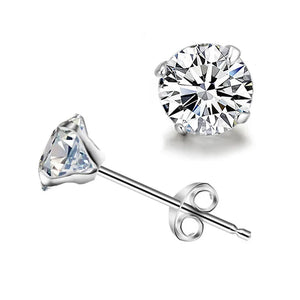
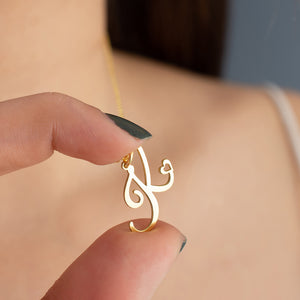
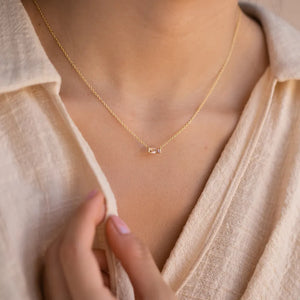
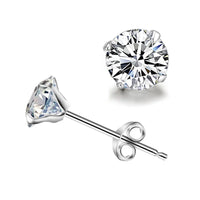
The piece they're describing → Puces d'oreilles en oxyde de zirconium pour femme — Argent sterling 925, oxyde de zirconium, hypoallergéniques
Personalize Yours


