


Is 14K gold plated jewelry worth it? For most people shopping for everyday pieces, the answer is yes — as long as you know what you're actually buying. 14K gold plated jewelry is a base metal coated with a thin layer of 14-karat gold (58.3% pure gold), and it gets you the look of real gold at a fraction of the price of solid gold. This guide breaks down the real numbers on durability, cost, and value so you can decide with confidence.
In This Guide
- What "14K Gold Plated" Actually Means
- How Long It Actually Lasts
- 14K Plated vs 18K Plated vs 10K Plated vs Solid 14K Gold
- Cost: Plated vs Solid Gold
- Resale Value — The Honest Truth
- Who 14K Gold Plated Is Right For
- How to Make It Last Longer
- FAQ
- Final Thoughts
What "14K Gold Plated" Actually Means
14K gold plated jewelry is a base metal — usually brass, stainless steel, or sterling silver — coated with a thin layer of 14-karat gold. The "14K" describes the purity of the gold used in the plating solution: 14 out of 24 parts pure gold, or 58.3% gold by weight. The base metal underneath is not gold, and it never becomes gold no matter how the piece is cared for.
This is different from a few commonly confused terms:
- Solid 14K gold — the entire piece is 58.3% gold, all the way through. Heavier, and significantly more expensive.
- Gold filled — a thick, mechanically bonded layer of gold (often 14K) that must legally represent at least 1/20th (5%) of the item's total weight.
- Gold vermeil — a sterling silver base with a minimum 10K gold plating of at least 2.5 microns, regulated by the FTC.
- Gold plated — any base metal with any thickness of gold, typically 0.5 to 3 microns, and no legally mandated minimum.
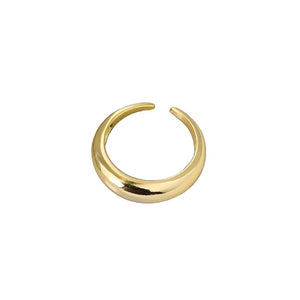
AJLuxe's Minimalist Gold Ring is a good example of doing this right — a 925 sterling silver base means that even as the plating naturally wears, what's underneath is still a hypoallergenic precious metal, not bare brass.
How Long 14K Gold Plated Jewelry Actually Lasts
Durability comes down almost entirely to two factors: plating thickness (measured in microns) and the base metal underneath. The karat number affects color, not lifespan.
| Plating Thickness | Category | Typical Lifespan (daily wear) |
|---|---|---|
| 0.5 microns or less | Flash plated / cheap costume jewelry | Days to a few weeks |
| 0.5 – 1.0 microns | Standard gold plated | 1 – 6 months |
| 1.0 – 2.5 microns | Thick plated / fashion jewelry | 6 – 18 months |
| 2.5 microns+ | Vermeil-standard plating over sterling silver | 1 – 3 years |
A 14K plated piece with thicker plating over a sterling silver base — like AJLuxe's Minimalist Gold Ring — will consistently outlast a thin-plated piece over brass, even if both are labeled "14K gold plated." Always check the base metal, not just the karat number, before you buy.

14K Plated vs 18K Plated vs 10K Plated vs Solid 14K Gold
Here's how the main options stack up side by side:
| Type | Gold Content | Typical Cost | Durability | Best For |
|---|---|---|---|---|
| 10K Gold Plated | 41.7% pure gold in plating layer | $15 – $45 | Slightly harder plating, lighter color | Budget fashion pieces, kids' jewelry |
| 14K Gold Plated | 58.3% pure gold in plating layer | $25 – $80 | Moderate — best cost/durability balance | Everyday wear, gifts, 1-3 year pieces |
| 18K Gold Plated | 75% pure gold in plating layer | $30 – $95 | Slightly softer plating, richest color | Special-occasion pieces, deeper gold tone |
| Solid 14K Gold | 58.3% pure gold throughout | $400 – $2,500+ | Lifetime — can be resized, repaired, polished indefinitely | Engagement rings, heirlooms, daily-wear investment pieces |
Note that gold content in the plating layer does not scale durability the way it does with solid gold — the deciding factor for how long any plated piece lasts is the thickness of that layer in microns, not the karat.
Cost: Plated vs Solid Gold
The price gap between plated and solid gold is enormous, and it's the main reason plated jewelry exists as a category. A well-made 14K gold plated ring typically runs $25 to $80. The same design in solid 14K gold can run $400 to $2,500 or more, depending on weight and design complexity, because you're paying for gold content across the entire piece rather than a microns-thin surface layer.
That price gap is exactly why AJLuxe's Minimalist Gold Ring exists in the lineup — it gives you a genuine gold-toned piece for stacking or everyday wear without the solid-gold price tag, while still using a hypoallergenic sterling silver base instead of cheap brass.

Resale Value — The Honest Truth
This is the part most gold-plated sellers don't want to talk about: 14K gold plated jewelry has essentially no resale or scrap value. The amount of actual gold in a plated piece is measured in fractions of a gram spread across the entire surface — nowhere near enough for a gold buyer or refiner to weigh and pay out for. If you're looking for jewelry that holds monetary value or can be sold back later, solid 14K gold is the only option in this comparison that qualifies. Plated jewelry should be evaluated purely on style and cost-per-wear, not as a store of value.
Who 14K Gold Plated Jewelry Is Right For
It's a smart buy if:
- You want to try a trend or style before committing to solid gold
- You're buying a gift in the $25-60 range
- You like rotating your jewelry seasonally or by outfit
- You want a hypoallergenic sterling-silver-based option, like AJLuxe's Minimalist Gold Ring, that still feels substantial
Skip it if:
- You want a piece to pass down as an heirloom
- You're buying an engagement or wedding ring you'll wear daily for decades
- You expect the jewelry to hold or grow in value
- You have significant metal sensitivities and the base metal isn't disclosed
Curious how a specific mainstream brand stacks up? See our Is Pandora Jewelry Worth It? review, since Pandora's gold-toned pieces use this same 14K plating approach.
How to Make 14K Gold Plated Jewelry Last Longer
Plating thickness is fixed at the time of manufacturing, but how you treat the piece has a real effect on how long it looks good:
- Remove jewelry before showering, swimming, or washing dishes
- Apply lotion, perfume, and hairspray before putting jewelry on, not after
- Store pieces separately in a soft pouch to prevent scratching from other jewelry
- Wipe with a soft, dry cloth after wearing to remove oils and sweat residue
- Avoid ultrasonic cleaners and abrasive polishing cloths, which strip plating faster
Following this routine can meaningfully extend a piece from the low end of its lifespan range toward the high end — the difference between 6 months and 2+ years often comes down to these basics.
FAQ
Is 14K gold plated jewelry worth buying?
For most everyday shoppers, yes — 14K gold plated jewelry is worth buying if you understand what you're getting: a base metal (usually brass, stainless steel, or sterling silver) coated with a thin layer of 14-karat gold, which is 58.3% pure gold. It gives you the color and look of gold jewelry at a fraction of the price, and it is a smart choice for pieces you plan to wear for 1 to 3 years or rotate through your collection. It is not the right choice if you want an heirloom piece or expect resale value.
Does 14K gold plated jewelry tarnish?
Yes. All gold-plated jewelry eventually tarnishes or fades because the plating layer is only microns thick and wears away with friction, sweat, lotion, and moisture exposure. How fast depends on the plating thickness and base metal — 14K plating over sterling silver with a thicker micron layer holds up noticeably longer than thin flash plating over brass.
How long does 14K gold plated jewelry last?
Most 14K gold plated jewelry lasts 1 to 3 years with regular wear and proper care, and up to 5 years for higher-quality pieces with thicker plating (1.5 microns or more) over a sterling silver base. Cheap flash-plated pieces under 0.5 microns can start showing base metal in a matter of weeks.
What is the difference between 14K gold plated and 18K gold plated?
The karat number refers to the purity of the gold used in the plating solution, not the thickness or durability of the plating. 14K gold plating is 58.3% pure gold; 18K gold plating is 75% pure gold. 18K plating produces a richer, warmer yellow tone, while 14K plating looks slightly lighter and is marginally harder because it contains more alloy metal. Neither karat number tells you how long the plating will last — that comes down to micron thickness and base metal, not purity.
Is 14K gold plated the same as 14K gold?
No. Solid 14K gold jewelry is 58.3% pure gold all the way through — every gram of metal in the piece is that alloy. 14K gold plated jewelry is a base metal, not gold, with a microns-thin coating of 14K gold on the surface only. Scratch through the plating and you will find the base metal underneath, not gold.
Does 14K gold plated jewelry have any resale value?
Realistically, no. Gold buyers and refiners deal in melt value, and the amount of actual gold in a plated piece is too small to weigh or pay out for — most gold-plated items contain a fraction of a gram of gold spread across the entire surface. Treat 14K gold plated jewelry as a fashion purchase, not an investment; solid 14K gold is the option that holds resale value.
Can I shower or swim with 14K gold plated jewelry?
It is not recommended. Chlorine, salt water, and even tap water minerals accelerate plating wear and can cause discoloration, especially on thinner plating. Removing plated jewelry before showering, swimming, or applying lotion and perfume is the single biggest thing you can do to extend its life.
Is 14K gold plated jewelry hypoallergenic?
It depends entirely on the base metal, not the plating. Gold itself is hypoallergenic, but a thin gold layer is not enough to fully block a reactive base metal like brass or a nickel alloy from touching skin once the plating starts to wear. 14K gold plating over 925 sterling silver is a safer bet for sensitive skin than plating over brass, because the base metal underneath is hypoallergenic too.
Can 14K gold plated jewelry be replated?
Yes, most plated jewelry can be replated by a jeweler once the original layer wears thin, typically for $20 to $60 per piece depending on size and the jeweler. This only makes financial sense for pieces you love and plan to keep — for lower-cost fashion pieces, replacement is often cheaper than replating.
Is 14K or 18K gold plating better for everyday wear?
For durability specifically, 14K plating has a very slight edge because the higher alloy content makes it marginally harder — but the difference is small enough that it rarely matters in practice. Micron thickness and base metal quality affect how long plated jewelry lasts far more than whether the plating itself is 14K or 18K.
For the bigger-picture comparison — how demi-fine pieces like gold plated jewelry stack up against solid-gold fine jewelry across price, durability, and resale — read demi-fine vs fine jewelry.
Final Thoughts
14K gold plated jewelry is worth it for what it actually is: an affordable, gold-toned option for everyday wear, gifting, and style experimentation — not a substitute for solid gold if you want lasting value or heirloom quality. The key is buying from a base metal you trust. A sterling silver base, like the one under AJLuxe's Minimalist Gold Ring, means the piece stays hypoallergenic and doesn't turn into bare brass the moment the gold layer starts to wear. For the deeper technical breakdown of coating durability, see our PVD vs gold plated comparison guide. And if you are wondering whether the gold in that plating layer is even real to begin with, our guide on is gold plated jewelry real gold breaks down exactly what is happening at the microscopic level.
Shop This Guide
Minimalist Gold Ring — 925 Sterling Silver, 14K Gold Plated — .99, hypoallergenic sterling silver base, designed to stack or wear solo.
Comparing karats? See our full 14K vs 18K gold comparison and 10K vs 14K vs 18K gold guide for a deeper look at solid gold differences. If you're specifically weighing 18K gold plated jewelry, read our Is 18K Gold Plated Jewelry Worth It? guide.
Written by the AJLuxe team — specialists in personalized sterling silver jewelry. Last updated: July 2026.
Sources: GIA, Jewelers of America, American Academy of Dermatology.
Related reading: Jewelry With Opals: The Complete Buying Guide (2026).
Related reading: Jewelry From Costco: Is It Actually Worth Buying? (2026 Guide).
Related reading: Gold Cross Pendant Necklace: A 2026 Buying Guide.
Related reading: Necklace for a Man: The Complete Buying Guide (2026).
Related reading: Best Friend Necklaces for Three (2026): The Complete Buying Guide.
Related reading: Best Friend Necklaces for Adults: A 2026 Buying Guide.
Related reading: Best Stretch Cord for Bracelets: The Complete Buying Guide (2026).
Related reading: Best 14K Gold Huggie Earrings: A Buyer's Guide (2026).
Related reading: Is Gold-Filled Jewelry Hypoallergenic? What the Base Metal Actually Tells You (2026).
Related reading: JAXXON vs GLD: Which Gold Chain Brand Is Actually Worth It? (2026).
Related reading: Best Earrings Under $30 (2026): What's Actually Worth Buying.
Related reading: Best Birthstone Necklaces Under $60 (2026): 4 Picks Worth Buying.
Related reading: Pearl and Gold Drop Earrings: The Complete 2026 Buying Guide.
Related reading: Promise Rings for Her in Gold: The Complete Buying Guide (2026).
Toutes les marques, noms de marque et noms de produits tiers sont la propriété de leurs détenteurs respectifs. AJLuxe n’est affilié à aucune marque tierce citée dans cet article, ni approuvé ou sponsorisé par celle-ci. Les noms de marque sont utilisés uniquement à des fins de comparaison factuelle, et les descriptions de matériaux reflètent les spécifications produit publiées par chaque marque au moment de la rédaction.
You Might Also Like


The piece they're describing → Bague Minimaliste en Or pour Femme — Argent Sterling 925, Plaqué Or 14 Carats, Bande Fine
Personalize Yours


