


Die kurze Antwort
„Anlaufbeständig" ist eine Materialfrage, keine Frage der Markentreue. Die Oberflächen, die tatsächlich gegen Anlaufen resistent sind, sind PVD-beschichteter Edelstahl, Gold Filled, massives Gold und 18-karätig vergoldetes 925er Sterlingsilber – alles, was über Messing oder Zink beschichtet ist, verfärbt sich, sobald die Beschichtung dünn wird. Wählen Sie das Material passend zur Tragesituation: Für Alltagsschmuck, den Sie beim Duschen und Schwitzen tragen, gewinnen Edelstahl-PVD- oder Gold-Filled-Marken wie Hey Harper und Ellie Vail; für einen eleganteren, hypoallergenen Look halten 18-Karat-Gold-über-Sterlingsilber-Linien wie AJLuxe und Mejuri stand. Ignorieren Sie das Wort „anlaufbeständig" auf dem Etikett und lesen Sie stattdessen das Basismetall.
Wer nach den besten anlaufbeständigen Schmuckmarken sucht, stößt meist auf zwei sehr unterschiedliche Arten von Ergebnissen: Influencer-artige Markenlisten, die nie erklären, warum ein Stück nicht anläuft, und Materialerklärungen, die nie eine einzige Marke nennen, bei der man tatsächlich einkaufen kann. Dieser Ratgeber macht beides. Wir schlüsseln auf, welche Materialien wirklich anlaufbeständig sind (und welche nur so vermarktet werden), vergleichen die am häufigsten empfohlenen Marken für nicht anlaufenden Schmuck – einschließlich der ehrlichen Einordnung von AJLuxe – und geben Ihnen eine Checkliste, um eine echte Anti-Anlauf-Beschichtung von einer hoffnungsvollen Produktbeschreibung zu unterscheiden.
Zwei Dinge, die die meisten „anlaufbeständiger Schmuck"-Übersichten komplett auslassen: wie man ein Anlaufversprechen vor dem Kauf überprüft (nicht erst, wenn der Finger grün wird), und die Tatsache, dass „wasserfest" und „anlaufbeständig" nicht dasselbe Versprechen sind. Wir behandeln beides.

Was Schmuck wirklich anlaufbeständig macht
Anlaufen ist eine chemische Reaktion – die Metalloberfläche oxidiert, wenn sie mit Feuchtigkeit, Schweiß, Luft und den Schwefelverbindungen in Lotionen und Parfums in Kontakt kommt. Ein Stück ist anlaufbeständig, entweder weil das Metall selbst nicht leicht oxidiert (massives Gold, Platin, Titan) oder weil eine widerstandsfähige Schutzschicht Luft und Feuchtigkeit von einem reaktiveren Basismetall fernhält. In dieser Schutzschicht liegt der größte Unterschied zwischen den Marken.
Der wichtigste Begriff, den man kennen sollte, ist PVD (Physical Vapor Deposition). PVD verbindet eine dünne Schicht Gold oder anderes Metall auf molekularer Ebene in einer Vakuumkammer mit einer Basis – fast immer 316L-Edelstahl. Das Ergebnis ist deutlich kratz-, wasser- und oxidationsbeständiger als herkömmliche Galvanisierung, weshalb fast jede wirklich wasserfeste „anlaufbeständige" Marke auf Edelstahl mit PVD setzt. Die anderen langlebigen Optionen sind Gold Filled (eine dicke, druckverbundene Schicht aus echtem Gold, die gesetzlich mindestens 1/20 des Gewichts des Stücks ausmachen muss), massives Gold und 18-karätig vergoldetes 925er Sterlingsilber – bei dem selbst wenn die Beschichtung abnutzt, das darunterliegende Basismetall immer noch ein wertvolles, hautverträgliches Metall ist statt Messing.
Anlaufbeständigkeit nach Material: eine Vergleichstabelle
Bevor Sie Marken vergleichen, vergleichen Sie Materialien – denn die Marke ist weit weniger wichtig als das, woraus ein bestimmtes Stück tatsächlich besteht. Dies ist die Tabelle, die die meisten Markenübersichten Ihnen nie zeigen.
| Material | Anlaufbeständigkeit | Wasserfest? | Hinweise |
|---|---|---|---|
| 316L-Edelstahl + PVD | Ausgezeichnet | Ja | Das Arbeitspferd wasserfester Marken; dusch-, pool- und schweißtauglich, die günstigste wirklich langlebige Option |
| Massives Gold (14–18 Karat) | Ausgezeichnet | Ja | Muss nie neu beschichtet werden; höchste Kosten; die echte Lebenszeit-Option |
| Gold Filled | Sehr gut | Größtenteils | Dicke, gebundene Goldschicht hält jahrelang; verträgt Wasser, aber Abtrocknen verlängert die Lebensdauer |
| 18 Karat Gold auf 925er Sterlingsilber | Sehr gut | Spritzwassergeschützt, nicht schwimmtauglich | Hypoallergenes Basismetall; bester Wert für einen eleganten, hautverträglichen Look; bei längerem Wasserkontakt abnehmen |
| 925er Sterlingsilber (unbeschichtet) | Mäßig | Nein | Läuft durch den Kupferanteil an, poliert sich aber wieder auf; kein „Schmuck zum Duschen tragen" |
| Vergoldung auf Messing/Zink | Schlecht | Nein | Die Oberfläche, die am häufigsten fälschlich als „anlaufbeständig" verkauft wird; verfärbt sich und kann die Haut grün färben, sobald die dünne Beschichtung abgetragen ist |
Wenn Sie tiefer in eine dieser Oberflächen einsteigen möchten, haben wir eigene Ratgeber dazu, ob Gold-Filled-Schmuck anläuft, ob Gold-Vermeil anläuft, und eine umfassendere Aufschlüsselung dazu, welcher Schmuck nicht anläuft und warum.
Die besten anlaufbeständigen Schmuckmarken im Vergleich
Hier sind die Marken, die am häufigsten für anlaufbeständigen und wasserfesten Schmuck empfohlen werden, gruppiert nach dem, was sie wirklich gut können. Wir haben AJLuxe ehrlich im Kontext eingeordnet – die Marke konkurriert in der Preisklasse 18-Karat-Gold-auf-Sterlingsilber, nicht in der Edelstahl-Badebekleidungs-Kategorie, und es lohnt sich, klarzustellen, was wofür steht.
| Marke | Kernmaterial | Am besten für | Ungefähre Preisklasse |
|---|---|---|---|
| Hey Harper | PVD-beschichteter Edelstahl | 24/7 wasserfester Alltagsschmuck | $$ |
| Ellie Vail | PVD-beschichteter Edelstahl | Empfindliche Haut, Versprechen ohne grüne Finger | $$ |
| Abbott Lyon | Edelstahl + PVD-Gold | Personalisierte Stücke, Farbgarantie | $$ |
| Mejuri | Massives Gold & Gold-Vermeil | Investitionswürdiger, edler Minimalismus | $$$–$$$$ |
| Monica Vinader | 18-Karat-Gold-Vermeil & massives Gold | Schwereres, langlebiges Vermeil, gravierbar | $$$ |
| AJLuxe | 18-Karat-Gold auf 925er Sterlingsilber; ausgewählte PVD- & anlaufbeständige Linien | Elegante, hypoallergene Stücke zu einem erschwinglichen Preis | $–$$ |
Die ehrliche Einschätzung: Wenn Ihre Priorität ist, ein Schmuckstück dauerhaft beim Schwimmen und Duschen zu tragen, ist eine dedizierte Edelstahl-PVD-Marke genau dafür gemacht. Wenn Ihre Priorität ein hypoallergener, schmuckkästchenwürdiger Look ist – Alltagsohrringe, Layering-Ketten, zarte Fußkettchen – der ohne Basismetallproblem anlaufbeständig ist, liefert eine 18-Karat-Gold-auf-925er-Sterlingsilber-Linie wie AJLuxe die meiste Langlebigkeit zu einem niedrigeren Preis, mit einem wirklich hautverträglichen Basismetall. Für eine breitere Auswahl erschwinglicher Marken über die Anlaufbeständigkeit hinaus siehe unseren Ratgeber beste erschwingliche Schmuckmarken, und wenn eine Nickelallergie Ihr Hauptanliegen ist, geht unsere Übersicht beste hypoallergene Schmuckmarken tiefer auf hautverträgliche Metalle ein.

So überprüfen Sie ein Anlaufbeständigkeits-Versprechen vor dem Kauf
Das ist die Lücke, die fast jede Markenliste auslässt: „Anlaufbeständig" hat keine gesetzliche Definition, daher sagt das Wort allein nichts aus. So überprüfen Sie ein Versprechen, bevor Ihr Geld das Konto verlässt – nicht erst, wenn sich das Stück verfärbt.
- Finden Sie das Basismetall, nicht die Beschichtung. Eine vertrauenswürdige Produktbeschreibung nennt das Kernmaterial – „316L-Edelstahl", „Gold Filled", „925er-Sterlingsilber-Basis" oder „massives 14 Karat". Wenn ein Produkt nur „18 Karat Gold" ohne Angabe dessen erwähnt, was darunter liegt, gehen Sie davon aus, dass es über Messing beschichtet ist, bis das Gegenteil bewiesen ist.
- Achten Sie speziell auf PVD oder Gold Filled. Das sind die beiden Begriffe, die eine wirklich langlebige Beschichtung signalisieren. „Vergoldet" und „goldgetaucht" ohne Angabe des Basismetalls sind die schwächsten Signale.
- Prüfen Sie die Garantie. Marken, die von ihrer Beschichtung überzeugt sind, bieten eine Anlauf- oder Farbgarantie (oft 1–5 Jahre oder lebenslang). Eine Garantie ist eine Wette des Unternehmens mit eigenem Geld darauf, dass das Stück nicht verfärbt – das stärkste Signal, das es gibt.
- Lesen Sie Bewertungen zu Wasser und Zeit. Durchsuchen Sie die Bewertungen einer Marke nach „Dusche", „Pool", „grün" und „nach einem Jahr". Echte Langzeit-Erfahrungsberichte schlagen jede Werbeaussage.
- Vergleichen Sie den Preis mit dem Versprechen. Eine 12-Dollar-Kette, die behauptet, massivgold-äquivalent und für immer duschtauglich zu sein, sagt Ihnen etwas. Echtes Gold Filled und massives Gold kosten mehr, weil das Material mehr kostet.
Wasserfest vs. anlaufbeständig: nicht dasselbe Versprechen
Das Zweite, was die meisten Ratgeber vermischen: Ein Stück kann wasserfest sein, ohne wirklich anlaufbeständig zu sein, und umgekehrt. „Wasserfest" bedeutet, dass Wasser es nicht sofort beschädigt; „anlaufbeständig" bedeutet, dass es über die Zeit nicht oxidiert und sich verfärbt. Massives Gold und Edelstahl-PVD liefern beides. Aber ein versiegeltes Modeschmuckstück könnte einen Spritzer überstehen (einigermaßen wasserfest), während es an den Kanten über Monate trotzdem anläuft, und unbeschichtetes Sterlingsilber kann gelegentlich problemlos nass werden, aber trotzdem allein durch Luftkontakt anlaufen.
Wenn täglicher Wasserkontakt Ihre eigentliche Anforderung ist – Sie trainieren, schwimmen oder möchten ein Stück einfach nie ablegen –, bevorzugen Sie Marken und Stücke aus Edelstahl mit PVD oder massivem Gold. Unser eigener Ratgeber bester wasserfester Schmuck behandelt speziell die Schwimm- und Duschkategorie, und unsere Übersicht beste wasserfeste Halsketten grenzt es auf Ketten für den täglichen Wasserkontakt ein. Für Stücke, die Sie eher elegant als im Meer tragen, sind Anlaufbeständigkeit und ein hypoallergenes Basismetall wichtiger als eine strenge Wasserfestigkeitsangabe.
Ist anlaufbeständig dasselbe wie hypoallergen?
Diese beiden Begriffe werden austauschbar verwendet, beantworten aber unterschiedliche Fragen. Anlaufbeständig bezieht sich darauf, wie gut ein Stück seine Oberfläche behält; hypoallergen bezieht sich darauf, ob es Ihre Haut reizt. Ein Edelstahl-PVD-Stück kann beides sein, aber die Überschneidung ist nicht automatisch – eine über Messing vergoldete Kette kann dank versiegelter Beschichtung eine Weile anlaufbeständig sein, aber trotzdem eine Nickelreaktion auslösen, sobald die Beschichtung an einem Verschluss oder einer Kante durchgetragen ist.
Wenn Sie eine bekannte Metallempfindlichkeit haben, priorisieren Sie das Basismetall über alles andere: 316L-Edelstahl, Titan, massives Gold und 925er Sterlingsilber sind die sicheren Optionen, und 18-Karat-Gold auf Sterlingsilber hält auch nach dem Abtragen der Beschichtung ein hautverträgliches Metall an Ihrer Haut. Messing und nickelreiche Legierungen sind diejenigen, die Sie meiden sollten, unabhängig davon, wie „anlaufbeständig" die Produktbeschreibung behauptet zu sein. Beruhigend ist, dass dieselben Materialien, die am besten gegen Anlaufen resistent sind – Edelmetalle und Edelmetallbasen –, meist auch die sind, die am hautfreundlichsten sind, sodass die Suche nach dem einen meist auch das andere mitbringt.
Welche Kategorie ist die richtige für Sie?
Ein schneller Weg, ohne viel Nachdenken die richtige Markenkategorie zu finden:
- Sie möchten es nie ablegen – Fitnessstudio, Dusche, Meer, Schlaf. Wählen Sie Edelstahl-PVD (Hey Harper, Ellie Vail, Abbott Lyon). Genau dafür gemacht, und die erschwinglichste wirklich wasserfeste Option.
- Sie möchten einen eleganten, hypoallergenen Alltagslook zu einem fairen Preis. Wählen Sie 18-Karat-Gold auf 925er Sterlingsilber (AJLuxe). Spritzwassergeschützt, hautverträglich und eher eine Schmuckkästchen- als eine Sport-Ästhetik.
- Sie möchten ein Erbstück fürs Leben, und Budget ist nicht die Einschränkung. Wählen Sie massives Gold oder schweres Vermeil (Mejuri, Monica Vinader). Höchste Kosten, längste Lebensdauer, muss bei massivem Gold nie neu beschichtet werden.
So bleibt anlaufbeständiger Schmuck wie neu
Auch wirklich anlaufbeständige Stücke halten länger mit ein wenig Pflege – das macht den Unterschied zwischen einer Kette, die nach drei Jahren noch neu aussieht, und einer, die nach einem Jahr müde wirkt.
- Schmuck zuletzt anlegen, zuerst ablegen. Parfum, Lotion, Sonnencreme und Haarspray sind die größten Verfärbungsbeschleuniger – tragen Sie diese auf, bevor Sie Ihren Schmuck anlegen.
- Nach Wasserkontakt abtrocknen. Selbst wasserfeste Stücke profitieren von kurzem Abtupfen; stehende Feuchtigkeit in Verschlüssen und Gliedern ist der Ausgangspunkt für Probleme.
- Trocken und getrennt aufbewahren. Ein Stoffbeutel oder eine unterteilte Box verhindert, dass Stücke sich gegenseitig zerkratzen, und begrenzt den Luftkontakt. Ein Anti-Anlauf-Streifen in der Box hilft bei Silber.
- Nach dem Tragen mit einem weichen Tuch abwischen. Das Entfernen von Hautfetten und Rückständen nach jedem Tragen tut mehr für die Langlebigkeit als jede gelegentliche Tiefenreinigung.
- Aggressive Reinigungsmittel vermeiden. Vermeiden Sie Silbertauchbäder und Scheuermittel bei beschichteten und PVD-Stücken – sie können genau die Beschichtung entfernen, die das Stück anlaufbeständig macht.
Zu diesem Ratgeber shoppen
Unsere zarten, zweilagigen Kettenfußkettchen sind anlaufbeständiger, wasserfreundlicher Strandschmuck, der durch Sand, Sonne und Alltag hindurch strahlend bleibt – ein perfekter Einstieg in Schmuck, der wirklich hält.
Anlaufbeständigen Schmuck entdeckenEntdecken Sie die gesamte Auswahl an anlaufbeständigen Ohrringen, Ketten und Fußkettchen in der AJLuxe Schmuckkollektion, und wenn Sie kategorieübergreifend nach Marken suchen, nutzen unsere verwandten Übersichten wie der Ratgeber beste Mood-Ring-Marken denselben ehrlichen, materialorientierten Ansatz.
Verfasst vom AJLuxe-Team. Zuletzt aktualisiert: Juli 2026. Laut Jewelers of America bestimmen Zusammensetzung und Oberfläche eines Metalls – nicht die Werbung auf dem Etikett –, wie es sich über die Zeit hält, weshalb das Ablesen des Basismetalls unter jeder Beschichtung der zuverlässigste Weg ist, um zu beurteilen, ob ein Stück wirklich anlaufbeständig sein wird.
Häufig gestellte Fragen
Welche Schmuckmarken sind wirklich anlaufbeständig und nicht nur Marketing?
Marken, die am häufigsten als wirklich anlaufbeständig berichtet werden, verwenden PVD-beschichteten Edelstahl oder Gold-Filled-Materialien, darunter Hey Harper, Ellie Vail und Abbott Lyon, während edle Marken wie Mejuri und Monica Vinader dies durch massives Gold und schwereres Vermeil erreichen. AJLuxe deckt die erschwingliche, elegante Kategorie mit 18-Karat-Gold auf einer 925er-Sterlingsilber-Basis ab. Der gemeinsame Nenner ist ein offengelegtes, langlebiges Basismaterial statt allein das Wort „anlaufbeständig".
Was macht Schmuck anlaufbeständig?
Schmuck ist anlaufbeständig, entweder weil das Metall selbst nicht leicht oxidiert – wie massives Gold, Platin oder Titan – oder weil eine widerstandsfähige Schutzschicht Luft und Feuchtigkeit von einem reaktiveren Basismetall fernhält. PVD-Beschichtung auf Edelstahl und dicke Gold-Filled-Schichten sind die beiden wirksamsten Schutzoberflächen.
Ist PVD-Beschichtung wirklich anlaufbeständig?
Ja. PVD (Physical Vapor Deposition) verbindet eine Metallschicht auf molekularer Ebene im Vakuum mit einer Basis und erzeugt eine Oberfläche, die deutlich widerstandsfähiger gegen Wasser, Kratzer und Oxidation ist als herkömmliche Galvanisierung. Sie gilt weithin als die langlebigste Anti-Anlauf-Beschichtung für Alltagsschmuck.
Ist Edelstahl oder vergoldeter Schmuck besser, um Anlaufen zu vermeiden?
Edelstahl, besonders mit PVD-Oberfläche, ist deutlich anlaufbeständiger als herkömmlicher vergoldeter Schmuck, der sich relativ schnell abnutzt. Vergoldung ist nur so gut wie ihr Basismetall – Beschichtung über Messing verfärbt sich schnell, während Beschichtung über 925er Sterlingsilber viel besser hält, weil die Basis selbst ein wertvolles, hautverträgliches Metall ist.
Ist jeglicher wasserfester Schmuck auch anlaufbeständig?
Nicht unbedingt. Wasserfest bedeutet, dass Wasser einem Stück nicht sofort schadet, während anlaufbeständig bedeutet, dass es über die Zeit nicht oxidiert und sich verfärbt. Massives Gold und Edelstahl-PVD liefern beides, aber manche wasserabweisend beschichteten Stücke können an den Kanten trotzdem über Monate anlaufen. Prüfen Sie daher das Basismaterial, statt sich allein auf eine Wasserfestigkeitsangabe zu verlassen.
Hält anlaufbeständiger Schmuck wirklich?
Aus massiven Edelmetallen oder PVD-beschichtetem Edelstahl gefertigt, kann anlaufbeständiger Schmuck seine Farbe fünf oder mehr Jahre bei täglichem Tragen behalten. Günstige vergoldete Stücke über Messing verlieren dagegen oft schon innerhalb von Monaten ihre Oberfläche, weshalb das Basismaterial wichtiger ist als Preis oder Markenname.
Kann man mit anlaufbeständigem Schmuck duschen?
Sie können mit Stücken aus Edelstahl, Titan, massivem Gold oder Gold-Filled-Materialien duschen, die für Wasser, Schweiß und Poolkontakt ausgelegt sind. Das Abtrocknen des Stücks danach verlängert seine Lebensdauer. Über Sterlingsilber vergoldeter Schmuck ist spritzwassergeschützt, sollte aber zur Schonung der Beschichtung nicht längerem Wasserkontakt ausgesetzt werden.
Wie viel kostet wirklich anlaufbeständiger Schmuck?
PVD-beschichteter Edelstahl ist die günstigste, wirklich langlebige Option, oft im Bereich von etwa 15 bis 50 Dollar pro Stück. Gold Filled liegt darüber, und massives Gold oder Platin reicht je nach Gewicht von etwa 100 Dollar bis in die Tausende. Extrem günstige Stücke, die dauerhaften Glanz versprechen, sind meist über Messing beschichtet.
Welche Metalle sollte ich meiden, wenn ich anlaufbeständigen Schmuck möchte?
Vermeiden Sie Vergoldung über Messing oder Zink, unbeschichtetes Sterlingsilber, wenn Sie null Pflegeaufwand möchten, und jegliche kupfer- oder nickelbasierten Legierungen, die alle leicht oxidieren. Diese erfordern häufiges Polieren und eignen sich nicht für den 24/7- oder wasserfesten Gebrauch.
Wie erkenne ich echten anlaufbeständigen Schmuck beim Online-Einkauf?
Achten Sie auf ein offengelegtes Basismaterial wie „316L-Edelstahl", „Gold Filled", „925er-Sterlingsilber-Basis" oder „massives 14 Karat" sowie Begriffe wie „PVD-Beschichtung". Bevorzugen Sie Marken, die vollständige Materialangaben machen, Pflegehinweise geben und das Stück mit einer Anlauf- oder Farbgarantie absichern, und lesen Sie Bewertungen nach Wörtern wie „Dusche", „Pool" und „nach einem Jahr".
Läuft über Sterlingsilber vergoldeter Schmuck an?
18-Karat-Gold auf 925er Sterlingsilber ist sehr anlaufbeständig und eine starke Wertoption, denn selbst wenn die Beschichtung allmählich abnutzt, ist das darunterliegende Basismetall wertvoll und hautverträglich statt Messing. Es ist spritzwassergeschützt für den Alltag, sollte aber zur bestmöglichen Erhaltung der Goldschicht nicht längerem Wasserkontakt ausgesetzt werden.
Alle Marken, Markennamen und Produktnamen Dritter sind Eigentum ihrer jeweiligen Inhaber. AJLuxe steht in keiner Verbindung zu den in diesem Artikel genannten Marken Dritter und wird von diesen weder unterstützt noch gesponsert. Markennamen werden ausschließlich zur sachlichen vergleichenden Bezugnahme verwendet; Materialangaben entsprechen den eigenen veröffentlichten Produktangaben der jeweiligen Marke zum Zeitpunkt der Erstellung.
You Might Also Like
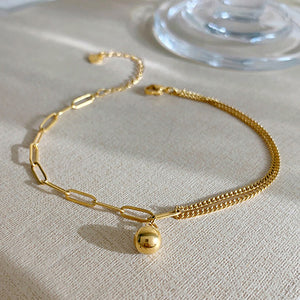
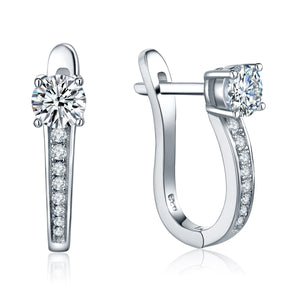
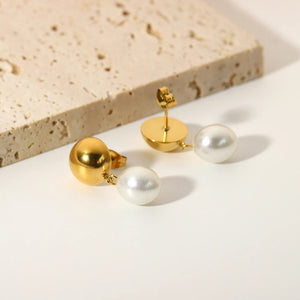
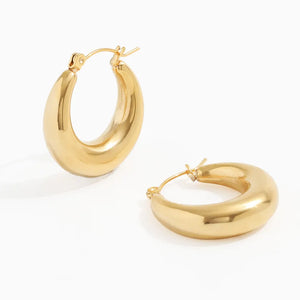
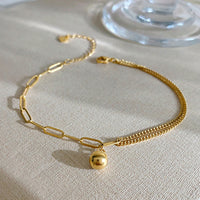
The piece they're describing → Doppellagige Fußkette für Damen – 18K vergoldet, mehrschichtige Kette, anlaufbeständig
Personalize Yours


