


Ask a piercer or a jewelry buyer to settle titanium vs surgical steel jewelry and you'll usually get the same answer with different levels of nuance: titanium is safer, surgical steel is cheaper, and the "right" one depends on what your skin and your piercing actually need. That's true, but it skips the details that matter once you're actually shopping — how each metal is graded, why titanium price runs so much higher, how surgical steel differs from the generic "stainless steel" stamped on cheap earrings, and where a metal like sterling silver fits once a piercing has fully healed. This guide walks through the real composition of each metal, a full comparison table, and where AJLuxe's jewelry line honestly does and doesn't belong in the conversation.
What Titanium and Surgical Steel Actually Are
Titanium used in body jewelry is almost always one of two grades. Implant-grade titanium — Ti-6Al-4V ELI, certified to ASTM F136 and also labeled Grade 23 — is a titanium alloy blended with small amounts of aluminum and vanadium, refined to the exact purity standard used for surgical implants and hip replacements. Commercially pure titanium (Grade 1, 2, or 4) is unalloyed titanium, softer and slightly less common in jewelry but still essentially nickel-free. Both are a genuinely different base element from steel, not a steel alloy with trace nickel — which is the single biggest reason titanium reads as more reliably hypoallergenic.
Surgical steel is not one formula, it's a category of medical-grade stainless steel. The two grades seen most in jewelry are 316L (low-carbon stainless steel, the baseline "surgical steel" grade) and 316LVM (vacuum-melted, a higher-purity implant grade used for initial piercing jewelry by reputable studios). Both are iron-based alloys containing roughly sixteen to eighteen percent chromium and ten to fourteen percent nickel, plus a small amount of molybdenum for added corrosion resistance. The chromium is what makes surgical steel rust- and tarnish-resistant; the nickel is what occasionally causes a reaction, even at surgical grade, because it's still present in the alloy — just tightly bound rather than free on the surface.

Titanium vs Surgical Steel — Full Comparison
| Feature | Titanium (Grade 23 / ASTM F136) | Surgical Steel (316L / 316LVM) |
|---|---|---|
| Composition | Titanium + small aluminum/vanadium content, no nickel | Iron + 16–18% chromium + 10–14% nickel + molybdenum |
| Hypoallergenic rating | Excellent — no nickel present in implant-grade titanium | Very good, not guaranteed — nickel is bound but present |
| Weight | Light — density about 4.5 g/cm3, roughly forty-five percent lighter | Heavier — density about 8 g/cm3 |
| Typical price | Higher — twenty to eighty dollars per piece, more for anodized color | Lower — five to twenty-five dollars per piece |
| Corrosion / tarnish resistance | Excellent — extremely stable oxide layer, never rusts | Very good — chromium oxide layer resists rust and tarnish |
| Color options | Anodizable into a wide color range without plating | Natural silver-tone finish only, no anodizing |
| Best for | Fresh piercings, cartilage, known nickel allergy | Healed piercings, budget everyday wear, no known sensitivity |
Hypoallergenic Comparison — Which Actually Protects Reactive Skin?
Nickel allergy is the most common cause of jewelry-related contact dermatitis, and it's the real decision point behind most titanium-versus-steel comparisons. Implant-grade titanium contains no nickel whatsoever — there's nothing in the alloy for a nickel-sensitive immune system to react to, which is why it's the metal most piercers and dermatologists recommend first for a brand-new piercing or a confirmed allergy.
Surgical steel is more nuanced. Both 316L and 316LVM hold roughly ten to fourteen percent nickel by weight, bound within the alloy's crystal structure. That binding means far less nickel migrates to the skin compared to cheaper, ungraded stainless steel or nickel-plated base metal, so most wearers tolerate surgical steel without issue. But for the estimated five to ten percent of people with a diagnosed, moderate-to-severe nickel allergy, that bound nickel can still cause irritation — especially through the broken skin and prolonged moisture contact of a healing piercing channel. If you've had a reaction to steel jewelry before, titanium removes that risk entirely rather than just reducing it. For a deeper look at how titanium performs on its own, see our guide on whether titanium jewelry is truly hypoallergenic, and for the steel side of the equation, is stainless steel jewelry hypoallergenic — the honest answer.
Surgical Steel vs Generic Stainless Steel — Why the Grade Matters
One thing that trips up a lot of shoppers comparing titanium vs stainless steel: "stainless steel" and "surgical steel" are not automatically the same thing. Surgical steel refers specifically to 316L or 316LVM — grades manufactured and tested to a documented nickel content and corrosion-resistance standard. Plenty of jewelry, especially in fast-fashion earrings and costume pieces, is labeled generically as "stainless steel" without specifying a grade, and is often actually 304-grade steel — a lower-purity alloy with less consistent nickel binding and a higher chance of triggering a reaction.
The practical takeaway: if a listing says "surgical steel" and shows a 316L or 316LVM stamp, it's a legitimate medical-grade alloy that most sensitive wearers tolerate reasonably well. If it just says "stainless steel" with no grade number, treat the hypoallergenic claim skeptically — it may be a cheaper alloy with meaningfully more free nickel exposure than either titanium or true surgical steel.

Titanium Price — Why It Costs More Than Surgical Steel
The titanium price premium isn't marketing — it's a function of the metal itself. Raw titanium ore requires energy-intensive processing to separate from oxygen before it can be alloyed and machined, and the finished metal is significantly harder to cut, drill, and polish than steel, which slows down manufacturing and raises labor cost per piece. That's why titanium jewelry typically runs twenty to eighty dollars per piece, compared to five to twenty-five dollars for surgical steel doing the same job.
A few things move titanium price even higher within that range:
- Internally threaded designs — titanium jewelry with an internal threading mechanism (versus externally threaded, where the threads sit on the post itself) costs more to manufacture and is generally considered gentler on healing tissue, since there's no exposed threading to drag through the piercing channel on insertion.
- Anodized color — titanium's color options come from controlling the thickness of its oxide layer under an electrical current, not from plating. That's a more involved process than dyeing or coating steel, and it adds real cost.
- Certification and sourcing — genuine ASTM F136-certified titanium from a traceable supplier costs more than uncertified "titanium alloy" stock, which may not be nickel-free at all despite the name.
Surgical steel stays cheaper across the board because it's a more common, easier-to-machine material with no anodizing step and a well-established supply chain. Neither metal is overpriced for what it is — the cost gap tracks the actual difference in raw material and manufacturing complexity.
Weight and Everyday Comfort
Titanium's density sits around 4.5 grams per cubic centimeter; surgical steel is closer to 8 grams per cubic centimeter — nearly double. In a single stud or a small ring, that difference is barely noticeable day to day. But for cartilage piercings, multiple lobe piercings worn together, or any jewelry worn continuously for months during healing, the lighter weight of titanium reduces the pull and pressure on tissue that's still repairing itself, which is part of why the Association of Professional Piercers recommends it as a first choice for initial jewelry.
Durability and Maintenance
Both metals are genuinely low-maintenance compared to precious metals. Titanium forms an exceptionally stable, self-healing oxide layer that resists corrosion in water, sweat, and chlorine indefinitely, and it won't tarnish or discolor over time. Surgical steel's chromium oxide layer does much the same job and holds up very well, though very hard water or years of chlorine exposure can very gradually dull its surface finish. Neither metal needs polishing the way sterling silver does, and both can generally be worn in the shower, gym, or pool without concern.
Where they diverge is repairability: titanium and surgical steel are both difficult to resize or repair with standard jeweler's tools, since neither solders or reshapes the way precious metals do. A damaged piece of either is typically replaced rather than fixed — which is one reason genuine 925 sterling silver, covered in our sterling silver vs stainless steel comparison, remains the more repairable long-term option for jewelry you plan to keep for years.
Which Should You Actually Buy?
The right metal depends on what the jewelry needs to do:
- Fresh piercing, first six to eight weeks of healing: Implant-grade titanium first. It's the industry-standard recommendation for initial jewelry across professional piercing associations, precisely because it removes nickel risk entirely during the most vulnerable healing window.
- Cartilage piercings (helix, tragus, conch, daith, rook): Titanium again, since these piercings take six months to a year to heal and benefit most from the lighter weight and lower reaction risk.
- Healed piercings, no known sensitivity, budget-conscious: Surgical steel (316L/316LVM) is a durable, affordable, genuinely reasonable choice.
- Known or suspected nickel allergy: Titanium, or a nickel-free precious metal like sterling silver once the piercing is fully healed — skip surgical steel, since its bound nickel can still trigger a reaction with prolonged contact.
- Fine jewelry for daily wear beyond piercings — necklaces, rings, everyday earrings on healed ears: This is where titanium and surgical steel both step aside for genuine precious metals. Sterling silver and 18K gold-plated pieces bring a warmer, finer look that neither industrial metal replicates, while still being nickel-free.
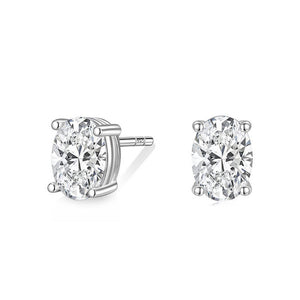
AJLuxe's jewelry line is built entirely on 925 sterling silver and 18K gold plating — not titanium and not surgical steel. We're upfront about that distinction: if you're actively healing a fresh piercing, titanium remains the safer, piercer-recommended metal, and we'd say so even though it's not what we sell. Where AJLuxe fits is once a piercing has fully healed and you want a genuinely nickel-free piece that reads as fine jewelry rather than body-jewelry hardware — like our flat-back stud earrings, which sit flush against a healed earlobe in solid nickel-free 925 silver. For more on how our metal compares directly to surgical steel, see our surgical steel vs sterling silver guide, and if you're weighing titanium against stainless steel specifically for earrings, our titanium vs stainless steel earrings comparison goes deeper on that pairing, and our niobium vs titanium earrings guide covers how a third hypoallergenic metal, niobium, stacks up against titanium specifically.
Related reading: Tungsten vs Titanium Jewelry: Which Metal Wins in 2026?.
Related reading: Is Surgical Steel Hypoallergenic? The Honest Answer (2026).
Related reading: Is Stainless Steel Hypoallergenic? What 304, 316L, and “Surgical Steel” Actually Mean for Your Skin (2026).
Frequently Asked Questions
Is titanium or surgical steel better for a new piercing?
Titanium is better for a new or healing piercing. Implant-grade titanium contains no nickel at all, while surgical steel still holds bound nickel that can irritate broken or healing skin, even though most wearers tolerate it fine once fully healed.
Is titanium more hypoallergenic than surgical steel?
Yes. Titanium contains zero nickel in its implant-grade form, making it the more reliably hypoallergenic metal. Surgical steel is low-nickel and works for most people, but its bound nickel content can still trigger a reaction in sensitive individuals.
What is the average titanium price compared to surgical steel?
Titanium jewelry typically costs twenty to eighty dollars per piece, versus five to twenty-five dollars for surgical steel, reflecting titanium's harder machining process, anodizing options, and nickel-free certification.
Is titanium vs stainless steel the same comparison as titanium vs surgical steel?
Not exactly. Surgical steel refers specifically to graded 316L or 316LVM stainless steel manufactured to a documented nickel-content standard. Generic "stainless steel" jewelry may use a lower, ungraded alloy like 304 steel, which can carry a higher risk of nickel reaction than true surgical steel.
Why is titanium jewelry so much lighter than surgical steel?
Titanium has a density of about four and a half grams per cubic centimeter, while surgical steel is closer to eight grams per cubic centimeter — nearly double. That makes titanium roughly forty-five percent lighter for a piece of the same size.
Does surgical steel jewelry contain nickel?
Yes. Both 316L and 316LVM surgical steel contain roughly ten to fourteen percent nickel by weight. It's chemically bound within the alloy rather than sitting loose on the surface, which reduces but does not eliminate the chance of a reaction.
Can titanium jewelry be a different color?
Yes. Titanium can be anodized into a wide range of colors by controlling the thickness of its natural oxide layer under electrical current, without any plating. Surgical steel does not anodize and stays a natural silver-tone finish.
Which metal do professional piercers recommend for initial jewelry?
Implant-grade titanium is the standard recommendation from professional piercing associations for initial jewelry, because its nickel-free composition minimizes the risk of irritation during the healing window of a fresh piercing.
Is surgical steel jewelry good for healed piercings?
Yes, for most people. Once a piercing is fully healed and there's no open wound or prolonged moisture contact, genuine 316L surgical steel is a durable, affordable, and generally well-tolerated option unless you have a known nickel allergy.
How can I tell if jewelry is genuine titanium or genuine surgical steel?
Genuine implant-grade titanium is usually marked "Ti," "G23," or "6AL4V" and certified to ASTM F136. Genuine surgical steel is marked 316L or 316LVM. A listing with no grade number at all is a reason to treat any hypoallergenic claim with caution.
Is sterling silver a good alternative to titanium and surgical steel?
For healed piercings and everyday jewelry, yes. Genuine 925 sterling silver is nickel-free by definition, not just nickel-bound like surgical steel, and it offers a finer, more precious look than either industrial metal — though titanium remains the better choice for fresh or actively healing piercings.
Final Thoughts
Titanium and surgical steel both earn their reputations as hypoallergenic-friendly metals, but they get there differently. Titanium is nickel-free at the molecular level, lighter, and the safer choice for fresh piercings or a confirmed allergy — at a real price premium and with fewer fine-jewelry finishes available. Surgical steel is a genuinely durable, well-engineered medical-grade alloy that's affordable and tolerated well by most people, but its bound nickel content means it isn't a guarantee for every sensitive wearer, especially during healing. If your piercing is still fresh or your skin has ever reacted to metal jewelry, titanium is worth the extra cost. If you're shopping for healed, everyday wear and want something that looks and feels like fine jewelry rather than piercing hardware, that's where nickel-free 925 sterling silver comes in.
Piercing fully healed? Try genuinely nickel-free 925 sterling silver instead of titanium or surgical steel.
Shop Flat Back Stud Earrings — Hypoallergenic Sterling SilverLooking for more hypoallergenic styles beyond studs? Browse our full hypoallergenic earrings collection — every piece is genuine 925 sterling silver or 18K gold plating, nickel-free, and built for sensitive and healed-piercing ears.
Shop This Guide
- Flat Back Stud Earrings — Hypoallergenic Sterling Silver
- Shop All Hypoallergenic Earrings
- Is Titanium Jewelry Good? A Full Breakdown
Written by the AJLuxe Team — specialists in nickel-free 925 sterling silver and 18K gold-plated hypoallergenic jewelry. Sources: Association of Professional Piercers — Jewelry for Initial Piercings. Last updated: July 2026.
Toutes les marques, noms de marque et noms de produits tiers sont la propriété de leurs détenteurs respectifs. AJLuxe n’est affilié à aucune marque tierce citée dans cet article, ni approuvé ou sponsorisé par celle-ci. Les noms de marque sont utilisés uniquement à des fins de comparaison factuelle, et les descriptions de matériaux reflètent les spécifications produit publiées par chaque marque au moment de la rédaction.
You Might Also Like
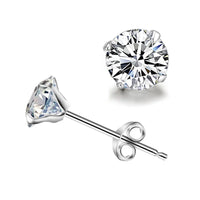
The piece they're describing → Puces d'oreilles en oxyde de zirconium pour femme — Argent sterling 925, oxyde de zirconium, hypoallergéniques
Personalize Yours


