


If you're comparing surgical steel vs sterling silver for a new piece of jewelry — or trying to figure out why one earring keeps irritating your ears while another doesn't — the two metals solve different problems. Surgical steel is an industrial alloy built for hardness and corrosion resistance; sterling silver is a precious metal built for shine, softness, and a long jewelry life. Neither is universally "better" — it depends on whether you're healing a fresh piercing, buying daily-wear jewelry, or trying to avoid a nickel reaction. This guide breaks down the real composition of each metal, how they compare on hypoallergenic safety, durability, tarnish, and cost, and where titanium fits into the comparison too.
What Each Metal Actually Is
Surgical steel is not one single formula — it's a category of stainless steel alloys used in medical and body-jewelry applications. The two grades you'll see most often are 316L (low-carbon stainless steel, the common "surgical steel" grade) and 316LVM (vacuum-melted, implant-grade — the higher purity version used for fresh piercings). Both are iron-based alloys containing roughly 16–18% chromium, 10–14% nickel, and small amounts of molybdenum. The chromium is what makes the metal corrosion- and rust-resistant; the nickel is what occasionally causes a reaction in sensitive wearers, even at surgical grade.
Sterling silver is a genuine precious metal: 92.5% pure silver alloyed with 7.5% other metal, almost always copper, which gives soft pure silver enough structure to hold its shape in jewelry. In the U.S., anything sold as sterling silver is legally required to contain at least 92.5% silver, and genuine pieces carry a 925, .925, or S925 hallmark stamp. Unlike surgical steel, standard sterling silver alloy contains no nickel at all — the trade-off is that it's softer and reacts with sulfur in the air, which is why it tarnishes.

Surgical Steel vs Sterling Silver — Full Comparison
| Feature | Surgical Steel (316L/316LVM) | Sterling Silver (925) |
|---|---|---|
| Composition | Iron + 16–18% chromium + 10–14% nickel + molybdenum | 92.5% silver + 7.5% copper alloy |
| Hypoallergenic rating | Good, not guaranteed — contains trace nickel | Excellent — no nickel in the alloy |
| Durability | Very high — 5.5–6 Mohs, resists scratching and denting | Moderate — 2.5–3 Mohs, scratches over time |
| Tarnish behavior | Does not tarnish — chromium oxide layer is self-protecting | Tarnishes — copper reacts with sulfur in air over time |
| Cost | Low — industrial material, no commodity spot price | Moderate-higher — priced against silver spot value |
| Repairable / resizable | Difficult — requires specialized welding equipment | Yes — jewelers can solder, resize, replate, polish |
| Resale / intrinsic value | None — industrial metal with no precious value | Yes — genuine precious metal content |
| Best for | Fresh piercings, gym/outdoor wear, budget everyday pieces | Fine jewelry, gifting, sensitive skin, healed piercings |
Hypoallergenic Comparison — Nickel Content and Sensitive Skin
Nickel allergy is the single most common cause of jewelry-related contact dermatitis, and it's the deciding factor for most people choosing between these two metals. Sterling silver's standard alloy is silver plus copper — copper is a much rarer allergen than nickel, and the alloy itself contains zero nickel. That makes genuine 925 sterling silver one of the safer everyday options for people with metal sensitivity.
Surgical steel is more nuanced than its name suggests. Both 316L and 316LVM contain roughly 10–14% nickel by weight — it's baked into the alloy for corrosion resistance and strength. The nickel is tightly bound within the steel's molecular structure, which is why surgical steel releases far less free nickel to the skin than cheaper alloys like 304 stainless steel or nickel-plated base metal. For most wearers, that's low enough to be comfortable. But for people with a confirmed, moderate-to-severe nickel allergy, surgical steel can still trigger a reaction, especially with prolonged skin contact — which is exactly why some ear-piercing studios now offer titanium as an upgrade option for reactive skin. If you already know you react to steel earrings, sterling silver — genuinely nickel-free — is the safer bet. For more on how AJLuxe's silver holds up for sensitive ears specifically, see our guide on whether sterling silver is truly hypoallergenic.
Where Titanium Fits — Titanium vs Surgical Steel vs Sterling Silver
Titanium often gets pulled into this comparison because it's the metal piercers reach for when someone reacts to steel. Understanding titanium vs surgical steel and titanium vs stainless steel helps clarify where each material actually belongs — for a full breakdown, see our dedicated titanium vs surgical steel jewelry guide.
Implant-grade titanium (usually Grade 23, or ASTM F136) contains no nickel at all — it's an entirely different base element, not a steel alloy with trace nickel like surgical steel is. That makes titanium the most reliably hypoallergenic metal used in body jewelry, ahead of even surgical steel. It's also lighter than steel and roughly as scratch-resistant, which is why professional piercers often recommend titanium over surgical steel for people with any known metal sensitivity, or simply as a lower-risk default for a fresh piercing.
Where titanium falls short is versatility and price: it's harder to cast into fine, delicate jewelry shapes, doesn't have the warm luster of silver, and costs more than either steel or silver at comparable weights. So the practical hierarchy looks like this: titanium is the safest choice for a brand-new piercing or a confirmed nickel allergy; surgical steel is a solid, affordable, durable choice for most people without known sensitivity; and sterling silver is the better choice once a piercing is fully healed and you want a genuine precious-metal piece — for necklaces, rings, and everyday jewelry — that's also nickel-free without titanium's higher price tag.

Durability — Which Holds Up to Daily Wear?
Surgical steel handles daily wear better, rating 5.5–6 on the Mohs hardness scale versus sterling silver's softer 2.5–3, resisting scratches and denting more effectively. At roughly 5.5–6 on the Mohs scale, it resists scratching, denting, and bending far better than silver, which sits around 2.5–3. For jewelry that takes physical abuse — gym earrings, everyday hoops you never take out, pieces worn while working with your hands — surgical steel simply lasts longer without visible wear.
Sterling silver scratches more easily and can develop a soft, worn patina over years of daily contact. It's also more forgiving in a different sense: because it's a soft precious metal, a jeweler can polish out surface scratches, resize a ring, or repair a broken clasp. Surgical steel is effectively unrepairable outside a specialized workshop — a bent or broken piece is usually replaced, not fixed. Neither metal is "more durable" in every sense; steel wins on scratch resistance, silver wins on repairability and long-term serviceability.
Tarnish and Everyday Maintenance
Surgical steel resists tarnish entirely due to its self-protecting chromium oxide layer, while sterling silver's copper content reacts with air and sulfur, requiring occasional polishing. The chromium in the alloy forms a passive, self-healing oxide layer that blocks rust and tarnish entirely, so you can wear it in the shower, gym, or pool without a second thought.
Sterling silver tarnishes because the copper in its alloy reacts with sulfur compounds in the air, sweat, and household products. Left in a drawer for a few months, a piece can dull from bright silver to a dark grey-brown. This is cosmetic, not structural — a quick pass with a polishing cloth restores the shine in under a minute. For a full breakdown of why this happens and how to prevent it, see our guides on whether sterling silver actually rusts or just tarnishes and how it stacks up against another common alternative in our sterling silver vs stainless steel comparison.
Cost and Long-Term Value
Surgical steel is the cheaper option almost every time — it's an industrial material with no commodity spot price, so a pair of steel studs can cost a fraction of the equivalent piece in silver. Sterling silver costs more upfront because it's priced against the value of actual silver content, plus the labor of casting and finishing a softer, more delicate metal.
The gap narrows when you factor in lifespan. A well-cared-for sterling silver piece can be polished, resized, and repaired for decades, and it retains real intrinsic value even if you eventually sell or trade it in. Surgical steel jewelry has essentially zero resale value and, once damaged, is typically thrown away rather than repaired. If you're comparing pieces for a gift or something meant to last, sterling silver's higher sticker price buys more longevity than it first appears. For style-specific comparisons, our guide on sterling silver vs gold plated necklaces breaks down the value trade-off in more detail.
Which Should You Actually Buy?
The right answer depends on what the jewelry is for:
- Fresh piercing, first 6–8 weeks of healing: Titanium first, implant-grade surgical steel (316LVM) second. Avoid sterling silver in an open wound — it's too soft and reactive with healing tissue fluids.
- Healed piercing, everyday earrings: Sterling silver is a strong choice if you want a genuine precious metal that's nickel-free and pairs well with gold plating. Surgical steel remains a solid budget option if you have no known sensitivity.
- Necklaces, rings, bracelets worn daily: Sterling silver is generally the better fit — it's repairable, holds value, and the softness that makes it scratch is the same quality that lets a jeweler fix it for life.
- Gym, outdoor work, high-impact wear: Surgical steel's hardness and tarnish resistance make it more practical for pieces that take a beating.
- Known nickel allergy: Sterling silver or titanium — skip surgical steel, since it still contains bound nickel that can trigger a reaction in sensitive individuals over prolonged contact.
AJLuxe's jewelry line is built entirely on 925 sterling silver — including pieces designed specifically for sensitive, reactive, or healed-piercing ears, like our flat-back stud earrings, which sit flush against the earlobe and are made from genuinely nickel-free 925 silver rather than surgical steel or plated base metal. If you've had reactions to steel earrings in the past, that's often the switch that fixes it. Our best sterling silver necklaces guide has more picks if you're shopping beyond earrings.
See also: Titanium vs Stainless Steel Earrings: Which Is More Hypoallergenic?.
See also: Copper vs Brass Jewelry: Composition, Tarnish, and Skin Reactions Compared.
See also: 925 Silver vs 999 Silver: Which Is Better for Jewelry?. For the bigger-picture verdict on durability, cost, and whether it holds up long-term, see Is Stainless Steel Jewelry Good Quality? Honest 2026 Review.
Related reading: Sterling Silver Earrings for Sensitive Ears: What Actually Works (2026).
Related reading: Is Stainless Steel Hypoallergenic? What 304, 316L, and “Surgical Steel” Actually Mean for Your Skin (2026).
Related reading: Is surgical steel hypoallergenic honest answer.
Frequently Asked Questions
Is surgical steel or sterling silver better for sensitive ears?
Sterling silver is generally the safer choice for confirmed nickel sensitivity because the alloy contains zero nickel. Surgical steel is low-nickel and works for most people, but it does contain bound nickel and can still cause a reaction with prolonged contact in sensitive individuals.
Which metal lasts longer, surgical steel or sterling silver?
Surgical steel lasts longer structurally, resisting scratching and tarnish, while sterling silver lasts longer in value and repairability since jewelers can solder, resize, and replate it. Surgical steel resists scratching and denting better and needs no maintenance. Sterling silver scratches more easily but can be polished, resized, and repaired indefinitely, so a well-cared-for piece can genuinely last a lifetime.
Can you shower or swim in sterling silver jewelry?
Occasional exposure is fine, but daily showering, chlorine, and salt water accelerate tarnish and can dull the shine faster. Surgical steel handles water without any tarnish risk, which is one of its main practical advantages.
Does surgical steel jewelry turn your skin green?
No. Skin discoloration from jewelry is almost always caused by copper reacting with skin acids, which happens with lower-purity silver or base-metal alloys, not with chromium-rich surgical steel.
Is titanium better than surgical steel for piercings?
For a brand-new piercing or known metal sensitivity, yes. Implant-grade titanium contains no nickel at all and is the material most piercing professionals recommend first. Surgical steel is a reliable second choice for people without known sensitivity.
Is titanium better than stainless steel for everyday jewelry?
Titanium is more reliably hypoallergenic and slightly lighter, but stainless steel is generally cheaper and easier to find in a wider range of styles. For everyday non-piercing jewelry without known sensitivity, either works well; titanium is the safer pick if your skin reacts easily.
How do I know if my jewelry is real surgical steel or real sterling silver?
Genuine sterling silver carries a 925, .925, or S925 hallmark stamp. Genuine surgical steel is typically marked 316L or 316LVM. If a piece has no stamp at all, treat its composition as unverified rather than assuming it's either metal.
Does sterling silver tarnish faster than surgical steel discolors?
Yes, and it's not close. Surgical steel's chromium oxide layer prevents tarnish and discoloration almost entirely, while sterling silver's copper content reacts with sulfur in the air within weeks to months of exposure, depending on humidity and skin chemistry.
Can you resize surgical steel rings the way you can sterling silver rings?
Not easily. Surgical steel's hardness that makes it durable also makes it very difficult to resize without specialized industrial equipment. Sterling silver rings can be resized by most jewelers using standard tools.
Is surgical steel real jewelry or a base metal substitute?
Surgical steel is a genuine, medical-grade alloy — it's not a plated base metal or costume substitute. It simply isn't a precious metal the way sterling silver is, so it carries no intrinsic resale value even though it's a legitimate, durable material.
What's the most hypoallergenic metal overall — titanium, surgical steel, or sterling silver?
Implant-grade titanium is the most reliably hypoallergenic of the three because it contains no nickel whatsoever. Sterling silver is the second safest option and is a true precious metal. Surgical steel is generally safe but carries the highest residual nickel-reaction risk of the three.
Final Thoughts
Surgical steel and sterling silver solve different problems. Surgical steel is the practical, low-cost, tarnish-proof choice built for durability and fresh piercings — but its bound nickel content means it isn't guaranteed safe for every sensitive wearer. Sterling silver is a genuine precious metal that's naturally nickel-free, repairable, and better suited to fine jewelry you'll wear and care for over years — at the cost of needing occasional polishing to manage tarnish. If your skin has ever reacted to steel earrings, or you're shopping for jewelry meant to last rather than just survive a workout, 925 sterling silver is the safer, more durable long-term choice.
Reactive to surgical steel earrings? Try genuinely nickel-free 925 sterling silver instead.
Shop Flat Back Stud Earrings — Hypoallergenic Sterling SilverLooking for more hypoallergenic styles beyond studs? Browse our full hypoallergenic earrings collection — every piece is genuine 925 sterling silver, nickel-free, and safe for sensitive and healed-piercing ears.
Comparing metals more broadly? See our guide on gold plated vs stainless steel.
Keep Reading
Shop This Guide
Written by the AJLuxe Team — specialists in 925 sterling silver hypoallergenic jewelry. Sources: Jewelers of America education resources. Last updated: July 2026.
Toutes les marques, noms de marque et noms de produits tiers sont la propriété de leurs détenteurs respectifs. AJLuxe n’est affilié à aucune marque tierce citée dans cet article, ni approuvé ou sponsorisé par celle-ci. Les noms de marque sont utilisés uniquement à des fins de comparaison factuelle, et les descriptions de matériaux reflètent les spécifications produit publiées par chaque marque au moment de la rédaction.
You Might Also Like
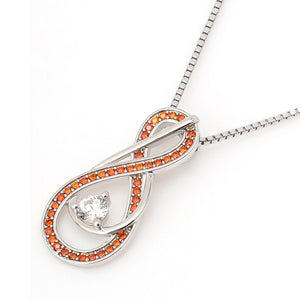
The piece they're describing → Collier pierre de naissance de janvier pour femme — Pendentif infini grenat rouge, argent sterling 925
Personalize Yours


