


TL;DR: No, "nickel-free" does not mean tarnish-proof. Nickel-free only means the jewelry won't trigger a nickel allergy; whether it tarnishes depends entirely on the base metal. Titanium, niobium, solid gold (14K and up), platinum, and 316L surgical stainless steel resist tarnish extremely well. Nickel-free sterling silver and nickel-free brass alloys are still prone to darkening and oxidizing over time, especially with moisture, sweat, or perfume exposure.
Why "Nickel-Free" and "Tarnish-Free" Are Two Different Promises
It's an easy mix-up, and jewelry brands rarely explain the difference clearly. "Nickel-free" is a statement about allergy safety: it means the alloy doesn't contain enough nickel to trigger the itching, redness, and blistering of nickel contact dermatitis. "Tarnish-resistant" is a statement about chemistry: it describes how the metal's surface reacts with oxygen, sulfur compounds, and moisture in the air over time.
A metal can pass one test and fail the other. Nickel-free sterling silver, for example, is genuinely safe for a nickel allergy sufferer to wear, but the silver and copper in the alloy will still oxidize and darken exactly the way regular sterling silver does. Removing nickel from the mix doesn't change how the other 92.5% of the metal behaves when it meets air and sweat.
So the honest answer to "does nickel-free jewelry tarnish" is: it depends which nickel-free metal you're wearing. Some nickel-free metals essentially never tarnish. Others tarnish just as readily as their nickel-containing counterparts.

Which Nickel-Free Metals Resist Tarnish Best
A handful of nickel-free metals are prized specifically because they're chemically stable and barely react with air at all, so they stay bright with almost no maintenance.
- Titanium — forms a thin, stable oxide layer instantly on exposure to air, then stops reacting. It doesn't tarnish, corrode, or discolor under normal wear, even with regular water exposure.
- Niobium — chemically similar to titanium and equally inert. Popular for hypoallergenic earrings and body jewelry because it never darkens.
- Solid gold, 14K and up — gold itself doesn't oxidize. Higher-karat gold (18K, 22K) tarnishes even less than 14K because it contains less reactive alloy metal, but any solid, nickel-free gold resists tarnish well.
- Platinum — one of the most inert precious metals used in jewelry. It may develop a soft matte patina with wear, but it does not tarnish or discolor the way silver or brass does.
- 316L surgical stainless steel — the nickel-free grade used in implant-safe body jewelry. Highly corrosion-resistant and rated for prolonged skin contact, including in water.
Which Nickel-Free Metals Still Tarnish
Being nickel-free doesn't upgrade a metal's tarnish resistance. These nickel-free alloys are safe for a nickel allergy but still oxidize over time:
- Nickel-free sterling silver — the silver-copper alloy still reacts with sulfur in the air, sweat, and lotions, producing the familiar yellow-to-black tarnish. Nickel-free 925 silver tarnishes at the same rate as standard sterling silver.
- Nickel-free brass alloys — copper-zinc blends that oxidize readily, often turning a piece dull, yellow-brown, or greenish with prolonged skin contact.
- Gold-plated or gold vermeil over nickel-free base metal — the thin gold layer itself won't tarnish, but once it wears thin from friction, the nickel-free base metal underneath is exposed and can tarnish or oxidize on its own.
- Rhodium-plated nickel-free silver — rhodium plating is tarnish-resistant while intact, but it wears off over months of regular wear, at which point the sterling silver underneath is exposed to the air again.
Nickel-Free Metal Tarnish Resistance at a Glance
| Nickel-Free Metal | Tarnish Resistance | Typical Care Needed |
|---|---|---|
| Titanium | Excellent — does not tarnish | Rinse with water occasionally, no polishing needed |
| Niobium | Excellent — does not tarnish | Minimal, wipe with a soft cloth |
| 316L surgical stainless steel | Excellent — highly corrosion resistant | Occasional soap-and-water clean |
| Solid gold (14K–24K), nickel-free | Very good — gold itself doesn't oxidize | Polish occasionally to keep shine |
| Platinum | Very good — inert, may develop matte patina | Periodic professional polish |
| Nickel-free sterling silver (925) | Fair — will darken over time | Anti-tarnish cloth, airtight storage |
| Nickel-free brass | Fair to poor — oxidizes readily | Frequent cleaning, avoid moisture |
| Gold vermeil / gold-plated over nickel-free base | Good while plating lasts, then poor | Avoid abrasion, reapply protective coating if needed |
How to Tell Tarnish Apart From an Allergic Reaction
If a piece you were told is nickel-free starts looking or feeling different, it helps to know which problem you're actually dealing with, because the fix is completely different for each.
Tarnish shows up on the metal itself: a dulled, darkened, yellowish, or blackened surface, sometimes with a greenish tint on brass or copper-based alloys. Your skin underneath is unaffected. The jewelry looks worse, but your skin doesn't hurt or itch.
An allergic reaction shows up on your skin, not the metal: redness, itching, small bumps, or blistering exactly where the jewelry touches you, usually appearing within a day or two of wear. The metal itself may look completely fine.
If you see skin symptoms with jewelry that was sold as nickel-free, it's worth considering that another metal in the alloy, such as cobalt or a trace nickel contamination below the labeling threshold, could be the trigger. According to the American Academy of Dermatology, more than 18% of people in North America are allergic to nickel, and repeated exposure to jewelry is one of the most common ways that allergy develops and flares. If reactions continue with metals labeled nickel-free, a dermatologist can patch test for other common jewelry allergens like cobalt and chromium.

How to Care for Tarnish-Prone Nickel-Free Jewelry
If you own nickel-free sterling silver or brass pieces, a little routine care keeps them bright far longer.
- Store it dry and sealed. Anti-tarnish pouches or airtight containers slow down oxidation by limiting the metal's exposure to air and humidity.
- Put jewelry on last. Apply lotion, perfume, and hairspray before putting on jewelry, not after. These products speed up tarnish on silver and brass.
- Remove it for water. Take nickel-free silver and brass jewelry off before showering, swimming, or washing dishes. Chlorine and prolonged moisture accelerate tarnish.
- Wipe after wear. A soft polishing cloth removes the oils and residue that contribute to tarnish before they build up.
- Clean gently when needed. Mild soap and warm water with a soft cloth is usually enough; avoid abrasive cleaners or anything with ammonia or bleach, which can strip plating and worsen discoloration.
How to Buy Nickel-Free Jewelry That Won't Tarnish
If tarnish resistance matters as much as allergy safety, use these questions when you're shopping:
- What's the base metal, not just "is it nickel-free"? Ask specifically whether it's solid titanium, niobium, solid gold, platinum, or 316L stainless steel, versus nickel-free sterling silver or brass.
- Is it solid or plated? Solid tarnish-resistant metal stays tarnish-resistant for life. Plated pieces only stay tarnish-resistant until the plating wears through.
- Does the listing mention "surgical" or "316L" steel specifically? Generic "stainless steel" can still contain enough nickel to matter for sensitive skin; 316L is the grade typically used for hypoallergenic, tarnish-resistant pieces.
- What does the brand say about long-term wear? Reputable sellers will tell you upfront whether a piece needs anti-tarnish care or is essentially maintenance-free.
For everyday nickel-free pieces, our complete nickel-free jewelry guide breaks down which AJLuxe metals are certified nickel-free and best for sensitive skin, including how sterling silver and gold-on-sterling compare for both allergy safety and everyday durability.
Frequently Asked Questions
Does nickel-free jewelry tarnish?
Yes, it can. Nickel-free only means the alloy won't trigger a nickel allergy. Whether it tarnishes depends on the base metal: titanium, niobium, solid gold, platinum, and 316L stainless steel resist tarnish well, while nickel-free sterling silver and brass still oxidize over time.
Which nickel-free metals resist tarnishing the best?
Titanium, niobium, solid gold (14K and up), platinum, and 316L surgical stainless steel are the most tarnish-resistant nickel-free options, thanks to their chemically stable, low-reactivity surfaces.
Does nickel-free sterling silver tarnish?
Yes. Nickel-free sterling silver still contains silver and copper, both of which react with sulfur compounds in air and sweat, producing the same tarnish as standard sterling silver.
Does nickel-free brass tarnish?
Yes, often faster than silver. Brass is a copper-zinc alloy, and copper oxidizes readily, which can turn nickel-free brass pieces dull, yellow-brown, or greenish with regular wear.
Is solid gold nickel-free and tarnish-proof?
Solid gold, 14K or higher, doesn't oxidize and is generally nickel-free. White gold is the exception: it's often alloyed with nickel for its color unless the listing specifically states it's nickel-free or palladium-alloyed.
Does stainless steel tarnish if it's labeled nickel-free?
316L surgical stainless steel, the common nickel-free grade, is highly corrosion- and tarnish-resistant. Generic "stainless steel" without a 316L or surgical-grade label is a less reliable guarantee of either nickel-free status or tarnish resistance.
Can titanium or niobium jewelry tarnish?
No. Titanium and niobium form a stable oxide layer on contact with air and then stop reacting, so they don't tarnish, discolor, or corrode under normal wear, including regular water exposure.
How can I tell if it's tarnish or an allergic reaction?
Tarnish appears on the metal as darkening, dullness, or discoloration, with no effect on your skin. An allergic reaction appears on your skin as redness, itching, or bumps where the jewelry touches, even if the metal itself still looks fine.
Can nickel-free jewelry still cause a skin reaction?
Yes, in rare cases. Other metals in the alloy, such as cobalt or chromium, can also trigger contact allergies. If irritation continues with nickel-free jewelry, a dermatologist can patch test for other common jewelry allergens.
Does gold vermeil or gold-filled nickel-free jewelry tarnish?
It can, once the gold layer wears thin. Vermeil and gold-filled pieces have a gold layer over a base metal, often nickel-free sterling silver or brass; when that layer wears through, the base metal underneath can tarnish on its own.
How do I clean tarnished nickel-free jewelry?
Use a soft anti-tarnish polishing cloth or mild soap and warm water, then dry thoroughly. Avoid bleach, ammonia, or abrasive cleaners, which can strip plating and worsen discoloration.
How should I store nickel-free jewelry to prevent tarnishing?
Keep it in an airtight container or anti-tarnish pouch, away from humidity, direct sunlight, lotions, and perfume, all of which accelerate oxidation on tarnish-prone metals like silver and brass.
Should I remove nickel-free jewelry before applying lotion or perfume?
Yes. Apply lotion, perfume, and hairspray first, then put jewelry on afterward. Direct chemical contact speeds up tarnish on silver and brass, though it has little effect on titanium, niobium, or solid gold.
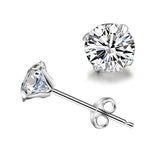
Want nickel-free jewelry that's also easy to keep bright? Our 925 Sterling Silver CZ Stud Earrings are nickel-free and hypoallergenic, ideal for sensitive ears. Since sterling silver can still tarnish over time, follow the care routine above to keep them bright, or browse our hypoallergenic jewelry collection for more sensitive-skin-friendly options. For a full breakdown of which metals are safest for allergies, see our nickel-free jewelry guide. If white gold is what's tarnishing on you, see our dedicated guide: Hypoallergenic White Gold Jewelry.
Related reading: Does Rhodium Plated Jewelry Tarnish? What Really Happens Over Time.
Related reading: Does Titanium Tarnish? What Actually Happens to Titanium Jewelry Over Time (2026).
Toutes les marques, noms de marque et noms de produits tiers sont la propriété de leurs détenteurs respectifs. AJLuxe n’est affilié à aucune marque tierce citée dans cet article, ni approuvé ou sponsorisé par celle-ci. Les noms de marque sont utilisés uniquement à des fins de comparaison factuelle, et les descriptions de matériaux reflètent les spécifications produit publiées par chaque marque au moment de la rédaction.
You Might Also Like
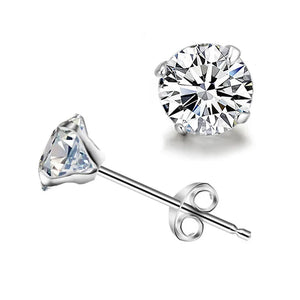
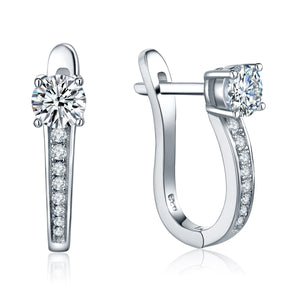
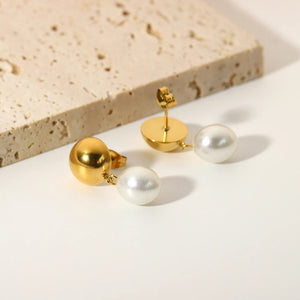
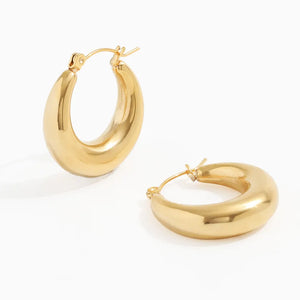

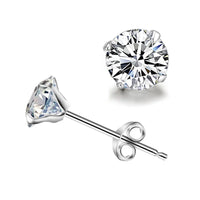
The piece they're describing → Puces d'oreilles en oxyde de zirconium pour femme — Argent sterling 925, oxyde de zirconium, hypoallergéniques
Personalize Yours


