


- Gold plated necklaces are a thin layer of real gold electroplated (or PVD-applied) over a base metal — usually brass, copper, or sterling silver.
- Sterling silver base plus PVD plating lasts noticeably longer than brass-base plating and resists tarnish better.
- Gold plated is not the same as gold vermeil (thicker plating, sterling silver base required by FTC standard) or gold filled (mechanically bonded layer, most durable).
- Avoid water, sweat, perfume, and lotion contact — these are the top causes of premature fading and skin discoloration.
- Expect $20-$60 for quality gold plated pieces; anything under $10 is almost certainly thin plating over low-grade alloy.
"Gold plated necklaces" is one of the most-searched jewelry terms online, and the search results prove it's overwhelmingly a buying decision — shoppers land on collection pages from Pandora, Gorjana, Missoma, and dozens of others before they've settled on what actually makes one gold plated necklace better than another. This guide breaks down what plating actually means, how it compares to vermeil and gold filled, which base metal and karat hold up longest, and how to keep a gold plated necklace looking new for years instead of months.
Last updated: July 2026.
What Does "Gold Plated" Actually Mean?
Gold plating is a thin layer of real gold — typically 0.5 to 2.5 microns thick — bonded to a base metal through electroplating or the more durable PVD (Physical Vapor Deposition) process. The base metal underneath is what you're really buying: brass and copper are the cheapest and least durable, while a 925 sterling silver base holds plating longer and won't turn skin green as quickly if the gold layer thins. PVD plating creates a harder, more adhesive gold bond than standard electroplating, which is why it's increasingly used in higher-quality plated jewelry and watches. According to Jewelers of America's gold jewelry buying guide, gold-plated pieces (often marked "GP") are the least durable of the gold jewelry types since the plating sits over a low-quality base metal and tarnishes fastest — reinforcing why base metal and plating method matter more than karat alone.

Gold Plated vs. Gold Vermeil vs. Gold Filled: What's the Difference
These three terms get used interchangeably by shoppers but mean very different things for durability and price:
| Type | Gold Layer | Base Metal | Durability | Typical Price |
|---|---|---|---|---|
| Gold Plated | 0.5-2.5 microns, electroplated or PVD | Brass, copper, or sterling silver | 6 months-3 years depending on base + care | $10-$60 |
| Gold Vermeil | 2.5+ microns (FTC minimum standard) | 925 sterling silver (required) | 2-5+ years with care | $40-$120 |
| Gold Filled | Mechanically bonded layer, 5%+ gold by weight | Brass core | 10-30 years, most durable | $30-$90 |
If longevity matters most, gold vermeil or gold filled are worth the higher price (see our dedicated gold vermeil vs. gold plated guide). If you want the gold look for a trend piece or gift you don't need to last a decade, a well-made gold plated necklace with a sterling silver base is the better value. For a deeper breakdown of filled vs. plated specifically, see our gold filled vs. gold plated guide.
Which Karat Is Best for Gold Plated Necklaces: 14K, 18K, or 24K
Higher karat gold (18K, 24K) is softer and more yellow in tone, while 14K is more durable against scratching but slightly less saturated in color. For plated jewelry specifically, karat matters less than plating thickness and base metal quality — an 18K plated necklace over cheap brass will still fade faster than a 14K plated necklace over sterling silver with proper PVD application. When comparing listings, prioritize base metal and plating method over the karat number alone.
Best Gold Plated Necklace Styles (Chain, Pendant, Layered & Choker)
Once you understand plating quality, the next question is style. These are the four most popular gold plated necklace formats, with real picks from our own collection.

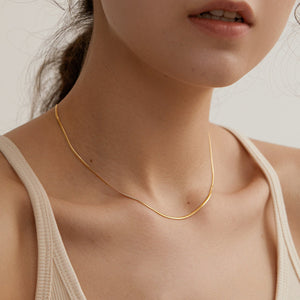
Chain Necklace — Double Row Snake Chain, 18K Gold PVD Plated
Two rows of smooth interlocking snake-chain scales that sit flat against the collarbone — the most versatile plated style, worn solo or as a base layer.
Shop Now →
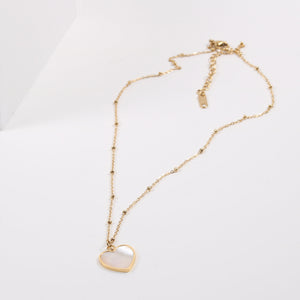
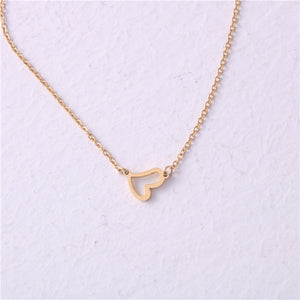
Pendant Necklace — Dainty Heart Necklace, 18K Gold Plated
A minimalist gold heart pendant on a fine cable chain — ideal when the chain is 1-1.5mm so it doesn't compete with the charm.
Shop Now →
Layered Set — Layered Choker Necklace, 18K Gold Plated, Multi-Strand
Multiple gold chain strands built into one adjustable piece for an instant stacked look, no extra clasps required.
Shop Now →
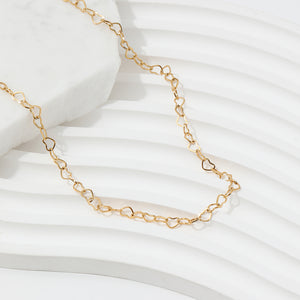
Choker — Heart Choker Necklace, 18K Gold Plated, Hollow Heart Tennis Chain
A hypoallergenic gold plated tennis chain choker with a hollow heart center — sits highest on the neck and layers well as the shortest piece in a stack. Full method in our gold necklace layering guide.
Shop Now →Are Gold Plated Necklaces Worth Buying?
Yes, for the right use case. Gold plated necklaces offer real value for everyday, trend-driven, or gift jewelry where you want the gold look without solid gold's price tag. They're not heirloom pieces — expect to eventually replate or replace them — but a quality piece with a sterling silver base and PVD plating can realistically last 1-3+ years of regular wear. The tradeoff is straightforward: lower upfront cost in exchange for a shorter lifespan than solid gold or gold filled.
How to Care for Gold Plated Necklaces
Plating fades fastest from moisture, chemical exposure, and friction — all avoidable with basic habits:
- Remove before showering, swimming, or exercising. Water and sweat are the top causes of premature fading, especially chlorinated or salt water — see our full breakdown of what actually happens when you shower with gold plated jewelry.
- Apply perfume and lotion before putting on jewelry, not after. Chemicals in beauty products break down the plating bond over time.
- Store in a dry, airtight pouch or box. Humidity accelerates tarnish on the base metal once plating thins.
- Wipe with a soft cloth after wearing. Avoid polishing cloths or cleaners made for solid gold — they're often too abrasive for a thin plated layer.
- Expect faster wear at contact points. The back of the neck (from clothing friction) and clasp area typically show base metal first.

Can Gold Plated Necklaces Turn Your Skin Green?
Yes — this happens when the thin gold layer wears through and the base metal underneath (commonly copper or a copper-alloy brass) oxidizes on contact with sweat and skin oils. It's more likely with cheap plating over copper/brass and largely avoidable with a nickel-free, sterling-silver-base piece. If you have sensitive skin or a nickel allergy, check that the listing specifically states nickel-free, and lean toward sterling-silver-base plated pieces or true gold vermeil.
How to Tell If a Gold Plated Necklace Is High Quality
A few quick checks before buying:
- Base metal disclosure. Reputable listings state the base metal (sterling silver vs. brass/alloy) — vague listings that only mention "gold plated" with no base detail are a red flag.
- Plating method. PVD plating outlasts standard electroplating; look for it explicitly named.
- Consistent, even shine. Spotty or overly bright/yellow tone can indicate thin or uneven plating.
- Nickel-free claim. Important for sensitive skin and a sign of a more considered manufacturing process.
- Realistic price. Under $10 for a "gold plated" necklace almost always means minimal plating thickness over the cheapest base metal available.
Layering Gold Plated Necklaces
Gold plated necklaces layer well since the thinner, lighter-weight chains typical of plated pieces stack without pulling on each other. To avoid accelerating wear, avoid letting different-textured chains rub aggressively against each other for extended periods, and choose varying lengths (16", 18", 20") so pendants and chains don't tangle or grind against the same contact points repeatedly.
Related reading: Gold Cross Pendant Necklace: A 2026 Buying Guide.
Related reading: Pearl and Gold Drop Earrings: The Complete 2026 Buying Guide.
Related reading: Promise Rings for Her in Gold: The Complete Buying Guide (2026).
Frequently Asked Questions
Are gold plated necklaces worth buying?
Yes, for everyday or trend-driven wear where you want the gold look at a lower price point. They're not a long-term investment piece like solid gold, but a quality sterling-silver-base, PVD-plated necklace offers excellent value for 1-3+ years of regular wear.
How long will gold plated jewelry last?
Anywhere from six months to several years, depending on plating thickness, base metal, and how often it's worn. A sterling-silver-base, PVD-plated necklace with proper care (no water, minimal chemical exposure) typically outlasts a brass-base, standard-electroplated piece by a wide margin.
What's the difference between gold plated, gold vermeil, and gold filled?
Gold plated is a thin electroplated or PVD layer over any base metal; gold vermeil requires a sterling silver base with at least 2.5 microns of gold (an FTC-defined minimum); gold filled uses a mechanically bonded, much thicker gold layer that's the most durable of the three.
Can gold plated necklaces turn your skin green?
Yes, if the plating wears through and exposes a copper or brass base metal that oxidizes against skin oils and sweat. Sterling-silver-base, nickel-free plated pieces are much less likely to cause this.
Which karat is best for a gold plated necklace — 14K, 18K, or 24K?
Base metal and plating method (PVD vs. standard) matter more than karat for how long plating lasts. 14K plating is slightly more scratch-resistant; 18K and 24K have a richer, more saturated color but are marginally softer.
Is it safe to wear a gold plated necklace in the shower or pool?
No. Water — especially chlorinated or salt water — accelerates plating breakdown and is one of the top causes of premature fading. Remove plated jewelry before swimming, showering, or heavy exercise.
Can you layer gold plated necklaces without damaging them?
Yes, layering is fine and popular with plated pieces since the chains are typically lightweight. Choose varying lengths so chains don't repeatedly grind against the same contact points, which can accelerate wear at those spots.
What price should you expect to pay for a quality gold plated necklace?
Generally $20-$60 for a well-made piece with a sterling silver base and proper plating. Anything under $10 typically signals minimal plating thickness over a low-grade base alloy.
How can you tell if a gold plated necklace is high quality before buying?
Look for explicit base metal disclosure (sterling silver vs. brass), PVD plating method named, a nickel-free claim, and consistent even shine in photos. Vague listings with no base metal detail are a red flag.
Does gold plating wear off faster in certain spots?
Yes — the back of the neck and clasp area typically show base metal first due to friction from clothing and frequent handling. This is normal even on quality plated pieces and is not necessarily a sign of a defective item.
Are gold plated necklaces hypoallergenic?
Not automatically. Many use a nickel-containing base alloy that can trigger reactions once the plating thins. If you have sensitive skin, choose a listing that explicitly states nickel-free and consider a sterling-silver-base piece.
How do you clean a gold plated necklace at home?
Wipe gently with a soft, dry cloth after each wear. Avoid polishing compounds or cleaners made for solid gold, which are often too abrasive for a thin plated layer and can strip it faster.
Final Thoughts
Related reading: gold plated vs. solid gold and is 14K gold plated jewelry worth it.
The best gold plated necklace for you comes down to base metal and plating method more than karat or brand name — a 925 sterling silver base with PVD gold plating will consistently outlast brass-base electroplating, regardless of what karat is listed. Treat it accordingly: keep it dry, apply skincare and perfume first, and store it properly, and a quality gold plated necklace can realistically deliver years of wear at a fraction of solid gold's price. For more on how plated compares to filled options, see our gold filled vs. gold plated guide.
Shop AJLuxe's gold plated necklace collection
Shop the 18K Gold Plated Double Chain NecklaceShop This Guide
Explore our full gold plated jewelry collection — chains, pendants, chokers, and layered sets, all in 18K gold plating over durable, hypoallergenic-friendly bases.
Shop Gold Plated Necklaces →Toutes les marques, noms de marque et noms de produits tiers sont la propriété de leurs détenteurs respectifs. AJLuxe n’est affilié à aucune marque tierce citée dans cet article, ni approuvé ou sponsorisé par celle-ci. Les noms de marque sont utilisés uniquement à des fins de comparaison factuelle, et les descriptions de matériaux reflètent les spécifications produit publiées par chaque marque au moment de la rédaction.
You Might Also Like
The piece they're describing → Collier Ras du Cou Superposé pour Femme — Plaqué Or 18K, Multi-Rang, Ajustable
Personalize Yours


