



Gold vermeil (pronounced "ver-MAY") is gold plated over a 925 sterling silver base — the US FTC requires a minimum 2.5-micron gold layer and 10K+ gold purity. Standard gold plated uses a brass or copper base with no thickness minimum, meaning it can tarnish in weeks. The most important factor isn't just the thickness — it's what's underneath the gold. AJLuxe uses 925 sterling silver as the base metal for all gold-plated pieces, so even as the gold layer wears over time, your skin contacts silver — not nickel-containing brass.
Related reading: how Aurate's 18K gold vermeil tier specifically compares to standard gold plating.
You're comparing two gold-look options and the price difference seems confusing. Both look identical in photos. Both are "gold plated." But one turns green after three months, and the other still looks great three years later. What's actually different?
The answer comes down to three things: base metal, gold thickness, and whether the maker follows the FTC's legal definition of "vermeil." This guide breaks down every meaningful difference so you buy the one that fits your skin, your budget, and how often you plan to wear it.
Gold Vermeil vs Gold Plated: Side-by-Side
| Factor | Gold Vermeil | Standard Gold Plated | AJLuxe Gold Plated |
|---|---|---|---|
| Base metal | 925 sterling silver | Brass or copper | 925 sterling silver |
| Gold thickness | Minimum 2.5 microns | Typically 0.5 microns | Not certified |
| Gold purity | 10K–18K (FTC min: 10K) | Any karat, often unlabeled | 18K |
| Nickel allergy risk | Low (silver base, no nickel) | High (brass often has nickel) | Low (silver base, no nickel) |
| Daily wear lifespan | 2–5 years with care | 2 weeks–6 months | 1–3 years with care |
| Skin discoloration | None when gold wears | Green skin possible (copper) | None when gold wears |
| Replateable | Yes ($40–$80) | Yes, but often not worth it | Yes ($40–$80) |
| Typical price | $50–$300 | $10–$40 | $20–$80 |
What Is Gold Vermeil? (The FTC Definition)
In the United States, "gold vermeil" is a legally regulated term under the FTC's Guides for the Jewelry Industry (16 CFR Part 23). A piece can only be called vermeil if it meets all three criteria simultaneously:
- Base metal: 925 sterling silver (92.5% silver). No other metal qualifies.
- Gold purity: Minimum 10 karat. Most quality vermeil uses 14K or 18K.
- Gold thickness: Minimum 2.5 microns of gold plating over the entire surface.
Miss any one criterion and the piece cannot legally be called vermeil — it's gold plated, regardless of how thick or how pure the gold is.
Why does the sterling silver base matter? Two reasons. First, silver is a precious metal — even after the gold layer wears, the piece retains inherent value and won't discolor your skin. Second, 925 sterling silver contains no nickel, which is the #1 cause of contact dermatitis from jewelry. Brass-base gold plated pieces commonly contain nickel in the alloy.
What Is Gold Plated? (No Regulated Standard)
Gold plated jewelry has no minimum thickness requirement under US law. A manufacturer can apply 0.1 microns of gold over low-grade brass and legally sell it as "18K gold plated jewelry." The karat number refers to the purity of the gold layer, not the thickness of it.
The base metal in standard gold plated jewelry is usually brass (copper + zinc alloy) or copper. Both are inexpensive, durable, and take plating well — but they cause problems as the gold layer wears:
- Copper oxidizes on skin contact, causing the classic green-skin reaction
- Brass often contains nickel, which triggers allergic dermatitis in roughly 17% of women (per the AAD)
- Neither discloses nickel content on product listings
Flash plating — the thinnest type, under 0.5 microns — is common in fast-fashion jewelry. It can show wear within weeks of daily use. The gold isn't "gone" from neglect; there simply wasn't much gold to begin with.
Why Gold Thickness Is the Real Differentiator
One micron equals one-thousandth of a millimeter. The difference between 0.5 microns (flash plating) and 2.5 microns (vermeil standard) is five times more gold over the surface. That extra layer adds weeks, months, sometimes years to how long the finish holds.
| Thickness | Category | Daily Wear Lifespan | Occasional Wear |
|---|---|---|---|
| 0.1–0.5 micron | Flash plating | 2 weeks–3 months | 6–12 months |
| 0.5–2 microns | Standard gold plated | 3–12 months | 1–3 years |
| 2.5–5 microns | Vermeil standard | 2–5 years | 5–10 years |
| 10+ microns | Heavy vermeil / semi-solid | 5–15 years | 15+ years |
Most brands don't publish their micron thickness on product pages. If a listing says "18K gold plated" without specifying microns or sterling silver base, assume flash plating until proven otherwise.
Allergy and Sensitive Skin: The Base Metal Difference
The skin reaction most people blame on "gold jewelry" is almost never caused by the gold. It's caused by the nickel in the base metal leaching through the worn gold layer. Here's how it works:
Brass (used in most gold plated jewelry) is a copper-zinc alloy that frequently contains nickel as a hardener. As the thin gold layer wears at contact points — clasp, back of pendant, chain links — nickel-containing brass meets skin directly. For nickel-sensitive people, even trace exposure causes redness, itching, or a rash within hours.
With a 925 sterling silver base (vermeil or AJLuxe gold plated), this pathway doesn't exist. Sterling silver is nickel-free. When the gold layer eventually wears, skin contacts silver — which the vast majority of people tolerate easily. It's why vermeil is considered the most accessible gold-look option for sensitive skin.
Tarnish Timeline: What Actually Happens Over Time
Gold itself doesn't tarnish — pure gold is chemically inert. But plated jewelry involves gold alloys (18K gold is 75% gold; the remaining 25% includes copper, silver, and zinc). Those alloy metals oxidize slowly. More importantly, when the gold layer wears at high-friction areas, the base metal underneath takes over — and that's where tarnish becomes visible.
For standard gold plated (brass base, 0.5 microns): you'll typically see tarnishing at clasp points and pendant backs within 2–6 months of daily wear. For vermeil (sterling base, 2.5+ microns): the thicker gold layer lasts longer, and if the silver underneath does eventually show, silver polishes restore it easily — no green skin, no permanent discoloration.
Replating: When It's Worth It, When It's Not

Both types can be professionally replated. A jeweler strips the old layer, re-plates with fresh gold, and the piece looks new. Typical cost: $40–$80 per piece, depending on size and complexity.
The math matters here. For a $25 gold plated brass piece: replating costs more than buying new. It also doesn't make financial sense to invest in replating a brass-base piece — you're putting $50 of service into a $5 base. For a sterling silver base piece (vermeil or AJLuxe): replating is genuinely worth it. The piece has a precious metal core. A $60 sterling silver necklace replated every 2–3 years becomes a piece you own for a decade.
Is Gold Plated Over Sterling Silver the Same as Vermeil?
This is one of the most-searched questions on this topic — and the honest answer is: functionally yes, legally maybe.
If a piece uses 925 sterling silver as the base AND the gold layer reaches 2.5 microns AND the gold is 10K or higher: it meets every FTC criterion for vermeil, whether it says "vermeil" on the label or not.
Many brands, including AJLuxe, describe their products as "18K gold plated over 925 sterling silver" rather than "vermeil" because they don't independently audit micron thickness per production batch. The underlying quality is vermeil-tier. The label is simply more conservative. This is actually a sign of honesty, not lower quality.
The pieces to watch out for are those labeled "gold plated" with no mention of the base metal. When a listing doesn't disclose whether it's brass or silver underneath, it's almost always brass.
Which Should You Buy?
Choose gold vermeil or sterling silver-base gold plated if you:
- Have sensitive skin or a nickel allergy
- Want a piece to last 2+ years with regular wear
- Are buying for a gift where longevity matters
- Want something that can be replated and kept long-term
- Are spending $30–$80 and want genuine value for that price
Standard gold plated (brass) makes sense if you:
- Are buying for a specific occasion and won't wear it often
- Have no skin sensitivity
- Want the lowest possible price and don't mind replacing it
AJLuxe pieces sit at the intersection: 18K gold plated over 925 sterling silver at $20–$80. The base metal advantage of certified vermeil, at a price point that makes sense for everyday jewelry.
Frequently Asked Questions
Is gold vermeil better than gold plated?
Yes, in most practical ways. Gold vermeil requires a 925 sterling silver base and a minimum 2.5-micron gold layer under US law, while gold plated has no minimum thickness and typically uses a brass base. Vermeil lasts longer, carries no nickel allergy risk, and won't discolor your skin as the gold wears.
Does gold vermeil tarnish?
Yes, eventually. The gold alloy oxidizes slowly over time, and the sterling silver underneath tarnishes when exposed after the gold layer wears. Proper care — dry storage, no chemicals — extends the finish to 2–5 years of daily wear for most people.
How long does gold vermeil last?
Gold vermeil lasts 2–5 years with daily wear and proper care. Standard flash-plated jewelry lasts 2 weeks to 6 months. The biggest variables are plating thickness, wear frequency, and exposure to water, sweat, and chemicals. See our full guide to how long gold vermeil lasts for a complete breakdown by jewelry type and wear pattern.
Can you shower with gold vermeil?
Remove it before showering. Water, soap, and shampoo accelerate gold layer oxidation and weaken the bond between the gold and base metal. Brief hand-washing is usually fine, but daily showering with vermeil shortens its lifespan significantly.
Is gold plated over sterling silver the same as vermeil?
Functionally yes — if the gold layer reaches 2.5 microns and the gold is 10K+, it meets every FTC criterion for vermeil whether or not it carries the label. Many quality brands describe their pieces as "18K gold plated over 925 sterling silver" rather than "vermeil" as a conservative, honest label choice.
Why does gold plated jewelry turn skin green?
Green skin comes from copper in the base metal — not from gold. When a thin gold layer on brass or copper-base jewelry wears through, copper oxidizes on skin contact and leaves a green tint. This doesn't happen with a sterling silver base.
Is gold vermeil real gold?
Yes — the gold layer is real gold, minimum 10K (41.7% gold) per FTC standards, with quality vermeil at 14K or 18K. The piece overall isn't solid gold, but the surface gold is genuine.
How thick is gold vermeil plating?
The FTC minimum is 2.5 microns. Premium brands often plate to 3–5 microns. Standard cheap plated jewelry is 0.5 microns or less. Most listings don't publish exact micron counts — if a brand doesn't mention it, ask.
Can gold vermeil be replated?
Yes, and it's usually worth it. Because the base is 925 sterling silver, professional replating ($40–$80) gives the piece a fresh gold surface. For brass-base pieces, replating often costs more than replacement.
What's the difference between gold vermeil and gold filled?
Gold filled has a mechanically bonded gold layer at 5% of total piece weight — roughly 50–100 microns thick versus vermeil's 2.5 micron minimum. Gold filled lasts 10–30 years daily. Vermeil uses a sterling silver base (vs. brass in gold filled) and can be replated. For daily-wear staples, gold filled wins on longevity. For sensitive skin or occasional wear, vermeil often makes more sense.
Is gold vermeil worth buying?
Yes, especially at $30–$100 price points. Vermeil gives you a real-gold look with a sterling silver foundation, manageable care requirements, and a piece that can be replated. It's the sweet spot between cheap flash plating and expensive solid gold.
Both vermeil and gold plated fall under the demi-fine umbrella. For the full comparison against solid-gold fine jewelry — price, durability, and when each tier makes sense — see demi-fine vs fine jewelry.
Gold Vermeil: Quality Starts with What's Underneath
The gold layer is what you see. The base metal is what determines how long you'll keep wearing it, whether it irritates your skin, and whether it's worth replating when the finish eventually wears.
That's why the simplest question to ask about any gold-look piece is: what's underneath? If the answer is 925 sterling silver, you're in vermeil territory — regardless of how it's labeled. If the answer is brass, you're buying a finite accessory.
AJLuxe uses 925 sterling silver as the base for all 18K gold-plated pieces — the same standard that defines certified vermeil, at a price that makes it accessible. Browse the gold vermeil collection to find pieces that hold up as well as they look. For the deeper technical breakdown of coating durability, see our PVD vs gold plated comparison guide.
Related reading: see our complete gold vermeil earrings guide.
Toutes les marques, noms de marque et noms de produits tiers sont la propriété de leurs détenteurs respectifs. AJLuxe n’est affilié à aucune marque tierce citée dans cet article, ni approuvé ou sponsorisé par celle-ci. Les noms de marque sont utilisés uniquement à des fins de comparaison factuelle, et les descriptions de matériaux reflètent les spécifications produit publiées par chaque marque au moment de la rédaction.
You Might Also Like


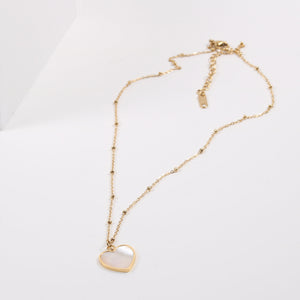
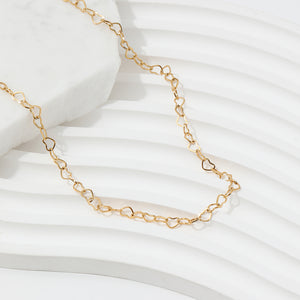
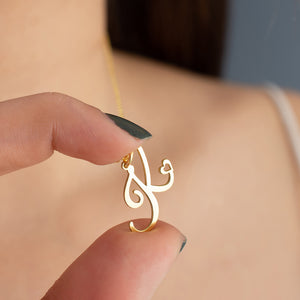
The piece they're describing → Collier Initiales Horizontales pour Femme — Plaqué Or 18 carats, Pendentif Lettre Horizontale
Personalize Yours


