



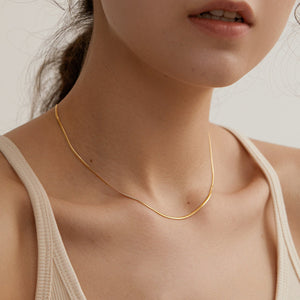
Shop it: AJLuxe Layered Choker Necklace — from $25.99.
- The core rule: vary the chain length by at least 2 inches between each layer (e.g. 16, 18, 20 inches)
- The texture rule: mix chain styles — cable chain + box chain + rope chain prevents tangling and adds visual interest
- Pendants: one focal pendant max; keep other layers plain chains or very small charms
- Anti-tangle trick: start by putting on the longest necklace first, then work upward
- Maximum layers: 3 necklaces is the sweet spot — 4+ tends to overwhelm unless they're very delicate
Layered gold necklaces are one of the easiest ways to upgrade a basic outfit — but done wrong, they look tangled and chaotic. Done right, they look intentional and expensive. The difference comes down to a few specific choices: chain length spacing, chain texture variety, and pendant placement. This guide covers every rule, every shortcut, and every mistake to avoid.
The Length Rule: The Most Important Decision You'll Make
Length spacing determines whether layered necklaces look styled or tangled. The rule is simple: at least 2 inches between each layer. Most people do it wrong by choosing 16, 17, and 18 inches — the necklaces sit so close together they merge into one messy cluster at the front.
The three-layer formula that works for most people:
- Layer 1: 16 inches — sits at the collarbone, just above or at the base of the neck
- Layer 2: 18 inches — falls 2 inches lower, at the upper chest
- Layer 3: 20–22 inches — sits at mid-chest, clearly separated from the second layer
Each layer occupies its own visual zone. The eye reads them as three distinct pieces rather than one tangled clump. That's the entire goal.
If you're adding a fourth layer (long pendant or Y-necklace style), go 24–26 inches to keep it clearly below the third. But start with three — most necklines and outfits look best with two or three layers, not four.

The Texture Rule: Mix Your Chains
Identical chains layered at different lengths still look flat. What gives layered necklaces depth is texture variation — chains that look and behave differently from one another.
| Chain Style | Width | Visual Weight | Best Position in Stack |
|---|---|---|---|
| Cable chain | 1–1.5mm | Very light | Top layer (shortest) |
| Box chain | 1.5–2mm | Light, geometric | Middle layer |
| Rope chain | 2–3mm | Medium, textured | Middle or bottom layer |
| Herringbone chain | 2–4mm | Flat, reflective | Bottom layer — statement |
| Figaro chain | 2–3mm | Alternating link pattern | Middle — adds visual rhythm |
| Satellite/bead chain | Variable (beads 2–3mm) | Delicate with small detail | Any layer — adds subtle sparkle |
The classic starter combination: a cable chain at 16 inches with a small pendant, a rope or box chain at 18 inches (plain), and a longer pendant or herringbone at 20–22 inches. Three different textures, three different lengths — always looks intentional.
How to Use Pendants in a Layered Stack
One pendant is a focal point. Two competing pendants are a fight for attention. Three pendants is a mess. The rule: one pendant maximum in a three-layer stack, and keep the other two layers as plain chains or tiny charms (under 8mm).
Where to place the pendant depends on its size:
- Small pendant (8–14mm): Best at the shortest length (16 inches). It sits high, catches the eye first, and doesn't compete with chains below it.
- Medium pendant (15–20mm): Best in the middle layer (18 inches). Sits in the visual center of the stack.
- Large pendant (22mm+): Best at the longest layer (20–22 inches). Drops below the plain chains above it, which frame it rather than compete with it.
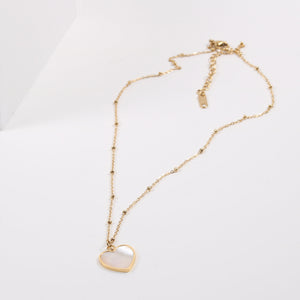
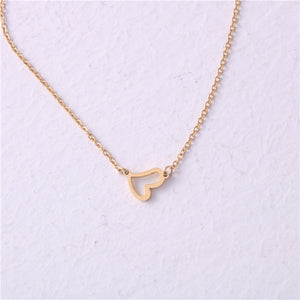
Initial pendants, heart pendants, birthstone drops, and coin pendants all work well in layered stacks. The constraint isn't the pendant style — it's having only one.
What Necklines Work Best with Layered Gold Necklaces
| Neckline | Layer Count | Best Length Range | Notes |
|---|---|---|---|
| V-neck | 2–3 layers | 16–22 inches | The best neckline for layers — the V creates a natural frame for a pendant at the bottom layer |
| Crew neck / round neck | 1–2 layers | 18–24 inches | Avoid 16-inch layers — they sit under the fabric. Start at 18+ inches so necklaces are visible |
| Scoop neck | 2–3 layers | 16–22 inches | Very similar to V-neck — all three layers are usually visible |
| Off-shoulder / strapless | 2–3 layers | 16–20 inches | Shorter lengths work best — keep all layers visible above the neckline |
| Turtleneck / high neck | 1–2 layers (long) | 22–30 inches | Only long chains that drape over the turtleneck look right; shorter layers vanish inside the collar |
| Button-down (open) | 2–3 layers | 16–22 inches | Open collar creates a V-shape — same rules as V-neck apply |

How to Prevent Tangling When Layering Necklaces
Tangling is the #1 complaint about layered necklaces — and it's mostly avoidable if you follow these three practices:
1. Put on in order, longest first. Start with the longest necklace. Add shorter ones on top, working up. This keeps the chains in their natural stacking order and reduces the chance the shorter chains wrap around longer ones.
2. Use a layering clasp (separator clasp). A layering clasp clips multiple necklace chains together at the back of the neck, holding them in a fixed position relative to each other. They cost $5–$15 and cut tangling by about 80%. Look for "necklace layering clasp" or "anti-tangle clasp."
3. Choose different chain widths. Chains of the same width tangle most easily because they slide against each other. A 1mm cable chain, a 2mm rope chain, and a 3mm box chain don't lock together the way three identical 1.5mm chains do.
Bonus tip: When storing layered necklaces overnight, keep them on a standing jewellery organiser or necklace hanger rather than in a pile in a jewellery box. Flat storage is the #1 cause of tangled necklaces.
Mixing Metals: Can You Layer Gold with Silver?
Yes — mixed metal layering is intentional and very current. The rule is to commit to it rather than accidentally mixing. If you're going mixed metals, make both tones visible and intentional: one clearly silver, one clearly gold. Don't mix a silver chain with a gold-toned chain that looks like dull gold — that reads as a mistake rather than a styling choice.
Two-tone combinations that work:
- Gold choker + silver mid-length chain
- Gold pendant (short) + silver plain chain (long)
- All gold + one white gold or silver chain as an accent layer
Three-tone (gold + silver + rose gold) is harder to pull off and needs very deliberate length and texture control to look intentional rather than chaotic.
One thing worth understanding before you mix tones: the difference between gold colors comes down to the alloy metals mixed with pure gold — copper for rose, nickel or palladium for white. The Gemological Institute of America (GIA) notes that these alloys are what create yellow, white, and rose gold from the same base metal, which is why two "gold" chains can read as completely different tones in a stack. When you layer, you're really layering alloy colors, not just "gold" — so judge them side by side in natural light before committing.
The 5 Most Common Layering Mistakes
Most layered-necklace failures come down to the same handful of errors. Avoid these and your stack will look intentional almost automatically:
- Lengths too close together. 16, 17, 18 inches merge into one cluster. Always leave at least 2 inches between layers.
- Too many pendants. Two or three pendants fight for attention. One focal pendant per stack — the rest stay plain.
- Identical chains. Three matching 1.5mm cable chains look flat and tangle constantly. Vary the width and texture.
- Ignoring the neckline. A 16-inch layer disappears under a crew neck. Match your lengths to what you're actually wearing.
- Mismatched metal tones by accident. A true silver next to a dull gold-tone reads as a mistake. Either commit fully to mixed metals or keep one tone.
The 3-Layer Starter Kit
If you're building a layered necklace set from scratch, here's the exact combination that works for almost any style:
- 16-inch cable chain with a small pendant (heart, initial, birthstone, or coin) — 10–14mm pendant size. This is your statement layer.
- 18-inch plain box or rope chain (1.5–2mm width) — no pendant. This is your texture layer.
- 20-inch thin chain or satellite chain — plain or tiny beads. This is your depth layer.
Total investment for quality pieces: $60–$110. Each piece is also wearable solo. The set gives you three separate necklaces plus one layered look — four outfits from three pieces.
Browse AJLuxe's layered necklaces for women — starter sets and individual chains in 18K gold plated 925 sterling silver, hypoallergenic, with free US shipping.
For the individual pieces to build a custom stack, see the full gold necklaces collection — cable chains, pendants, and box chains available individually.
Want the two-layer look without fastening two chains?
AJLuxe's 18K Gold PVD-Plated Double Row Snake Chain Necklace puts two snake-chain rows on a single clasp, so the layered look above is built in rather than assembled from two separate necklaces.
Shop the Double Row Snake Chain →Frequently Asked Questions
How many necklaces should you layer at once?
Two or three is the sweet spot. Two layers look elegant and intentional with minimal effort. Three layers create a fuller, more styled look. Four or more require very thin, very delicate chains to avoid looking overdone — it's doable but demands more careful curation.
What is the best way to layer gold necklaces without tangling?
Three things: put them on longest-first, use a layering clasp at the back, and choose different chain widths for each layer. The layering clasp is the biggest single upgrade — it holds the chains in a fixed relative position at the back, which is where most tangling starts.
What length necklaces are best for layering?
16, 18, and 20 inches is the most versatile three-layer combination. Each sits in its own zone (collarbone, upper chest, mid-chest) with clear visual separation. Always leave at least 2 inches between each layer.
Can you layer necklaces of different thicknesses?
Yes — in fact, you should. Different chain widths add texture depth and help prevent tangling. A 1mm cable chain layered with a 2mm rope chain and a 3mm herringbone looks intentionally curated and holds its position better than three identical-width chains.
What necklace goes on first when layering?
Always put on the longest necklace first. Work upward toward the shortest. This order keeps the chains in their natural stacking position and prevents the shorter chains from wrapping around the longer ones while you're putting them on.
Can you layer a pendant necklace?
Yes — but use only one pendant in a stack. Place the pendant at either the shortest length (it becomes the top focal point) or the longest (it hangs below the plain chains, framed by them). Two pendants in one stack compete with each other and look cluttered.
Do layered necklaces look good on everyone?
Yes, with the right chain lengths. Shorter necks benefit from slightly longer layers (18–22 inches) to create the illusion of length. Longer necks can use the standard 16–20 inch formula without adjustment. The key variable is neckline, not neck length — always match chain lengths to the neckline you're wearing.
What is a layering clasp and do I need one?
A layering clasp (also called a necklace separator or anti-tangle clasp) is a small hardware piece that clips two or three necklace chains together at the back, holding them in position. You don't need one, but it makes wearing multiple necklaces noticeably easier and reduces tangling significantly. About $5–$15 online.
How do you store layered necklaces to prevent tangling?
Use a standing jewellery organiser with individual hooks — one hook per necklace. Avoid storing necklaces coiled together in a box or drawer. The flat pile is the primary cause of chain tangling. If you travel with layered necklaces, use a portable roll-up jewellery case with individual slots.
What is the easiest two-layer necklace combination?
A 16-inch dainty pendant chain paired with an 18-inch plain chain (no pendant). The pendant handles all the visual interest; the second chain adds depth without competing. It's a two-minute morning combination and the most forgiving layered look for beginners.
Start Simple, Add from There
The best layered gold necklace look you can build right now: a 16-inch pendant + an 18-inch plain chain. Two lengths, two textures, one focal point. That combination takes 30 seconds to put on and works with every neckline. Once you have that as a foundation, adding a third layer is simple.
The rules that matter most: minimum 2 inches between layers, varied chain textures, one pendant only, and longest chain on first. Everything else is personal preference.
Written by the AJLuxe team — specialists in personalized sterling silver jewelry. Last updated: May 2026.
Related reading: How to Layer Necklaces: The Complete Styling Guide (2026), Dainty Necklace Style Guide: Length, Metal & Layering (2026), How to Layer Necklaces Without Tangling: The Complete Step-by-Step Guide.
Toutes les marques, noms de marque et noms de produits tiers sont la propriété de leurs détenteurs respectifs. AJLuxe n’est affilié à aucune marque tierce citée dans cet article, ni approuvé ou sponsorisé par celle-ci. Les noms de marque sont utilisés uniquement à des fins de comparaison factuelle, et les descriptions de matériaux reflètent les spécifications produit publiées par chaque marque au moment de la rédaction.
You Might Also Like
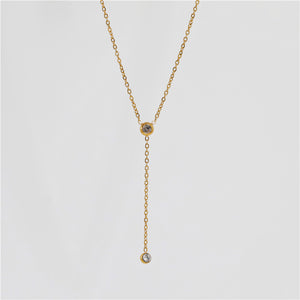
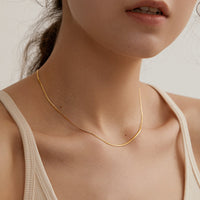
The piece they're describing → Collier Ras du Cou Superposé pour Femme — Plaqué Or 18K, Multi-Rang, Ajustable
Personalize Yours


