


- Solid gold = gold alloy through and through. Never flakes, most expensive, hypoallergenic at 14K+.
- Gold-filled = thick gold layer (5% of weight minimum by U.S. law) bonded to brass. Lasts 20-30 years with care, mid-priced.
- Gold-plated = a microscopically thin gold layer over sterling silver or brass. Most affordable, lasts months to a couple years, needs the most care.
- AJLuxe jewelry is 925 sterling silver with 18K gold plating (some pieces PVD-plated for extra wear resistance) — priced and positioned between gold-filled and gold-plated basics, not as a solid-gold substitute.
- All three can be hypoallergenic if the base metal or top layer is nickel-free — plating and karat purity matter more than the "gold vs filled vs plated" label alone.
If you've been comparing solid gold vs gold filled jewelry and keep running into gold-plated pieces in the same search results, you're not imagining the overlap — all three terms describe completely different amounts of actual gold, and the differences show up fast in how long a piece lasts on your skin. Solid gold is the real thing from the surface down. Gold-filled sits in a genuinely useful middle tier that most shoppers have never heard explained properly. Gold-plated is the thinnest and most affordable of the three, and it's also what most "affordable gold jewelry" brands — AJLuxe included — actually sell. This guide breaks down the composition, durability, cost, and hypoallergenic differences honestly, including where 18K gold-plated sterling silver (and gold-toned titanium) fits on that spectrum.
What Solid Gold, Gold-Filled, and Gold-Plated Actually Mean
These three terms get thrown around loosely in jewelry marketing, but they're legally and physically distinct categories in the U.S., regulated in part by the Federal Trade Commission's jewelry guides.
Solid gold is a gold alloy (rarely pure 24K, since pure gold is too soft for everyday jewelry) all the way through the piece. It's stamped with a karat mark — 10K, 14K, 18K, or 22K — indicating what percentage of the metal is actual gold. There's no base metal core to expose; if you scratched it, you'd still be looking at gold.
Gold-filled jewelry has a solid layer of gold — usually 12K or 14K — mechanically pressure-bonded (not electroplated) to a brass core. By U.S. federal law, that gold layer must equal at least 1/20th (5%) of the piece's total metal weight to legally use the "gold-filled" name. That's roughly 100 times more gold than standard gold plating, and because it's bonded rather than deposited, it doesn't flake or rub off the way plating can.
Gold-plated jewelry uses electroplating (or, in higher-end pieces, PVD/vacuum plating) to deposit a thin layer of gold over a base metal — typically brass, copper, or sterling silver. Standard gold plating runs about 0.5 to 2.5 microns thick, sometimes described as "millionths of an inch." "18K gold plated" describes the purity of that thin gold layer, not its thickness — a common point of confusion, since a piece can be 18K gold plated and still wear through in under a year if the layer itself is thin.

Solid Gold vs Gold-Filled vs Gold-Plated: Comparison Table
| Feature | Solid Gold | Gold-Filled | Gold-Plated (incl. AJLuxe 18K) |
|---|---|---|---|
| Composition | Gold alloy throughout | Solid gold layer bonded to brass core | Thin gold layer over sterling silver or brass |
| Gold thickness | 100% through | At least 5% of total weight (legal minimum) | Roughly 0.5-2.5 microns |
| Karat purity used | 10K-22K | Usually 12K or 14K | Usually 18K or 24K (purity, not thickness) |
| Typical lifespan | Decades, with normal care | 20-30 years with care | 6 months-2 years depending on wear and plating quality |
| Typical price range | $300-$3,000+ | $40-$150 | $15-$60 |
| Hypoallergenic | Yes, at 14K and above | Usually, if the base is nickel-free brass | Depends on base metal — sterling silver bases (like AJLuxe's) are more skin-friendly than brass |
| Water/shower safe | Yes | Generally yes, dry promptly | Avoid prolonged exposure — speeds up wear |
Durability and Lifespan: How Long Does Each Actually Last?
Most comparison articles stop at "solid gold lasts longest, plated lasts shortest" without explaining why the range is so wide within each category — which is the actual useful information if you're deciding what to buy.
Solid gold's durability comes from the fact that there's no surface layer to wear through — scratches and dings change its shape, not its color. The only real risk is softness at higher karats (22K and 24K bend more easily than 14K or 18K), which is why most everyday solid-gold jewelry is 14K or 18K rather than pure gold.
Gold-filled jewelry's 20-30-year lifespan estimate assumes normal wear and basic care — not swimming pools, harsh cleaning chemicals, or constant friction against rough surfaces. Because the gold layer is bonded rather than deposited, it resists flaking even under moderate wear, which is the main reason it outperforms plated jewelry by such a wide margin despite being far less gold by volume.
Gold-plated jewelry's lifespan varies the most, and that variance is almost entirely about plating thickness and what's underneath it — not just brand or price. A thin plating layer over a brass base wears fastest because the friction happens directly against a reactive metal. A gold-plated layer over sterling silver (like AJLuxe's 18K gold-plated pieces) tends to hold up better and age more gracefully, since sterling silver doesn't corrode the same way brass does, and some pieces use PVD (physical vapor deposition) plating, which bonds more tightly to the metal surface than standard electroplating and resists rubbing off in daily wear.
Cost Breakdown: What You're Actually Paying For
The price gap between these three categories isn't just markup — it tracks almost exactly with how much actual gold is in the piece.
- Solid gold prices move with the daily gold spot price, which is why identical-looking 14K gold rings can vary $50-$100 in price week to week.
- Gold-filled pieces cost more than plated because that 5%-by-weight gold layer is real material cost, not just labor — a gold-filled chain uses meaningfully more gold than a plated one of the same size.
- Gold-plated pieces are priced almost entirely on the base metal, craftsmanship, and design, since the gold layer itself is a tiny fraction of a cent's worth of material. That's what makes it possible to buy a well-designed, sterling-silver-based, 18K gold-plated necklace for $30-$50 instead of the $300+ a comparable solid-gold piece would cost.

Hypoallergenic Properties: Which Is Safest for Sensitive Skin?
This is where most comparison guides oversimplify. "Solid gold is hypoallergenic" is only reliably true at 14K and above — lower karats contain more alloy metal (sometimes nickel) that can trigger reactions in sensitive skin. Gold-filled is usually safe because the brass core is fully sealed by the bonded gold layer, so skin never touches the base metal unless the plating has significantly worn through.
Gold-plated is the category where base metal matters most, because the layer is thin enough that any imperfection or wear point can expose what's underneath. This is exactly why the base metal choice matters: gold-plated brass can cause reactions once the plating thins, while gold-plated sterling silver (925 silver, which is itself hypoallergenic and nickel-free) stays skin-safe even as the gold layer wears, since silver rarely triggers the same reactions brass does. If you have sensitive ears or skin, look specifically for "925 sterling silver, gold plated" rather than just "gold plated," and avoid pieces that don't disclose the base metal at all.
If you want maximum durability and zero risk of reaction regardless of plating wear, titanium jewelry with a gold finish is worth considering as a fourth option outside this comparison — titanium is naturally hypoallergenic and doesn't require nickel or brass in its construction, though gold-toned titanium pieces use a coating process similar to PVD plating rather than being "gold" in the alloy sense, so the same wear-over-time logic still applies.
Care and Maintenance: Making Each Type Last Longer
- Solid gold: Clean occasionally with mild soap and warm water; store separately to avoid scratching from other jewelry.
- Gold-filled: Remove before swimming or using cleaning products; wipe with a soft cloth after wear to remove oils and lotion residue.
- Gold-plated: Put it on last (after perfume and lotion), take it off first, avoid water and friction where possible, and store flat in a dry pouch — the same care routine that extends AJLuxe's 18K gold-plated pieces well past their average lifespan.
Where AJLuxe's 18K Gold-Plated Jewelry Fits
To be straightforward about it: AJLuxe doesn't sell solid gold or gold-filled jewelry. Our pieces are 925 sterling silver with an 18K gold plating (some, like our snake-chain necklace styles, use PVD plating for extra wear resistance), which places us honestly in the gold-plated tier of this comparison — not a budget alternative to solid gold or gold-filled, but a genuinely different product built around the sterling-silver base advantage described above. If longevity is your top priority and budget allows, gold-filled or solid gold will outlast any plated piece. If you want the 18K gold look at a fraction of the price, with a base metal (sterling silver) that's kinder to sensitive skin than the brass used under most budget gold-plated jewelry, that's the tier AJLuxe is built for.
Curious about the metal underneath the plating? See our guide on brass vs gold plated.See AJLuxe's 18K gold-plated, sterling-silver chain necklace
See also: PVD vs Gold Plated Jewelry: The Real Difference.
Shop the Snake Chain NecklaceRelated reading: Does Rose Gold Tarnish? The Truth About Plated vs. Solid Rose Gold (2026).
Related reading: Gold Overlay vs Gold Plated: What's the Real Difference (2026)?.
Frequently Asked Questions
Is gold-filled better than solid gold?
No — solid gold has more actual gold and will always outlast gold-filled in raw durability. Gold-filled is a better value for most people because it delivers 20-30 years of wear at a fraction of solid gold's price, not because it's superior material.
How long does gold-filled jewelry actually last?
With normal wear and basic care (removing it before swimming or showering with harsh soaps), gold-filled jewelry commonly lasts 20 to 30 years without visible fading, because the bonded gold layer resists flaking.
Is gold-filled jewelry worth anything if I sell it?
Gold-filled jewelry has some resale value because of its real gold content, but it's typically sold by weight at a steep discount compared to solid gold, since the gold layer is only about 5% of the total weight. It's not a meaningful investment vehicle the way solid gold can be.
Can you shower with 14K gold-filled jewelry?
Occasional water contact is generally fine, but daily showering with soap, shampoo, and hard water minerals will shorten its lifespan over time. Removing it before showering is the safest habit if you want it to last the full 20-30 years.
Will gold-filled jewelry turn green or tarnish?
Properly made gold-filled jewelry resists tarnishing far better than gold-plated jewelry because the thicker gold layer fully seals the brass core. Turning green usually signals a lower-quality piece where the gold layer has worn thin enough to expose the base metal.
What is the difference between gold-plated and gold vermeil?
Gold vermeil is a specific, legally regulated type of gold plating: real gold (at least 10K, usually 14K or 18K) plated over sterling silver at a minimum thickness of 2.5 microns. Standard gold plating has no minimum thickness requirement and can use brass or copper as the base, which is why vermeil is generally considered a step above ordinary gold-plated jewelry.
How can I tell if jewelry is solid gold, gold-filled, or gold-plated?
Check the stamp first — solid gold is marked with a karat number alone (14K, 18K), gold-filled is marked "GF" or "1/20 12K GF," and gold-plated is marked "GP" or "HGE" (heavy gold electroplate). If there's no stamp, the price and weight are your best clues: gold-plated pieces are noticeably lighter and cheaper than gold-filled or solid gold items of the same size.
Is 18K gold-plated jewelry good quality?
The "18K" refers to the purity of the thin gold layer, not its thickness, so 18K gold-plated jewelry can range widely in quality depending on the plating thickness and base metal. Look for a sterling-silver base and, ideally, PVD plating for better durability than standard electroplating over brass.
Does gold-plated jewelry cause allergic reactions?
It can, but usually only once the thin gold layer wears through to expose the base metal underneath. Gold-plated jewelry over a nickel-free base like sterling silver is much less likely to cause reactions than gold-plated brass or nickel alloys, even after the plating thins.
Is titanium jewelry with a gold finish hypoallergenic?
Yes — titanium itself is naturally hypoallergenic and nickel-free, making gold-toned titanium jewelry a strong option for very sensitive skin. The gold coating on titanium pieces is applied similarly to PVD plating and will wear over time like any plated finish, but the titanium base underneath stays skin-safe even as the gold tone fades.
Which lasts longer: gold vermeil or gold-filled?
Gold-filled generally lasts longer because its gold layer is thicker by legal minimum (5% of total weight) compared to vermeil's 2.5-micron minimum. Both are meaningfully more durable than standard gold-plated jewelry, but gold-filled edges out vermeil for everyday, long-term wear.
Final Thoughts
The solid gold vs gold-filled vs gold-plated decision really comes down to how long you need a piece to last and what you're willing to pay for that lifespan. Solid gold is the only category with no wear-through risk at all. Gold-filled is the smartest middle ground for daily-wear pieces you want to keep for decades without solid-gold pricing. Gold-plated — including AJLuxe's 18K gold-plated, sterling-silver jewelry — is the right call when you want the look at an accessible price and are comfortable with a shorter lifespan and a bit more care, especially if you choose pieces with a sterling-silver base and PVD plating rather than plain gold-plated brass. Curious whether that gold-plated layer is genuine gold in the first place? Our guide on is gold plated jewelry real gold breaks down the microns, base metals, and FTC rules behind that layer.
Comparing metals more broadly? See our guide on gold plated vs stainless steel. Want the full honest breakdown of gold-filled specifically, including its investment value and how it stacks up beyond this three-way comparison? Read our dedicated is gold-filled jewelry worth it review.
Shop This Guide
- 18K Gold-Plated Double Row Snake Chain Necklace — 925 sterling silver base, PVD-plated for extra wear resistance
- Shop all 18K gold-plated jewelry
- Gold-Plated vs Solid Gold: Full Breakdown
- Does Gold-Filled Jewelry Tarnish?
- Gold Vermeil vs Gold-Filled
Written by AJLuxe Team
Last updated: July 2026
Sources and further reading: Jewelers of America — Jewelry Education.
Alle Marken, Markennamen und Produktnamen Dritter sind Eigentum ihrer jeweiligen Inhaber. AJLuxe steht in keiner Verbindung zu den in diesem Artikel genannten Marken Dritter und wird von diesen weder unterstützt noch gesponsert. Markennamen werden ausschließlich zur sachlichen vergleichenden Bezugnahme verwendet; Materialangaben entsprechen den eigenen veröffentlichten Produktangaben der jeweiligen Marke zum Zeitpunkt der Erstellung.
You Might Also Like

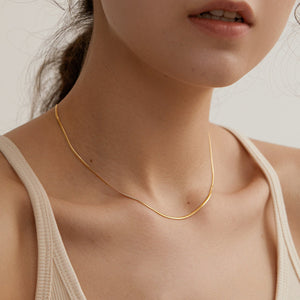
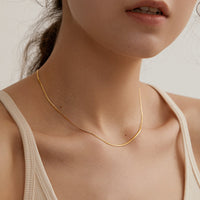
The piece they're describing → Geschichtete Halskette für Damen – 18K vergoldet, mehrreihig, verstellbar
Personalize Yours


