


Best Pearl Earrings 2026: The Complete Buying Guide
Most "best pearl earrings" roundups are really just product lists — ten links with no explanation of what actually separates a great pair from a mediocre one. This guide is different: we cover exactly how to choose pearl earrings — the pearl type, the style, how to spot real vs faux, and which settings won't irritate sensitive ears — and then point you to the piece we'd actually recommend.
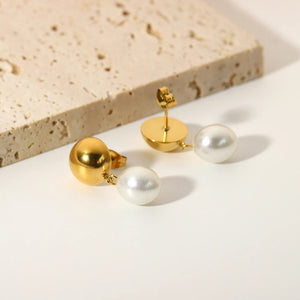
Shop the pick: AJLuxe Pearl Drop Earrings — natural white freshwater pearl on a 14K gold plated setting. Or browse the full Pearl Jewelry Collection.
Freshwater vs Akoya vs South Sea Pearls: Which Type Is Best?
Before you look at style, the single biggest quality decision is pearl type. All cultured pearls form the same way — an irritant triggers a mollusk to coat it in layers of nacre — but the species, water, and growing time produce very different results in price, size, and luster.
| Pearl Type | Typical Size | Luster | Best For | Earring Price Range |
|---|---|---|---|---|
| Freshwater | 5–9mm | Good to very good, satiny | Everyday wear, best value | $20–$300 |
| Akoya | 6–9mm | Excellent, sharp/mirror-like | Classic "white pearl" look, gifting | $150–$1,000+ |
| South Sea | 9–20mm | Very good, warm/satiny | Statement pieces, largest size | $400–$5,000+ |
| Tahitian | 8–16mm | Very good, metallic overtones | Dark/exotic color (black, green, peacock) | $300–$3,000+ |
For most buyers, freshwater pearls are the right call: modern freshwater pearls are almost entirely nacre (no bead core), which means they're durable and often have excellent luster despite costing a fraction of saltwater pearls. If you want the classic bridal-white look with the sharpest shine and have the budget, Akoya is worth the upgrade. South Sea and Tahitian are best reserved for statement pieces, not daily-wear studs.

Stud vs Drop vs Hoop Pearl Earrings: Choosing a Style
Once you've picked a pearl type, style determines how the earrings actually wear day to day.
Pearl stud earrings
Pearl stud earrings are the most versatile format — they work in an office, at a wedding, and with athleisure. A single pearl sits directly on a post, which means minimal movement and no catching on scarves or hair. If you're buying your first pair of pearl earrings, start here.
Pearl drop earrings
Pearl drop earrings suspend the pearl slightly below the earlobe on a short chain or wire, adding gentle movement and a bit more presence than a stud without going full chandelier. They photograph beautifully and read as slightly dressier — a good middle ground between a stud and a statement earring.
Pearl and gold hoop earrings
Pairing a small pearl with a 14k gold hoop earring is one of the most on-trend combinations right now — it takes the classic pearl look and gives it a more modern, layered feel. If you already own gold stud earrings or gold plated hoops, a pearl hoop earring adds variety to your rotation without clashing metals.
Gap most guides skip: nobody tells you how pearl earrings actually behave with other gold jewelry. A single pearl stud or drop reads neutral enough to pair with almost any other gold piece — hoops, huggies, or a stack of studs — because the pearl itself doesn't compete for attention the way a colored gemstone does. That makes pearl earrings one of the easiest "always works" additions to a gold plated earrings collection.
Real vs Faux Pearl Earrings: How to Tell the Difference
Faux (glass, shell-core, or plastic) pearls are common in fast-fashion jewelry, and they're not always disclosed clearly. Three quick checks before you buy or as soon as your order arrives:
- Tooth test: Lightly rub the pearl against your front teeth. Real pearls feel slightly gritty or sandy from the layered nacre structure. Faux pearls feel perfectly smooth.
- Uniformity check: Real pearls have tiny natural variations between the two earrings in a pair — slightly different size, shape, or surface texture. Faux pearls are usually identical, machine-made twins.
- Weight: Real pearls feel denser than lightweight plastic or glass beads of a comparable size.
According to GIA's pearl quality factors, size, shape, color, luster, surface quality, and nacre quality are the six criteria used to grade real pearls — none of which apply to faux pearls, since they have no nacre at all.
Are Pearl Earrings Hypoallergenic? What the Setting Actually Matters
Pearls themselves — calcium carbonate and conchiolin — are biologically inert. They essentially never cause an allergic reaction. The real question for sensitive ears is the post and setting metal, not the pearl. Our deep dive on whether gold earrings are hypoallergenic covers this in detail, but the short version for pearl earrings specifically:
- Solid 14K/18K gold posts — safest option, will not react with skin.
- Titanium or surgical steel posts — safest budget option, hypoallergenic by design.
- Gold plated posts over brass or base metal — fine short-term, but plating wears thin over months of wear and can expose nickel underneath, which is the most common trigger for ear irritation.
Gap most guides skip: a "gold plated earrings" listing almost never tells you what's underneath the plating. AJLuxe's 14K gold plated pearl drop earrings use a 925 sterling silver base under the plating — sterling silver is nickel-free and far less reactive than the brass or copper alloys used in cheaper "gold plated earrings," even after the plating layer wears down over time.

Pearl Size, Shape, and Luster: What Actually Signals Quality
Two pearls can be the same size and price and look completely different in person. Here's what to prioritize, in order:
- Luster — the sharpness of the light reflection. High-luster pearls look almost lit from within; low-luster pearls look chalky and flat. This matters more than any other single factor.
- Surface quality — fewer visible blemishes, spots, or bumps means a cleaner, more polished look.
- Shape — round is the classic, most versatile shape. Slightly off-round or button-shaped pearls are common in freshwater pearls and cost less without a major visual difference in earrings.
- Color — white, cream, and pink/lavender are the most versatile with gold settings. Color is largely personal preference, unlike luster and surface quality.
- Size — 6–8mm covers most everyday needs; go larger only for statement pieces.
How Much Should You Pay for Pearl Earrings?
Price varies enormously by pearl type, but for the everyday buyer, here's a realistic range:
- Under $30 — likely faux or very low-grade freshwater pearl. Fine for costume jewelry, not for a "real pearl" purchase.
- $30–$100 — solid entry point for genuine freshwater pearl studs or drops in a 14K gold plated setting. This is the sweet spot for most everyday buyers.
- $100–$300 — higher-grade freshwater or entry-level Akoya pearls, often in solid gold rather than plated settings.
- $300+ — Akoya, South Sea, or Tahitian pearls in solid gold, moving into fine jewelry territory.
If you're comparing a $40 pair of pearl studs to a $40 pair of CZ stud earrings, both can be excellent value — the deciding factor is simply whether you want the organic, understated look of a pearl or the brighter sparkle of a cut stone.
Best Pearl Earrings by Occasion
Not every pearl earring style suits every occasion. A quick reference:
- Work/office — small pearl studs (6–7mm) in gold plated or solid gold. Understated and professional.
- Everyday/errands — pearl studs or a small pearl-and-gold huggie hoop. Low-maintenance, won't catch on scarves or hair.
- Date night/dinner — pearl drop earrings. The slight movement and extra length read as intentionally dressed-up without being formal.
- Wedding guest or bridal — classic Akoya pearl studs or drops, or a pearl-and-gold hoop for a more modern bridal party look.
- Gift-giving — pearl drop or stud earrings in a labeled gift box are one of the most universally appreciated jewelry gifts, since pearls suit nearly every age and style preference.
Pearl Earrings and Your Existing Gold Jewelry Collection
One question we get constantly: do pearl earrings work with the gold stud earrings and 14k gold hoop earrings already in your jewelry box? Almost always, yes. Because a pearl reads as a neutral, organic accent rather than a competing metal or gemstone color, pearl earrings mix cleanly into a gold plated earrings collection without any styling gymnastics:
- Wear a pearl stud in a second piercing alongside a small gold hoop in your primary lobe for an easy curated-ear look.
- Swap between plain gold plated earrings and pearl studs day to day — both share the same warm gold tone, so nothing clashes even when worn on consecutive days.
- Layer a pearl drop earring with delicate gold huggie hoops on the opposite ear for an asymmetrical, editorial-leaning look.
Because 14k gold plated earrings and pearl earrings share the same warm-metal foundation, building a small rotating collection of both is one of the lowest-effort ways to upgrade an everyday jewelry box.
Our Pick: AJLuxe Pearl Drop Earrings
For most buyers researching "best pearl earrings," our recommendation is the AJLuxe Pearl Drop Earrings — a natural white freshwater pearl suspended from a 14K gold plated, 925 sterling silver setting. It checks every box in this guide: real cultured freshwater pearl (not faux), a versatile drop silhouette that works from desk to dinner, and a nickel-free sterling silver base under the gold plating for sensitive ears.
Shop this pick: Pearl Drop Earrings — 14K Gold Plated, Natural White Pearl. Want more options? Browse the full Pearl Jewelry Collection, including pearl studs, hoops, and layered sets.
Prefer a different silhouette? Our guide on pearl earring styles and occasions covers formats we don't stock directly, and our complete guide to CZ stud earrings is a useful comparison if you're deciding between a pearl stud and a crystal stud for everyday wear.
Common Mistakes When Buying Pearl Earrings
- Chasing size over luster. A large, dull pearl looks cheaper than a smaller, high-luster one. If you're choosing between two similarly priced options, pick the shinier pearl.
- Ignoring the post material. Buyers focus on the pearl and skip the fine print on what the post is made of — this is the actual source of most earring-related skin irritation.
- Assuming "pearl" always means real. Terms like "pearl-style," "faux pearl," or "pearl-inspired" in a listing mean the pearl is not genuine, even if the photo looks convincing.
- Overpaying for a certificate you don't need. Formal grading reports matter for high-value strands, not everyday stud or drop earrings — don't let upsells push your budget past what the style warrants.
- Buying identical pearls and expecting a "flaw." If both pearls in a pair look perfectly identical down to the surface texture, that's a sign they may be faux rather than natural.
How to Care for Pearl Earrings
Pearls are softer and more porous than most gemstones, so they need slightly different care than the rest of your jewelry box:
- Last on, first off — put pearl earrings on after makeup, perfume, and hairspray, and take them off before washing your face or showering.
- Wipe after wear — a soft, dry cloth removes oils and sweat that dull nacre over time.
- Never use ultrasonic cleaners — the porous nacre absorbs liquid and vibration damage more easily than diamonds or hard gemstones.
- Store separately — a soft pouch prevents pearls from being scratched by harder stones or metal edges.
For more general upkeep on gold plated pieces, our guide on how long CZ earrings last covers plating wear timelines that apply to any gold plated setting, pearls included. If you like to rotate styles, see how to style CZ stud earrings for pairing ideas that also work with pearl studs.
Frequently Asked Questions
What are the best pearl earrings to buy for beginners?
For a first pair, choose 6–7mm round freshwater pearl studs in a 14K gold plated or solid gold setting. Freshwater pearls give the best luster-to-price ratio, a 6–7mm size works with any face shape or outfit, and a stud is the most versatile everyday format.
How do Akoya, Freshwater, South Sea, and Tahitian pearls differ in quality and appearance?
Freshwater pearls are all-nacre and affordable ($20–$300 for earrings). Akoya pearls are saltwater with the sharpest mirror-like luster ($150–$1,000+). South Sea pearls are the largest, 9–20mm, with a warm satiny glow ($400–$5,000+). Tahitian pearls are naturally dark — black, green, peacock — from French Polynesia ($300–$3,000+).
What is the best size for pearl stud earrings for everyday wear?
6mm to 8mm is the most versatile size for daily wear — small enough to feel effortless, large enough to register. Akoya pearls around 7–7.5mm are considered the classic "office to evening" size.
Are real pearls hypoallergenic, and which earring settings prevent skin irritation?
Yes, the pearl itself is inert and essentially never causes a reaction. Irritation comes from the metal post, not the pearl — choose solid 14K/18K gold, titanium, or surgical steel posts, and be cautious with plated posts over unstated base metals.
How can I tell if pearl earrings are real or faux before buying?
Rub the pearl lightly against your front teeth — real pearls feel slightly gritty from their nacre layers, faux pearls feel perfectly smooth. Real pearls also show small natural variations between the pair; faux pearls are usually identical.
Why is luster more important than color when choosing pearl earrings?
Luster — the sharpness of the light reflection off the surface — is the biggest driver of how expensive and elegant a pearl looks. A high-luster pearl looks luminous even at a modest price; a low-luster pearl looks chalky and flat regardless of size or color.
Are freshwater pearls a better choice than cheap Akoya pearls for budget buyers?
Usually yes. A well-selected, high-luster freshwater pearl looks better than a low-grade, low-luster Akoya pearl at the same price. Akoya only pulls ahead once your budget accesses its higher luster grades.
Can I wear pearl earrings if I have sensitive skin, and what settings are safe?
Yes. The pearl won't cause a reaction — choose posts in solid gold, titanium, or surgical steel rather than base-metal posts with only a thin plating layer, since plating can wear through and expose nickel.
How do I care for and clean pearl earrings to maintain their shine?
Wipe with a soft, dry cloth after each wear, apply pearls last after makeup and perfume, avoid ultrasonic cleaners and harsh chemicals, and store them separately in a soft pouch.
Want the fuller occasion-by-occasion breakdown? See our pearl earrings buying guide — styles, real vs. freshwater vs. shell pearl, and how to choose.
Related reading: Aragonite meaning.
Related reading: Best materials for earrings.
Related reading: Freshwater pearl necklace guide.
Related reading: Pearl necklace buying guide.
Related reading: Jewelry gift for grandmother.
Related reading: Retirement gift jewelry.
Related reading: Memorial remembrance jewelry.
Related reading: Best cartilage earrings.
Toutes les marques, noms de marque et noms de produits tiers sont la propriété de leurs détenteurs respectifs. AJLuxe n’est affilié à aucune marque tierce citée dans cet article, ni approuvé ou sponsorisé par celle-ci. Les noms de marque sont utilisés uniquement à des fins de comparaison factuelle, et les descriptions de matériaux reflètent les spécifications produit publiées par chaque marque au moment de la rédaction.
You Might Also Like
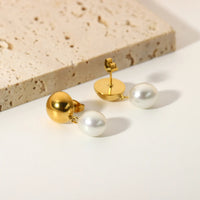
The piece they're describing → Boucles d'oreilles pendantes en perles pour femme — Plaqué or 14 carats, perle blanche naturelle, prêtes à offrir
Personalize Yours


