


Cartilage piercings — helix, tragus, conch, daith, rook — aren't just "small lobe piercings higher up." The tissue is thicker, the blood supply is poorer, and healing takes three to six times longer than a standard earlobe. That means the jewelry you choose matters far more here than it does for lobes: the wrong backing, the wrong post length, or the wrong metal can turn a normal piercing into a months-long irritation cycle. This guide breaks down the best cartilage earrings by placement, compares stud vs hoop vs flat-back for healing piercings, and points you to the specific AJLuxe pieces built for cartilage-safe wear.
Quick vocabulary check before we start: a cartilage stud almost always means a flat-back (labret-style) earring — a straight post with a flat disc on the back instead of a butterfly clutch. A cartilage hoop is typically a small-diameter huggie or seam ring, worn once the piercing is fully healed. We'll cover exactly when each makes sense below.

Best Cartilage Earrings by Placement
Every cartilage location heals a little differently, and the anatomy dictates which earring style fits comfortably. Here's how to match your placement to the right format.
| Placement | Where It Sits | Recommended Style | Best Material | Typical Healing Time |
|---|---|---|---|---|
| Helix | Upper outer ear rim | Flat-back stud while healing; small hoop after | Titanium or 14K gold | 3–6 months |
| Tragus | Small flap in front of ear canal | Flat-back stud only (limited space for a hoop) | Titanium or 925 sterling silver | 3–9 months |
| Conch | Center shell of the ear | Flat-back stud (inner conch) or hoop (outer conch, healed) | Titanium initially, gold once healed | 4–12 months |
| Daith | Innermost cartilage fold above canal | Small seam ring or hinged hoop (space-dependent) | Titanium (avoid thick gauges) | 4–12 months |
| Rook | Upper ridge above the tragus | Curved barbell or flat-back stud initially | Titanium; sterling silver once healed | 6–12 months |
Notice the pattern: almost every placement starts with a flat-back stud in titanium and only "graduates" to a hoop or a softer metal like sterling silver or gold after the tissue is fully closed. That's not a style preference — it's how cartilage actually heals.
Stud vs Hoop vs Flat-Back for Healing Piercings
This is the single most common point of confusion, so here's the direct answer: for a healing cartilage piercing, a flat-back stud almost always beats both a traditional butterfly-back stud and a hoop.
- Flat-back (labret) studs — A straight post with a flush disc back instead of a clutch. No pressure points, no snagging on hair or headphones, and the post length can be sized to your exact swelling stage. This is what professional piercers use for initial jewelry, and it's what you should keep wearing through the healing window.
- Butterfly-back studs — The clutch sits directly against inflamed cartilage tissue and applies continuous pressure, which slows healing and is a common cause of painful bumps. Avoid these entirely for any piercing under a year old.
- Hoops (huggies, seam rings, hinged hoops) — Beautiful for styling an ear stack, but they move with every touch, catch on clothing and hair, and put rotational stress on tissue that hasn't fully closed. Save hoops for placements that are completely healed — typically 6–12 months post-piercing, confirmed by no tenderness, swelling, or discharge.
Our flat-back cartilage earrings guide covers post-length sizing in more depth, and our huggie earrings for cartilage guide walks through exactly when it's safe to make the switch to hoops.
Hypoallergenic Materials for New Piercings
Cartilage's slow healing rate makes metal choice more important than it is for lobes — an earlobe piercing might shrug off a mildly reactive metal, but a fresh cartilage piercing has weeks of open, healing tissue that's far more vulnerable.
| Material | Nickel Content | Good For | Notes |
|---|---|---|---|
| Implant-grade titanium (ASTM F136) | Zero | Fresh piercings, all placements | The professional piercing industry standard — lightest weight, most inert |
| 925 sterling silver | None, properly sourced | Healed cartilage, everyday wear | Not recommended for the first few months since it can tarnish and shed micro-particles into open tissue |
| 14K–18K solid gold | None at 14K+ | Healed cartilage, long-term pieces | Excellent once healed; too costly to risk on a piercing that might migrate or reject |
| 18K gold plated earrings | Depends entirely on base metal | Healed cartilage only | Only safe if the base metal underneath the plating is also nickel-free (like 925 silver) — never use on a fresh piercing |
| Surgical steel (ASTM F138) | Trace, molecularly bound | Healed cartilage, budget picks | Tolerated by most people once healed; skip for fresh piercings or known nickel sensitivity |
The takeaway: for the first several months, stay in titanium. Once fully healed, 925 sterling silver and 14K gold — including 14k gold hoop earrings and gold stud earrings — are both excellent long-term choices, and gold plated earrings are fine as long as the base metal is specified and nickel-free.

Post Length & Gauge: The Detail Most Guides Skip
Almost every cartilage buying guide talks about metal and skips the single detail that causes the most post-piercing discomfort: post length and gauge sizing relative to swelling.
- Fresh piercing (0–6 weeks): Your piercer sizes the initial jewelry with extra post length to accommodate swelling. Don't downsize yet, even if it looks "too long" — a too-short post will embed into swollen tissue and cause painful pressure bumps.
- Mid-healing (6 weeks–6 months): Swelling has mostly gone down. This is the point where many piercers recommend downsizing to a shorter, snugger post — a task best done by a professional, not swapped at home with off-the-shelf jewelry.
- Fully healed (6–12+ months): Post length can be sized purely for comfort and style. This is also when it's safe to introduce a hoop, since the fistula (piercing channel) is stable and won't shift or migrate from movement.
- Gauge: Standard cartilage piercings use 18g or 16g posts. Never size up (thicker) or down (thinner) without your piercer's guidance — a mismatched gauge is a leading cause of tissue trauma and keloid-style scarring on cartilage specifically.
If you're shopping online rather than through your piercing studio, always check the listed post length in millimeters, not just the earring style photo — this is the detail that determines whether a "cartilage-safe" stud actually fits your healing stage.
Buying Checklist by Piercing Stage
Here's a second gap most competitor guides don't address directly: what to actually buy changes as your piercing progresses. Use this checklist to know what's safe to shop for right now.
- Weeks 0–6 (fresh): Keep your piercer's original jewelry in. Don't shop yet — changing jewelry this early is the #1 cause of prolonged healing and infection risk.
- Months 2–4 (early healing): If your piercer clears a downsize, shop for a titanium flat-back stud with a shorter post. Avoid hoops and avoid sterling silver or gold at this stage.
- Months 4–9 (mid-to-late healing): Sterling silver and 14K gold flat-back studs become reasonable options if there's no ongoing irritation. Still avoid hoops on tighter placements like tragus, daith, and rook.
- Month 6–12+ (fully healed): Any format works — flat-back studs, small huggie hoops, seam rings — as long as the metal is genuinely nickel-free. This is when you can build out a full ear-stack aesthetic.
Our Cartilage-Ready Picks at AJLuxe
Once you know your placement and healing stage, here's where to shop.
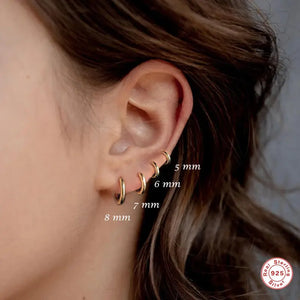
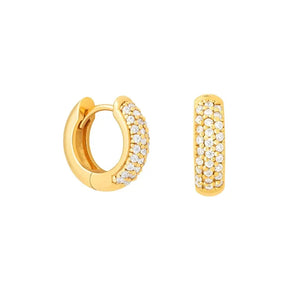
Our Flat Back Stud Earrings are built specifically for cartilage and other healing piercings — 925 sterling silver with a flush push-pin disc back, an 18g post, and no butterfly clutch pressing into healing tissue. Once your cartilage is fully healed and you're ready for a hoop, our small 14K gold-plated huggie hoops sit close to the ear with no dangle or snag risk.
Shop Flat Back Cartilage StudsBrowse the full range, including cartilage stud and cartilage hoop options for every placement and healing stage, in our complete earrings collection.
Common Mistakes to Avoid
- Switching to a hoop too early. The single biggest cause of prolonged cartilage healing and bumps — give it the full 6–12 months first.
- Buying "hypoallergenic" earrings with no metal spec listed. The word means nothing on its own. Look for named grades: ASTM F136, 925, 14K+.
- Using a butterfly-back stud on a fresh cartilage piercing. The clutch presses continuously against inflamed tissue — always choose flat-back for healing cartilage.
- Ignoring post length. A post that's too short for your current swelling stage is the most common cause of painful embedding bumps.
- Downsizing or changing jewelry yourself before the piercer clears it. Cartilage tissue is unforgiving of early changes in a way lobes aren't.
For more on the specific styling angle, see our guides on CZ stud earrings, how to style CZ stud earrings, and how long CZ earrings last once you're ready to add sparkle to a healed cartilage piercing.
Frequently Asked Questions
- What materials are best for cartilage earrings (helix, tragus, conch, daith, rook)?
- Implant-grade titanium (ASTM F136) is the safest choice for all cartilage placements while healing. Once fully healed, 925 sterling silver and 14K–18K solid gold are excellent long-term options.
- Is titanium good for cartilage piercings?
- Yes — implant-grade titanium is the industry standard for cartilage piercings. It's hypoallergenic, lightweight, and won't corrode, making it the safest option during the entire healing window.
- What are the best types of earrings for cartilage piercings?
- Flat-back (labret-style) studs are best for healing cartilage since they have no clutch pressing into the tissue. Small huggie hoops or seam rings are better suited to fully healed piercings.
- What gauge size is standard for cartilage piercings?
- Most cartilage piercings — helix, tragus, conch, daith, and rook — use 18g or 16g posts. Your piercer will size the exact gauge for your anatomy; never change it without their guidance.
- How long does it take for a cartilage piercing to heal completely?
- Cartilage piercings typically take 3–12 months to fully heal, considerably longer than the 6–8 weeks needed for a standard earlobe, because cartilage has a much slower blood supply.
- Should I choose a stud or a hoop for my initial cartilage piercing?
- Always start with a flat-back stud. Hoops introduce movement and rotational pressure that can prolong healing or cause irritation bumps on tissue that hasn't fully closed.
- Why are flat-back studs recommended for cartilage piercings?
- A flat-back stud uses a flush disc instead of a butterfly clutch, so there's no continuous pressure point against healing tissue. It's also the format professional piercers use for initial jewelry, making it easy to size the post length correctly.
- What materials should be avoided for cartilage earrings?
- Avoid unspecified "alloy" or generic "surgical steel" without an ASTM grade, nickel-containing metals, and any gold-plated piece where the base metal isn't disclosed — all of these carry a real risk of irritation on healing cartilage.
- Can I switch to a cartilage hoop right after healing feels done?
- Wait until you've had no tenderness, swelling, or discharge for at least a few weeks beyond when healing "feels" finished — cartilage can look healed on the surface while the deeper tissue is still fragile.
- How do I care for a new cartilage piercing to prevent infection?
- Clean with a saline solution once or twice daily, avoid rotating or touching the jewelry unnecessarily, sleep on a travel pillow to avoid pressure, and don't remove the jewelry for extended periods during healing since cartilage piercings can close quickly.
- What post length should I choose for a fresh cartilage piercing?
- Go with whatever length your piercer originally used, or slightly longer if buying online, to accommodate swelling. A post that's too short is a leading cause of painful embedding bumps in the first few months.
- Are gold-plated earrings safe for cartilage piercings?
- Only for fully healed piercings, and only if the base metal underneath the plating is disclosed and nickel-free (like 925 sterling silver). Never use gold-plated jewelry in a fresh cartilage piercing.
Final Thoughts: Choosing the Right Cartilage Earring
The best cartilage earrings aren't a single style — they're the right combination of flat-back construction, nickel-free metal, and correctly sized post length for wherever you are in the healing timeline. Start with a titanium or sterling silver flat-back stud, size the post to your swelling stage, and only introduce a hoop once the piercing is genuinely, fully healed — typically 6 to 12 months in, depending on placement.
Ready to shop? Start with our Flat Back Stud Earrings — the cartilage-safe, nickel-free pick built for healing piercings — or browse the full earrings collection for every placement and stage.
Written by the AJLuxe team — specialists in personalized sterling silver and gold jewelry. Last updated: July 2026. Metal purity and buying standards referenced from Jewelers of America.
Toutes les marques, noms de marque et noms de produits tiers sont la propriété de leurs détenteurs respectifs. AJLuxe n’est affilié à aucune marque tierce citée dans cet article, ni approuvé ou sponsorisé par celle-ci. Les noms de marque sont utilisés uniquement à des fins de comparaison factuelle, et les descriptions de matériaux reflètent les spécifications produit publiées par chaque marque au moment de la rédaction.
You Might Also Like
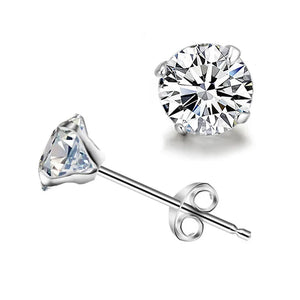
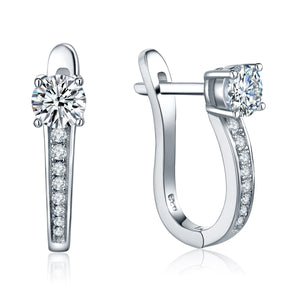
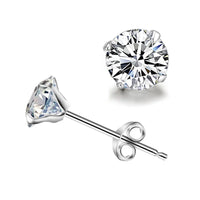
The piece they're describing → Puces d'oreilles en oxyde de zirconium pour femme — Argent sterling 925, oxyde de zirconium, hypoallergéniques
Personalize Yours


