Beautiful & Elegant!
This is stunning! The craftsmanship is amazing, and it feels very special to wear.


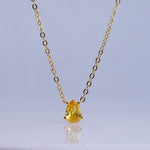
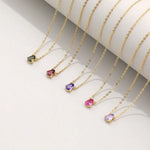
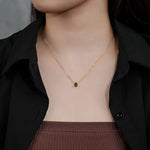
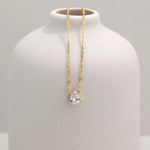
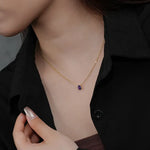
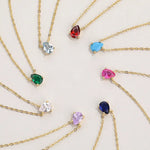
This citrine necklace features a yellow citrine teardrop pendant in 18K gold over 925 sterling silver. Citrine is November's birthstone — a warm, golden-yellow quartz with associations to energy, warmth, and confidence. Its color sits naturally alongside gold metal, making it one of the most cohesive gemstone-metal pairings in the category. Whether you're searching for citrine pendant necklace or gold citrine necklace, this piece covers both.
Citrine (Mohs 7) is quartz — the same hardness as amethyst, which means it's durable enough for regular wear. It's more affordable than most colored gemstones at comparable quality, which makes a citrine pendant necklace a practical choice for everyday use rather than saving it for special occasions.
The teardrop cut maximizes the warm yellow saturation visible from the front. Citrine in gold is one of the most harmonious metal-stone color combinations — the warm tones reinforce each other rather than competing. Our citrine necklace uses genuine citrine or lab-created citrine (noted in product details above) in a 925 sterling silver prong setting.
| Detail | Spec |
|---|---|
| Metal Base | 925 Sterling Silver |
| Plating | Sterling Silver |
| Hypoallergenic | Yes — Nickel-Free |
| Finish | High-Polish, Tarnish-Resistant |
| Occasion | November Birthday Gift, Everyday Wear, Gift |
| Price | $35 — Free shipping available |
Citrine's warm yellow pairs with earth tones and autumn palettes. Brown, rust, olive, burgundy, and burnt orange all complement the stone without fighting it. Cream and white work as clean neutrals. Avoid cool blues and greys that make the citrine color look muddy.
Wear the citrine pendant necklace at 16–18" for visibility. Pair with gold hoops or small stud earrings to stay in the same warm metal family. The gold citrine necklace format is visually complete on its own — you don't need to layer aggressively to make it work.
Citrine crystal necklaces work especially well in autumn and winter lighting, which tends toward warm and golden. The stone reads differently in direct sunlight (vibrant, lime-edged) versus indoor lighting (amber and honey tones).
Good care habits extend your plating significantly. Remove the piece before the gym, pool, or shower. Sweat, chlorine, and lotions are the main causes of premature wear.
Store it flat in a dry pouch or the original box. When cleaning, use a soft dry cloth — no abrasives, no ultrasonic cleaners, no chemical dips. With this routine, 18K plating over 925 sterling silver holds up well for 1–3 years of daily wear.
If you notice dullness, a jewelry polishing cloth brings it back quickly. Avoid chemical cleaners — they strip plating faster than regular wear does.
Yes. It's crafted from 925 sterling silver with Sterling Silver plating — completely nickel-free and safe for sensitive skin, including freshly pierced piercings.
It's 925 sterling silver with rhodium plating. The gold layer gives you the look and feel of fine jewelry at a fraction of the cost. With proper care, the plating lasts 1–3 years of daily wear.
With proper care, no. Keep it dry, avoid perfume and chlorine, and store in a dry pouch. Sterling silver can tarnish if exposed to air and moisture, but the plating layer significantly slows this.
Remove it before showering, swimming, or exercising. Water and chlorine accelerate plating wear. For occasional splashes, dry it immediately and you'll be fine.
November has two birthstones: citrine and topaz. Citrine is the more common choice for jewelry. Topaz (specifically yellow topaz or 'imperial topaz') is the traditional November stone, but citrine became popular as a more affordable alternative. Both are valid November birthstones.
Yes. Citrine is a variety of quartz in yellow-to-orange-brown shades. Its color comes from iron impurities in the crystal structure. Most commercial citrine is either natural (heat-treated amethyst) or lab-created. Both types use the same mineral composition.
Yes. Citrine at Mohs 7 is a practical everyday stone. Avoid hard impacts and store it separately from stones that could scratch it. Don't expose it to prolonged direct sunlight — the color can fade in strong UV over time. With those habits, a citrine pendant necklace holds up well.
🚚 Shipping
| Free Standard | 3–4 business days via USPS. Always free. |
| Express | 1–3 business days via USPS/UPS. Select at checkout. |
| Same-day dispatch | Order before 12:00 PM PST Mon–Fri and it ships today. |
↩️ Returns & Exchanges
| 30-day returns | Full refund if you're not 100% happy — no questions asked. |
| Free exchanges | Wrong size or initial? We'll swap it at no cost. |
| Prepaid label | Email info@ajluxe.com and we send the label to you. |
💳 Refunds
| Processed in 5–7 days | Once we receive the item, your refund is issued within 5–7 business days. |
| Back to original payment | No store credit, no hidden conditions. |
✨ Care Instructions
| 💧 Water | Remove before swimming, showering, or washing hands. Water is the #1 cause of premature tarnish on gold-plated jewelry. |
| 🌸 Chemicals | Put jewelry on after applying perfume, lotion, and hairspray — not before. Chemicals break down the plating layer over time. |
| 🧽 Cleaning | Wipe gently with a soft dry cloth after each wear to remove skin oils. Never use silver polish, ultrasonic cleaners, or abrasive cloths. |
| 📦 Storage | Store in the included gift box or a soft pouch, away from direct sunlight and humidity. Keep pieces separate to avoid scratches. |
| ⏰ Daily wear | Remove before sleep, gym, and housework. With proper care, 18K gold plating over 925 sterling silver lasts 2–4 years of daily wear. |
Questions? Email info@ajluxe.com — we're happy to help.
A piece she can wear, love, and trust every day.
Safe for sensitive skin, made for all-day comfort.
Tarnish-resistant finish that keeps its shine over time.
Beautifully packaged and ready to give, no extra work needed.
Durable enough for daily wear, special enough for meaningful moments.
This product is part of these collections: