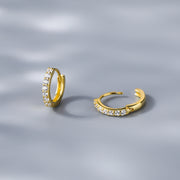
Gold-plated jewelry is real gold — just not much of it. A thin layer of actual gold is electroplated onto a base metal, giving the piece the color and luster of gold at a fraction of the cost of soli…
Gold-plated jewelry is real gold — just not much of it. A thin layer of actual gold is electroplated onto a base metal, giving the piece the color and luster of gold at a fraction of the cost of solid gold. The gold in "gold-plated" is the same gold as in a solid gold piece — the difference is thickness and the material beneath. Understanding what gold plating is and how it works helps you make a smarter decision about what you're buying and how long it will last.
Gold plating is measured in microns — millionths of a meter. Flash plating, used in the cheapest gold-plated jewelry, is typically 0.05 microns or less. It looks gold when new but wears through within weeks of daily wear. Standard gold plating runs 0.5–1.0 microns and lasts months to a year with regular wear. Gold vermeil — a separate, legally defined category — requires a minimum of 2.5 microns of gold plating over a sterling silver base. AJLuxe pieces use 18K gold plating over that same 925 sterling silver base, but we don't publish a certified plating thickness, so we describe them as gold plated rather than vermeil. The difference you see and feel is real: thick, high-karat gold plating over sterling has a richness that flash plating over brass cannot replicate.
The base metal beneath the gold plating matters as much as the gold itself — possibly more. Here's why: all gold plating wears through eventually. It wears fastest at high-friction points: ring shanks, earring posts, bracelet clasp hardware, and the backs of pendants that rest against skin. The base metal is what your skin contacts as the plating thins. If the base metal is brass — the most common choice in affordable gold-plated jewelry because brass is inexpensive and easy to work with — the exposed brass reacts with skin sweat to produce nickel and zinc ions, causing the familiar green skin staining and potential reactive skin symptoms. If the base metal is 925 sterling silver, the exposed sterling is hypoallergenic, won't cause reactions, and tarnishes slowly rather than turning skin green. The gold may eventually reveal the sterling beneath, but the piece remains wearable and safe indefinitely.
AJLuxe uses 18K gold plating over 925 sterling silver for every gold-toned piece in the collection. 18K gold means the plating is 75% pure gold (18 parts per 24 parts), giving the plating a rich, warm yellow-gold tone that 14K (58.3% gold) can't match. Higher gold content in the plating layer means richer color and a slightly longer-lasting surface because gold is more inert and resistant to oxidation than the copper alloys used to reach lower karats. The 925 sterling silver base means the piece transitions safely from "gold-plated sterling" to "exposed sterling" over time without ever becoming unsafe to wear. This is the honest version of gold jewelry: accessible in price, honest about what it is, and designed to remain wearable for years rather than months.
How long does gold plating last? With daily wear, quality 18K gold plating over 925 sterling at 2.5+ microns typically lasts 2–5 years before showing visible wear at friction points. Factors that extend life: removing before showering, swimming, and washing dishes (water exposure accelerates wear); removing before applying perfume, lotion, and sunscreen (chemicals attack the plating surface); avoiding contact with household cleaning products (bleach, ammonia, and alcohol are particularly damaging to gold plating); and storing in a soft pouch rather than loose in a drawer (contact with other jewelry causes micro-scratching of the plating surface). Earrings typically outlast rings and bracelets because they see less friction against surfaces.
| Type | Gold Thickness | Base Metal | Expected Lifespan (Daily Wear) |
|---|---|---|---|
| Flash Plating | 0.05 microns or less | Usually brass | Weeks to months |
| Standard Gold Plating | 0.5–1.0 microns | Brass or sterling | 6 months to 1 year |
| Gold Vermeil | 2.5+ microns | 925 sterling silver | 2–5 years |
| AJLuxe (18K gold plated) | Not certified | 925 sterling silver | 1–3 years |
| Gold Filled | 1/20 total weight in gold | Brass | 10–30 years |
| Solid 14K Gold | Solid throughout | Gold alloy | Lifetime |
| Solid 18K Gold | Solid throughout | Gold alloy | Lifetime |
Gold karat describes the purity of the gold used in the plating layer. 14K gold is 58.3% pure gold; 18K gold is 75% pure gold. The higher the gold content, the more saturated and warm the color — 18K has the rich yellow-gold tone associated with fine jewelry, while 14K is slightly paler and more champagne-toned. For plating purposes, 18K also provides a slightly more resistant plating layer because higher gold content means less copper alloying, and copper is the component of gold alloys most susceptible to tarnishing and reactivity.
The trade-off: 18K plating is more expensive to apply than 14K plating. For consumers, this means 18K gold-plated pieces cost marginally more than comparable 14K pieces from quality brands. The color benefit is visible and immediate — the warmer, deeper gold of 18K is the gold tone associated with "real gold" in consumer perception. AJLuxe uses 18K gold plating because we believe the color quality matters, and because the slightly higher gold content provides a marginally better longevity outcome for the same plating thickness.
The five habits that most extend gold-plated jewelry's lifespan: (1) Remove before water exposure — the number one accelerant of plating wear is repeated wet-dry cycling. Remove before showering, swimming, washing dishes, and exercising. (2) Remove before applying products — perfume, lotion, sunscreen, hairspray, and cleaning products all attack gold plating chemically. Apply all products first, let them absorb or dry completely, then put on your jewelry. (3) Store flat and dry — store each piece separately in a soft pouch or cloth-lined box; contact with other jewelry causes micro-scratching. (4) Clean gently — wipe with a soft, dry cloth after wearing to remove skin oils and sweat, which are mildly acidic and accelerate plating wear over time. (5) Replating — quality gold-plated sterling silver can be replated by a jeweler when the plating wears significantly, restoring the original gold appearance.
Gold plated jewelry is a piece made from a base metal — usually brass or sterling silver — with a thin layer of real gold electroplated onto the surface. The gold is genuine 14K or 18K gold, but extremely thin — measured in microns (millionths of a meter). The gold layer gives the piece the color and luster of solid gold at a fraction of the cost. All gold plating eventually wears through at high-friction points as the gold layer is physically abraded away by contact with skin, clothing, and surfaces. The quality of gold-plated jewelry is primarily determined by: the thickness of the gold layer (more = longer lasting), the karat of the gold (higher = richer color), and the base metal (sterling silver = safe when exposed; brass = reactive when exposed).
Quality 18K gold vermeil (2.5+ microns over 925 sterling silver) typically lasts 2–5 years of daily wear before showing visible wear. The specific lifespan depends heavily on how the piece is worn and cared for. Pieces worn in water frequently, in contact with chemicals and products, or stored carelessly will show wear significantly faster. Pieces removed before water/product exposure, cleaned gently, and stored properly can last 5+ years. High-friction pieces (rings, bracelets) wear faster than low-friction pieces (earrings, pendants). When gold plating does wear, the piece can be replated by a jeweler to restore the original finish.
Gold-plated jewelry over a sterling silver base does not turn skin green. The green discoloration from jewelry comes from copper-rich base metals — particularly brass — reacting with skin sweat and acids. Gold-plated brass produces green skin when the plating wears and the brass is exposed. Gold-plated 925 sterling silver does not produce green skin because sterling silver doesn't contain the high copper ratios that cause the reaction. When gold plating wears on an AJLuxe piece, the sterling silver beneath is exposed — a pale silver color, no green, no reaction. Sterling silver may tarnish (yellow or darken) but doesn't cause skin discoloration.
Yes — the gold layer in 18K gold plating is real gold. 18K means 75% pure gold, and that gold is electrodeposited as a true gold layer on the surface of the base metal. What makes it "gold plated" rather than "gold" is that the gold layer is very thin — measured in microns — rather than forming the entire piece. The distinction is thickness and proportion, not authenticity. You are wearing real 18K gold on the surface. What you're not wearing is solid 18K gold all the way through. Both are real gold; the difference is how much gold is present and where.
Gold filled and gold plated are both layered gold products, but the gold layer in gold filled is dramatically thicker. Gold filled requires that the gold content be at least 1/20 of the total piece weight — mechanically bonded (not just electroplated) to the base metal. This creates a gold layer that is roughly 100 times thicker than standard gold plating. Gold filled pieces last 10–30 years with daily wear. The trade-off: gold filled uses brass as the base metal (the thick gold layer prevents skin contact with the brass for many years), and the manufacturing cost is higher, making gold filled pieces more expensive than gold plated. Gold vermeil (gold plated over sterling) is between the two in durability and is the better hypoallergenic choice because sterling silver is exposed (not brass) when the gold eventually wears.
Yes — gold plated over 925 sterling silver is significantly better than gold plated over brass for two reasons. First, safety: when the gold plating wears, sterling silver is exposed, which is hypoallergenic, nickel-free, and won't cause skin reactions or green discoloration. Exposed brass may contain nickel and causes green skin from copper reaction. Second, longevity of appearance: sterling silver tarnishes slowly and polishes easily; exposed brass tarnishes quickly and visually degrades the piece rapidly. Gold plated sterling silver (gold vermeil) maintains an acceptable appearance even as the gold layer wears, because the sterling beneath still looks like silver-tone fine jewelry. Gold plated brass looks distinctly lower quality once the plating wears.
Yes — gold-plated sterling silver jewelry can be replated by a jeweler to restore the original gold finish. The process: the jeweler cleans the piece thoroughly, removes any remaining plating layer, polishes the sterling base to remove any surface imperfections, and electroplates a fresh layer of gold onto the cleaned sterling. The result is a piece that looks essentially new. Replating typically costs $20–60 for a small piece depending on size and jeweler, making it a cost-effective way to extend the life of a quality gold-plated sterling piece rather than replacing it. Gold-plated brass pieces can also be replated, but the brass base makes them less ideal candidates for long-term replating because the brass will always eventually cause issues when exposed.
Yes, for color and marginally for durability. 18K gold contains 75% pure gold versus 58.3% for 14K. The higher gold content produces a warmer, deeper, richer yellow-gold color that reads as more "gold" visually and is closer to the traditional yellow gold color of fine jewelry. The remaining percentage in 14K plating is copper alloy, which is slightly more reactive over time than the additional gold in 18K. For plating applications, the color difference between 18K and 14K is the primary practical distinction — both provide a genuine gold surface, but 18K gold plating has the richer tone that most people mean when they say "gold jewelry."