


If you're deciding between yellow gold vs rose gold, you're choosing between two color variations of the exact same base metal. Both start as pure gold — the difference comes entirely from what else gets mixed in. Yellow gold combines gold with silver and copper in a balance that keeps the color close to gold's natural warm yellow. Rose gold uses a much higher percentage of copper, which shifts the finished color toward pink and blush tones and, as a side effect, makes the alloy noticeably tougher. This guide breaks down the real differences in undertone, skin-tone suitability, alloy composition, durability, tarnish behavior, price, and which AJLuxe pieces come in each tone — so you can pick based on how it'll actually look and wear, not just which one looks nicer in a product photo.
Color and Undertone Comparison
Yellow gold has a warm, buttery yellow tone that's stayed essentially unchanged as "what gold looks like" for centuries — it's rich, saturated, and reads as traditional or classic in almost any setting. Rose gold, by contrast, has a pink-to-peach-to-red cast depending on the copper ratio used; lower-copper rose gold blends (sometimes called "pink gold") lean softer and more blush-toned, while higher-copper mixes ("red gold," more common in European and vintage pieces) skew deeper and warmer-red. Both tones photograph differently under different lighting — yellow gold tends to look richer under warm indoor light, while rose gold's pink undertone can look more pronounced in daylight or cooler LED lighting.
Because rose gold's color comes from copper rather than gold itself, no two rose gold pieces are guaranteed to match exactly unless they're the same karat and alloy recipe — a 14K rose gold ring from one jeweler can look noticeably pinker or more muted than another brand's 14K rose gold, since copper ratios vary by manufacturer. Yellow gold is more standardized across brands at a given karat, since the silver-copper balance used to reach "gold yellow" has less room for variation before it starts looking off.

Which Tone Suits Which Skin Tone
The old rule of thumb — warm undertones wear yellow gold, cool undertones wear silver-white metals — doesn't map cleanly onto rose gold, because rose gold sits in its own category. Here's a more useful breakdown by undertone:
- Warm/golden undertones (visible veins look greenish, tan easily): Yellow gold is the classic match here, deepening and complementing the skin's own warmth. Rose gold also works well since its warm base still flatters golden undertones, just with a softer, pinker finish.
- Cool undertones (visible veins look bluish, burn before tanning): Rose gold is frequently the more flattering pick, since its pink cast bridges the gap between gold's warmth and silver's coolness in a way plain yellow gold sometimes can't. Many people with fair, cool-toned skin find rose gold reads as softer and less stark against their complexion than bright yellow gold.
- Olive undertones: Both tones tend to work, but rose gold is often singled out as especially flattering on olive skin, since the pink undertone offsets olive's natural green-gold cast without competing with it.
- Neutral undertones: Neither tone is off-limits — this comes down to personal style preference more than color theory, since neutral skin doesn't clash with either warm or cool metal tones.
Skin tone is only part of the decision, though. Personal style matters just as much: yellow gold tends to read as classic, traditional, and "fine jewelry" in the conventional sense, while rose gold reads as more modern, romantic, and fashion-forward. If you're buying for someone else and unsure of their skin tone preference, style personality is often the safer signal to go on.
What Metals Are Actually Mixed In
Pure gold (24K) is far too soft for everyday jewelry, so both yellow and rose gold are alloys — pure gold blended with other metals to add strength and, in rose gold's case, to shift the color entirely.
- Yellow gold (14K, for example): roughly 58.3% pure gold, with the remaining ~41.7% split between silver and copper in a ratio that keeps the color close to natural gold yellow — typically leaning slightly more silver than copper.
- Rose gold (14K, for example): the same ~58.3% pure gold, but the remaining ~41.7% is mostly copper with very little or no silver. That heavier copper ratio is what pushes the color from yellow toward pink.
- White gold: not covered in depth here, but worth knowing — it swaps copper for palladium or nickel plus a rhodium plating, which is why it needs periodic re-plating that yellow and rose gold don't.
Copper is the key variable. It's a harder metal than silver, which is why rose gold — with its higher copper content — tends to be more scratch- and dent-resistant than yellow gold at the same karat. It's a small but real durability edge, not just a color choice. The tradeoff is that copper is also more reactive; higher-copper alloys can be slightly more prone to skin discoloration or minor oxidation in humid conditions than silver-heavy yellow gold, though this is far more relevant to solid gold than to plated jewelry, where the base metal underneath (not the plating alloy) determines most of that risk.

Durability and Tarnish Resistance
In solid gold form, rose gold generally edges out yellow gold on scratch and dent resistance thanks to its higher copper content — copper is simply a tougher metal than silver. Neither solid yellow nor solid rose gold "tarnishes" the way silver does, since gold itself doesn't react with air or moisture at any meaningful rate; what looks like tarnish on gold jewelry is almost always surface residue from lotion, soap, or sweat, which cleans off rather than needing re-plating.
Plated jewelry changes the durability conversation. AJLuxe's gold-plated and rose-gold-plated pieces are built on 925 sterling silver, with a layer of 18K gold or rose gold plating over the top rather than being solid gold all the way through. That plating layer is genuine gold or rose gold, but like any plated finish, it will gradually wear thinner with years of regular contact, moisture, and friction — see our does gold-plated jewelry tarnish guide for exactly how that plays out and how to slow it down. Whether you choose the yellow or rose gold-plated tone, the underlying durability profile (925 silver core, gold-alloy plating) is the same — the color choice doesn't change how long the plating lasts.
Which Costs More: Price Comparison
In solid gold, yellow and rose gold cost essentially the same at a given karat and weight — price is driven by the amount of pure gold in the alloy, not by which color that gold is finished in. Rose gold isn't inherently cheaper because it uses more copper (copper is far less expensive than the silver it displaces), but that cost difference is negligible against the price of the gold itself, so in practice you won't see a meaningful price gap between an identical yellow gold and rose gold piece from the same jeweler.
Where a real price gap does show up is between solid gold and gold-plated jewelry of either tone. Solid 14K or 18K gold pieces price by gram of actual gold content, often running into the hundreds or thousands of dollars per piece. Gold-plated and rose-gold-plated jewelry over a 925 sterling silver base — like AJLuxe's line — costs a fraction of that, since only a thin plating layer is actual gold. If budget is a deciding factor between the two tones, the bigger savings lever is choosing plated over solid, not choosing one gold color over the other. See our 18K gold plated worth-it guide for a full cost breakdown.
Which AJLuxe Products Come in Each Tone
AJLuxe carries both yellow gold-plated and rose gold-plated jewelry, all built on a 925 sterling silver base with genuine gold or rose gold plating on top:
- Yellow gold-plated: our 18K Gold Plated Statement Ring uses 18K gold plating for the classic warm-yellow look, and our Gold Huggie Earrings use that same 18K gold plating over a 925 sterling silver base.
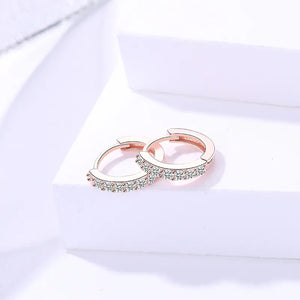
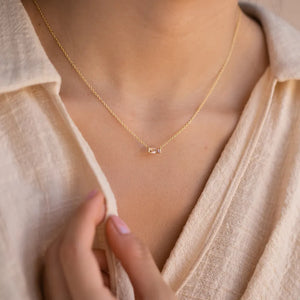
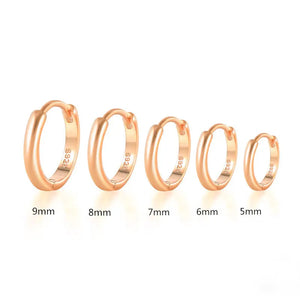
- Rose gold-plated: our Rose Gold Micro Pave CZ Huggie Earrings, Rose Gold Choker Necklace, and Rose Gold Huggie Earrings all use rose gold plating over the same quality 925 sterling silver base.
Both lines share the same core (925 sterling silver) and the same care profile — the only difference is the plating alloy on top, so choosing between them really does come down to which color suits your skin tone and style, not a tradeoff in quality or durability.
What Counts as Rose Gold Jewelry, and What to Check Before You Buy It
Rose gold jewelry is any piece finished in that soft copper-pink tone — rings, hoop earrings, pendant necklaces, tennis bracelets, even watches — and it's one of the most versatile jewelry categories to shop precisely because a single rose gold piece pairs cleanly with the silver, white gold, or yellow gold pieces you already own, not just with itself. Most rose gold jewelry on the market today, including AJLuxe's line, isn't solid rose gold at all — it's rose gold plating over a separate base metal, which means how that base metal is disclosed matters more to how the piece actually wears than the color does.
What to check before buying rose gold jewelry:
- The base metal, named explicitly. A listing that just says "rose gold" without stating what's underneath the plating is worth a second look — the base (925 sterling silver vs. a cheaper brass or steel alloy) is what determines hypoallergenic safety and long-term wear, not the plating color. AJLuxe always plates 18K rose gold over 925 sterling silver and names that base metal on every listing, never just "rose gold."
- Vermeil vs. plated. "Rose gold vermeil" specifically means a regulated minimum gold thickness and karat over a sterling silver base, so it carries a firmer durability guarantee than a generic "rose gold-plated" listing, which varies more by brand — see our is gold vermeil worth it guide for the full breakdown.
- Nickel-free construction. Rose gold's higher copper content runs slightly more reactive than yellow gold's, so if you have sensitive ears or skin, confirming a nickel-free, hypoallergenic base matters more here than with other tones.
Styling it: rose gold's blush undertone is one of the more neutral jewelry tones to build a everyday wardrobe around — warm enough to sit next to camel, cream, and yellow gold pieces, cool enough to layer comfortably with silver and white gold in the same stack. That's why it shows up so often in three specific use cases: everyday stacking (multiple rose gold rings or a layered rose gold necklace set worn together), gift-giving (it photographs well and reads as a considered, on-trend pick rather than a generic "safe" choice), and occasion wear as a softer alternative to white metals without the boldness of full yellow gold.
Frequently Asked Questions
Which is better, yellow gold or rose gold?
Neither is objectively better — they're both genuine gold alloys with the same gold purity at a given karat. Yellow gold is the classic, traditional-reading choice; rose gold is more modern and tends to be slightly more scratch-resistant thanks to its higher copper content. The "better" choice comes down to skin tone and personal style.
Do I look better in rose gold or yellow gold?
Warm and golden undertones typically suit yellow gold well, while cooler, fair, and olive undertones often lean more flattering in rose gold's pink cast. Neutral undertones can wear either — it's largely a style preference at that point.
Which color gold is most expensive?
Neither color is inherently more expensive in solid gold — price is driven by karat and gold weight, not by whether the alloy is finished yellow or pink. Any price difference you see between two pieces almost always comes down to gold content or brand markup, not color.
Is rose gold or yellow gold more expensive?
At the same karat and weight, they cost about the same. Copper (used more heavily in rose gold) is cheaper than the silver it displaces, but that difference is negligible compared to the cost of the gold itself.
What alloys are mixed into yellow gold versus rose gold?
Yellow gold mixes pure gold with silver and copper in a ratio that preserves gold's natural yellow color. Rose gold uses a much higher proportion of copper and little to no silver, which is what shifts the finished color toward pink.
Is rose gold more durable than yellow gold?
In solid gold form, yes, slightly — copper is a harder metal than silver, so rose gold's higher copper content gives it a modest edge in scratch and dent resistance over yellow gold at the same karat. In plated jewelry, durability depends more on the plating thickness and base metal than on gold color.
Does yellow gold or rose gold tarnish more?
Solid gold in either color doesn't tarnish the way silver does — gold is highly non-reactive. Gold-plated and rose-gold-plated jewelry can show wear as the plating layer thins over years of contact, but this happens at a similar rate regardless of which gold color is plated on top.
Which is better for an engagement ring, yellow gold or rose gold?
Both are popular, durable choices for engagement rings. Yellow gold is the traditional pick and pairs classically with most diamond and gemstone shapes; rose gold has become a popular modern alternative, especially for vintage-inspired or romantic settings, and its added copper hardness holds up well to daily wear.
Can you mix yellow gold and rose gold in the same outfit or stack?
Yes — mixed-metal stacking, including combining yellow and rose gold pieces, is a well-established and popular styling choice rather than a mismatch. Many people layer both tones deliberately for a more custom, collected look.
Is yellow gold or rose gold more popular right now?
Rose gold saw a major surge in popularity over the last decade and remains a strong modern favorite, but yellow gold has stayed the more universally recognized "classic gold" choice and has seen renewed popularity of its own in recent jewelry trends.
Does AJLuxe sell both yellow gold and rose gold jewelry?
Yes. AJLuxe carries both an 18K gold-plated line and a rose gold-plated line, both built on a 925 sterling silver base, so you can choose whichever tone suits your skin and style without a difference in underlying quality.
Does rose gold turn your skin green?
Solid rose gold rarely does, since real gold alloys are low-reactive even with copper mixed in. With plated jewelry, any green skin discoloration typically comes from the base metal underneath once the plating has worn thin, not from the gold or rose gold plating itself.
Final Thoughts
Yellow gold vs rose gold ultimately comes down to two things: which color flatters your skin tone and style, and which fits your budget between solid gold and plated jewelry. Both are genuine gold alloys with the same underlying value structure — rose gold isn't a "lesser" or "cheaper" version of gold, it's simply a different, copper-heavy alloy recipe that happens to shift the color and add a small durability boost. AJLuxe carries both tones as 18K gold-plated and rose gold-plated jewelry over 925 sterling silver, so you don't have to choose your favorite color at the expense of quality — pick based on what looks best against your skin and matches how you actually want to wear it.
Prefer the classic warm tone? Shop our 18K gold-plated statement ring. Leaning toward the modern blush look? Shop our rose gold huggie earrings.
Shop Yellow Gold Ring Shop Rose Gold EarringsShop This Guide
- 18K Gold Plated Statement Ring
- Gold Huggie Earrings
- Rose Gold Micro Pave CZ Huggie Earrings
- Rose Gold Choker Necklace
- Rose Gold Huggie Earrings
Written by the AJLuxe Team — specialists in 18K gold-plated and rose gold-plated jewelry. Sources: Jewelers of America education resources. Last updated: July 2026.
More Gold & Metal Guides
Alle Marken, Markennamen und Produktnamen Dritter sind Eigentum ihrer jeweiligen Inhaber. AJLuxe steht in keiner Verbindung zu den in diesem Artikel genannten Marken Dritter und wird von diesen weder unterstützt noch gesponsert. Markennamen werden ausschließlich zur sachlichen vergleichenden Bezugnahme verwendet; Materialangaben entsprechen den eigenen veröffentlichten Produktangaben der jeweiligen Marke zum Zeitpunkt der Erstellung.
You Might Also Like

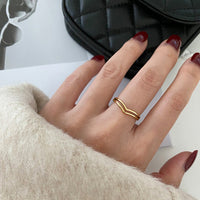
The piece they're describing → Zarte Stapelringe für Damen – 18K vergoldet, schmaler Ringsatz, minimalistisch
Personalize Yours


