


- Rose gold is a real gold alloy, made by mixing pure gold with copper and sometimes a small amount of silver. It is not fake, dyed, or synthetic.
- The pink color comes entirely from the copper ratio. Higher copper content makes a deeper, more intensely pink or "red" gold; less copper gives a softer, paler pink.
- Karat still matters the same way it does for yellow gold. 10K, 14K, and 18K rose gold all differ in how much pure gold versus copper alloy they contain.
- "Rose gold" and "rose-gold-plated" (or "rose-gold-tone") are different things. Plated pieces have a thin rose gold layer over a base metal like brass or steel, and the coating can wear off.
- Copper alloys are actually harder and more scratch-resistant than pure gold, so solid rose gold often holds up better day to day than yellow gold of the same karat. Plating, however, wears with time regardless of the base alloy's toughness.
- Honest note: AJLuxe's rose gold pieces are rose-gold-plated over 925 sterling silver, not solid rose gold. We say so plainly below, and we think it is a genuinely good, affordable option as long as you know what you are buying.
If you have ever held a rose gold ring up to the light and wondered whether that warm pink color is really gold or just clever dye, you are asking the right question. The short answer is yes, rose gold is real gold, made the same way jewelers have made colored gold alloys for centuries: by mixing pure gold with other metals to change its color and hardness. But "is rose gold real gold" only gets you halfway to an informed purchase, because the more useful question is usually about what is underneath the color, how karat and copper ratio affect quality, and how to tell true rose gold apart from rose-gold-plated or rose-gold-tone costume jewelry. This guide covers the copper-alloy chemistry, a full karat and copper ratio table for 10K, 14K, and 18K rose gold, how to spot plating, durability, tarnish, care, and where AJLuxe's rose-gold-plated sterling silver pieces honestly fit in.
Why Rose Gold Is Real Gold: The Copper Alloy Explained
Pure gold, 24 karat, is naturally yellow and far too soft to hold its shape in everyday jewelry. Every colored gold you have ever worn, whether yellow, white, or rose, is an alloy: pure gold melted together with other metals to add strength and, in rose gold's case, a specific color. Rose gold gets its signature pink-to-red tone from one ingredient above all others: copper.
Copper has a naturally reddish-orange color. When it is alloyed with pure gold, it shifts gold's warm yellow toward pink. Some rose gold formulas also include a small amount of silver, which softens the tone slightly and can nudge the color toward a more muted rose rather than a deep red. But copper is doing almost all of the color work, and the ratio of copper to gold is what determines exactly how pink or red a given piece looks.
The key point: nothing about this process is fake. Rose gold contains the same pure gold content, measured in karats, as yellow or white gold of the same karat rating. The only difference is which metals make up the remaining alloy. A 14K rose gold ring and a 14K yellow gold ring both contain 58.3 percent pure gold; they simply use a different mix of alloy metals for the rest.

Karat Purity and Copper Ratio: 10K, 14K, and 18K Rose Gold Compared
Just like yellow gold, rose gold comes in different karats, and the karat number tells you how much of the alloy is pure gold. The rest of the alloy in every case is mostly copper, with an optional touch of silver. Here is how the three common rose gold karats break down:
| Karat | Pure Gold Content | Typical Copper Alloy Content | Color | Durability |
|---|---|---|---|---|
| 18K rose gold | 75 percent | Roughly 22.25 percent copper, 2.75 percent silver | Softer, warmer pink | Good, but the softest of the three |
| 14K rose gold | 58.3 percent | Roughly 37 to 41 percent copper, small silver amount | Noticeably pinker than 18K | Very good, the most common choice for everyday rings |
| 10K rose gold | 41.7 percent | Roughly 55 to 58 percent copper, small silver amount | Deepest pink, sometimes called "red gold" | Most durable and scratch-resistant of the three |
Notice the pattern: the lower the karat, the more copper in the mix, and the deeper the pink. That is why 10K rose gold is sometimes marketed as "red gold," while 18K rose gold has a softer, more subtle blush tone closer to yellow gold. Some brands also sell an 8K rose gold with even more copper, though it falls below the 10K minimum most countries use to legally call something "gold" jewelry.
There is no universal "best" karat here. Higher karat means more pure gold and a softer, more traditional gold value; lower karat means more copper, a bolder pink color, and typically more scratch resistance. It comes down to which color and which durability tradeoff you want.
How to Tell Real Rose Gold from Rose-Gold-Plated or Rose-Gold-Tone
This is where most of the confusion actually lives, and it is a different question from "is rose gold real gold." Solid rose gold, in any karat, is gold alloy all the way through. Rose-gold-plated jewelry is a thin layer of rose gold alloy electroplated onto a different base metal, often brass, stainless steel, or sterling silver. Rose-gold-tone jewelry may not contain any gold at all, it can simply be a metal finished to look pink, similar to gold-tone costume pieces.
A few practical ways to tell them apart before you buy:
- Check the hallmark or stamp. Solid rose gold is stamped with a karat mark like 10K, 14K, or 18K, or a fineness number like 417, 585, or 750. Plated pieces are typically stamped "rose-gold-plated," "RGP," or simply have no karat stamp at all.
- Read the product listing carefully. Reputable sellers are required to disclose plating. Terms like "rose gold vermeil," "rose-gold-plated," "rose-gold-filled," and "rose-gold-tone" all describe different constructions, and none of them are the same as solid rose gold.
- Consider the price. Solid rose gold tracks the price of gold itself and costs meaningfully more than plated pieces of similar size and design. A rose gold ring priced under $50 is almost never solid gold.
- Look for wear at high-friction points. Over time, plating can thin at points of friction like a ring's band or a clasp, sometimes revealing the base metal underneath. Solid rose gold shows no such color change since the color runs all the way through.
Our guide on how to tell if gold is real at home walks through simple at-home tests, including the magnet test and the skin-discoloration check, that work for rose gold the same way they do for yellow gold.

Is Rose Gold More Durable Than Yellow or White Gold?
Here is a detail that surprises a lot of buyers: solid rose gold is often more durable than solid yellow gold of the same karat, and this is a direct result of the same copper alloy that gives it color. Copper is a harder metal than the silver and zinc typically used in yellow gold alloys, so a rose gold piece generally resists scratching and denting a bit better in daily wear.
That durability advantage applies to solid rose gold, not to rose-gold-plated jewelry. Plating is a thin surface coating regardless of how tough the underlying alloy would be if it were solid, so a plated piece will still wear at friction points over time no matter how durable rose gold "would be" in solid form. Durability from the copper alloy and durability from the plating thickness are two separate things, and it is easy to conflate them.
One tradeoff worth knowing: some people with copper sensitivities notice mild skin reactions to rose gold that they do not get with yellow or white gold, precisely because of the higher copper content. This is uncommon but worth mentioning if you have sensitive skin. See our full breakdown in is rose gold hypoallergenic.
Does Rose Gold Tarnish? Care Tips
Solid rose gold does not tarnish the way silver does, but the copper in the alloy can react over years with air, moisture, and skin chemistry, causing a very gradual, subtle darkening or color shift, especially in lower-karat rose gold with higher copper content. It is a slow process and far less dramatic than silver tarnish, but it is real.
Rose-gold-plated jewelry has a different concern: the coating itself can wear thin with friction, water, and chemical exposure, eventually letting the base metal show through. This is a plating-durability issue rather than a tarnish issue, but the visible result, color fading or a different tone appearing at high-wear spots, looks similar to the untrained eye. For a full comparison of how plated jewelry ages, see our guide on whether gold-plated jewelry tarnishes.
To keep any rose gold piece looking its best:
- Remove it before showering, swimming, or exercising, especially if it is plated.
- Put jewelry on after applying perfume, lotion, and sunscreen, not before.
- Store pieces separately in a dry, airtight pouch to limit air exposure.
- Wipe with a soft, dry cloth after wearing to remove oils and residue.
Where AJLuxe Fits: An Honest Comparison
We want to be direct about this, because it is exactly the kind of distinction most jewelry brands blur. AJLuxe's rose gold pieces are rose-gold-plated over 925 sterling silver, not solid rose gold. That means you are getting a genuine sterling silver base, which is hypoallergenic for most people, finished with a rose gold-toned plating layer, rather than a solid copper-gold alloy all the way through.
We are not going to call this "solid rose gold" or imply it is the same as a 10K, 14K, or 18K rose gold ring, because it is not, and pretending otherwise would be misleading. What it is: an affordable, honestly labeled way to get the warm rose gold look with a quality metal base, at a fraction of what solid rose gold jewelry costs. If you want the color and the sterling silver core without the solid-gold price tag, that is exactly what our rose-gold-plated pieces are built for. If you want an heirloom piece that holds gold value and never needs re-plating, solid rose gold from a fine jeweler is the right call instead.
See our companion guides on is 18K gold-plated jewelry worth it, is 14K gold-plated jewelry worth it, and gold plated vs. solid gold for the full economics of plated versus solid gold pieces.
Frequently Asked Questions
Is rose gold real gold?
Yes. Rose gold is a genuine gold alloy made by mixing pure gold with copper and sometimes a small amount of silver. It contains the same karat purity of pure gold as yellow or white gold of the same karat rating. It only stops being "real gold" when a piece is labeled rose-gold-plated or rose-gold-tone, which means a thin coating over a different base metal.
Is rose gold a real metal?
Rose gold is a real metal alloy, not a single element, the same way yellow gold and white gold are alloys rather than pure metals. It combines pure gold with copper, and sometimes silver, to create a distinct pink color and specific hardness.
What gives rose gold its pink color?
Copper. The higher the percentage of copper in the alloy, the deeper and more red the pink tone becomes. Lower-karat rose gold, like 10K, has more copper and looks more intensely pink or red, while higher-karat rose gold, like 18K, has less copper and a softer, paler blush tone.
What is the difference between 10K, 14K, and 18K rose gold?
The karat number tells you the percentage of pure gold: 10K is 41.7 percent gold, 14K is 58.3 percent gold, and 18K is 75 percent gold. The rest of each alloy is mostly copper, so lower karats have more copper, a deeper pink color, and slightly more scratch resistance, while higher karats have more pure gold and a softer pink.
Is rose gold plated the same as real rose gold?
No. Real, solid rose gold is a gold-copper alloy all the way through a piece, stamped with a karat like 10K, 14K, or 18K. Rose-gold-plated jewelry is a thin rose gold layer electroplated over a different base metal, such as brass, steel, or sterling silver, and the coating can wear thin over time.
How can you tell if rose gold is real or plated?
Check for a karat or fineness stamp (10K, 14K, 18K, or 417, 585, 750); solid gold has one and plated pieces usually do not. Also consider the price, since solid rose gold tracks gold market prices and costs significantly more than plated jewelry of similar size, and check for wear at high-friction points like a ring band, which only happens with plating.
Does rose gold tarnish?
Solid rose gold does not tarnish the way silver does, though the copper in the alloy can cause a very gradual, subtle darkening over many years. Rose-gold-plated jewelry can appear to lose color faster, but that is the thin plating wearing away rather than true tarnish.
Is rose gold more durable than yellow gold?
In solid form, yes, generally. The copper in rose gold's alloy is harder than the metals typically used in yellow gold, so solid rose gold tends to resist scratching and denting slightly better at the same karat. This durability advantage does not apply to plated jewelry, where the coating itself wears regardless of the underlying alloy's toughness.
Can rose gold cause skin irritation?
It is uncommon, but some people with copper sensitivities notice mild reactions to rose gold that they do not get with yellow or white gold, because of its higher copper content. Anyone with a known metal sensitivity should check the specific alloy or consider a hypoallergenic base like sterling silver.
Why is rose gold sometimes cheaper than yellow gold?
At the same karat, solid rose gold typically costs about the same as yellow gold, since both contain identical pure gold content and gold is priced by weight and purity, not color. Rose gold jewelry can appear cheaper when it is actually rose-gold-plated rather than solid, which uses far less gold overall.
Is AJLuxe's rose gold jewelry solid rose gold?
No, and we say so plainly. AJLuxe's rose gold pieces are rose-gold-plated over 925 sterling silver, which gives you the rose gold color and a quality hypoallergenic base at an affordable price, but it is not solid 10K, 14K, or 18K rose gold alloy all the way through.
Does rose gold turn your finger green?
Solid rose gold generally does not, since the gold content in the alloy limits reactivity. Rose-gold-plated jewelry can occasionally cause skin discoloration once the plating wears through and the base metal underneath is exposed to skin oils and moisture, particularly with lower-quality base metals.
Final Thoughts
Rose gold is real gold, plain and simple: a gold and copper alloy, sometimes with a touch of silver, that gets its warm pink color entirely from the copper ratio. The confusion almost always comes from a different question, whether a specific piece is solid rose gold or rose-gold-plated, and that distinction is what actually determines price, durability, and how long the color lasts. Solid rose gold in 10K, 14K, or 18K is real, durable, and holds gold value. Rose-gold-plated jewelry is not solid gold, but it can still be an honest, attractive, affordable option as long as the seller is upfront about what it is. AJLuxe's rose-gold-plated 925 sterling silver pieces fall into that second category, and we would rather you know exactly what you are buying than assume it is solid gold. For more on how our plating compares to solid gold economics, see gold plated vs. solid gold.
Shop AJLuxe's rose-gold-plated 925 sterling silver jewelry
Shop the Rose Gold Choker NecklaceShop This Guide
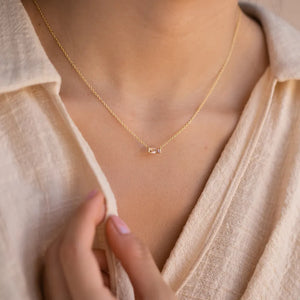
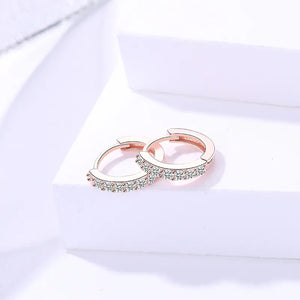
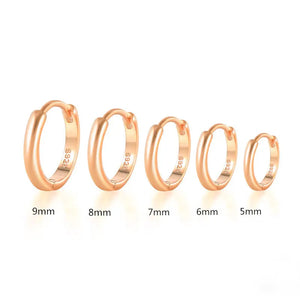
Browse our full jewelry collection to find rose-gold-plated 925 sterling silver necklaces, huggie hoops, and earrings, including the Rose Gold Choker Necklace and Rose Gold Huggie Earrings, an affordable, honestly labeled alternative to solid rose gold for everyday wear.
More Gold & Metal Guides
AJLuxe Team. Last updated: July 2026. AJLuxe's rose gold jewelry is rose-gold-plated over 925 sterling silver, not solid rose gold. Sources: GIA Gem Encyclopedia and Jewelers of America.
Alle Marken, Markennamen und Produktnamen Dritter sind Eigentum ihrer jeweiligen Inhaber. AJLuxe steht in keiner Verbindung zu den in diesem Artikel genannten Marken Dritter und wird von diesen weder unterstützt noch gesponsert. Markennamen werden ausschließlich zur sachlichen vergleichenden Bezugnahme verwendet; Materialangaben entsprechen den eigenen veröffentlichten Produktangaben der jeweiligen Marke zum Zeitpunkt der Erstellung.
You Might Also Like

The piece they're describing → Geburtsstein-Anhänger-Halskette für Damen – Baguette-Zirkonia-Anhänger, Sterlingsilber 925
Personalize Yours


