


Search "jade green jewelry" and you'll get two very different kinds of results: specialist jade dealers selling actual nephrite and jadeite, and a much bigger flood of fashion jewelry using "jade green" purely as a color name, with no jade in it at all. Both are legitimate to buy — the problem is when the second kind is priced or marketed like the first.
This guide is about buying and wearing jade-toned jewelry specifically: how to tell if what you're looking at is real jade, what it should actually cost, and how to style the color. For the full cultural history, symbolism, and grading breakdown behind the stone itself, see our companion guide, Jade Meaning: Symbolism, Colors, and What to Know Before You Buy — this article picks up where that one leaves off.
What "Jade Green" Actually Means (And Why It's Not One Stone)
"Jade" is an umbrella name for two entirely different minerals — nephrite and jadeite — that happen to share an appearance. Nephrite is the more common, more affordable of the two, rating 6–6.5 on the Mohs hardness scale. Jadeite is rarer, slightly harder (6.5–7), and covers a wider color range, including the vivid, translucent "Imperial Jade" green that collectors chase. Most everyday jade jewelry is nephrite; most museum- and auction-grade jade is jadeite.
Here's the part that matters most for anyone shopping the color rather than the mineral: a large share of what's marketed as "jade green jewelry" isn't jade at all. Dyed quartzite, serpentine (sometimes sold as "new jade"), green aventurine, and plain glass are the most common stand-ins, and under store lighting they can look convincingly close. None of that makes them a bad purchase on their own terms — a $15 dyed-quartzite pendant can be a perfectly nice piece of jewelry. It's a problem only when it's priced or sold as if it were natural jade.
Why Jade Carries This Much Cultural Weight
Jade has been worked into jewelry and ceremonial objects for over 7,000 years, and it was the most treasured material on earth in several civilizations long before diamonds took that role. In imperial China, jade was tied to the Confucian virtues of benevolence, wisdom, courage, justice, and purity, and Han dynasty emperors were buried in jade burial suits sewn from thousands of carved tiles. Independently, on the other side of the world, the Olmec, Maya, and Aztec civilizations of Mesoamerica ranked jade above gold — gold was decorative, jade was divine. The Aztec word for jade, chalchihuitl, doubled as their word for water and blood, the things they considered most precious.
That's a short version of a much longer story — for the full breakdown by culture, color, chakra, and zodiac association, see our dedicated jade meaning guide.
How to Tell If Jade Jewelry Is Real Before You Buy
The fastest way to tell real jade from a fake or treated stone without lab equipment is weight: genuine jade feels distinctly heavier in the hand than glass, plastic, or most simulants of the same size, because of its dense, interlocking crystal structure. Beyond that, a few more checks are worth running before you buy:
- Weight and density. Real jade has a cool, substantial, almost magnetic heft to it. If a large bangle or pendant feels light for its size, that's a red flag.
- Color uniformity. Natural jade shows subtle variation, cloudiness, or mottling within the same piece. A stone that's an extremely even, saturated green all the way through is more likely dyed — dye tends to produce color that's too consistent to be natural, and that color can fade or bleed over time.
- Scratch resistance. At Mohs 6–7, genuine jade won't scratch from a house key or steel blade under normal pressure. If it marks easily, it's likely a softer simulant like serpentine or dyed quartzite.
- The sound test (bangles specifically). Suspend a jade bangle from a thread and tap it gently with a coin or another jade piece. Real jade produces a clear, high, bell-like ring; glass and simulants sound duller and flatter.
None of these home tests replace a lab certificate for anything you're paying a meaningful amount for — they'll catch obvious fakes and heavily dyed stones, not the more convincing treatments. For purchases where authenticity really matters, the jade trade uses a treatment grading system running from Type A (natural, untreated) through Type D (not jade at all, just a simulant) — worth understanding fully before you spend real money, and we cover that grading system in detail, including a home fake-detection checklist, in our jade meaning guide. For pieces above roughly $500, ask specifically for a GIA or AGL (American Gemological Laboratories) certificate.
Real Jade Jewelry Price Ranges (What You Should Actually Expect to Pay)
Jade pricing swings enormously by mineral, color, and treatment — far more than most colored gemstones, because so much of the value sits in translucency and evenness of color rather than size alone.
| Type / Color | Typical Price | Notes |
|---|---|---|
| Nephrite (finished jewelry) | $20–$200 | Most affordable, widely available "jade" jewelry |
| Jadeite, dark/commercial green | $6–$150 per carat | Lower translucency, more common on the market |
| Jadeite, Imperial Green (non-Burma origin) | ~$100 per carat | Vivid, translucent green from outside Myanmar |
| Jadeite, Imperial Green (Burma) | $350–$550+ per carat | The most prized grade; museum pieces sell for far more |
| Dyed or treated (Type C) | Often under $20 regardless of visual color | Value is stripped by the treatment, not the color |
Figures are general market estimates gathered from jade trade pricing guides, not a formal appraisal — actual prices vary by dealer, cut, size, and current market conditions.
On the fashion-jewelry end of the market, real-world listings back this up: mid-market jade jewelry brands commonly price nephrite rings and studs in the $27–$60 range, with jadeite-set pieces climbing higher depending on stone quality. If you see a ring described as vivid "Imperial jadeite" for under $30, the price alone should raise a question about what's actually in the setting.
How to Style Jade-Green Jewelry With Gold or Silver Tones
Green jade's biggest styling advantage is that it works with both warm and cool metal tones — it doesn't force a single "correct" pairing the way some colored stones do. The starting point is your own undertone: warm undertones (golden, peachy, or olive) tend to look most flattering next to yellow gold, while cool undertones (rosy or blue-toned) often look crisper against silver, white gold, or rhodium-plated pieces. A simple test is holding both a gold-tone and a silver-tone piece near your collarbone in daylight and seeing which one reads as more natural against your skin.
Within that framework, jade specifically tends to sit in a flattering middle ground: a warm, saturated green can brighten warm skin without overwhelming it next to yellow gold, while a paler or cooler-toned green jade reads clean and understated against sterling silver or white-gold-tone settings. If your undertone is genuinely neutral, both directions tend to work — the deciding factor becomes the occasion (yellow gold for a warmer, more traditional look; silver tones for a more minimal, everyday one) rather than skin tone alone.
Where AJLuxe Fits In — An Honest Note
We don't currently carry genuine jade — here's what we do stock in the same color family
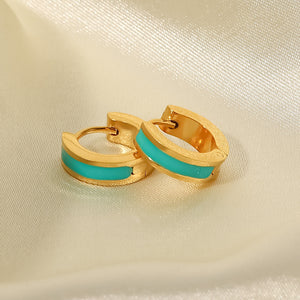
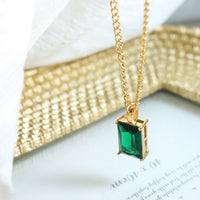
AJLuxe's catalogue is 925 sterling silver and 18K gold-plated jewelry, not cut or loose gemstones, and we don't have a nephrite or jadeite piece in stock right now. If it's specifically the mineral you want, a jade specialist (and a GIA/AGL certificate for anything above roughly $500) is the honest recommendation. If it's the jade-green color and the gold-and-green combination you're after in an everyday, hypoallergenic piece, our emerald-toned pendant necklace (18K gold plating over 925 sterling silver, $30.99) and our green hoop earrings ($28.99, same gold-plated sterling silver base) are the closest color-matched pieces we carry — vivid green stones set in warm gold, not jade, and we're not presenting them as jade.
Shop Green Pendant Necklace → Shop Green Hoop Earrings →
If you're weighing jade against another green stone before you buy, our malachite vs jade comparison covers hardness, durability, and price side by side, and our emerald buying guide walks through the same real-vs-treated questions for a different green gemstone, including AJLuxe's genuine-emerald piece.
Frequently Asked Questions About Jade Green Jewelry
What does wearing green jade mean?
Green jade is most closely tied to the heart chakra in crystal-healing tradition — love, compassion, and emotional balance — and to prosperity and good fortune in Chinese culture specifically, where it's considered the most prized jade color. It's a belief system rather than a scientific claim; for the full breakdown by culture and color, see our jade meaning guide.
How can you tell if green jade jewelry is real?
Check weight first — real jade feels noticeably heavier and denser than glass or common simulants of the same size. Then look at color: natural jade usually shows subtle variation rather than one perfectly even tone, since dye tends to produce color that's too uniform to be natural. A house key or steel blade shouldn't scratch genuine jade (Mohs 6–7), and a jade bangle tapped gently should ring clearly rather than sound dull. None of these replace a lab certificate for a significant purchase.
How much does real jade jewelry cost?
Nephrite jewelry typically runs $20–$200 for a finished piece. Jadeite is priced per carat and varies far more widely — commercial-grade green starts around $6–$150 per carat, while top "Imperial Green" jadeite from Myanmar runs $350–$550+ per carat, with rare museum-quality pieces reaching far higher. Anything priced well below these ranges for a vivid, even green is worth asking questions about.
What gets mistaken for jade?
Serpentine (sometimes marketed as "new jade"), green aventurine, dyed quartzite, and plain glass are the most common jade look-alikes, and all of them can pass a casual glance under store lighting. None are "fake" in a dishonest sense if they're sold under their real name — the issue is only when one of these is priced or marketed as genuine jade.
Where can I buy authentic jade jewelry?
Specialist jade dealers and jewelers who provide GIA or AGL certification are the most reliable sources for genuine nephrite or jadeite, particularly for anything above a few hundred dollars. AJLuxe doesn't currently stock genuine jade — our catalogue is 925 sterling silver and 18K gold-plated jewelry, and the closest pieces we carry are color-matched green-toned alternatives, disclosed as such above.
Is jade-green jewelry good for everyday wear?
Genuine jade, at Mohs 6–7, is durable enough for daily wear and more resistant to scratching than many common gemstones — traditional jade bangles are worn continuously for exactly this reason. If you're wearing a color-matched alternative rather than genuine jade, durability depends on the specific stone and setting instead; AJLuxe's gold-plated sterling silver pieces are built for daily wear and come with our standard hypoallergenic, nickel-free base metal.
Final Thoughts
"Jade green jewelry" spans a wider range than the name suggests — real nephrite and jadeite at one end, and a much larger, perfectly legitimate market of dyed, treated, and simulated green stones at the other. The only real mistake is paying jade prices for something that isn't jade. Know the weight, color, and price checks above, ask for a certificate on anything significant, and you'll buy with confidence either way.
Written by the AJLuxe team — specialists in personalized sterling silver jewelry. Last updated: August 2026.
You Might Also Like
The piece they're describing → Smaragd-Anhänger-Halskette für Damen – 18K vergoldet, zierlicher grüner Stein
Personalize Yours


