



- Van Cleef & Arpels jewelry is solid 18K gold, not plated -- but a viral 2026 case proved even solid gold can tarnish under the wrong conditions
- The likely cause is alloy composition: 18K gold is 75% pure gold and 25% other metals, and it's those other metals that oxidize, not the gold itself
- The customer's $6,150 bracelet showed dark discoloration within two months, far faster than the 2-3 years typically expected for noticeable 18K gold tarnish
- Van Cleef & Arpels' customer service reportedly said no warranty applied beyond 30 days, and offered paid re-polishing or a paid motif replacement
- Perfume, lotion, sweat, chlorine, and humidity accelerate tarnish on any gold alloy, luxury tier or not -- daily-wear habits matter regardless of price
- This is a real, documented case, not proof VCA is universally defective -- treat it as a reason to buy with realistic expectations and proper care, not a scam alarm
Van Cleef & Arpels is about as far from "costume jewelry" as it gets -- solid 18K gold, decades of heritage, and price tags that start in the thousands. So when a video of a tarnished $6,150 VCA bracelet went viral with more than 7.5 million combined views, it caught a lot of people off guard. If solid gold from one of the most respected names in fine jewelry can discolor, what does that mean for everyone else's jewelry? The honest answer involves real metallurgy, not a "the brand is fake" story -- here's what actually happened, why it's technically possible even with genuine 18K gold, and what Van Cleef & Arpels' own policy says about it.
The Viral Van Cleef Tarnishing Case, Explained
In 2026, content creator Monica Hamada (@mangomoniica) documented on TikTok that her Van Cleef & Arpels five-motif Alhambra bracelet in 18K yellow gold, which retails for $6,150, developed visible reddish-brown discoloration roughly two months after she bought it. She brought the piece back to the boutique for cleaning, and it was later sent to New York for professional polishing -- but according to her account, the discoloration returned. A boutique manager reportedly suggested the mark was just a shadow, and Van Cleef & Arpels customer service told her that no warranty covered the issue beyond the standard 30-day window, leaving further options (a paid re-polishing fee or a paid replacement motif) up to the individual boutique. Hamada said she planned to have the piece independently tested to confirm it was genuine gold, and the story spread widely across jewelry forums and social platforms, including a detailed writeup by the Daily Dot (see the original reporting on the incident). Van Cleef & Arpels has not issued a public statement responding to the case as of this writing. It also isn't an entirely isolated report -- threads on jewelry forums like PurseForum show other owners asking similar questions about tarnish appearing on VCA pieces faster than they expected from solid gold.

Why Would Solid 18K Gold Tarnish at All?
Solid 18K gold can tarnish because it isn't pure gold -- it's 75% pure gold mixed with 25% other metals, usually some combination of copper, silver, and zinc, added because pure (24K) gold is too soft to hold a ring shank or a bracelet clasp shape over daily wear. Pure gold itself is chemically inert and genuinely does not react with air or water at any purity. The alloy metals mixed in for strength are a different story: copper, in particular, oxidizes readily when it meets moisture, sweat, or the sulfur compounds found in some perfumes and lotions, and that oxidation is what shows up as a darker or reddish-brown tint on an otherwise gold piece. Higher-karat gold (18K and up) tarnishes far less than 10K or 14K because it has less of that reactive alloy content to begin with -- most jewelry-industry guidance puts noticeable 18K tarnish at 2 to 3 years of regular wear under normal conditions, which is exactly why a two-month timeline drew so much attention. A faster-than-expected timeline like that points most plausibly to either an unusually reactive alloy mix, or unusually heavy exposure to whatever triggered the reaction (perfume, lotion, chlorine, or humidity) rather than to the piece not containing real gold at all.
What Does Van Cleef & Arpels' Care and Warranty Policy Say?
Van Cleef & Arpels' own published care guidance recommends the same basic habits jewelers give for any fine gold piece: avoid contact with perfume, cosmetics, and household chemicals, remove jewelry before swimming or showering, and have pieces professionally checked and cleaned periodically at a boutique. What the brand does not publicly advertise is a lifetime tarnish guarantee -- based on reporting on the viral case, coverage after the standard purchase window is handled case-by-case at the boutique's discretion rather than through an automatic warranty claim. That's a common structure across fine jewelry generally, not unique to Van Cleef, but it means a buyer shouldn't assume a five-figure price tag comes with unlimited free restoration if something goes wrong down the line. Policies change, so anyone weighing this should check Van Cleef & Arpels' current official care and service terms directly before buying or before assuming what coverage applies.
Does This Mean Van Cleef & Arpels Is Bad Quality?
No -- one viral case, however widely viewed, isn't evidence that Van Cleef & Arpels jewelry is systemically defective, and the brand's reputation for solid gold construction and craftsmanship is well earned across a very large volume of pieces sold without this problem. What the case does responsibly demonstrate is that "solid 18K gold" and "tarnish-proof" aren't the same claim, at any price point. Fine jewelry at every tier, from four-figure demi-fine pieces to five-figure VCA bracelets, still contains alloy metals that can react under the wrong combination of chemicals, moisture, and time. The price difference buys design heritage, craftsmanship, and (for solid gold specifically) real long-term resale value -- it doesn't buy immunity from basic chemistry.
How to Prevent Tarnish on Fine Gold Jewelry, Regardless of Price
The same habits that protect a $30 gold-plated piece protect a $6,000 solid gold one, because the mechanism causing discoloration is the same alloy-oxidation process at both price points:
- Put jewelry on last, after perfume, lotion, and makeup have fully dried or absorbed
- Take it off first, before showering, swimming, exercising, or cleaning with household chemicals
- Avoid chlorine and saltwater specifically -- both accelerate metal oxidation faster than everyday air exposure
- Store pieces separately in a lined box or soft pouch rather than piled loose in a dish, since trapped humidity speeds up tarnish
- Wipe with a soft, dry polishing cloth after wear to remove skin oils and residue before they sit on the metal overnight
- Have solid gold pieces professionally checked and cleaned periodically, the way Van Cleef & Arpels' own care guidance recommends
If You Want the Clover-Motif Look Without the Investment Calculus
To be clear, this isn't a "AJLuxe is better than Van Cleef & Arpels" argument -- they aren't competing products. Van Cleef sells solid 18K gold heritage fine jewelry starting around $2,000 a piece; AJLuxe sells 925 sterling silver with 18K gold plating starting at $24.99. Different materials, different price tier, different purpose. What the two categories share is the same underlying reality: any gold surface, plated or solid, benefits from basic care, and neither is magically immune to tarnish. If the appeal of the Alhambra-style clover silhouette is what draws you in and a five-figure investment piece isn't the goal, AJLuxe's Birthstone Clover Necklace uses the same clover motif in an honestly plated, budget-friendly format -- with the plating's more limited lifespan stated upfront rather than implied to be something it isn't. See our full breakdown of Van Cleef alternatives for more honest, inspired-by picks, or our Van Cleef vs. Cartier comparison if you're weighing two fine-jewelry houses against each other rather than a budget alternative.
Frequently Asked Questions
Does Van Cleef & Arpels jewelry tarnish?
It can, even though it's solid 18K gold. A widely viewed 2026 case showed a five-motif yellow gold bracelet developing visible dark discoloration within two months of purchase, and jewelry forums document other reports of VCA pieces tarnishing faster than owners expected. It's not the norm for well-made 18K gold, but it isn't impossible either.
Is Van Cleef & Arpels jewelry real gold?
Yes. Van Cleef & Arpels states its jewelry is solid 18K gold, not plated, and that claim isn't what the 2026 controversy disputed -- the question raised was about the quality or composition of the alloy mixed with that gold, not whether gold was present at all.
Why would solid 18K gold tarnish?
18K gold is 75% pure gold and 25% other metals -- usually copper, silver, or zinc -- added for strength and color. Pure gold doesn't react with air or moisture, but those alloy metals can oxidize, especially with exposure to sweat, perfume, lotion, or humidity, which is the most likely technical explanation for premature discoloration on a solid gold piece.
What did Van Cleef & Arpels do about the tarnishing complaint?
According to reporting on the case, the boutique offered a paid re-polishing and, separately, a paid replacement motif, while customer service said no warranty applied beyond the standard purchase window. Van Cleef & Arpels has not issued a public statement addressing the incident.
Does this mean Van Cleef & Arpels is bad quality?
No -- an isolated case, even a viral one, doesn't prove a systemic defect, and millions of dollars of VCA jewelry is worn daily without this issue. What it does show is that "solid 18K gold" is not automatically "tarnish-proof," and that even luxury-tier pieces benefit from the same basic care -- avoiding chemicals, moisture, and friction -- as any other fine jewelry.
Written by the AJLuxe Team. Last updated: September 2026. This article is independent and not affiliated with, endorsed by, or sponsored by Van Cleef & Arpels. Facts about the viral case are sourced from Daily Dot's reporting and public social media posts by the customer involved; metallurgy background draws on standard jewelry-industry gold alloy guidance.
Related reading: see our guides to does Gorjana jewelry tarnish, what "tarnish-resistant" actually means, and 925 vs. 999 silver for more on how metal purity affects everyday jewelry durability.
Alle Marken, Markennamen und Produktnamen Dritter sind Eigentum ihrer jeweiligen Inhaber. AJLuxe steht in keiner Verbindung zu den in diesem Artikel genannten Marken Dritter und wird von diesen weder unterstützt noch gesponsert. Markennamen werden ausschließlich zur sachlichen vergleichenden Bezugnahme verwendet; Materialangaben entsprechen den eigenen veröffentlichten Produktangaben der jeweiligen Marke zum Zeitpunkt der Erstellung.
You Might Also Like
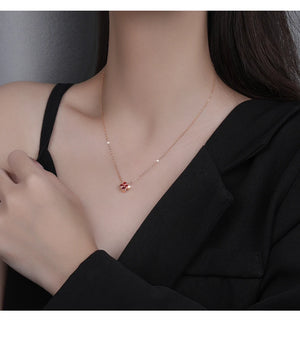
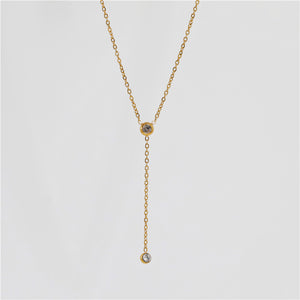

The piece they're describing → Geburtsstein-Kleeblatt-Halskette für Damen – 925er Sterlingsilber, vierblättriges Kleeblatt-Anhänger
Personalize Yours


