


Last updated: June 2026
When you're choosing between rose quartz vs pink opal, the decision comes down to more than color. Both stones share a soft pink palette and a devoted following in the crystal healing community, but they differ in hardness, price, rarity, and the way they look on your skin. This guide breaks down every key difference so you can pick the right pink crystal for your jewelry collection.

Rose quartz vs pink opal: rose quartz is a hard (Mohs 7), widely available quartz mineral with a translucent pale-pink color and strong emotional healing associations. Pink opal is a softer (Mohs 5–6.5), rarer gemstone with a milky, sometimes iridescent pastel-pink appearance. Rose quartz costs less per carat; pink opal commands a premium due to its rarity and unique optical effects.
Rose Quartz vs Pink Opal: Key Differences at a Glance
| Property | Rose Quartz | Pink Opal | Verdict |
|---|---|---|---|
| Appearance/Color | Pale translucent pink, glassy | Milky pastel pink, soft iridescence | Pink opal for uniqueness |
| Price Range | $0.50–$5/carat; $15–$60/necklace | $5–$40/carat; $30–$150/necklace | Rose quartz for budget |
| Hardness (Mohs) | 7 | 5–6.5 | Rose quartz for hardness |
| Durability | Scratch-resistant, good for daily wear | Softer, more prone to scratching | Rose quartz for durability |
| Rarity | Common, found worldwide | Less common; top grades from Peru | Pink opal for exclusivity |
| Best For | Everyday wear, gifts, beginners | Special occasions, collectors | Depends on use |
| Sparkle/Effect | Subtle glow, vitreous luster | Milky sheen, soft play of light | Pink opal for visual depth |
| Origin/Formation | Igneous and metamorphic rock | Hydrated silica deposits, sedimentary | Different geological stories |
| Overall Value | Best bang for buck | Premium feel, rarer find | Rose quartz for value |
Shop Pink Crystal Charm Necklaces at AJLuxe — feature both rose quartz and pink opal charms in one layered look. Shop Our Pink Stone Pendant Necklace → →
What Is Rose Quartz?
Rose quartz is a variety of quartz (silicon dioxide) that gets its pink color from trace amounts of titanium, iron, or manganese — or from microscopic fiber inclusions that scatter light. It sits at 7 on the Mohs hardness scale, making it one of the tougher options in the crystal jewelry world. You'll find rose quartz deposits across Brazil, South Africa, India, and Madagascar, which keeps the supply abundant and prices low.
Historically, rose quartz has been prized for thousands of years. Ancient Egyptians used it in facial masks, believing it prevented aging. Greek and Roman mythology linked the stone to Aphrodite and Venus, cementing its connection to love and beauty. According to the Gemological Institute of America, rose quartz rarely occurs in well-formed crystals — most commercial material comes from massive deposits and is cut into cabochons or smooth beads.
In modern crystal healing practice, rose quartz is known as the "stone of unconditional love." It's associated with the heart chakra and said to promote self-love, compassion, and emotional healing. Whether or not you follow crystal healing traditions, there's no denying the stone's enduring appeal. Its soft translucent pink color works with virtually any metal tone — yellow gold, rose gold, and sterling silver all pair beautifully with it.
What Is Pink Opal?
Pink opal is a form of common opal — hydrated silicon dioxide (SiO₂·nH₂O) — with a characteristic milky, pastel-pink appearance. Unlike precious opal, which displays rainbow play-of-color, pink opal has a more subtle optical quality: a soft sheen or adularescence that gives it an almost dreamy glow. It sits at 5–6.5 on the Mohs scale, meaning it's noticeably softer than rose quartz and requires more careful handling.
The most prized pink opal comes from the Andes mountains of Peru, where it forms in seams of rhyolite rock. Peruvian pink opal ranges from pale bubble-gum pink to a deeper salmon tone. Other sources include Australia, Ethiopia, and Mexico. The Jewelers of America notes that opal's water content — which can range from 3% to 21% — makes it sensitive to extreme heat and very dry conditions.
Pink opal carries a rich history in Andean cultures, where it was used ceremonially by the Inca. Today, the stone is associated with love, hope, and emotional renewal — similar in theme to rose quartz but with a gentler, more yin-like energy in many crystal traditions. Its rarity compared to rose quartz means you'll pay more for comparable pieces, but many collectors feel the unique look justifies the premium.
Rose Quartz vs Pink Opal: Appearance and Color
At first glance, rose quartz and pink opal can look similar — both are pink and both lack the dramatic sparkle of stones like sapphire or diamond. But put them side by side and the differences become clear.
Rose quartz has a translucent, glassy quality. Light passes through it and reflects off its vitreous surface, giving the stone a clean, luminous look. The color is typically a cool, pale pink — closer to blush than bubble gum. High-quality rose quartz may show a faint asterism (star effect) when cut en cabochon under direct light.
Pink opal, by contrast, looks milky and opaque to semi-translucent. Its color tends to be warmer and more varied — ranging from pale pastel to a soft peach-pink, sometimes with patches of white or cream. The stone doesn't sparkle, but it has a soft inner glow that feels romantic and understated. Peruvian pink opal in particular can show a subtle adularescence — a floating, billowy sheen — that makes it look almost lit from within.
If you want a clean, bright-pink look, rose quartz delivers. If you want something that looks richer and more complex, pink opal wins on visual interest.
Price Comparison: Rose Quartz vs Pink Opal
Rose quartz is one of the most affordable gemstones on the market. Raw or tumbled pieces cost a few dollars; faceted or cabochon-cut stones for jewelry run $0.50–$5 per carat for commercial grades. A rose quartz pendant necklace in a sterling silver setting typically retails for $15–$60. Even designer rose quartz pieces rarely exceed $150 unless set in 14k gold.
Pink opal sits in a higher price bracket. Quality Peruvian pink opal runs $5–$40 per carat, depending on color saturation, pattern, and translucency. A pink opal pendant necklace in silver usually costs $30–$150 at retail; fine pieces with exceptional color can reach $300 or more. A 2023 gemstone market report noted that demand for Peruvian pink opal has grown steadily, partly driven by the crystal wellness trend.
The price gap comes down to supply. Rose quartz deposits are enormous and found on nearly every continent. High-quality pink opal, especially Peruvian material, is far more limited. If your budget is tight, rose quartz gives you excellent color and quality at minimal cost. If you're buying a special-occasion piece, pink opal's premium is easy to justify.
Which Is Better for Jewelry?
Rose quartz wins on durability. At Mohs 7, it resists scratching from everyday materials like keys, coins, and most dust particles (which score 6–7 on the Mohs scale). You can wear a rose quartz necklace or bracelet daily without worrying much about surface damage. Clean it with warm soapy water and a soft cloth — avoid ultrasonic cleaners, which can crack stones with inclusions.
Pink opal requires more care. At Mohs 5–6.5, it scratches more easily and is sensitive to chemicals, heat, and low humidity. It's better suited to necklaces and earrings (lower-impact pieces) than rings or bracelets that take daily knocks. Store pink opal away from other gemstones to prevent scratching, and keep it out of direct sunlight for extended periods, as prolonged UV exposure can cause fading in some specimens.
For internal linking, see our guides on how to store jewelry properly and hypoallergenic jewelry options for metal pairing tips with softer stones.
Bottom line: if you want a pink crystal you can wear every day without stress, rose quartz is the clear winner. Pink opal is better for special-occasion pieces where you're mindful of how you wear and store it.
Spiritual Meaning and Healing Properties
Both stones have strong traditions in crystal healing, though their energies are described differently by practitioners.
Rose quartz is the quintessential heart stone. Crystal healers associate it with the heart chakra (Anahata), and it's used in practices aimed at attracting romantic love, deepening self-compassion, and releasing emotional wounds. It's one of the most popular stones for beginners precisely because its energy is described as gentle, consistent, and nurturing. Many people place rose quartz near their bed or carry it during emotionally charged periods.
Pink opal carries a similar love-and-healing theme but with a slightly different emphasis. It's associated with emotional renewal and hope — the idea of opening yourself to new possibilities after loss or change. Some traditions link it specifically to the heart and throat chakras, suggesting it helps people communicate their feelings more openly. Its rarer, quieter energy appeals to those who find rose quartz's widespread use a little ordinary.
Neither stone has clinically proven healing effects, but the intention and ritual around using crystals can have genuine psychological benefits — a placebo-compatible mindfulness practice that many people find grounding.
Frequently Asked Questions
Is pink opal the same as rose quartz?
No, they're chemically and structurally different. Rose quartz is crystalline silicon dioxide (SiO₂) with a Mohs hardness of 7. Pink opal is hydrated amorphous silicon dioxide (SiO₂·nH₂O) with a hardness of 5–6.5. They share a pink color family but differ in optical quality, origin, and durability.
Which is more expensive, rose quartz or pink opal?
Pink opal is generally more expensive. Quality Peruvian pink opal runs $5–$40 per carat, while commercial rose quartz costs $0.50–$5 per carat. The price gap reflects pink opal's relative rarity and the limited supply of high-grade Peruvian material. Both stones are affordable compared to precious gems like sapphire or ruby.
Can rose quartz and pink opal be worn together?
Yes, they pair well aesthetically — both share soft pink tones that complement each other beautifully. Wearing them together in a layered necklace or charm bracelet is a popular look. Just store them separately to prevent the harder rose quartz from scratching the softer opal.
Which pink crystal is better for everyday jewelry?
Rose quartz is the better choice for everyday wear. Its Mohs hardness of 7 means it resists scratching from common materials. Pink opal, at 5–6.5, can scratch more easily and is more sensitive to chemicals and heat. For daily-wear rings or bracelets especially, rose quartz holds up much better over time.
Does pink opal have play-of-color like precious opal?
Most pink opal does not show the rainbow play-of-color (spectral fire) associated with precious opal. Instead, it has a soft milky sheen or adularescence — a gentle inner glow rather than flashing spectral color. Some Peruvian pink opal specimens show faint color patches, but dramatic play-of-color is not a characteristic of this stone type.
How can I tell rose quartz from pink opal?
The easiest visual test is translucency. Rose quartz is typically more translucent with a glassy (vitreous) luster — you can often see light passing through a thin piece. Pink opal is milkier and more opaque with a waxy or resinous luster. Rose quartz also feels harder: it will scratch glass easily, while pink opal scratches glass only with effort (or not at all for softer specimens).
Is pink opal rare?
Pink opal is rarer than rose quartz but not rare in the absolute sense. High-quality Peruvian pink opal with good color saturation is the most sought-after variety and can be harder to source. Common pink opal from other origins is moderately available. Compared to the enormous global supply of rose quartz, pink opal is definitely the less common stone.
What chakra is rose quartz associated with?
Rose quartz is most commonly associated with the heart chakra (Anahata, the 4th chakra) in crystal healing traditions. Practitioners use it to work on themes of love, compassion, emotional healing, and self-worth. Some traditions also link it to the higher heart (thymus chakra), connecting love with higher spiritual principles.
Does pink opal fade in sunlight?
Some pink opal specimens can fade with prolonged, direct UV exposure, particularly pieces with lower iron content or more porous structure. To protect your pink opal jewelry, avoid leaving it in direct sunlight for hours at a time. Peruvian pink opal is generally more stable than lower-grade varieties, but erring on the side of caution is always smart with opals.
Which pink crystal is better for a gift?
Rose quartz makes an excellent gift for almost anyone — it's universally recognized, affordable, and carries positive associations with love and healing. Pink opal is a more special gift for someone who appreciates unique, rarer stones. For a first crystal gift or a budget-conscious choice, go with rose quartz. For a collector or someone who already owns rose quartz, pink opal offers something more distinctive.
Final Thoughts
Choosing between rose quartz vs pink opal comes down to your priorities. Rose quartz offers durability, affordability, and wide availability — it's the practical pink crystal that holds up to daily life. Pink opal brings rarity, a unique milky glow, and a higher-end feel that makes it special for occasion pieces. Both stones carry meaningful traditions and look gorgeous in jewelry. If you want to wear both, a crystal charm necklace lets you layer them for a look that captures the best of each stone.
Ready to add a pink crystal to your collection? Shop Pink Crystal Charm Necklaces at AJLuxe →
Toutes les marques, noms de marque et noms de produits tiers sont la propriété de leurs détenteurs respectifs. AJLuxe n’est affilié à aucune marque tierce citée dans cet article, ni approuvé ou sponsorisé par celle-ci. Les noms de marque sont utilisés uniquement à des fins de comparaison factuelle, et les descriptions de matériaux reflètent les spécifications produit publiées par chaque marque au moment de la rédaction.
You Might Also Like

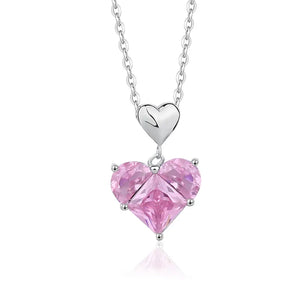
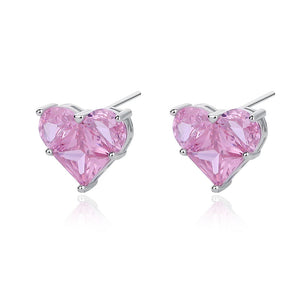
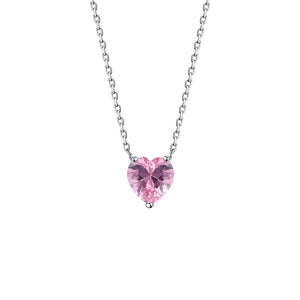
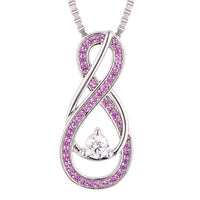
The piece they're describing → Collier infini en tourmaline rose pour femme — Argent sterling 925, pierre précieuse véritable
Personalize Yours


