

Our take: yes, 925 sterling silver is genuinely good-quality jewelry — it's an internationally regulated purity standard, not a marketing word, and it's the same material major brands sell at $60–$500+. The real risks to "quality" aren't in the alloy itself, they're in two things a buyer actually has to check: whether a piece stamped "925" is telling the truth, and whether you're prepared for the one honest downside — sterling silver tarnishes and scratches more easily than harder metals. Here's the case, with the caveats we think are fair.
- "Sterling silver" is a legally defined purity standard under the FTC's Jewelry Guides (16 CFR §23.6): at least 925 parts per 1,000 must be pure silver. It isn't a vague marketing term — it's a regulated minimum, the same one used since medieval England.
- Pure (999) silver is too soft for daily-wear jewelry — about 2.5 on the Mohs hardness scale. Alloying it with ~7.5% copper to reach 925 roughly doubles its practical hardness (about 35 VHN to 80 VHN), which is the entire reason the standard exists.
- Tiffany & Co. and Pandora both sell 925 sterling silver as fine/premium jewelry — not a budget substitute. Tiffany's Return to Tiffany line and Pandora's Moments sterling silver charm bracelets ($61.95+) both retail at or above AJLuxe's own $24.99–$79.99 range, on the identical base metal.
- The real fraud risk is fake "925" stamps on base metal (brass, nickel alloy, silver-plated pot metal) sold on marketplaces with weak seller vetting — a documented problem, and the actual reason to be careful about where you buy, not a reason to distrust the alloy.
- Sterling silver does tarnish — a real chemical reaction (silver + airborne sulfur compounds → silver sulfide) that's cosmetic and reversible, not damage, but it is genuine upkeep a harder metal like stainless steel or titanium doesn't require.
What "925" Actually Means — It's a Law, Not a Slogan
Before arguing whether 925 sterling silver is "good," it's worth being precise about what the number is. Under the FTC's Jewelry Guides (16 CFR Part 23), the words "sterling," "sterling silver," or the abbreviation "ster." can only be applied to a product that is at least 925 parts per 1,000 pure silver — 92.5%. That's not a brand promise or a stylistic choice; it's a federal quality-marking rule, and the same 92.5% threshold has defined "sterling" silver in England since roughly the 14th century. When a piece is honestly marked 925, it is telling you something specific and checkable about its composition, the same way "14k" tells you something specific about gold.
AJLuxe applies that standard consistently: pieces like the Pink Heart Pendant Necklace are sold and described as 925 sterling silver — not a vaguer "silver-tone" or "silver-plated" label — because that's what the metal actually is.
The law goes a step further: under the National Stamping Act (15 U.S.C. §297), anyone who stamps a quality mark like "925" onto a piece is also required to attach their own trademark or name to it. In principle, a legitimately marked 925 piece should be traceable to whoever made that claim. That traceability requirement is exactly what most of the "fake 925" complaints below are describing the absence of.
Why Jewelry Isn't Made From Pure Silver in the First Place
A common version of the skepticism goes: "if it's only 92.5% silver, isn't 100% silver better?" In practice, no — and this is the part that actually answers "is 925 good quality" most directly. Fine (999) silver has a Mohs hardness of only about 2.5, which is soft enough to dent with a fingernail and warp out of round on a ring you wear daily. Alloying it with roughly 7.5% copper to hit the 925 standard significantly increases its practical hardness — from an annealed hardness of around 35 VHN for pure silver to around 80 VHN for sterling, with a tensile strength (552 MPa) that actually holds a ring shape and a clasp shape under normal wear. The 7.5% that isn't silver isn't a cost-cutting shortcut; it's the specific ingredient that makes silver jewelry durable enough to wear rather than display.
Who Else Sells 925 Sterling Silver — and at What Price
If sterling silver were actually a "cheap" material, you wouldn't expect to find it priced at a premium by brands with no reason to undersell themselves. Pandora's own sterling silver charm bracelets retail at $61.95 and up. Tiffany & Co.'s Return to Tiffany line — one of its best-known collections — is sold in 925 sterling silver as fine jewelry, not costume jewelry, with individual pieces regularly priced well above $100. Both companies could choose a cheaper alloy if "925" read as low-quality to their customers; instead, two of the most recognizable names in accessible luxury jewelry use the exact same base metal AJLuxe does, at prices that meet or exceed AJLuxe's own $24.99–$79.99 range. That's a fact about how the market actually prices this material, not a marketing claim from us. Every AJLuxe product page, including the micro pavé heart infinity necklace, states its 925 sterling silver base plainly rather than leaving buyers to guess from a vague "silver-tone" label.
The Real Quality Risk: Fake Stamps, Not the Alloy
The honest version of "is 925 silver a scam" isn't about the standard — it's about enforcement. Marketplaces with minimal seller vetting have a documented problem with items stamped "925" that aren't sterling silver at all: buyers report pieces that a magnet visibly attracts (real silver isn't magnetic), or that tarnish permanently and quickly in a way genuine sterling silver doesn't, and independent testing has confirmed some "925"-stamped items are actually silver-plated brass or another base metal entirely. That's a real, checkable failure — but it's a failure of a specific bad-faith seller ignoring the stamping law above, not evidence that the 925 standard itself is meaningless. The practical takeaway is the opposite of "avoid 925": buy from a seller who will stand behind the mark, because the law already requires them to.
Where We Think the Skepticism Is Fair
An honest opinion has to hold up the other side. Here's where "is 925 good quality" deserves real caveats, not just reassurance:
- It tarnishes. Sterling silver reacts with sulfur compounds in ordinary air (perfume, humidity, even rubber bands) to form silver sulfide on the surface — a genuine chemical reaction, not a defect, but real upkeep a piece of titanium or stainless steel jewelry simply doesn't need. We cover the mechanism and how to reverse it in our sterling silver tarnish guide.
- It's softer than steel-family metals. Even alloyed, sterling silver (roughly 2.5–3 on the Mohs scale) is noticeably softer than stainless steel (~5.5) or titanium (~6), so it's more prone to fine scratching over years of daily wear. If scratch-resistance is your top priority over softness and shine, that's a legitimate reason to look elsewhere.
- Resale/melt value is modest. Silver's spot price is a fraction of gold's, so sterling silver jewelry isn't a meaningful store of value the way fine gold can be. If you're buying jewelry partly as an asset, 925 silver isn't the material for that goal — it's a material for wearing.
- The stamp is only as good as the seller. As above — a "925" mark from an unvetted marketplace listing carries real risk. From an established, traceable retailer, that risk is largely the point of the law protecting you.
None of those are reasons to distrust the alloy itself — they're reasons to buy it with clear eyes, which is a different, much more defensible claim than "925 is cheap junk."
Our Verdict
Is 925 sterling silver good quality? Yes — it's a genuine, federally regulated purity standard that predates modern jewelry marketing by centuries, it's the material two of the biggest names in accessible fine jewelry choose to sell at premium prices, and the alloying that gets it to 925 exists specifically to make it durable enough for daily wear. The legitimate catch isn't the material, it's making sure the stamp on your specific piece is honest and knowing you'll need to occasionally polish off tarnish. Buy from a seller who's traceable under the stamping law, expect normal silver care, and 925 sterling silver holds up exactly as advertised.
Related reading: Sterling Silver Jewelry: The Complete 2026 Guide to Quality, Value & Care.
Related reading: Is jewelry insurance worth it.
Related reading: Is jewelry a good investment.
Shop the June Birthstone Necklace
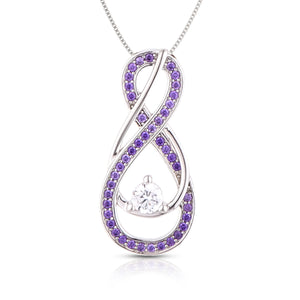
925 sterling silver infinity pendant, rhodium plated, with a simulated alexandrite pavé in June’s signature lavender-purple — nickel-free, 16.5" + 2" extender.
Shop the June Birthstone Necklace →Shop the April Birthstone Infinity Necklace
925 sterling silver, left unplated, set with a clear cubic zirconia in an infinity pendant — nickel-free, $59.99.
Shop the April Necklace →Shop the December Birthstone Necklace
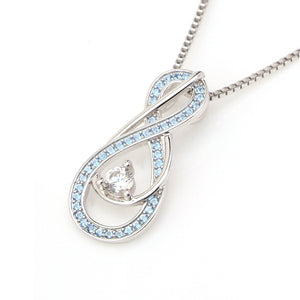
925 sterling silver infinity pendant, rhodium plated, with a vivid blue cubic zirconia pave — nickel-free, $59.99.
Shop the December Necklace →Shop the October Birthstone Necklace
925 sterling silver infinity pendant, rhodium plated, with pink cubic zirconia colored to read as pink tourmaline — nickel-free, 16.5" + 2" extender.
Shop the October Birthstone Necklace →Shop the July Birthstone Necklace
925 sterling silver teardrop pendant, 18K gold plated, set with a ruby-red cubic zirconia — disclosed as simulated, nickel-free, $34.99.
Shop the July Birthstone Necklace →Shop AJLuxe Thin Silver Huggie Earrings
925 sterling silver, left unplated -- a hinged huggie hoop in 6mm, 8mm or 10mm, nickel-free.
Shop the Thin Silver Huggies →Shop the AJLuxe Circle Heart Necklace
925 sterling silver, an open heart linked to a small pave-set ring — 18K gold plated or left unplated, CZ pave, nickel-free.
Shop the Circle Heart Necklace →Shop AJLuxe Birthstone Clover Necklace
925 sterling silver, 18K gold plated, four-leaf clover set with a CZ stone color-matched to your birth month — nickel-free, all 12 months.
Shop the Birthstone Clover Necklace →Shop AJLuxe Crown Stud Earrings
925 sterling silver, 18K gold plated, with a clear cubic zirconia set in an openwork crown gallery — hypoallergenic, nickel-free.
Shop the Crown Stud Earrings →Shop AJLuxe Silver Minimalist Huggie Earrings
Unplated 925 sterling silver hoops, hinged with a click-pin clasp — nickel-free, 5mm to 8mm.
Shop the Silver Huggie Earrings →Shop AJLuxe Silver Micro Pavé CZ Huggie Hoops
925 sterling silver, rhodium plated, with a row of micro-pavé CZ across the front arc — nickel-free, snap-hinge closure, sits close to the lobe.
Shop the Micro Pavé CZ Huggie Hoops →Shop AJLuxe White Enamel Gold Hoop Earrings
A white fired-enamel inlay set in an 18K gold plated huggie hoop, over a 925 sterling silver base -- hinged snap closure, sold as a pair.
Shop the White Enamel Hoop Earrings →Frequently Asked Questions
Is 925 sterling silver real silver?
Yes. "925" means at least 92.5% pure silver by weight, alloyed with about 7.5% other metal (usually copper) for durability. It's the legal U.S. definition of "sterling silver" under FTC rules, not a synonym for fake or plated silver.
Is 925 silver considered cheap?
Not by the brands that sell it. Pandora and Tiffany & Co. both sell 925 sterling silver jewelry at $60–$500+, at or above many gold-plated alternatives. Sterling silver's lower raw material cost compared to gold makes finished pieces more affordable, but that's different from the material being low-quality.
Why do some "925"-stamped items turn out to be fake?
Because the stamp itself doesn't verify anything at the point of sale — it's a legal claim the seller is required to back up under the National Stamping Act, but enforcement on low-vetting marketplaces is inconsistent. Buying from a seller with a real trademark or business name behind the mark is the practical safeguard.
Does 925 sterling silver tarnish?
Yes, over time, as the silver reacts with sulfur compounds in the air. It's reversible with normal polishing and doesn't damage the metal underneath. See our full guide to why sterling silver tarnishes and how to clean it.
Is 925 sterling silver good for everyday wear?
Generally yes — the copper alloying specifically improves durability over pure silver for daily use. It is softer than stainless steel or titanium, so it can pick up fine scratches over years of wear, and it needs occasional cleaning to stay bright. See our guide on cleaning sterling silver jewelry.
See genuine, traceable 925 sterling silver for yourself
Shop Sterling Silver JewelryShop the February Birthstone Necklace
925 sterling silver infinity pendant, rhodium plated, with purple cubic zirconia pave in February’s amethyst color — nickel-free, 16.5" + 2" extender.
Shop the February Birthstone Necklace →Related Reading
Curious how 925 stacks up against other purities and metals? See 925 silver vs. 999 silver and is sterling silver hypoallergenic.
AJLuxe Editorial Team. Last updated: July 2026. This is an opinion piece reflecting AJLuxe's editorial position; the facts and figures cited are sourced and verifiable. Sources: FTC, Jewelry Guides, 16 CFR Part 23 (current text via eCFR); National Stamping Act, 15 U.S.C. §297; Sage Datum, hardness data on fine vs. sterling silver; Pandora US, sterling silver charm bracelets (live pricing); Tiffany & Co., Return to Tiffany sterling silver bracelets; Jewelers Mutual, "Does Sterling Silver Tarnish?"
Related reading: see how 925 sterling silver's price per gram is calculated.
Toutes les marques, noms de marque et noms de produits tiers sont la propriété de leurs détenteurs respectifs. AJLuxe n’est affilié à aucune marque tierce citée dans cet article, ni approuvé ou sponsorisé par celle-ci. Les noms de marque sont utilisés uniquement à des fins de comparaison factuelle, et les descriptions de matériaux reflètent les spécifications produit publiées par chaque marque au moment de la rédaction.
You Might Also Like
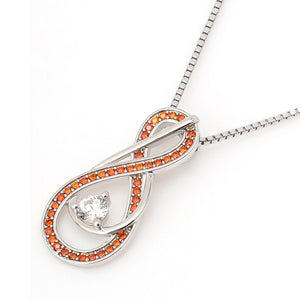
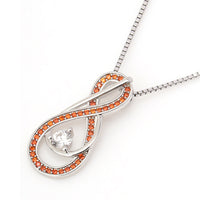
The piece they're describing → Collier pierre de naissance de janvier pour femme — Pendentif infini grenat rouge, argent sterling 925
Personalize Yours


