


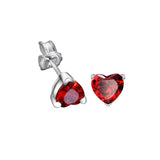
Stud earrings seem simple — but there's a right way to put them in, care for them, and style them that makes a significant difference in comfort, longevity, and look. Here's everything you need to know.
How to Put In Stud Earrings
Butterfly-Back Studs (Standard Studs)
- Make sure your hands are clean and the earring is clean
- Hold the decorative front of the earring between your thumb and index finger
- Locate the piercing hole — looking in a mirror helps, especially for cartilage piercings
- Push the post straight through the hole from the front
- On the back, slide the butterfly clasp onto the post — feel for the groove/notch that clicks into place
- Leave a small gap (~1mm) between the butterfly and your ear — don't push it flush to the skin. Too tight restricts blood flow and can cause swelling
Screw-Back Studs
- Push the post through the piercing (same as butterfly)
- From the back, place the screw-back nut onto the threaded post
- Twist clockwise (right to tighten) until snug — not over-tightened
- Screw-backs are more secure than butterflies; used in higher-end fine jewelry
Flat-Back / Threadless Studs
Flat-back studs have a hollow post and a separate decorative top that pins in from the front.
- The flat disc back goes in first — hold it from the back and push the hollow post through the piercing from behind
- Alternatively (depends on the design): push the hollow post through from the front, then insert the flat disc back from behind
- Press the decorative top piece into the open end of the hollow post from the front — push firmly until you feel/hear a click or feel resistance
- To remove: grip the flat disc at the back with one hand and the decorative top with the other, then pull apart with even, steady pressure
Flat-back studs require a bit more dexterity than butterfly backs the first few times. Once you have the technique, it's fast and easy.
Stud Earrings for New Piercings
If your piercing is fresh or recently re-opened:
- Keep them in: Don't remove your starter studs for 6–8 weeks (lobes) or 6–12 months (cartilage). Early removal lets the piercing close
- Don't rotate: The advice to "rotate earrings daily" is outdated. Rotating tears the healing skin channel and increases scarring. Leave the earring alone
- Clean twice daily: Use saline solution (0.9% sodium chloride spray, available at pharmacies). Spray both the front and back of the piercing. Let dry — don't twist the earring to move solution through
- Don't touch: Only touch your piercing when cleaning, with clean hands. Every unnecessary touch introduces bacteria
- Watch for signs of infection: Some redness and clear/white fluid is normal healing. Yellow or green discharge, spreading redness, and throbbing pain indicate infection — see a doctor
How to Stack Stud Earrings
Multiple piercings on one or both ears create a curated, editorial look. Here's how to stack effectively:
The Graduated Stack (Most Classic)
Largest stud at the lobe, decreasing in size as you move up the ear:
- Lobe (first piercing): 7–8mm or a statement stud
- Second lobe piercing: 5–6mm solitaire or small shaped stud
- Third lobe or helix: 3–4mm tiny star, heart, or mini stone
The Mixed Stack (Fashion-Forward)
Vary stone type, shape, and setting while matching metal:
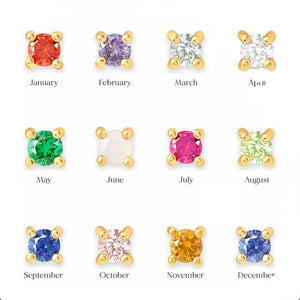
- One CZ solitaire + one shaped stud + one birthstone stud
- All gold-toned for cohesion
- Or all silver-toned for a cooler, more minimal effect
The Asymmetric Stack
Stack on one ear only, keep the other minimal (one stud or bare):
- 3–5 studs on one ear + single solitaire on the other
- Creates an intentional, editorial statement without being overwhelming
Metal Mixing
Mixing gold and silver in an ear stack works if done intentionally:
- Pick a primary metal (most pieces in that color) and use the other as an accent
- Alternate: gold / silver / gold creates rhythm
- Random mixing looks unintentional — a rule or pattern reads as deliberate
Stud Earring Care
- Remove before swimming or showering: Chlorine and salt water accelerate tarnish on silver and degrade gold plating. Moisture under stone settings can loosen adhesive.
- Clean monthly: Soak in warm water with a drop of dish soap for 5 minutes. Gently scrub with a soft toothbrush (especially around prong settings where debris collects). Rinse, pat dry.
- Store flat: Don't leave studs point-up — the post tips scratch other pieces. Store in a small compartmented jewelry box or the original packaging.
- Polish silver: Sterling silver tarnishes naturally when exposed to air. A quick polish with a silver polishing cloth every few weeks keeps it bright.
- Gold plating: 18K gold plated sterling silver typically maintains its finish for 1–2 years with daily wear. Avoid rubbing, harsh chemicals, and direct water contact to extend plating life.
Related Guides
- Types of stud earrings — complete style guide
- Best stud earrings for sensitive ears
- Stud vs hoop earrings — which should you choose?
- Flat-back earrings guide
Shop the Red Heart Stud Earrings
925 sterling silver studs set with a heart-cut red cubic zirconia in an open 3-prong basket — unplated, nickel-free, butterfly back.
Shop the Red Heart Stud Earrings →If you want to see the look in a real piece, AJLuxe's Round CZ Stud Earrings for Women — 925 Sterling Silver, Hypoallergenic, Gift-Ready is a genuine example in 925 sterling silver with 18K gold plating.
Frequently Asked Questions
- How do you put in stud earrings?
- Butterfly backs: push post through, squeeze butterfly onto post, leave 1mm gap. Flat-backs: insert back disc through piercing, press decorative top into hollow post from front until it clicks.
- How tight should stud earrings be?
- Snug enough to stay secure, not tight against skin. Leave a 1mm gap between the back and your ear. Too tight restricts blood flow and causes swelling.
- Should you rotate new stud earrings?
- No — this is outdated advice. Rotating tears healing tissue. Leave the earring still and clean with saline spray only.
- How long to keep studs in a new piercing?
- Lobes: 6–8 weeks minimum. Cartilage: 6–12 months. Switching too early risks closing or rejection.
- Why do my stud earrings keep falling out?
- Butterfly back has lost tension — replace the back. Screw-back wasn't tightened fully. Flat-back may be wrong gauge for your piercing.
Master the Basics, Then Experiment
Once you know how to put in, wear, and care for stud earrings properly, they become the most effortless part of your daily routine. Start with one reliable pair in the right metal, then build your stud collection from there.
Written by the AJLuxe team — specialists in 925 sterling silver and 18K gold-plated jewelry. Last updated: June 2026.
Toutes les marques, noms de marque et noms de produits tiers sont la propriété de leurs détenteurs respectifs. AJLuxe n’est affilié à aucune marque tierce citée dans cet article, ni approuvé ou sponsorisé par celle-ci. Les noms de marque sont utilisés uniquement à des fins de comparaison factuelle, et les descriptions de matériaux reflètent les spécifications produit publiées par chaque marque au moment de la rédaction.
You Might Also Like
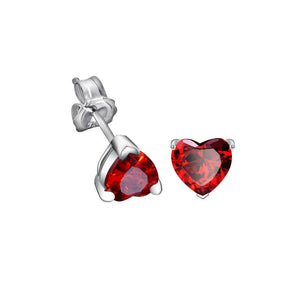
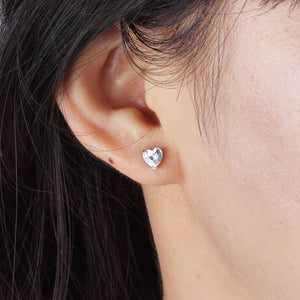
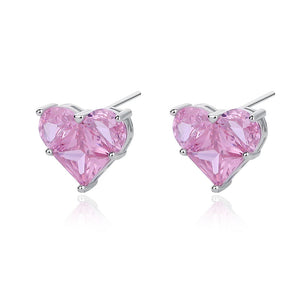
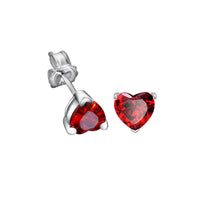
The piece they're describing → Boucles d'oreilles clous cœur rouge pour femme – Argent sterling 925, oxyde de zirconium taille cœur, hypoallergéniques
Personalize Yours


