


If you searched how to clean titanium jewelry expecting a long list of dos and don'ts, the real answer is refreshingly short: titanium is built to need almost none of it. It's one of the most corrosion-resistant metals on the planet — the same property that makes it standard in surgical implants and aerospace parts — and that translates directly into jewelry that keeps its finish for years with minimal upkeep. This guide walks through exactly what titanium jewelry does and doesn't need, the one safe cleaning method that covers nearly every situation, what to avoid on anodized colored pieces, and how titanium's low-maintenance profile compares to the metals AJLuxe actually sells.
Why Titanium Barely Needs Cleaning
Titanium's low-maintenance reputation comes down to basic chemistry. The moment titanium is exposed to oxygen, it forms an extremely thin, stable layer of titanium dioxide on its surface — an oxide layer that's essentially inert, meaning it doesn't react further with air, water, sweat, or most household chemicals. That's fundamentally different from how sterling silver tarnishes (silver sulfide forming from sulfur compounds in air) or how base metals corrode (iron oxide, or rust). Titanium simply doesn't have that reaction available to it, so what looks like "dirty" titanium jewelry is almost never actual corrosion — it's surface buildup from lotion, perfume residue, dead skin cells, or soap film sitting on top of a metal that hasn't chemically changed at all underneath.
The hardness helps too. Titanium ranks significantly harder than sterling silver and most gold alloys, so it resists the fine surface scratching that makes soft metals look dull and cloudy over time. A titanium ring or stud earring worn daily for years typically still has its original brushed or polished finish intact, which is part of why GIA's guide to ring metals for everyday wear flags titanium as one of the most durable options for pieces that see constant use.

Nearly Indestructible Isn't the Same as "Anything Goes"
Titanium can handle far more than a fine gemstone or a soft metal, but "durable" isn't the same as "indestructible for every cleaning method." The table below breaks down what's genuinely safe for titanium jewelry versus what to skip — mostly because of what it does to anodized color or adjacent gemstones, not because it will damage the bare titanium itself.
| Method | Safe for plain titanium? | Notes |
|---|---|---|
| Soft, slightly damp cloth | Yes — best default method | Handles daily oil, lotion, and light buildup; use after every wear |
| Warm water + mild dish soap | Yes | For visible buildup; rinse fully and dry immediately |
| Soft-bristled toothbrush | Yes | Gentle scrubbing in grooves, texture, or engraving is fine on bare titanium |
| Ultrasonic cleaner | Only if plain, unanodized, and gem-free | Vibration can loosen or dull anodized color and any set gemstones over repeated use |
| Steam cleaner | Avoid | High heat can degrade anodized color layers; unnecessary given titanium's low upkeep needs |
| Abrasive polishing compounds or metal polish | Avoid | Unnecessary — titanium doesn't tarnish, and abrasives can dull a brushed or anodized finish |
| Bleach or chlorine-heavy cleaners | Avoid | Won't corrode the titanium, but harsh chemicals aren't needed and can strip anodized color |
The Safe Cleaning Method, Step by Step
For nearly every titanium jewelry situation — a ring worn daily, flat-back earrings, a chain, a healed-piercing stud — this is the full process:
- Wipe first. Before reaching for water or soap, try a soft, lint-free cloth (a microfiber cloth or an old cotton t-shirt works fine). This alone resolves most everyday dullness from skin oil and lotion.
- If buildup remains, wash it. Mix a few drops of mild, unscented dish soap into a bowl of warm — not hot — water. Submerge the piece for a couple of minutes.
- Loosen stubborn residue. Use a soft-bristled toothbrush (baby toothbrushes work well for small pieces) to gently work the soapy water into any grooves, textured surfaces, or engraving.
- Rinse thoroughly. Run the piece under lukewarm water to remove every trace of soap. Leftover soap film is actually the most common cause of a "cloudy" look on titanium — not the metal itself.
- Dry completely. Pat dry with a soft cloth and let it air-dry fully before storing. Titanium won't rust from residual moisture, but drying it fully prevents water spots and keeps any adjacent gemstone settings from sitting in dampness.
That's the entire process. There's no polishing step, no anti-tarnish strip, and no monthly maintenance schedule required — titanium simply doesn't accumulate the kind of chemical change that sterling silver or plated jewelry needs regular attention for.

Anodized Color Titanium Needs a Slightly Gentler Touch
Plain titanium is essentially bulletproof, but colored titanium is a different case worth knowing about. Titanium's color options — blues, purples, golds, rainbow finishes — aren't created with dye or plating. They come from anodizing, a process that uses an electrical current to grow the natural oxide layer to a specific thickness, and different thicknesses refract light into different colors. That color layer sits right at the surface, which means it's more vulnerable to abrasion than the titanium underneath.
For anodized titanium, stick to the soft-cloth-and-mild-soap method above, and skip the ultrasonic cleaner, abrasive cloths, and any scrubbing harder than a soft toothbrush. The color won't wear off from normal wear or gentle cleaning, but repeated aggressive scrubbing or years of ultrasonic vibration can gradually dull or unevenly fade an anodized finish. If you notice color loss on anodized titanium jewelry, it's typically from mechanical wear against skin, clothing, or hair over time — not from the cleaning method itself, as long as you're sticking to the gentle approach.
Storage and Everyday Wear Habits
Because titanium doesn't tarnish or react with air, storage is genuinely low-stakes compared to silver or plated jewelry — you don't need airtight bags or anti-tarnish strips. That said, a few habits keep any piece looking its best for longer:
- Store separately from harder gemstones. While titanium resists scratching from most everyday contact, diamonds and other very hard stones can still mark titanium's surface if pieces are tossed together loosely in a drawer or bag.
- Remove before intense friction or impact activities. Weightlifting, contact sports, or heavy manual work can dent or scuff even a hard metal like titanium if it takes a direct impact — titanium resists scratching far better than it resists a hard strike.
- Rinse after swimming or the gym. Titanium won't corrode from chlorine, saltwater, or sweat, but rinsing and wiping it down afterward prevents dried salt or chlorine residue from building up on the surface.
- You genuinely can leave it on more often. Because titanium doesn't tarnish or react with lotion, perfume, or moisture the way plated jewelry can, it's one of the few metals where "sleep in it, shower in it, forget about it" is realistically fine for most plain titanium pieces.
How Titanium's Maintenance Compares to Sterling Silver and Plated Jewelry
Titanium's near-zero maintenance is exactly why it's the industry-standard metal for fresh piercings and reactive skin — see our full breakdown of whether titanium jewelry is truly hypoallergenic for the allergy side of that equation. But it's worth being clear-eyed about what that maintenance comparison actually looks like against the metals most fine jewelry — including AJLuxe's line — is actually made from:
- Sterling silver tarnishes from sulfur compounds in air and needs occasional polishing with a silver cloth; titanium never does.
- 18K gold-plated jewelry can wear thin over years of friction and eventually needs re-plating; titanium's finish doesn't wear away the way a thin plating layer can.
- Titanium trades that low upkeep for a narrower design range — it's not solderable or resizable with standard jeweler's tools the way precious metals are, so a titanium ring that no longer fits typically gets replaced rather than adjusted, a tradeoff covered in our titanium vs surgical steel comparison.
AJLuxe doesn't sell titanium jewelry — our line is built on 925 sterling silver and 18K gold plating, both genuinely nickel-free and hypoallergenic-friendly, but with a different maintenance profile than titanium's near-zero upkeep. If you're past the fresh-piercing stage and want a piece that reads as fine jewelry with easy day-to-day care, our flat-back stud earrings are a nickel-free 925 silver alternative built for healed, everyday-wear ears. For a direct look at titanium against the other hypoallergenic contenders, see niobium vs titanium earrings, titanium vs stainless steel earrings, and our broader honest review of titanium jewelry quality.
Frequently Asked Questions
What is the best way to clean titanium jewelry at home?
A soft, slightly damp cloth handles most everyday buildup. For visible dullness from lotion or soap residue, soak the piece in warm water with a few drops of mild dish soap, gently scrub with a soft toothbrush, rinse thoroughly, and dry completely.
Can you use an ultrasonic cleaner on titanium jewelry?
Plain, unanodized titanium with no set gemstones can generally handle an ultrasonic cleaner. Anodized colored titanium or pieces with gemstones should avoid it, since the vibration can gradually dull anodized color or loosen stone settings over repeated use.
Does titanium jewelry tarnish?
No. Titanium forms a stable, inert oxide layer on contact with air that doesn't react further, so it never tarnishes the way sterling silver does. What looks like dullness on titanium jewelry is almost always surface buildup, not corrosion.
Can you shower or swim in titanium jewelry?
Yes. Titanium is fully water-resistant and won't corrode from fresh water, chlorine, or saltwater. Rinsing it afterward is a good habit to prevent residue buildup, but it's not required to protect the metal itself.
Why does my titanium ring look dull even though it doesn't tarnish?
Dullness on titanium is almost always a thin film of skin oil, lotion, soap residue, or dead skin buildup sitting on the surface — not chemical corrosion. A soft cloth wipe or a warm soapy water soak restores the original finish.
Can I use toothpaste or baking soda to clean titanium jewelry?
It's not necessary and mildly abrasive. Since titanium doesn't tarnish, there's nothing for an abrasive paste to "restore" — and repeated use of gritty pastes can dull a polished or anodized finish over time. Mild soap and water does the same job more safely.
How do I clean anodized colored titanium without damaging the color?
Stick to a soft cloth or a gentle warm soapy water soak with a soft toothbrush. Avoid ultrasonic cleaners, steam cleaners, and abrasive polishing cloths, since the color comes from a thin oxide layer at the surface that can wear down with aggressive cleaning methods.
How often should I clean titanium jewelry?
There's no strict schedule. A quick cloth wipe after wearing is enough for most people, and a proper soap-and-water soak once a month or whenever the piece looks visibly dulled is more than sufficient — far less frequent than sterling silver typically needs.
Is titanium jewelry hard to clean compared to sterling silver?
It's significantly easier. Sterling silver tarnishes from airborne sulfur and needs periodic polishing to stay bright; titanium doesn't tarnish at all, so its "cleaning" is really just removing surface buildup, not reversing a chemical reaction.
Can titanium jewelry scratch, and does that affect cleaning?
Titanium is highly scratch-resistant compared to sterling silver and most gold alloys, though it's not scratch-proof against very hard materials like diamonds. Its scratch resistance is part of why it needs so little maintenance — the finish holds up over years of normal wear.
What should I avoid using to clean titanium jewelry?
Avoid abrasive polishing compounds, harsh chemical cleaners like bleach or chlorine-heavy solutions, and steam cleaners on anodized pieces. None of these will corrode bare titanium, but they're unnecessary and can dull or damage anodized color layers.
Final Thoughts
Titanium is about as close to maintenance-free as jewelry gets. Its inert oxide layer means it never tarnishes, its hardness means it resists the everyday scratching that dulls softer metals, and the entire cleaning process for most pieces is a soft cloth and, occasionally, a warm soapy soak. The only real caution is around anodized color, where gentler cleaning protects a thin surface layer rather than the underlying metal. That low-upkeep profile is exactly why titanium remains the standard recommendation for fresh piercings and reactive skin. Once a piercing is fully healed and you're shopping for everyday fine jewelry rather than piercing hardware, that's where AJLuxe's nickel-free 925 sterling silver and 18K gold-plated pieces come in — a different maintenance rhythm, but still built for sensitive, everyday wear.
Piercing fully healed? Try genuinely nickel-free 925 sterling silver instead of titanium.
Shop Flat Back Stud Earrings — Hypoallergenic Sterling SilverLooking for more hypoallergenic styles beyond studs? Browse our full hypoallergenic earrings collection — every piece is genuine 925 sterling silver or 18K gold plating, nickel-free, and built for sensitive and healed-piercing ears.
Shop This Guide
Written by the AJLuxe Team — specialists in nickel-free 925 sterling silver and 18K gold-plated hypoallergenic jewelry. Sources: GIA 4Cs — Best Ring Material for Everyday Wear. Last updated: July 2026.
More Jewelry Care Guides
See the general troubleshooting guide, or browse care instructions for other jewelry materials:
- How to Clean Tarnished Jewelry (Sterling Silver, Gold-Plated, Steel & More)
- How to Clean Jewelry With Diamonds: A Complete Care Guide
- How to Clean Stainless Steel Jewelry: Safe Methods
- How to Clean Copper Jewelry: Patina, Verdigris & DIY Methods
- How to Clean Costume Jewelry (Without Ruining It)
- How to Clean Brass Jewelry: DIY Methods That Actually Work
- How to Clean Jewelry With Baking Soda (Step-by-Step)
- How to Clean Rose Gold Jewelry: Solid vs. Plated Care Guide
- How to Clean Moissanite Jewelry (Complete Care Guide)
Toutes les marques, noms de marque et noms de produits tiers sont la propriété de leurs détenteurs respectifs. AJLuxe n’est affilié à aucune marque tierce citée dans cet article, ni approuvé ou sponsorisé par celle-ci. Les noms de marque sont utilisés uniquement à des fins de comparaison factuelle, et les descriptions de matériaux reflètent les spécifications produit publiées par chaque marque au moment de la rédaction.
You Might Also Like
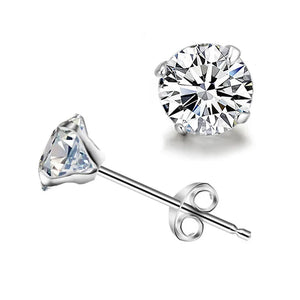

The piece they're describing → Puces d'oreilles en oxyde de zirconium pour femme — Argent sterling 925, oxyde de zirconium, hypoallergéniques
Personalize Yours


