


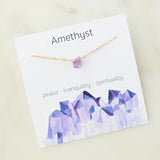
TL;DR: Opal is porous and contains water, so it needs gentler care than most gemstones. Never use ultrasonic or steam cleaners, never soak it, and keep it away from heat and sudden temperature swings. The only truly safe method is a soft, damp cloth with mild soapy water, followed by a gentle pat dry. Store opals somewhere with normal room humidity, not a bone-dry safe or a hot car, to prevent cracking (called crazing).
Why Opal Cleaning Rules Are Different From Every Other Gem
Most fine jewelry advice tells you to soak your rings in warm soapy water, scrub gently with a soft toothbrush, and maybe run them through an ultrasonic cleaner once in a while. Opal breaks every one of those rules.
Opal is a hydrated form of silica, meaning it physically contains water locked into its structure, typically 3% to 21% by weight depending on where it formed. That water content is part of what creates opal's signature play-of-color, the shifting flashes of blue, green, orange, and pink you see when the stone catches the light. It is also opal's biggest vulnerability.
According to the Gemological Institute of America (GIA), opal ranges from 5 to 6.5 on the Mohs hardness scale, and its toughness is rated "very poor to fair." GIA notes that heat from intense light can cause fracture lines called crazing, and that high heat or sudden temperature changes can also cause opal to fracture outright. GIA is explicit that the only safe way to clean opal is warm, soapy water, applied gently, never ultrasonic or steam methods.
In practice, that means the jewelry-cleaning habits that are perfectly fine for a diamond or sapphire ring can crack an opal in seconds.
What Happens Inside Opal When It's Cleaned the Wrong Way
Two specific things go wrong when opal meets the wrong cleaning method, and understanding them makes the "don't" list much easier to remember.
Dehydration and crazing. If an opal loses water too quickly, either from heat, very dry air, or harsh chemicals stripping moisture from its surface, the stone can develop a network of tiny internal cracks known as crazing. Crazing is often irreversible. A once-glassy opal can turn cloudy or web with fine fracture lines that catch light unevenly and permanently dull its color.
Thermal shock. Opal expands and contracts differently than the metal it's set in. An ultrasonic cleaner's vibrations, a steam cleaner's blast of heat, or even running a cold opal ring under hot tap water can create enough stress to fracture the stone or loosen it from its setting. This is the same reason jewelers warn against wearing opal jewelry in a hot shower or hot tub.
Neither of these failures happens with a diamond, a sapphire, or most other jewelry stones, which is exactly why generic "how to clean your jewelry" advice can be dangerous for opal owners.
The Safe Way to Clean Opal Jewelry
Opal cleaning is deliberately simple, because simple is what keeps the stone intact. Follow these steps:
- Mix a mild solution. A few drops of gentle dish soap in lukewarm (not hot) water.
- Dampen a soft cloth. Use a microfiber or other soft, lint-free cloth. Dip it in the soapy water and wring it out until it's just damp, not wet.
- Wipe gently. Gently wipe the surface of the opal and the surrounding metal. Do not rub hard or apply pressure directly on the stone.
- Rinse the cloth, wipe again. Use a second cloth dampened with plain water to wipe away any soap residue.
- Pat dry immediately. Use a dry, soft cloth to pat (not rub) the piece dry right away. Never let an opal air-dry or sit wet.
- Let it fully air out before storing. Give the piece a few minutes at room temperature before putting it away.
That's it. No soaking, no scrubbing, no brushes with stiff bristles, and no specialty jewelry-cleaning solutions unless a jeweler has specifically told you that particular product is opal-safe.

Opal-Safe vs. Opal-Unsafe Cleaning Methods
| Method / Product | Safe for Opal? | Why |
|---|---|---|
| Soft damp cloth + mild soap | Yes | Gentle, no heat, no vibration, no soaking |
| Ultrasonic cleaner | No | Vibrations cause thermal/mechanical shock, can fracture or loosen the stone |
| Steam cleaner | No | Intense heat causes crazing and fracture |
| Soaking in water or cleaning solution | No | Prolonged moisture exposure destabilizes doublets/triplets and can seep into fissures |
| Jewelry dip / harsh chemical cleaner | No | Opal is attacked by strong acids and caustic alkaline solutions per GIA |
| Toothbrush or abrasive brush | No | Opal's poor toughness means scrubbing can scratch or chip the surface |
| Hot water or sudden temperature change | No | Thermal shock can crack the stone instantly |
| Professional jeweler cleaning (opal-informed) | Yes | Trained jewelers use hand-cleaning methods safe for hydrated gems |
How to Store Opal Jewelry So It Doesn't Crack
Storage matters just as much as cleaning for opal, because the same dehydration that ruins a stone during cleaning can happen slowly over months in the wrong environment.
- Avoid bone-dry environments. A sealed safe, a display case with silica gel packets, or a very dry climate can slowly pull moisture out of an opal over time and lead to crazing. Normal household humidity is fine; opal doesn't need a humidifier, it just needs to avoid extremes.
- Keep it away from heat sources. Don't store opal jewelry near a radiator, on a sunny windowsill, in a hot car, or anywhere temperatures swing widely between day and night.
- Store pieces separately. Because opal's toughness is only fair, it can be scratched or chipped by harder gems and metal edges jostling against it in a jewelry box. Use a soft-lined compartment or a small pouch.
- Take it off before physical activity, cleaning, or sleep. Impacts are opal's other major risk besides dehydration. A knock against a countertop or a fall can chip or crack the stone regardless of humidity.
- Wear it occasionally rather than storing it away forever. Some jewelers believe opal benefits from ambient humidity and the natural oils of skin contact, and a piece that's never worn and left in a dry box for years is more prone to crazing than one worn periodically and cleaned properly.

Opal Doublets and Triplets Need Extra Caution
Not all opal jewelry is a single solid piece of stone. Doublets are a thin slice of natural opal glued to a dark backing, and triplets add a clear protective cap (often quartz or glass) on top of that. Both are common in more affordable opal jewelry.
Doublets and triplets are more vulnerable to moisture and cleaning products than solid opals, because the adhesive layer holding the pieces together can be damaged by soaking, harsh chemicals, or heat. If your piece is a doublet or triplet:
- Never soak it, even briefly, since water can seep between the layers and cloud or separate them.
- Wipe with a barely-damp cloth only, and dry immediately.
- Avoid extreme temperature changes even more strictly than you would with solid opal.
- Ask your jeweler whether your piece is solid, a doublet, or a triplet if you aren't sure. The care difference is significant.
Everyday Habits That Protect Opal Jewelry
Beyond cleaning and storage, a few daily habits go a long way toward keeping opal jewelry crack-free for decades:
- Last on, first off. Put opal jewelry on after applying lotion, perfume, and hairspray, and take it off before showering, swimming, exercising, or doing housework.
- Avoid the shower and hot tub. Hot water plus soap residue is one of the most common ways opals get dulled or cracked in daily wear.
- Skip the pool and ocean. Chlorine and saltwater are both harsh on opal over repeated exposure.
- Don't use it as a tool. Opal's poor toughness means even minor knocks can chip the stone in a way a diamond would shrug off.
- Get prongs and settings checked yearly. A loose setting is more dangerous for opal than for tougher stones, since a fall from even a short height can crack it.
When to Take Opal Jewelry to a Professional Instead
Most day-to-day opal care can be handled at home with a soft cloth. Call in a professional jeweler when:
- The opal looks cloudy, has visible new cracks, or the play-of-color seems dulled compared to before.
- You're not sure whether your piece is a solid opal, doublet, or triplet.
- The setting feels loose or a prong looks bent.
- You've inherited opal jewelry and don't know its cleaning or treatment history (some opals are treated with oil, wax, resin, or smoke, per GIA, which changes how they should be handled).
- You want a deep clean before a special occasion and want to avoid any risk of doing it wrong yourself.
Tell the jeweler up front that the piece contains opal, since it changes their cleaning approach entirely compared to diamonds or harder colored stones.
Frequently Asked Questions
What is the safest way to clean opal jewelry at home?
A soft, lint-free cloth dampened with lukewarm water and a drop of mild dish soap, wiped gently, then patted dry immediately. That's the only method most jewelers and GIA recommend for opal.
Why should you never use an ultrasonic or steam cleaner on opal?
Ultrasonic vibrations and steam heat both create thermal and mechanical stress that opal's poor toughness can't handle, which can crack the stone or loosen its setting almost instantly.
What household chemicals should you avoid with opal jewelry?
Avoid bleach, chlorine, ammonia-based cleaners, acetone, and any harsh jewelry dip. GIA notes opal is attacked by hydrofluoric acid and caustic alkaline solutions, and everyday cleaning chemicals share similar risks in smaller doses.
Can you soak opal jewelry in water?
No. Soaking, even in plain water, can be risky for opal doublets and triplets in particular, since moisture can seep between the glued layers. Solid opals tolerate brief gentle contact with water better, but prolonged soaking is never recommended for any opal.
How does heat cause opals to crack?
Opal contains water within its structure. Heat speeds up moisture loss and creates uneven expansion between the stone and its metal setting, which is what causes the fine internal cracks called crazing.
Why is humidity important for opal storage?
Very dry air can slowly draw water out of an opal over time, contributing to crazing. Opal doesn't need extra humidity, just normal room conditions rather than bone-dry storage like a sealed safe with desiccant packets.
What's the best way to store opal jewelry?
In a soft-lined pouch or jewelry box compartment at normal room temperature and humidity, away from direct heat sources, sunny windowsills, and harder gemstones that could scratch it.
Is it safe to wear opal jewelry every day?
Yes, with care. Put it on last after getting ready and take it off before showering, exercising, swimming, or doing chores. Occasional wear can actually be good for opal, but impacts and chemical exposure are the real risks.
How is cleaning different for opal doublets and triplets versus solid opal?
Doublets and triplets are layered with adhesive and are more sensitive to moisture and chemicals than solid opal, since liquid can seep between layers and cloud or separate them. Use only a barely-damp cloth and dry immediately.
Should you ever try to rehydrate a crazed or dry-looking opal yourself?
No. Home remedies like soaking in oil or glycerin are not reliable and can trap moisture or residue in ways that make the damage worse. Crazing is often permanent, and a professional jeweler should evaluate any opal that looks cloudy or cracked.
When should opal jewelry go to a professional jeweler instead of being cleaned at home?
When you see new cracks, cloudiness, a loose setting, or when you're unsure whether the piece is solid opal, a doublet, or a triplet. Also worth a professional look before a big event if you want a deeper clean without any risk.
Can opal jewelry be worn in the shower or a hot tub?
No. Hot water, soap residue, and sudden temperature swings are one of the most common causes of dulled or cracked opals in daily wear. Take opal jewelry off before bathing, showering, or using a hot tub.
Shopping for opal-inspired jewelry? AJLuxe doesn't currently carry natural opal pieces, but our Stone Charm Necklace features other delicate natural gemstones that deserve the same gentle care described above. Browse our full jewelry cleaning guide for care tips on every metal and stone type, or read our guide on caring for pearl jewelry, another porous, delicate gem that shares many of opal's care rules.
Toutes les marques, noms de marque et noms de produits tiers sont la propriété de leurs détenteurs respectifs. AJLuxe n’est affilié à aucune marque tierce citée dans cet article, ni approuvé ou sponsorisé par celle-ci. Les noms de marque sont utilisés uniquement à des fins de comparaison factuelle, et les descriptions de matériaux reflètent les spécifications produit publiées par chaque marque au moment de la rédaction.
You Might Also Like
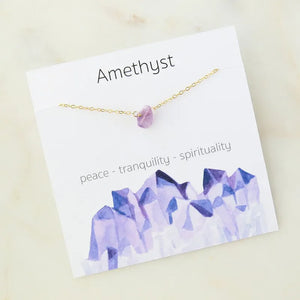

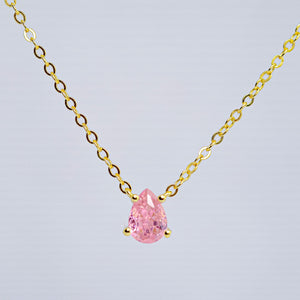
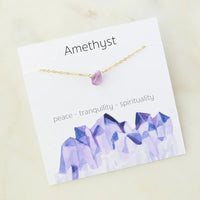
The piece they're describing → Collier pendentif en pierre pour femme – Plaqué or 18 carats, pendentifs en pierres précieuses naturelles
Personalize Yours


