


Quick answer: Yes, white gold turns yellow over time — but it's not damage or a sign of fake gold. White gold jewelry is rhodium-plated over a naturally yellow-gray gold alloy. As that rhodium layer wears down (typically 6-18 months for rings, longer for necklaces and earrings), the warmer alloy color underneath shows through. A quick, affordable rhodium replating trip to any jeweler restores the bright white look. Platinum, by contrast, never yellows because it's naturally white all the way through.
TL;DR
- White gold yellows because it's rhodium-plated over a yellow-gray alloy — the plating wears off, not the gold itself.
- Rings yellow fastest (6-18 months), necklaces and earrings last longer (2-4+ years) since they touch skin and surfaces less.
- Replating costs $40-100 at most jewelers and takes 1-3 days.
- Yellowing is not a defect and doesn't mean your gold is fake — it happens to every rhodium-plated white gold piece eventually.
- Platinum never yellows because it's naturally white; palladium white gold and newer "Star White Gold" alloys also skip the yellowing problem.
- A rhodium-plated sterling silver piece gives you the same bright white finish white gold does, without the higher price tag.
New to the topic? Start with our primer: Is White Gold Real Gold?, which explains the palladium/nickel alloy and rhodium plating behind that bright white finish.
Want the bright white finish without worrying about it? Our rhodium-plated sterling silver ring gives you the same icy-white look at a fraction of the cost — and re-plating it is just as simple as a white gold ring.
If your white gold ring is starting to look a little warmer or golden around the edges, you're not imagining it — and you didn't buy fake gold. White gold turns yellow because of how it's made, not because something went wrong. Here's exactly why it happens, how fast to expect it, what it costs to fix, and how to decide if a different metal makes more sense for you next time.
What White Gold Actually Is (And Why It's Never Truly White)
Pure gold is yellow. To make "white gold," jewelers mix pure gold with white metals like palladium, silver, or nickel, which lightens the color to a pale gray-yellow — not the bright white you see in stores. That bright white shine comes from a separate step: rhodium plating, a microscopically thin layer of a platinum-group metal brushed over the finished piece.
Rhodium is naturally brilliant white and extremely reflective, which is why it's used to plate everything from white gold to silver flatware. But it's a coating, not the metal itself — and coatings wear off.
Takeaway: the "white" in white gold is a plated finish, not the alloy's true color. Once you know that, the yellowing makes complete sense.
So Why Does White Gold Turn Yellow?
Every time your ring rubs against skin, fabric, countertops, or other jewelry, it wears away a tiny amount of the rhodium layer. Over months of daily contact, enough rhodium wears through that the yellow-gray alloy underneath starts to show. Sweat, skincare products, chlorine, and household cleaners speed this up by chemically breaking down the plating a little faster than plain friction alone.
This is not corrosion, tarnish, or a manufacturing defect. It's mechanical wear on a thin plated layer — the same reason chrome plating on a faucet eventually shows brass underneath, or gold-plated flatware shows silver at the edges after years of use.
How Long Before White Gold Starts Turning Yellow?
Timing depends heavily on what you're wearing and how often:
| Jewelry Type | Typical Time to Noticeable Yellowing | Why |
|---|---|---|
| Engagement/wedding rings | 6-18 months | Worn daily, constant contact with hands, water, products |
| Everyday stacking rings | 1-2 years | Frequent wear, less friction than a single primary ring |
| Necklaces and pendants | 2-4 years | Minimal direct friction, mostly rests against clothing |
| Earrings | 3-5+ years | Almost no surface contact or friction |
Rings yellow first because they take the most abuse — they're constantly rubbing against your hands, other jewelry, keys, and countertops. If your ring looks a little warmer after a year of daily wear, that's completely normal, not a sign of a cheap piece. Ring problems aren't always about color, either — if yours has been bent out of shape, see our guide on how to fix a bent ring safely and when it's time to see a jeweler instead.
Does Yellowing Mean Your White Gold Is Fake or Damaged?
No — yellowing is not a sign of fake or damaged gold. It's the opposite, actually: real white gold yellows precisely because it's a real gold alloy underneath a rhodium coating. A piece that's genuinely fake (gold-tone base metal with no real gold content) usually shows a very different kind of wear — greenish tarnish, flaking, or a dull gray patina, not a warm gold tone.
If you want to confirm your ring is real white gold rather than plated base metal, check for a hallmark stamp (10K, 14K, or 18K) inside the band. A jeweler can also verify purity with an acid test or an electronic gold tester in a couple of minutes.
How Much Does White Gold Replating Cost?
Rhodium replating is quick and affordable — this is genuinely good news if your ring has started to yellow.
| Service | Typical Cost | Turnaround |
|---|---|---|
| Local independent jeweler | $40-100 | 1-3 days |
| Chain jeweler (mall stores) | $60-150 | 3-7 days (often mailed to a lab) |
| Where you bought the ring | Often free or discounted | Varies — check your warranty terms |
Most jewelers recommend replating every 1-3 years depending on how often you wear the piece. If you bought your ring from a jeweler with a lifetime warranty, ask — many include free or discounted replating for the life of the ring.
Can You Prevent or Slow Down the Yellowing?
You can't stop it permanently, but you can slow it down:
- Remove rings before applying lotion, sunscreen, or perfume — chemical products break down rhodium faster than friction alone.
- Take rings off before swimming in chlorinated pools or salt water, both of which are especially hard on rhodium plating.
- Avoid abrasive cleaning — a soft cloth and mild dish soap (like Dawn) in warm water is safe; avoid ultrasonic cleaners at home and abrasive polishing compounds, which strip plating faster.
- Store separately from other jewelry to avoid metal-on-metal friction in your jewelry box.
None of these will make rhodium plating last forever — it's a consumable finish by design — but they can meaningfully stretch the time between replating visits.
Does This Happen to Platinum? What About Palladium White Gold?
This is the question worth asking before your next purchase, and it's one most white gold guides skip entirely: platinum never yellows, because it's naturally white all the way through — there's no plating layer to wear off. It develops a soft matte patina over years, but never shows a yellow or gold tone underneath.
If you love the look of white gold but want to avoid replating altogether, two newer alloy options exist:
- Palladium white gold — gold alloyed with palladium (a naturally white platinum-group metal) instead of nickel or silver. It's naturally whiter than standard white gold and needs less frequent rhodium touch-ups, though most pieces are still lightly plated for maximum brightness.
- "Star White Gold" and similar proprietary alloys — newer formulations some jewelers use that are naturally closer to pure white, reducing (though not eliminating) the need for rhodium plating.
If avoiding maintenance entirely matters more to you than the exact metal name, platinum is the only option with zero yellowing risk — read our full white gold vs. platinum comparison for cost and durability differences. And if budget is the bigger factor, a rhodium-plated sterling silver piece gives you the same bright white look white gold has, at a fraction of the price — with replating that costs just as little to redo. For the full mechanics of how that plating works and how long it really lasts, see our complete guide to rhodium plating.
Related reading: Yellow gold vs rose gold.
Related reading: What does yellow mean on a mood ring.
Frequently Asked Questions
How long does it take for white gold to turn yellow?
Most white gold rings start showing noticeable yellowing within 6 to 18 months of daily wear, since rings take the most friction and chemical exposure. Necklaces and earrings can take 2 to 5 years or longer because they have far less direct contact with skin, water, and surfaces.
How do you remove yellowing from white gold at home?
You can't permanently remove yellowing at home — it requires professional rhodium replating. A gentle soak in warm water with mild dish soap and a soft cloth can remove surface grime and temporarily brighten the piece, but it won't restore the rhodium layer itself once it's worn through.
How much does it cost to get white gold replated?
Rhodium replating typically costs $40 to $100 at a local independent jeweler, and $60 to $150 at chain jewelry stores, with turnaround of 1 to 7 days. If you bought the piece from a jeweler with a lifetime warranty, ask about free or discounted replating.
Can I shower with white gold jewelry?
Occasional water exposure won't damage white gold, but soap residue, shampoo, and hot water can speed up rhodium wear over time. It's best to remove white gold jewelry before showering, and always take it off before swimming in chlorinated or salt water.
How can you tell if white gold is real?
Check the inside of the band for a hallmark stamp like 10K, 14K, or 18K, which indicates real gold content. A jeweler can also confirm purity in minutes using an acid test or an electronic gold tester, and genuine white gold yellows over time rather than showing greenish tarnish or flaking, which are signs of base metal.
Can you use Dawn dish soap to clean white gold?
Yes, a drop of Dawn dish soap in warm water with a soft-bristled brush is a safe, commonly recommended way to clean white gold at home. Avoid abrasive polishing compounds and at-home ultrasonic cleaners, since both can wear down the rhodium plating faster.
Does white gold turning yellow mean it's fake or damaged?
No. Yellowing is actually a sign your white gold is genuine — it happens because a real gold alloy sits underneath the rhodium plating. Fake or base-metal jewelry tends to show greenish tarnish, flaking, or a dull gray patina instead of a warm yellow tone.
Does platinum turn yellow the way white gold does?
No. Platinum is naturally white all the way through and isn't plated, so it never develops a yellow tone. It can develop a soft matte patina from surface scratches over many years, but this is easily polished back to a shine and never reveals a different color underneath.
Is there a white gold that doesn't need rhodium replating?
Palladium white gold and some newer proprietary alloys are naturally whiter than standard nickel or silver white gold alloys and need less frequent rhodium touch-ups. However, most white gold jewelry, regardless of alloy, is still lightly rhodium-plated for maximum brightness, so some maintenance is still likely over time.
What is 1 oz of white gold worth?
White gold's value is based on its gold content, not the white color or rhodium plating. A 14K white gold alloy is 58.5% pure gold by weight, so 1 troy ounce is worth roughly 58.5% of the current spot price of pure gold, with 18K (75% pure) worth proportionally more. Rhodium plating adds negligible resale value since it's a microscopically thin coating.
Final Thoughts
White gold turning yellow isn't a flaw — it's just what happens when a rhodium-plated finish wears down over months or years of normal wear. A quick, inexpensive replating trip restores the bright white look, and knowing the timeline ahead of time means it won't catch you off guard. If you'd rather skip the maintenance conversation entirely, platinum and rhodium-plated sterling silver are both worth a look.
Love the bright white finish but want an easier, lower-cost option? Check out our rhodium-plated sterling silver ring — same icy-white look, simple to re-plate, and priced for everyday wear.
Shop This Guide
Rhodium-Plated Sterling Silver Ring — get the white gold look without the replating bill.
Written by the AJLuxe team — specialists in personalized sterling silver and rhodium-plated jewelry. Last updated: July 2026. Sources: GIA Gem Education, Jewelers of America.
Toutes les marques, noms de marque et noms de produits tiers sont la propriété de leurs détenteurs respectifs. AJLuxe n’est affilié à aucune marque tierce citée dans cet article, ni approuvé ou sponsorisé par celle-ci. Les noms de marque sont utilisés uniquement à des fins de comparaison factuelle, et les descriptions de matériaux reflètent les spécifications produit publiées par chaque marque au moment de la rédaction.
You Might Also Like
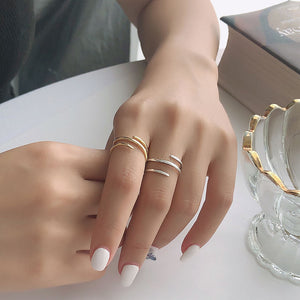
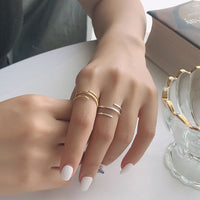
The piece they're describing → Bague minimaliste ajustable pour femmes — Argent sterling 925, Plaqué or ou rhodium
Personalize Yours


