


Quick answer: Platinum is naturally white and never needs replating, but it costs $300–$600 more than white gold for the same setting and scratches into a matte patina over time. White gold is cheaper and holds a brighter shine longer, but its rhodium plating wears off in 1–3 years and needs re-dipping ($50–$100) to stay white. Platinum is also denser and heavier, and its scratch pattern displaces metal instead of removing it — meaning prongs wear down far more slowly than gold prongs do.
- Platinum is naturally white; white gold is yellow gold plated with rhodium to look white
- Platinum costs $300–$600 more than 14K white gold for an identical setting
- White gold's rhodium plating wears off in 1–3 years and costs $50–$100 to redo
- Platinum is about 60% denser than white gold — it feels noticeably heavier
- Platinum scratches displace metal (patina); gold scratches remove metal (thinning over decades)
- Platinum is generally more hypoallergenic; white gold alloys can contain trace nickel
- A rhodium-plated ring gets you platinum's bright white look at a fraction of the cost
White gold vs platinum comes down to one core trade-off: platinum is naturally white, denser, and more hypoallergenic, but costs $300 to $600 more per ring and develops a soft matte patina. White gold is more affordable and holds a brighter polished shine, but needs its rhodium plating redone every 1 to 3 years. Neither metal is objectively "better" — the right choice depends on whether you'd rather pay more upfront or maintain it over time.
What's the Difference Between White Gold and Platinum?
Platinum is a naturally white metal used in jewelry at 95% purity (marked PT950) — it never needs plating because its white color is the metal itself. White gold, by contrast, starts as yellow gold alloyed with white metals like palladium or nickel, then coated in a thin layer of rhodium to achieve its bright white finish. That rhodium layer is what actually gives white gold its color — the gold alloy underneath is a pale, slightly yellow-gray tone.
This distinction matters more than most guides explain: white gold's "whiteness" is a surface treatment, not the metal's natural state. Platinum's whiteness goes all the way through.
White Gold vs Platinum: Real Cost Comparison
Platinum typically costs $300 to $600 more than 14K white gold for the exact same ring design and stone. That gap comes from two places: platinum is rarer to mine (roughly 2,700 tons of gold are mined annually worldwide, compared to about 80 tons of platinum), and platinum jewelry alloys use a higher percentage of the actual precious metal (95%+ purity vs. 58.3%–75% for 14K–18K gold).
| Factor | White Gold (14K) | Platinum (PT950) |
|---|---|---|
| Purity | 58.3% gold + alloy metals | 95%+ pure platinum |
| Upfront cost (same setting) | Baseline | +$300–$600 |
| Maintenance cost | $50–$100 re-plating every 1–3 years | Occasional polishing only, no replating ever |
| Weight/density | Lighter | ~60% denser, noticeably heavier |
| Hypoallergenic | Can contain trace nickel | Generally safest for sensitive skin |
Over a 20-year ownership window, the gap narrows: if you replate a white gold ring every 2 years at $75 a visit, that's roughly $750 in maintenance — meaning platinum's higher sticker price partly evens out over time, even though white gold still usually wins on total cost.
Which Metal Is More Durable: White Gold or Platinum?
Durability depends on how you define it. Platinum wins on structural longevity: when platinum gets scratched, the metal is displaced sideways rather than worn away, so a platinum prong holding a stone rarely thins out or breaks, even after decades of daily wear. White gold's scratches actually remove tiny amounts of metal, which means a white gold prong can gradually thin over 20–30+ years of wear and, in rare cases, eventually need reinforcement.
White gold wins on scratch-visibility, though: those same platinum scratches build up into a soft, matte "patina" finish that many people love but that others find dull compared to a freshly polished ring. White gold, once replated, looks brand-new and bright — platinum requires a repolish to fully restore its factory shine, which some owners skip, letting the patina develop on purpose.
Does White Gold Turn Yellow? (And Platinum Doesn't)
Yes — this is the single most common white gold complaint, and it's the real reason the maintenance-cost gap exists. White gold's bright white color comes entirely from its rhodium plating, and that plating wears thin after 1 to 3 years of daily wear, showing the pale yellowish alloy underneath. Soaps, lotions, and skin acidity all speed this up. Platinum physically cannot turn yellow, because its white color isn't a coating — it's the metal itself, all the way through.
If you've noticed your white gold ring looking dull or slightly gold-tinted at the edges, that's normal wear, not a defect — a jeweler can re-dip it in rhodium for $50 to $100 and restore the bright white finish in about a day.
Which Is Better for Sensitive Skin: White Gold or Platinum?
Platinum is generally the safer choice for sensitive skin and metal allergies. Because it's used at 95%+ purity, there's very little room for other metals — including nickel, a common allergy trigger — to be part of the alloy. White gold, on the other hand, is often alloyed with nickel to achieve its pale color and hardness, and while the rhodium plating covers the surface at first, that plating wearing thin can expose the nickel-containing alloy underneath directly against skin.
If you have a known nickel allergy, ask specifically whether a white gold piece uses a nickel alloy or a nickel-free alternative (like palladium white gold) — both exist, but nickel alloys are more common because they're cheaper to produce.
Want the Platinum Look Without the Platinum Price?
This is the option almost no white-gold-vs-platinum guide mentions: if what you actually want is platinum's bright white color rather than platinum specifically, a rhodium-plated piece gets you there for a fraction of the cost. Our 925 Sterling Silver Adjustable Minimalist Ring comes in a rhodium-plated finish — the exact same plating process used to whiten white gold — over a sterling silver base instead of gold or platinum.

It won't have platinum's density or its decades-long structural durability, and the rhodium layer will eventually need refreshing just like white gold's does. But for everyday rings, stacking pieces, or anyone who wants the color without the investment-level price tag, it's a legitimate middle option between "cheap costume jewelry" and "$1,000+ platinum." For the full mechanics of how that plating works, how long it lasts, and what re-plating costs, see our complete guide to rhodium plating.
So Which Should You Choose?
Choose platinum if you want a metal that never needs replating, don't mind a softer matte patina developing over time, have sensitive skin, or plan to wear the piece daily for decades (like a wedding band). Choose white gold if budget matters more than long-term maintenance, you like a consistently bright polished shine and don't mind redoing the plating every couple of years, or you're buying a fashion ring you might replace or restyle later anyway.
Frequently Asked Questions
Is white gold more expensive than platinum?
No — white gold is usually cheaper. Platinum typically costs $300 to $600 more than 14K white gold for an identical ring design, mainly because platinum jewelry uses 95%+ pure metal versus 58.3%–75% purity for gold alloys.
Does white gold turn yellow?
Yes. White gold's bright white color comes from a rhodium plating layer over a naturally pale yellow-gray gold alloy. That plating wears thin after 1 to 3 years, letting the underlying color show through. Platinum never turns yellow because its white color is the metal itself, not a coating.
What are the disadvantages of platinum?
Platinum's main disadvantages are cost (typically $300–$600 more than white gold) and weight — its higher density makes rings feel noticeably heavier, which some wearers dislike. It also develops a matte patina from scratches over time rather than staying glossy, though many owners consider this a feature rather than a flaw.
What is the disadvantage of white gold?
White gold's main disadvantage is that its rhodium plating wears off in 1 to 3 years, requiring a $50–$100 re-plating visit to keep it looking white instead of pale yellow. It can also contain trace nickel, which is a concern for people with metal allergies.
Is platinum or white gold better for sensitive skin?
Platinum is generally better for sensitive skin because its 95%+ purity leaves little room for allergy-triggering metals like nickel. White gold alloys often contain nickel, and once the rhodium plating wears thin, that alloy can come into direct contact with skin.
How often does a white gold ring need to be replated?
Most white gold rings need rhodium re-plating every 1 to 3 years, depending on how often you wear the ring and your skin's chemistry. A jeweler visit for re-plating typically costs $50 to $100 and takes about a day.
Why do some jewelers say they don't like working with platinum?
Platinum has a much higher melting point than gold and requires specialized torches, tools, and more time to work with, which makes repairs and resizing slower and more expensive for the jeweler. Some smaller shops without platinum-specific equipment prefer not to take on platinum repair work for this reason.
Is platinum heavier than white gold?
Yes. Platinum is roughly 60% denser than white gold, so a platinum ring in the same design will feel noticeably heavier on the hand than the identical white gold version.
Can I get the platinum look without paying for platinum?
Yes — a rhodium-plated ring uses the same plating process that makes white gold white, applied over a more affordable base metal like sterling silver. It delivers the same bright white color at a much lower price point, though the plating will need refreshing over time just like white gold's does.
Which metal holds up better over decades of daily wear, like a wedding band?
Platinum generally holds up better for decades of daily wear because its scratches displace metal instead of removing it, so prongs and edges thin out far more slowly. White gold can still last decades with proper care, but its prongs may eventually need reinforcement from accumulated wear that platinum resists better.
Final Thoughts
White gold and platinum both deliver the same bright white look — the real difference is in what you pay upfront versus what you maintain over time. Platinum costs more but never needs replating and suits sensitive skin best. White gold costs less but needs a $50–$100 rhodium touch-up every couple of years to stay bright. If you want that same white finish without either the platinum price tag or the maintenance schedule, a rhodium-plated piece is worth a look.
Still wondering whether white gold counts as "real" gold? Our guide Is White Gold Real Gold? covers the alloy, the rhodium plating, and how to tell solid white gold from plated or silver-tone lookalikes.
Shop This Guide
925 Sterling Silver Adjustable Minimalist Ring — available in rhodium-plated finish for a bright white look without the platinum price tag.
Toutes les marques, noms de marque et noms de produits tiers sont la propriété de leurs détenteurs respectifs. AJLuxe n’est affilié à aucune marque tierce citée dans cet article, ni approuvé ou sponsorisé par celle-ci. Les noms de marque sont utilisés uniquement à des fins de comparaison factuelle, et les descriptions de matériaux reflètent les spécifications produit publiées par chaque marque au moment de la rédaction.
You Might Also Like
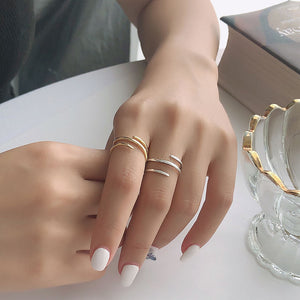
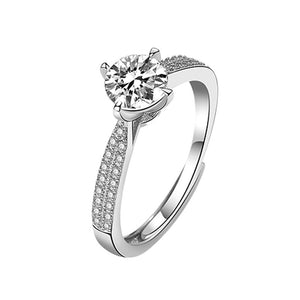

The piece they're describing → Bague minimaliste ajustable pour femmes — Argent sterling 925, Plaqué or ou rhodium
Personalize Yours


