


If you've ever felt like your thoughts were too tangled to speak clearly, aquamarine healing properties might be exactly what you need. This sea-blue gemstone — March's birthstone — has been prized since ancient Rome as a "stone of courage and tranquility." Crystal practitioners today reach for aquamarine to quiet mental chatter, ease nervous tension, and help with honest self-expression. With a Mohs hardness of 7.5–8, it's durable enough to wear daily, which makes it easy to keep its energy close.
What Are Aquamarine Healing Properties?
Aquamarine is a blue-green variety of beryl — the same mineral family as emerald. Its name comes from the Latin aqua marina, meaning "water of the sea." Ancient Roman sailors carried aquamarine amulets to protect themselves on voyages, and Medieval healers used it to treat throat ailments and calm emotions. The stone scores 7.5–8 on the Mohs hardness scale, meaning it resists everyday scratching well and holds up beautifully as jewelry.
In the crystal healing tradition, aquamarine is classified as a stone of truth, clarity, and communication. It's connected primarily to the throat chakra (Vishuddha) — the energy center governing honest speech and self-expression. Some practitioners also link it to the third eye chakra for intuitive clarity. Whether you're drawn to the metaphysical dimension or simply love the stone's calming color, aquamarine has a long recorded history of being associated with peace and clear thinking.
Read our full guide to aquamarine meaning and history for a deeper look at this stone's origins.
Aquamarine Physical Healing Properties
Crystal healing traditions associate aquamarine with several physical areas. These associations are part of holistic and folk healing practices — they don't replace medical care — but they've been passed down across cultures for hundreds of years.
- Throat and respiratory support: Aquamarine is often called the "breath stone." Practitioners associate it with soothing sore throats, laryngitis, swollen glands, and mild respiratory discomfort. It's frequently placed near the throat during chakra work.
- Hormonal balance: Some holistic practitioners use aquamarine to support the thyroid and pituitary glands, believing it helps regulate hormones and strengthen immune function. This tradition dates back to Medieval European herbalism.
- Skin and allergy soothing: Aquamarine's cool, watery energy is linked to reducing skin inflammation — conditions like eczema and rosacea appear in traditional crystal healing texts. It's also associated with easing hay fever symptoms.
- Eye health and vision clarity: Historical European healers applied aquamarine-infused water to tired or irritated eyes. Modern practitioners sometimes meditate with aquamarine to address eye fatigue, though this is metaphysical rather than medical.
- Detoxification support: Some crystal traditions associate aquamarine with the liver and kidneys, viewing its water element connection as supportive of the body's natural cleansing processes.
- Immune resilience: Because aquamarine links to the thymus (in some traditions), practitioners believe it can strengthen the body's defenses during times of physical stress or seasonal change.
Important caveat: these are folk and metaphysical associations — not clinical treatments. Always consult a qualified healthcare provider for medical concerns.
Aquamarine Emotional and Mental Benefits
This is where aquamarine truly shines. Its most celebrated healing properties are emotional and psychological — and they're why so many people reach for this stone during stressful periods.
Stress and anxiety relief: Aquamarine's ocean-like energy is said to wash away nervous tension the way waves smooth a shoreline. People who use it for stress typically hold a tumble stone, wear it as a pendant, or simply keep it on a desk to look at during difficult moments. Many report feeling a noticeable shift in mental pace within a few minutes of engaging with the stone.
Communication confidence: Because aquamarine activates the throat chakra, it's a go-to stone for anyone who struggles with public speaking, difficult conversations, or expressing feelings. Practitioners recommend holding aquamarine before an important meeting or presentation to calm the nervous system and access clearer words.
Emotional balance and tolerance: Aquamarine helps you step back from reactive emotions. It's associated with reducing judgment — both of yourself and others — and with supporting people who carry heavy emotional responsibilities (caregivers, teachers, leaders). It promotes empathy without emotional depletion.
Releasing old patterns: In crystal healing, aquamarine is linked to letting go of emotional baggage — particularly grief, resentment, or patterns of people-pleasing. Some practitioners use it specifically during life transitions like breakups, career changes, or moving to a new place.
Mental clarity and focus: Aquamarine is believed to clear mental fog and sharpen concentration. Students and writers sometimes keep a piece on their workspace to stay focused and think more creatively.
Aquamarine Spiritual Properties and Chakra Connection
Aquamarine's primary chakra connection is the throat chakra (Vishuddha) — the fifth energy center, located at the base of the throat. When this chakra is balanced, communication flows easily, honesty comes naturally, and you feel confident speaking your truth. When it's blocked, people often feel silenced, unable to articulate their needs, or prone to saying things they don't mean.
Aquamarine is one of the strongest throat chakra stones in the crystal healing tradition, alongside blue lace agate and lapis lazuli. Its pale blue-green color resonates with the throat chakra's associated color (bright blue), making it a natural energetic match.
Secondary chakra associations include the third eye chakra (Ajna), which governs intuition and inner vision. Using aquamarine in meditation may help access deeper layers of self-knowledge and open intuitive channels.
Spiritual traditions: Ancient Greeks and Romans associated aquamarine with the sea god Neptune and used it in religious rites. In Medieval Christian tradition, it symbolized purity and was used in church carvings. Eastern traditions link it to the water element — flow, adaptability, and emotional intelligence.
How to activate aquamarine's spiritual energy:
- Cleanse the stone first — hold it under cool running water for 30 seconds, or leave it in moonlight overnight.
- Hold it in both hands and set a clear intention: "I open my throat chakra to honest, compassionate communication."
- Breathe slowly for 2–3 minutes while focusing on the stone's color and weight.
- Place it at the base of your throat during relaxation or meditation to keep the activation energy flowing.
How to Use Aquamarine for Healing
Here are 4 practical methods crystal practitioners use most often — each with specific instructions so you can start today.
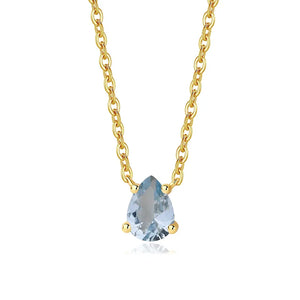
- Wear it as jewelry: The most effective way to use aquamarine is to wear it daily. A pendant rests near the throat chakra naturally, making it ideal for communication work. An aquamarine water drop pendant necklace in 925 sterling silver keeps the stone in continuous contact with your energy field. Bracelets on the left wrist are traditionally used for receiving energy, while the right wrist is for projecting it outward.
- Meditation: Sit comfortably and hold your aquamarine in both hands, or place it directly on your throat. Close your eyes and breathe slowly — inhale for 4 counts, hold for 2, exhale for 6. Do this for 5–10 minutes while visualizing a calm ocean or a clear blue sky. Many practitioners add an affirmation: "I speak my truth with clarity and compassion." Doing this 3–4 times per week can help shift communication patterns over time.
- Crystal grid: Place aquamarine at the center of a simple grid to amplify its calming energy. Surround it with 4–6 clear quartz points (tips pointing inward to direct energy toward the aquamarine) and add blue lace agate or sodalite in the outer ring for communication reinforcement. Activate the grid by tracing a line connecting each stone with a clear quartz wand or your finger while setting your intention aloud.
- Sleep placement: Put aquamarine under your pillow or on the nightstand to encourage restful sleep and calm the mind before bed. It's especially useful if anxiety or overthinking keeps you awake. Some people also place it near the bedroom window so moonlight can cleanse it overnight. This method works well for children or anyone who struggles to wind down at the end of the day.
What Does Science Say About Aquamarine?
Here's the honest picture: there are no peer-reviewed clinical studies proving that aquamarine — or any crystal — produces measurable physiological or psychological effects beyond placebo. Crystal healing is a complementary and folk practice, not an evidence-based medical treatment.
That said, the placebo effect is real and well-documented. When people believe a practice will help them relax, their nervous system often cooperates — cortisol drops, breathing slows, mood improves. Rituals that involve intentional focus (holding a stone, setting an intention, sitting quietly) engage the same mindfulness pathways that meditation research consistently shows are beneficial for stress and anxiety.
Aquamarine is also genuinely beautiful, and there's good research showing that engaging with natural beauty — blue water, open skies, natural gemstones — activates the parasympathetic nervous system (the "rest and digest" response). So while the stone itself isn't doing biological work, the practice of using it mindfully can absolutely support wellbeing.
Bottom line: Use aquamarine as a wellness tool, a mindfulness anchor, or a meaningful piece of jewelry. Don't use it as a substitute for professional medical or psychological care — especially for serious health conditions.
Aquamarine is a blue-green beryl gemstone (Mohs 7.5–8) historically associated with the throat chakra and used in crystal healing traditions to promote calm, clear communication, and emotional balance. Its top three healing associations are stress relief, throat and respiratory support, and enhanced self-expression. Practitioners most commonly wear aquamarine as a pendant near the throat or hold it during 5–10 minute meditation sessions to access its calming energy. As March's birthstone, aquamarine has been linked to courage and tranquility across Greek, Roman, and Medieval healing traditions.
Frequently Asked Questions
What are the main healing properties of aquamarine?
Aquamarine's main healing properties are calming the mind, supporting clear communication, and easing emotional stress. It's primarily linked to the throat chakra, which governs honest self-expression and confident speech. Physical associations in crystal healing traditions include throat and respiratory support, hormonal balance, and skin soothing. Many people also use it to reduce anxiety and release old emotional patterns.
What chakra is aquamarine associated with?
Aquamarine is primarily associated with the throat chakra (Vishuddha), the fifth energy center governing communication, honesty, and self-expression. It's also linked secondarily to the third eye chakra (Ajna) for intuitive clarity and inner vision. The stone's blue-green color naturally resonates with the throat chakra's blue energy. Placing aquamarine at the base of the throat during meditation is the most common way to activate this connection.
What is aquamarine good for emotionally?
Aquamarine is especially good for calming anxiety, building communication confidence, and releasing emotional baggage. Crystal practitioners use it when facing difficult conversations, public speaking situations, or life transitions like breakups or career changes. It's also associated with reducing judgment and promoting empathy — making it helpful for caregivers, teachers, and anyone in emotionally demanding roles. Many users report a noticeable sense of calm when holding or wearing aquamarine during stressful moments.
Who should wear aquamarine?
Anyone can wear aquamarine, but it's particularly beneficial for people who struggle with anxiety, overthinking, or communication difficulties. It's the birthstone for March (Pisces and Aries), so it carries special significance for those born in that month. Public speakers, writers, teachers, and healers often gravitate toward aquamarine for its throat chakra support. People going through emotional transitions or grieving also find its calming energy helpful during difficult periods.
How do you activate aquamarine?
To activate aquamarine, start by cleansing it under cool running water for 30 seconds or leaving it in moonlight overnight. Then hold it in both hands, set a clear intention aloud (such as "I communicate with clarity and compassion"), and breathe slowly for 2–3 minutes while focusing on the stone. You can also place it at the base of your throat during meditation to directly engage the throat chakra. Repeating this activation ritual weekly helps maintain the stone's energy according to crystal healing tradition.
Can aquamarine go in water?
Yes, aquamarine can safely go in water — its Mohs hardness of 7.5–8 makes it water-resistant, and a brief rinse won't damage it. Many practitioners cleanse aquamarine under cool running water for 30 seconds to clear accumulated energy. Avoid prolonged soaking in saltwater, which can dull the stone's surface over time. Don't use very hot water either, as rapid temperature changes can cause thermal stress in gemstones.
What does aquamarine protect against?
Historically, aquamarine was carried as a protective talisman against drowning, storms at sea, and poisoning — Roman sailors and Medieval travelers relied on it for safe passage. In modern crystal healing, it's believed to protect against emotional overwhelm, negative communication patterns, and psychic attack. Some practitioners use it to shield the aura during energy work or emotionally draining situations. Its calming energy is said to act as a buffer between you and external stressors.
How do I cleanse aquamarine?
The easiest way to cleanse aquamarine is to hold it under cool running water for 30 seconds while setting an intention for the stone to release any absorbed energy. Moonlight charging — leaving aquamarine on a windowsill on the night of a full moon — is another popular method that cleanses and recharges simultaneously. You can also use sound cleansing (a singing bowl or tuning fork) or bury it briefly in dry sea salt. Avoid extended saltwater soaking or very hot water, which can damage the surface over time.
Is aquamarine a good stone for anxiety?
Yes, aquamarine is widely regarded as one of the best crystals for anxiety in the crystal healing tradition. Its calming, ocean-like energy is said to wash away nervous tension and quiet mental chatter — similar to how gazing at a calm sea can lower stress levels. Practitioners recommend holding aquamarine while breathing slowly for 5–10 minutes during anxious moments, or wearing it as a pendant so its energy stays close throughout the day. It pairs well with amethyst and blue lace agate for amplified calming effects. Note: it supports wellbeing as a complementary tool but isn't a substitute for professional anxiety treatment.
What does aquamarine do spiritually?
Spiritually, aquamarine is believed to open intuitive channels, clear mental fog, and facilitate deep meditation by quieting surface-level mental noise. It's associated with accessing higher truths, prophetic vision, and spiritual clarity — making it a popular choice for those on a spiritual development path. Ancient traditions linked it to sea deities and safe passage through life's uncertain waters. Many practitioners use it to access a state of inner peace and expanded awareness during meditation or energy work.
What crystals combine well with aquamarine?
Aquamarine pairs well with blue lace agate and lapis lazuli for amplified throat chakra work and communication confidence. Combining it with amethyst deepens its calming effects and adds intuitive clarity, making this a strong pairing for meditation. Rose quartz alongside aquamarine creates a powerful emotional healing combination — the aquamarine provides mental clarity while the rose quartz opens the heart. For spiritual protection and grounding, try pairing aquamarine with black tourmaline to balance its expansive energy.
Where should I place aquamarine in my home?
Place aquamarine in areas where you want calm, clear communication — the home office, living room conversation area, or bedroom are the most popular spots. In Feng Shui, the east area of a home (associated with family and health) and the north (associated with career and life path) are ideal placements for water element stones like aquamarine. Keeping aquamarine near a window where it can catch natural light is said to keep its energy clear and active. Under your pillow or on the nightstand works well for sleep support and calming nighttime anxiety.
Shop Aquamarine Jewelry at AJLuxe
Our aquamarine water drop pendant necklace in 925 sterling silver lets you carry this stone's energy every day. Browse all aquamarine birthstone jewelry — hypoallergenic, gift-ready, 30-day returns.
Final Thoughts
Aquamarine's healing properties have resonated with people across cultures for thousands of years — and it's easy to understand why. Whether you're drawn to its throat chakra connection, its calming emotional energy, or simply its stunning sea-blue color, there's something genuinely grounding about keeping this stone close. It won't replace medical care, but as a mindfulness anchor and daily reminder to breathe, slow down, and speak honestly, it's one of the most versatile crystals you can own.
If you're new to crystal healing, aquamarine is a great starting point. Start simple: wear it as a pendant for a week, notice how you feel before and after difficult conversations, and let the ritual of intention-setting do its quiet work. You might be surprised by how much a small piece of beautiful stone can shift your daily experience. Check out our full guide to aquamarine meaning to go deeper, or explore the emerald healing properties guide if you love green gemstone energy.
Toutes les marques, noms de marque et noms de produits tiers sont la propriété de leurs détenteurs respectifs. AJLuxe n’est affilié à aucune marque tierce citée dans cet article, ni approuvé ou sponsorisé par celle-ci. Les noms de marque sont utilisés uniquement à des fins de comparaison factuelle, et les descriptions de matériaux reflètent les spécifications produit publiées par chaque marque au moment de la rédaction.
You Might Also Like

The piece they're describing → Collier pendentif aigue-marine pour femme — Pierre aigue-marine en forme de goutte, argent sterling 925
Personalize Yours


