


If you've ever wondered whether amethyst healing properties are real or just crystal-shop hype, you're in the right place. This purple quartz has been used for wellness for thousands of years — ancient Greeks wore it to prevent intoxication, medieval European soldiers carried it into battle for protection, and today it's one of the most popular crystals in the world. Last updated: June 2026.
Amethyst healing properties refers to the physical, emotional, and spiritual benefits associated with this purple variety of quartz crystal. Practitioners use amethyst to support sleep, reduce stress and anxiety, ease headaches, and strengthen intuition. It's worn as jewelry, placed in living spaces, or used in meditation to promote calm, clarity, and energetic protection.

Physical Healing Properties of Amethyst
Amethyst is most often linked to three physical areas: sleep, headaches, and immune support. Crystal healers place amethyst on nightstands or under pillows to encourage deeper, more restful sleep. Its calming energy is thought to quiet an overactive mind — one of the most common reasons people lie awake.
For headaches and tension, amethyst is often held to the temples or forehead during meditation. The idea is that its cool, soothing vibration helps draw tension away from the head. Some practitioners also associate amethyst with the immune system, believing it supports the body's natural defenses by reducing the chronic stress that can lower immunity over time.
A 2021 survey by the American Psychological Association found that chronic stress affects 79% of American adults, and stress-reduction practices — including crystal work — have seen a sharp rise in adoption. Whether amethyst works through belief, ritual, or some other mechanism, its role as a stress-reduction tool has real practical value.
Shop Amethyst Crystal Necklaces for Daily Healing — Shop Our Amethyst Pendant Necklace → →
Ready to shop? Browse all amethyst necklaces and birthstone jewelry in 925 sterling silver — every piece hypoallergenic, gift-ready, and backed by our 30-day returns.
Emotional Healing Properties of Amethyst
On the emotional side, amethyst is one of the most recommended crystals for stress and anxiety. Its energy is described as calming without being sedating — it takes the edge off panic without making you feel foggy or checked out.
People who work with amethyst regularly report:
- Reduced racing thoughts, especially at night
- A greater sense of emotional balance during conflict
- Clearer thinking when making decisions under pressure
- Less reactive emotional responses in stressful situations
Amethyst is also tied to grief processing. Crystal healers often recommend it to people working through loss because it's said to provide comfort without bypassing the necessary emotional work. It sits in the middle ground — supportive but not numbing.
For mental clarity specifically, amethyst is thought to clear mental fog and sharpen focus. This makes it popular among students, creatives, and anyone who needs to think clearly under pressure.
Spiritual Healing Properties of Amethyst
Amethyst has one of the strongest spiritual reputations of any crystal. It's connected to the crown chakra (the energy center at the top of the head) and the third eye chakra (between the eyebrows), both of which relate to higher consciousness, intuition, and spiritual awareness.
Key spiritual properties associated with amethyst include:
- Intuition: Many practitioners say working with amethyst sharpens their gut feelings and makes it easier to trust inner guidance
- Protection: Amethyst is widely used as a protective stone, believed to create an energetic shield against negative energy and psychic attack
- Meditation: Holding amethyst during meditation is said to deepen the practice, quiet mental chatter, and help reach meditative states faster
- Spiritual connection: For people on a spiritual path, amethyst is thought to strengthen the connection between the physical self and higher guidance
In many spiritual traditions, amethyst is also associated with transformation — the idea that this stone helps you move through difficult life phases with more grace and clarity. Learn more about how it connects to cosmic timing in our guide to crystals for your zodiac sign.
How to Use Amethyst for Healing
There are three main ways people use amethyst for healing: wearing it, placing it, and meditating with it. Each approach has different strengths depending on your goals.
Wear It as Jewelry
Wearing amethyst keeps its energy in your field all day. A necklace places the stone near your heart and throat chakras, which supports emotional balance and clear communication. Bracelets on the left wrist are thought to receive energy, while the right wrist is said to project it. This is the most accessible way to work with amethyst healing properties on a daily basis.
Place It in Your Space
Amethyst clusters and geodes are popular for living rooms and bedrooms. A piece on your nightstand is said to calm the room's energy and support sleep. In a workspace, amethyst can help reduce stress and mental clutter. Many people also place it near their front door as a protective stone for the home.
Meditate With It
Hold a piece of amethyst in your non-dominant hand during meditation, or place it on your third eye (between your eyebrows) while lying down. Set a clear intention before you start. Even five to ten minutes of quiet, focused meditation with amethyst is said to deepen the connection and amplify its benefits.
Before you start using amethyst, you'll want to cleanse it first. Read our full guide on how to cleanse amethyst to keep its energy clear and effective.
What Science Says About Crystal Healing
Here's the honest take: there are no peer-reviewed clinical studies proving that amethyst crystals heal physical conditions. The Gemological Institute of America (GIA) classifies amethyst as a variety of quartz — silicon dioxide — with no documented biomedical properties.
That said, there's real science around the practices associated with crystal healing:
- Placebo effect: The placebo effect is a documented, measurable phenomenon. If holding amethyst while meditating reduces your anxiety, that reduction is real — regardless of whether the crystal caused it
- Mindfulness and ritual: The act of setting intentions, sitting quietly, and focusing attention are all supported by research as effective stress-reduction tools
- Nature and minerals: Some research suggests that physical contact with natural materials can have calming effects through tactile stimulation and grounding
The most grounded way to think about amethyst healing properties is this: amethyst is a beautiful, calming stone that supports wellness practices that are themselves evidence-based. The ritual matters. The intention matters. Whether the crystal itself has inherent healing power is something each person can explore for themselves.
Frequently Asked Questions
What are the main healing properties of amethyst?
Amethyst's main healing properties include stress and anxiety relief, improved sleep quality, headache reduction, emotional balance, and spiritual protection. It's also used to sharpen intuition and support meditation. These properties span physical, emotional, and spiritual dimensions, making it one of the most versatile healing crystals available.
How does amethyst help with sleep?
Amethyst is thought to calm an overactive mind, which is one of the most common barriers to sleep. Placing amethyst on your nightstand or under your pillow is a popular practice among crystal users. The stone's calming energy is said to reduce mental chatter and create a more restful environment. Many people combine amethyst with other sleep hygiene practices for best results.
Can amethyst really reduce anxiety?
Crystal healers consistently report that amethyst reduces anxiety and promotes a sense of calm. From a scientific standpoint, the ritual of working with a calming stone — setting intentions, breathing slowly, holding something grounding in your hand — activates the parasympathetic nervous system, which does reduce anxiety. Whether the crystal itself contributes beyond the ritual is debated, but the outcome matters: people feel calmer.
Where should I place amethyst in my home?
The most common placements are the bedroom (for sleep and calm), the living room (for protective energy), the workspace (for focus and clarity), and near the front entrance (for protection). Amethyst clusters work well in shared spaces because they radiate energy in all directions. Choose placement based on what benefit you want most in that room.
How do I use amethyst for meditation?
Hold a tumbled or raw amethyst in your non-dominant hand, or place a flat piece on your third eye chakra while lying down. Set a clear intention before you start — for example, "I welcome calm and clarity." Breathe slowly and allow your focus to rest on the stone's energy. Even five minutes of this practice can feel noticeably grounding and centering.
What chakras does amethyst work with?
Amethyst primarily works with the crown chakra (at the top of the head) and the third eye chakra (between the eyebrows). The crown chakra connects you to higher consciousness and spiritual awareness, while the third eye governs intuition, insight, and inner vision. Placing amethyst at these energy centers during meditation is thought to activate and balance both.
Is there a difference between raw and polished amethyst for healing?
Many crystal practitioners believe raw or natural amethyst retains more of its original energy than polished forms, because less of the stone has been altered. Others find that polished amethyst is easier to hold and work with, and that intention matters more than form. For wearing as jewelry, polished amethyst is standard and is considered fully effective for healing purposes.
How do I know if my amethyst needs cleansing?
Signs that your amethyst may need cleansing include feeling energetically heavy, seeming duller than usual, or giving off a less calm energy than normal. If you've been through a stressful period or used the stone heavily for healing work, cleanse it more frequently. A general rule is to cleanse amethyst once a month, or after any significant emotional event. Read our detailed guide on how to cleanse amethyst for step-by-step methods.
Can amethyst be worn every day?
Yes — amethyst is one of the most wearable healing crystals. It's durable enough for daily jewelry use (7 on the Mohs hardness scale), and wearing it daily is thought to provide continuous energetic support. Many people wear amethyst as a necklace or bracelet as part of their everyday wellness routine. Just remember to cleanse it regularly to keep its energy clear.
How does amethyst compare to other purple healing stones?
Amethyst is the most widely used purple healing stone, but others like charoite, sugilite, and lepidolite have similar calming properties. Lepidolite is particularly noted for anxiety relief (it contains lithium), while charoite is used more for deep transformation work. Amethyst stands out for its accessibility, affordability, and broad spectrum of physical, emotional, and spiritual benefits. For a deep dive into what makes amethyst unique, see our complete guide to amethyst meaning.
Final Thoughts
Amethyst healing properties cover a wide range — from the physical (sleep, headaches, immunity) to the emotional (stress, anxiety, clarity) to the spiritual (intuition, protection, meditation). Whether you come to amethyst as a believer in crystal energy or simply as someone who wants a calming ritual in your life, it delivers. The practices around amethyst — intention setting, mindful breathing, wearing something beautiful that reminds you to slow down — are genuinely beneficial. Start with an amethyst you can wear daily, and see what shifts.
Ready to bring amethyst healing into your daily life? Shop Amethyst Crystal Necklaces at AJLuxe →
Toutes les marques, noms de marque et noms de produits tiers sont la propriété de leurs détenteurs respectifs. AJLuxe n’est affilié à aucune marque tierce citée dans cet article, ni approuvé ou sponsorisé par celle-ci. Les noms de marque sont utilisés uniquement à des fins de comparaison factuelle, et les descriptions de matériaux reflètent les spécifications produit publiées par chaque marque au moment de la rédaction.
You Might Also Like
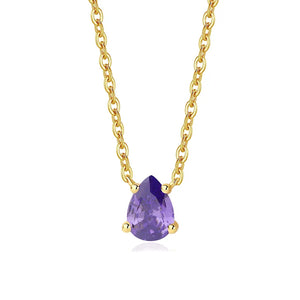
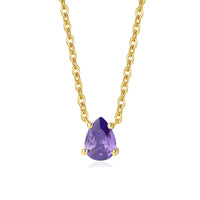
The piece they're describing → Collier pendentif améthyste pour femme — Pierre d'améthyste en forme de goutte, Argent sterling 925
Personalize Yours


