


- Painite is generally considered the single rarest gem on Earth — it once held the Guinness World Records title with only a handful of known crystals.
- The 10 rarest gemstones are painite, red beryl, musgravite, jeremejevite, grandidierite, taaffeite, benitoite, serendibite, Paraiba tourmaline, and alexandrite.
- Rare doesn't mean valuable — value also depends on demand, carat size, and cut, which is why diamonds and rubies still out-earn far scarcer stones at auction.
- The Pink Star diamond holds the record for the most expensive gem ever sold at auction, at roughly $71 million in 2017.
- Most of these gems almost never reach finished jewelry — they're sold loose to collectors through specialist dealers, not ordinary jewelry stores.
- The "9 sacred gems" (Navratna) is a separate concept from Vedic astrology, unrelated to geological rarity.
Diamonds get called "rare" in every ad campaign, but true gemological rarity looks nothing like a diamond counter. The stones on this list are ones most working jewelers will never handle in a career — some because they occur in exactly one river valley on the planet, others because they were only formally identified within the last century. Here's what actually makes a gemstone rare (2026), the ten stones gemologists point to first, and why "rare" and "valuable" answer two different questions.
What Makes a Gemstone "Rare"?
A gemstone is rare when it's found in very few locations, almost never occurs in crystals large or clean enough to facet, or both. Diamonds, rubies, and sapphires are mined in meaningful quantity across multiple countries, which is why even fine examples are still routinely available. The gems on this list fail that test in one of two ways: either the mineral itself is geologically uncommon (it needs a rare combination of elements to form at all), or it forms in only one or two known deposits worldwide, so a single mine closing or running out can end new supply for good.
The 10 Rarest Gemstones in the World (2026)
These ten gems are the ones gemological references consistently cite as the hardest to find and buy, ranked roughly from most to least extreme.

1. Painite
Painite is widely considered the rarest gem on Earth. It was discovered by British mineralogist Arthur C.D. Pain in Myanmar in the 1950s and initially misidentified as garnet; for decades afterward, gemological references cited as few as two or three known crystals, earning it a Guinness World Records entry as the rarest gem mineral. New Myanmar deposits found in the early 2000s increased the supply of rough material, but facet-grade painite is still exceptionally scarce and expensive relative to almost any other colored stone.
2. Red Beryl (Bixbite)
Red beryl is a red-colored member of the same mineral family as emerald and aquamarine, and it's found in gem quality almost nowhere except Utah's Wah Wah Mountains. The manganese that gives it its color is rare enough on its own, but the deposits that produce it are essentially limited to a handful of claims in Utah and New Mexico, and most faceted stones end up well under one carat.
3. Musgravite
Musgravite is chemically related to taaffeite and was first identified in 1967 in Australia's Musgrave Ranges. For years only a small number of faceted specimens existed anywhere in the world; additional material has since turned up in Sri Lanka, Madagascar, Greenland, and Antarctica, but cut, gem-quality musgravite remains one of the hardest stones for a collector to actually acquire.
4. Jeremejevite
Jeremejevite is an aluminum borate mineral best known for well-formed crystals from Namibia's Erongo region. Most specimens are prized by mineral collectors in their natural crystal form, because transparent material clean enough to facet into a wearable gem is extremely limited.
5. Grandidierite
Grandidierite is a blue-green to green gem named after French naturalist Alfred Grandidier, and Madagascar is its primary source. The vast majority of grandidierite found is opaque or translucent and used only as a mineral specimen — transparent, facetable material is rare even by this list's standards.
6. Taaffeite
Taaffeite holds a unique distinction: it's the only gem ever first identified from a cut stone rather than a piece of rough. Dublin gemologist Richard Taaffe spotted it in 1945 sitting in a parcel of stones he'd bought as spinel. It's since been found in small quantities in Sri Lanka and Tanzania, but it remains far rarer than diamond in absolute terms.
7. Benitoite
Benitoite is California's official state gemstone, prized for the vivid blue fluorescence it shows under ultraviolet light. Gem-quality material comes almost entirely from a single deposit near the San Benito River in California, and that deposit is largely mined out — meaning existing stones are close to the only supply that will ever exist.
8. Serendibite
Serendibite takes its name from Serendib, the old Persian and Arabic name for Sri Lanka, where it was first identified. For years only a few faceted serendibite stones were known to exist anywhere; it's since also been found in Myanmar and Madagascar, but a large, clean, faceted serendibite is still among the rarest single objects a gem collector can own.
9. Paraiba Tourmaline
Paraiba tourmaline is a copper-bearing tourmaline famous for a neon blue-green to turquoise color unlike any other gem. It was discovered in the late 1980s in Brazil's Paraíba state, and while related copper-bearing tourmaline has since been found in Nigeria and Mozambique, fine material from the original Brazilian deposit still commands the steepest rarity premium of the group.
10. Alexandrite
Alexandrite is a variety of chrysoberyl famous for shifting from green in daylight to red under incandescent light. It was originally discovered in Russia's Ural Mountains in the 1830s and named for Tsar Alexander II; fine, large stones from those original Russian deposits are essentially unobtainable today, though smaller supplies now come from Brazil, Sri Lanka, and East Africa.
| Gemstone | Primary Source | What Makes It Rare | Color |
|---|---|---|---|
| Painite | Myanmar | Once only 2-3 known crystals worldwide | Brownish-red |
| Red Beryl | Utah, USA | Almost one single deposit worldwide | Raspberry red |
| Musgravite | Australia, Sri Lanka, Madagascar | Very few facet-grade crystals found | Grey-green to purple |
| Jeremejevite | Namibia | Transparent facet-grade material is scarce | Pale blue to colorless |
| Grandidierite | Madagascar | Transparent specimens are exceptional | Blue-green |
| Taaffeite | Sri Lanka, Tanzania | First gem ever identified from a cut stone | Lavender to violet |
| Benitoite | California, USA | Source deposit largely mined out | Sapphire blue |
| Serendibite | Sri Lanka, Myanmar | Only a handful of large faceted stones exist | Blue-black |
| Paraiba Tourmaline | Brazil | Original Brazilian source is nearly depleted | Neon blue-green |
| Alexandrite | Russia (historic), Brazil, Sri Lanka | Original Russian deposits essentially exhausted | Green to red (color-change) |
Which Is the Most Valuable Gem?
The most valuable gem by auction record is the Pink Star, a 59.60-carat fancy vivid pink diamond that sold for around $71 million in Hong Kong in 2017 — but "most valuable" and "rarest" are two different questions. Rarity measures how hard a stone is to find; value measures how much a buyer will pay for it, which depends just as much on carat size, cut quality, brand-name auction provenance, and how many collectors actually want that particular gem. A diamond or fine ruby is far more common than grandidierite or serendibite, yet it can still sell for vastly more, simply because there's an established, competitive market bidding it up. True rarities like painite or musgravite have almost no comparable market — there often aren't enough stones in circulation for a real price history to exist.
What Are the 9 Sacred Gems?
The 9 sacred gems refer to the Navratna, a set used in Vedic astrology where each stone represents one of nine celestial bodies. The nine are ruby (Sun), pearl (Moon), red coral (Mars), emerald (Mercury), yellow sapphire (Jupiter), diamond (Venus), blue sapphire (Saturn), hessonite/gomed (Rahu), and cat's eye/lehsunia (Ketu). This is a spiritual and astrological tradition, not a geological rarity ranking — several Navratna stones, like diamond and ruby, are widely available, while none of the gems on this list are part of the set.
Which Rare Gemstone Is Worth Chasing?
If you're a collector and want a rare gem you can realistically own, start with alexandrite or Paraiba tourmaline — both are genuinely scarce and expensive, but unlike painite, grandidierite, or benitoite, they still turn up regularly at reputable dealers and major auctions, so you're not waiting on a stone that may never come to market in your budget or size. Stones further up this list, like painite and musgravite, are closer to museum objects than jewelry you shop for: most never get cut at all, and the ones that do are sold loose to collectors rather than set into rings or pendants. AJLuxe doesn't stock museum-grade rarities like these — no jewelry brand at everyday prices does, since most of these stones exist in quantities too small to ever reach commercial production. If what draws you to this list is the color story rather than the scarcity itself, AJLuxe's 925 sterling silver gemstone and birthstone jewelry (with 18K gold plating options) lets you wear that same saturated color at a price that doesn't require an auction house.
Gemological Institute of America (GIA): https://www.gia.edu
For a real example, AJLuxe's gemstone necklace collection has genuine gemstone pendants at everyday prices.
Frequently Asked Questions
What is the #1 rarest gem?
Painite is generally considered the rarest gem on Earth. It held the Guinness World Records title for the rarest gemstone mineral for decades because gemological references once counted as few as two or three known crystals, and even after new Myanmar deposits were found in the early 2000s, facet-grade painite remains extremely scarce and expensive.
What are the 10 most rarest gemstones?
The ten gemstones most gemologists point to as the rarest are painite, red beryl (bixbite), musgravite, jeremejevite, grandidierite, taaffeite, benitoite, serendibite, Paraiba tourmaline, and alexandrite. Each one is either confined to one or two mining locations worldwide or almost never occurs in a crystal large and clean enough to facet into a wearable gem.
What are the 9 sacred gems?
The 9 sacred gems are the Navratna, a set used in Vedic astrology where each stone represents one of nine celestial bodies: ruby (Sun), pearl (Moon), red coral (Mars), emerald (Mercury), yellow sapphire (Jupiter), diamond (Venus), blue sapphire (Saturn), hessonite/gomed (Rahu), and cat's eye/lehsunia (Ketu).
Which is the most valuable gem?
By auction record, the most valuable gem sold to date is the Pink Star, a 59.60-carat fancy vivid pink diamond that sold for around $71 million in Hong Kong in 2017. "Most valuable" and "rarest" aren't the same thing, though — value also depends on carat size, cut quality, and buyer demand, not scarcity alone.
Why are some gemstones more valuable than rarer gemstones?
A gemstone's price is driven by demand and marketability as much as by how scarce it actually is. A diamond or fine ruby that's far more abundant than painite or musgravite can still sell for more, because there's an established market of buyers competing for it, while true rarities like grandidierite have almost no comparable sales history to set a price against.
Can you actually buy rare gemstones like painite as jewelry?
Yes, but rarely through an ordinary jeweler. Stones like painite, musgravite, and serendibite are typically sold loose through specialist gem dealers and auction houses directly to collectors, and because so few exist, most never get cut into finished jewelry at all.
All third-party trademarks, brand names and product names are the property of their respective owners. AJLuxe is not affiliated with, endorsed by, sponsored by, or otherwise connected to any third-party brand referenced in this article. Brand names are used solely for accurate comparative reference, and material descriptions reflect each brand's own published product specifications at the time of writing.
You Might Also Like
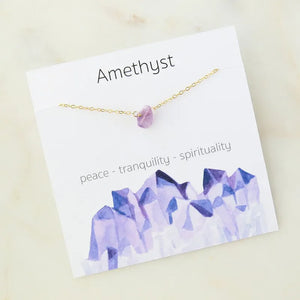
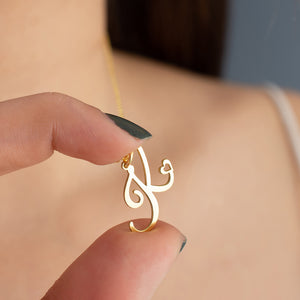
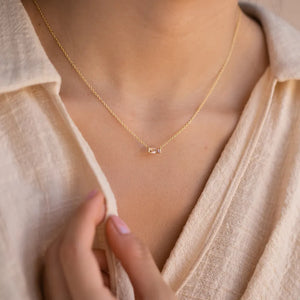
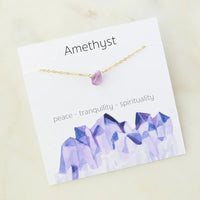
The piece they're describing → Stone Charm Necklace for Women — Raw Natural Gemstone Pendant
Personalize Yours


