


• Three birthstones: Pearl (traditional), Alexandrite (modern), Moonstone (alternative)
• Pearl colors: White, pink, black, golden, lavender — Mohs 2.5–3 (handle with care)
• Alexandrite: Green in daylight → red/purple under incandescent light — Mohs 8.5, extremely rare
• Moonstone: Blue-white adularescent glow — Mohs 6–6.5, Sri Lanka and India sources
• Best for gifting: Pearl for classic elegance, moonstone for spiritual/meaningful gifts, alexandrite for something truly rare
• Internal link: Shop June birthstone necklaces in 18K gold-plated sterling silver
June is one of only three months with three official birthstones — and each one is completely different from the others in color, chemistry, and character. Whether you're shopping for a June birthday, a graduation gift, or a piece of jewelry that carries personal meaning, knowing the difference between pearl, alexandrite, and moonstone helps you choose exactly right.
Moonstone care tip: Wondering if moonstone is safe in water? Read our complete guide: Can Moonstone Go in Water?.
This guide covers everything: what each stone looks like, what it means, how rare it is, how to choose a quality piece, and how to care for it. By the end, you'll know which June birthstone fits your person perfectly.
What Is the June Birthstone? All Three Explained
Most months have one birthstone. June has three, each officially recognized by the American Gem Society and the Jewelers of America. They were added to the birthstone list at different times as the tradition evolved — pearl in the original 1912 list, moonstone in 1912 alongside it, and alexandrite added to the modern list in 1952.
| Stone | Color | Mohs Hardness | Chakra | Key Meaning | Rarity |
|---|---|---|---|---|---|
| Pearl | White, pink, black, golden, lavender | 2.5–3 (very soft) | Crown, Third Eye | Purity, wisdom, new beginnings | Common (cultured); natural very rare |
| Alexandrite | Green (daylight) → Red/purple (incandescent) | 8.5 (very hard) | Heart, Crown | Luck, love, transformation | Extremely rare; lab versions widely available |
| Moonstone | Colorless to grey with blue-white glow | 6–6.5 | Crown, Sacral | Intuition, femininity, new cycles | Moderately rare; good quality increasingly scarce |
Each stone tells a different story and suits a different person. Keep reading for the full breakdown of each one.

Pearl — The Traditional June Birthstone
Pearl is the oldest and most universally recognized June birthstone. It's also the only gemstone created by a living organism — an oyster or mussel that coats an irritant in nacre (calcium carbonate) layer by layer until a pearl forms. Natural pearls can take 5–8 years to develop. Today, 99% of pearls on the market are cultured, meaning the process is human-assisted, but the pearl itself is still fully natural.
Pearl Colors and Types
Pearl comes in more colors than most people expect. The color depends on the type of mollusk, the water it lives in, and its genetics. Here are the main varieties:
| Pearl Type | Color | Source | Price Range | Best For |
|---|---|---|---|---|
| Freshwater | White, pink, lavender, peach | China (rivers/lakes) | $30–$300/strand | Everyday jewelry, gifts |
| Akoya (Saltwater) | White, cream with pink/silver overtone | Japan, China | $200–$3,000/strand | Classic pearl necklaces |
| Tahitian (Black) | Grey, black, peacock green, aubergine | French Polynesia | $500–$25,000/strand | Statement jewelry, gifting |
| South Sea (White/Gold) | White, silver, golden | Australia, Philippines, Indonesia | $1,000–$100,000/strand | Luxury, heirloom pieces |
| Natural (Wild) | White, cream, pinkish | Persian Gulf, historically | $1,000–$50,000+ each | Investment, antique collections |
Pearl Meaning and History
Pearl has been prized for over 4,000 years. Ancient Roman women wore pearls to display wealth — Pliny the Elder recorded that Cleopatra dissolved a single pearl worth 10 million sestertii in vinegar and drank it to win a bet with Mark Antony that she could consume an entire nation's wealth in one meal. Whether the story is true or legend, it captures how pearls were valued: as objects of almost unimaginable worth.
In traditional Chinese medicine, pearl powder was used as a skin treatment and for calming the mind — a practice dating back to 320 AD. In Hindu tradition, the pearl represents the moon and is associated with purity and divine feminine energy.
Today, pearl symbolizes purity, wisdom, and new beginnings — which is why it's a classic gift for June graduates and June brides alike. It's also the traditional 30th wedding anniversary stone.
Alexandrite — The Rarest June Birthstone
Alexandrite is one of the rarest gemstones in the world — and the most extraordinary thing about it is that it changes color depending on the light. In natural daylight or fluorescent light, it appears blue-green to teal. Under incandescent light (candlelight or a standard bulb), it shifts to red, purple-red, or raspberry. This phenomenon is so striking that gemologists coined a phrase for it: "emerald by day, ruby by night."
Why Alexandrite Changes Color
Alexandrite is a variety of chrysoberyl (aluminum beryllium oxide). Its color-change ability comes from chromium — the same element that makes rubies red and emeralds green. Chromium absorbs light in a way that sits right on the boundary between green and red wavelengths. Natural daylight contains more blue-green light, so alexandrite appears green. Incandescent light is stronger in red wavelengths, so the stone appears red. No other natural gemstone does this so dramatically.
Alexandrite History
Alexandrite was discovered in 1830 in the Ural Mountains of Russia, reportedly on the birthday of Tsar Alexander II — which is how it got its name. The Russian version, displaying a vivid green-to-red color change, is the most prized. Russian alexandrite deposits are now nearly exhausted. New sources were found in Brazil (1987) and East Africa, but these tend to show a more muted color change. A 1-carat natural alexandrite with a strong color change can sell for $15,000–$70,000. Most people who want alexandrite birthstone jewelry buy lab-created alexandrite, which shows the same color-change chemistry for $100–$500 per carat.
| Type | Color Change Quality | Price (1 carat) | Source | Best For |
|---|---|---|---|---|
| Russian (natural) | Strong green ↔ red | $15,000–$70,000 | Ural Mountains (rare) | Investment, collectors |
| Brazilian (natural) | Moderate green ↔ brownish-red | $5,000–$20,000 | Minas Gerais, Brazil | Fine jewelry, gifting |
| East African (natural) | Moderate teal ↔ purple-red | $2,000–$10,000 | Tanzania, Zimbabwe | Fine jewelry |
| Lab-created | Strong green ↔ red (same chemistry) | $100–$500 | Laboratory grown | Everyday jewelry, birthstone gifts |
Alexandrite Meaning
Alexandrite is associated with luck, prosperity, and love. Its dual nature — green for nature and growth, red for passion — makes it a symbol of balance between the physical and spiritual worlds. In Russian tradition, alexandrite was considered an omen of good fortune. Spiritually, it connects to both the heart chakra (love, compassion) and the crown chakra (intuition, higher consciousness).

Want the full story? Read our dedicated alexandrite meaning guide — covering the chromium science, healing properties, natural vs lab-grown comparison, and how to verify a real stone.
Moonstone — The Mystical June Birthstone
Moonstone glows. That's the first thing anyone notices. Hold it to the light and a blue-white shimmer moves across its surface like light on water. This optical phenomenon is called adularescence, and it happens because moonstone is made of two types of feldspar — orthoclase and albite — layered in thin alternating sheets. Light scatters between those layers, creating the floating glow that's unlike anything else in the gemstone world.
Moonstone Colors and Varieties
Classic moonstone is colorless to milky white with a blue adularescent sheen. "Rainbow moonstone" (technically labradorite, but marketed as moonstone) shows a multicolored flash. Peach or orange moonstone comes from India and has a warmer body color. The finest moonstone comes from Sri Lanka, where blue-sheen stones with a near-transparent body have been mined for centuries. As Sri Lankan deposits decline, quality moonstone has become increasingly rare and more expensive.
| Variety | Body Color | Adularescence | Source |
|---|---|---|---|
| Classic (Blue sheen) | Colorless to pale grey | Strong blue | Sri Lanka (finest) |
| Peach/Orange | Peach, orange | Soft white to golden | India |
| Rainbow Moonstone | White to translucent | Blue, green, orange flash | India (technically labradorite) |
| Cat's Eye Moonstone | Grey to white | White eye + blue sheen | Sri Lanka, India |
Moonstone Meaning and History
Moonstone has been sacred across cultures for thousands of years. In Hindu tradition, moonstone is a holy stone formed from solidified moonbeams, believed to bring good fortune. Ancient Romans thought moonstone was made from frozen moonlight and that the goddess Diana could be seen within it. In European tradition, lovers were said to place moonstone in their mouths during a full moon to see their future together.
Today, moonstone represents intuition, femininity, new beginnings, and emotional balance. It connects to the moon's cycles — waxing and waning, beginning and ending — making it a meaningful gift for anyone navigating a major life change. It aligns with the crown and sacral chakras, supporting both spiritual insight and emotional healing.
June Birthstone Meaning and Symbolism
Each of June's three birthstones carries its own symbolism, but they share a common thread: transformation and new beginnings. June sits at the start of summer in the Northern Hemisphere — a time of growth, change, and fresh starts. That energy runs through all three stones.
Pearl symbolizes purity, wisdom, and integrity. It's the gem of truth and loyalty — which is why pearls appear in so many cultures as gifts for brides and graduates. A pearl builds up slowly, layer by layer, just like hard-won wisdom. It's also associated with the moon and with water, connecting it to emotional depth and calm.
Alexandrite represents luck, love, and transformation. Its color shift mirrors life's ability to look entirely different depending on the light you're standing in. In Russian folklore, alexandrite was the stone of good fortune. Spiritually, it bridges the heart and the intellect — passion and reason in one stone.
Moonstone embodies intuition, femininity, and the rhythms of nature. It's tied to the lunar cycle and to the idea that everything has a season. Wearing moonstone is said to enhance emotional intelligence, support creative flow, and bring clarity during times of uncertainty.
What Color Is the June Birthstone?
This question has three answers:
- Pearl: Traditionally white or cream — but pearl comes in black, pink, golden, lavender, and peacock green. The color depends on the type of oyster and the water it lives in.
- Alexandrite: Green in daylight, red to purple under incandescent light. If you're asking for "the" color, it's typically associated with green, since natural light is the primary reference. The color-change is its defining characteristic.
- Moonstone: Colorless to light grey or peach, with a blue-white adularescent glow. The "color" most people see is that floating blue shimmer on a near-transparent background.
If someone asks "what color represents June?" and they want a single answer for jewelry or event planning, white (pearl) is the traditional answer. For a contemporary choice, the blue glow of moonstone or the color-shifting alexandrite may better capture June's character.
How to Choose June Birthstone Jewelry
The right June birthstone depends on the person you're buying for — their style, how they'll wear it, and what the occasion means to you. Here's a practical breakdown:
| If they are… | Choose… | Why |
|---|---|---|
| Classic, elegant, timeless | Pearl | Never goes out of style; works for any occasion |
| Spiritual, intuitive, nature-connected | Moonstone | Rich in meaning; beautiful for everyday wear |
| Someone who loves unique, unusual stones | Alexandrite | The most distinctive birthstone there is; a true conversation piece |
| A graduate | Pearl or Moonstone | New beginnings symbolism fits the moment perfectly |
| A bride or someone getting married in June | Pearl | The bridal stone par excellence; purity, new chapter |
| A collector or jewelry enthusiast | Natural alexandrite | Rarer than diamond; an investment-grade stone |
| Someone with sensitive skin | Any — in sterling silver or gold | The stone itself is never the allergy issue; the setting is. Choose hypoallergenic 925 sterling silver or 14K+ gold settings. |
Quality Tips for Each Stone
For pearl: Look for high luster (the sharper and brighter the reflection, the better), smooth surface with minimal blemishes, good matching in a strand, and thick nacre. Freshwater pearls are a great value for everyday pieces. For special gifts, Akoya pearls offer a classic look with excellent luster at a mid-range price.
For alexandrite: The most important quality factor is the strength of the color change. A stone that shifts from vivid green to strong red is worth far more than one with a subtle change. For jewelry use, lab-created alexandrite is the practical choice — same chemistry, same optical phenomenon, fraction of the cost. Look for stones certified as lab-created (not simulants like synthetic corundum).
For moonstone: Look for a strong, centered blue adularescence (the glow should appear to float in the middle of the stone, not at the surface). Body clarity matters — a cloudier stone with a vivid blue sheen is more desirable than a transparent stone with weak glow. Sri Lankan moonstones are generally the finest quality.
At AJLuxe, our birthstone necklaces are set in 18K gold-plated 925 sterling silver — hypoallergenic for sensitive skin, with a substantial feel at an accessible price. Each pendant arrives in a gift-ready box.
👉 Shop June Birthstone Necklaces →
How to Care for June Birthstone Jewelry
Each June birthstone requires different care. Pearl is the most fragile gemstone you'll commonly encounter. Alexandrite is among the most durable. Moonstone sits in the middle. Knowing the difference protects your jewelry for years.
Pearl Care (Mohs 2.5–3 — handle with care)
- Put pearls on last — after perfume, hairspray, and lotion. These chemicals attack nacre and dull the luster permanently.
- Wipe after every wear with a soft, dry cloth to remove body oils and sweat.
- Never use ultrasonic cleaners — the vibration breaks nacre layers.
- Avoid submersion in water — the stringing silk can weaken; the nacre can absorb chemicals.
- Store flat in a soft pouch, not in a hanging position that stresses the string.
- Re-string every 1–2 years for pearl strands that are worn regularly.
Alexandrite Care (Mohs 8.5 — very durable)
- Alexandrite is one of the hardest gemstones. It can handle daily wear without scratching.
- Clean with warm soapy water and a soft brush. Rinse well.
- Ultrasonic cleaners are generally safe for untreated alexandrite, but confirm with your jeweler for treated stones.
- Avoid prolonged exposure to intense light, which won't damage the stone but can temporarily affect how the color change appears to your eyes.
Moonstone Care (Mohs 6–6.5 — moderate care needed)
- Moonstone has perfect cleavage in two directions — a sharp knock can cause it to split or chip.
- Remove moonstone rings before doing dishes, gardening, or gym. Moonstone earrings and necklaces are safer for daily wear.
- Clean with lukewarm water and a soft, lint-free cloth. No ultrasonic cleaners — the vibration can exploit the cleavage planes.
- Store separately from harder stones to prevent scratching.
Gifting June Birthstone Jewelry
June birthstone jewelry is one of the most meaningful gifts you can give — it's personal to the recipient's birth month, it's beautiful in its own right, and it carries centuries of symbolism. Here's how different occasions match with each stone:
| Occasion | Best Stone | Best Style | Why It Works |
|---|---|---|---|
| June birthday | Any of the three | Birthstone necklace | Personal, wearable, meaningful |
| Graduation | Pearl or Moonstone | Pendant necklace | "New beginning" symbolism; classic enough for professional settings |
| June wedding / bridal gift | Pearl | Pearl drop earrings or necklace | Traditional bridal stone; pairs with any dress |
| 30th wedding anniversary | Pearl | Pearl strand or pearl pendant | Pearl is the official 30th anniversary gemstone |
| Mother's Day (June) | Moonstone or Pearl | Pendant or stud earrings | Moonstone's feminine energy; pearl's motherly wisdom |
| Someone turning 18 or 21 | Moonstone or Alexandrite | Delicate necklace or ring | Feels modern and special; alexandrite marks a milestone uniquely |
| Baby shower (June baby) | Pearl | Birthstone charm bracelet | New life, purity, new beginning — pearl captures all of it |
→ Birthstone Necklaces — 18K Gold Plated Sterling Silver
→ Gemstone Pendant Necklaces
→ Jewelry Gifts for Her
All orders arrive in a gift-ready box. Free US shipping. 30-day returns.
Frequently Asked Questions — June Birthstone
What are the 3 birthstones for June?
June's three birthstones are pearl, alexandrite, and moonstone. Pearl is the traditional birthstone, listed since the American National Retail Jewelers Association standardized the birthstone list in 1912. Alexandrite was added to the modern list in 1952. Moonstone has been included since 1912 as an alternative stone.
What is the original birthstone for June?
Pearl is the original and traditional birthstone for June. It appeared on the first official birthstone list published in 1912. Moonstone was included alongside pearl from the start as an alternative, while alexandrite joined the modern list later in 1952.
Why does June have 3 birthstones?
June has three birthstones because the official birthstone list evolved over time to add alternatives as new gemstones became commercially available. Pearl was the original. Moonstone was included from the start as an alternative. Alexandrite was added in 1952 by the Jewelry Industry Council of America to offer a third option — partly because natural alexandrite became more widely known after Russian deposits were mined heavily in the 19th century.
Is alexandrite rarer than diamond?
Yes. Fine natural alexandrite — especially stones with a strong green-to-red color change — is significantly rarer than diamond and more expensive per carat. A 1-carat natural alexandrite with vivid color change can cost $15,000–$70,000, compared to $4,000–$12,000 for a comparable diamond. The original Russian deposits are nearly exhausted. Lab-created alexandrite exists at affordable prices and shows the same optical phenomenon.
What color is the June birthstone?
It depends on which June birthstone you mean. Pearl is traditionally white or cream, but also comes in black, pink, golden, and lavender. Alexandrite is green in daylight and red or purple under incandescent light. Moonstone appears colorless to pale grey or peach, with a blue-white adularescent glow. For single-color event planning purposes, white (pearl) is the traditional color of June.
Can I wear moonstone every day?
Yes, but with some care. Moonstone scores 6–6.5 on the Mohs scale and has perfect cleavage in two directions, meaning a sharp knock can chip or fracture it. Moonstone necklaces and earrings are fine for daily wear. Moonstone rings should be removed before manual work. Clean with a soft, damp cloth — no ultrasonic cleaners, no harsh chemicals.
What does a moonstone necklace symbolize?
A moonstone necklace symbolizes intuition, emotional clarity, and new beginnings. Moonstone is connected to the moon and its cycles — the idea that things begin, change, and return. It's often given to mark transitions: a new job, a new home, a new relationship. It's also associated with feminine energy, creativity, and inner wisdom across Hindu, Roman, and European traditions.
Is lab alexandrite the same as natural alexandrite?
Lab-created alexandrite has the same chemical composition (chrysoberyl with chromium) and the same color-change optical phenomenon as natural alexandrite. The difference is origin, not chemistry. Lab alexandrite is grown in a controlled environment rather than mined from the earth. For jewelry purposes, it looks identical and performs identically to natural alexandrite. Natural alexandrite is priced at a premium purely for its rarity.
What is the rarest of the three June birthstones?
Alexandrite is by far the rarest of the three. High-quality natural alexandrite with a strong color change is one of the rarest gemstones in the world. Fine natural alexandrite is rarer than most rubies, sapphires, and emeralds. Natural pearl is also extremely rare (virtually all commercial pearls are cultured), while fine moonstone from Sri Lanka is increasingly scarce as deposits are depleted.
What is pearl's connection to the moon?
Pearl has been connected to the moon across multiple ancient cultures. In ancient Rome, the goddess Diana (goddess of the moon) was associated with pearls. In Hindu tradition, pearls were believed to be dewdrops that fell from the moon into the sea. In Chinese medicine, pearl — like the moon — was associated with feminine energy, emotional calm, and the cooling of the mind. The connection runs through the pearl's white, luminous color and its association with water.
Is June birthstone jewelry a good gift for a June wedding?
Pearl is the classic choice for June wedding gifts — it's the traditional bridal stone across many Western cultures, symbolizing purity, new beginnings, and luck for the marriage. Pearl drop earrings or a pearl pendant necklace make timeless bridal jewelry. Pearl is also the official gemstone of the 30th wedding anniversary, making it ideal for couples celebrating that milestone. Moonstone is a meaningful alternative for brides who prefer something with a more spiritual character.
Where is moonstone mined?
The finest moonstone has historically come from Sri Lanka, where the blue-sheen variety with near-transparent body color is mined. India produces large quantities of peach and orange moonstone, as well as "rainbow moonstone" (which is technically labradorite). Other sources include Myanmar, Madagascar, Tanzania, and Brazil. Sri Lankan moonstone deposits are declining, which is driving quality prices higher.
For a deeper exploration of moonstone's spiritual symbolism, chakra connections, and healing properties, see our dedicated moonstone meaning guide.
Shop at AJLuxe: Alexandrite Pendant Necklace — color-changing alexandrite teardrop, 925 sterling silver ($34.99) · June Birthstone Necklace — alexandrite lavender infinity pendant ($42.99)
Which June Birthstone Is Right for You?
Here's the short version: pearl for timeless elegance and classical meaning, moonstone for spiritual depth and mystical beauty, alexandrite for the person who wants something genuinely one-of-a-kind.
All three connect to June's themes of new beginnings, transformation, and summer abundance. Any one of them makes a gift that's personal, beautiful, and grounded in thousands of years of human tradition.
If you're shopping for a June birthday, graduation, or wedding, browse our birthstone necklace collection — all set in 18K gold-plated 925 sterling silver, hypoallergenic, and gift-ready with free US shipping and 30-day returns.
Planning a gift for a Gemini birthday? Our Gemini birthstone guide explains why pearl, alexandrite, and emerald all connect to the Twins sign — and which stone fits each Gemini personality type best.
Pearl and moonstone are also two of Cancer's birthstones — read our full Cancer birthstone guide to see how they connect to the lunar energy of this zodiac sign.
Written by Vaishakhi Ajmera — founder of AJLuxe, specialists in personalized sterling silver jewelry. Last updated: May 2026. | Sources: GIA June Birthstones · American Gem Society — June · Jewelers of America — Birthstones
Explore more: Birthstone Jewelry by Month
You Might Also Like
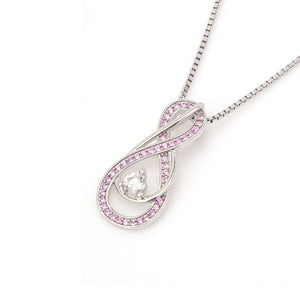
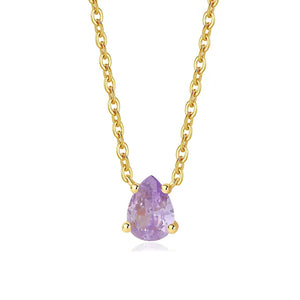
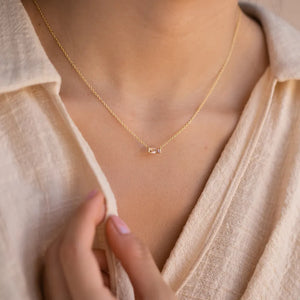
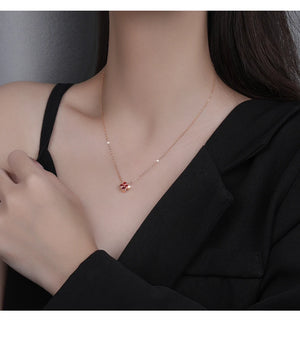
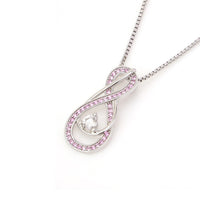
The piece they're describing → June Birthstone Necklace for Women — Alexandrite Lavender Infinity Pendant, 925 Sterling Silver (ES)
Personalize Yours

