


- Gold filled is a legally defined US term: real gold of at least 10 karat, mechanically bonded with heat and pressure to a base metal, making up at least 1/20th (5 percent) of the piece's total weight.
- It is worth it if you want jewelry that looks and wears like real gold, resists tarnish and fading for years, and costs a fraction of solid gold's price.
- It is not worth it if you are shopping for an investment. Gold filled has too little gold content to hold resale or melt value, unlike 24K gold jewelry or gold bullion.
- Gold filled generally outlasts gold vermeil and far outlasts standard gold plating, thanks to its thicker bonded gold layer.
- Honest note: AJLuxe sells 18K gold plating over 925 sterling silver, not gold filled. Our gold layer is thinner and applied by electroplating rather than heat-bonding, so it will not last as long as true gold filled. We say so plainly below.
Scroll through any handmade jewelry marketplace and you will see the term "gold filled" attached to a lot of pieces priced well above basic gold plated jewelry but well below solid gold. That gap in price naturally raises the question: is gold filled jewelry worth it, or is it just clever marketing for a coated base metal? The honest answer is that gold filled is a real, legally regulated category with genuine advantages, and for the right buyer it is one of the smartest ways to get long-lasting gold jewelry without solid-gold pricing. This guide covers exactly what gold filled means under US law, its true pros and cons, how it compares to gold plated, gold vermeil, and solid gold, whether it makes sense as an investment, what actually defines gold jewelry quality, and where an affordable plated brand like AJLuxe honestly fits into the picture.
What Is Gold-Filled Jewelry, Exactly?
Gold filled is not a vague marketing phrase. In the United States, it is a specific category regulated under the Federal Trade Commission's Guides for the Jewelry, Precious Metals, and Pewter Industries. To be legally sold or stamped as "gold filled," a piece has to meet clear requirements:
- Real gold, minimum 10 karat. The outer layer must be genuine gold alloy of at least 10K fineness, not a gold-colored imitation.
- Mechanically bonded, not electroplated. The gold is fused to the base metal using heat and pressure, creating a permanent, layered sheet of metal rather than a thin coating deposited by an electric current.
- At least 1/20th of total weight. The gold layer must equal at least 5 percent of the finished piece's total weight. Pieces are often stamped 1/20 12K GF or 1/20 14K GF to show the ratio and karat.
- A base metal core, usually brass. Underneath the bonded gold sits a solid base metal, most commonly jeweler's brass, which gives the piece its structure and weight.
That 5 percent weight requirement is the number that matters most. Standard gold electroplating typically deposits well under 0.05 percent of a piece's weight in gold, sometimes 100 times less than gold filled. That difference in raw gold quantity is exactly why gold filled jewelry resists wear so much better than plated jewelry, and it is the core of the worth-it case for this category.
The takeaway: gold filled gives you a genuinely thick, heat-bonded layer of real gold over an affordable core metal. It sits in a distinct middle tier, well above plating, generally above vermeil, and well below solid gold, both in gold content and in price.

The Real Pros of Gold-Filled Jewelry
Here is where gold filled genuinely earns its reputation as a smart middle-tier buy:
- A thick, real gold surface. With at least 5 percent gold by weight, gold filled has roughly 5 to 100 times more actual gold than typical plated jewelry, which is the single biggest reason it lasts so much longer.
- Genuine tarnish and fade resistance. The bonded gold layer is thick enough to withstand daily wear, light water exposure, and normal skin contact far better than plating, often for many years without visible thinning.
- Excellent value for the price. Gold filled jewelry typically runs $30 to $150, a small fraction of the $300 to $2,000-plus you would pay for comparable solid gold, while still delivering a real gold surface.
- Generally hypoallergenic. The thick gold layer fully covers the brass core, so most wearers with mild metal sensitivities do not react, since their skin rarely contacts the base metal directly.
- Long realistic lifespan. With reasonable care, well-made gold filled jewelry commonly lasts anywhere from 10 to 30 years, and some pieces last a lifetime, which is a genuinely different durability class than plated jewelry.
The Real Cons of Gold-Filled Jewelry
An honest worth-it review has to cover where gold filled falls short, because it is not solid gold and should not be marketed as if it were:
- It is still a coating, not solid gold. Given enough decades of hard wear, or a single deep scratch through the layer, the brass core can eventually show through at high-friction points like ring bands and clasps.
- Almost no resale or melt value. Because gold makes up only 5 percent of the weight, refiners and buyers generally will not pay meaningfully for gold filled scrap. You are buying it to wear, not to resell.
- Care still matters. Chlorine, harsh chemicals, and abrasive cleaning can wear down even a bonded gold layer faster than normal daily wear. It is durable, not indestructible.
- Fewer design options than plated jewelry. Because the heat-bonding process is more involved than electroplating, gold filled is less common in intricate, delicate, or highly detailed designs than mass-produced plated pieces.
- Quality still varies by maker. The 1/20th ratio is a legal floor. Reputable jewelry suppliers meet or exceed it, but the term alone does not guarantee a specific brand's construction quality or karat choice.
Gold Filled vs. Gold Plated vs. Gold Vermeil vs. Solid Gold
The clearest way to judge whether gold filled is worth it is to see exactly where it sits among the other common gold constructions:
| Type | Base Metal | Gold Layer | Typical Lifespan | Relative Price |
|---|---|---|---|---|
| Solid gold (10K to 24K) | Gold throughout | Not plated, gold all the way through | A lifetime, heirloom | Highest |
| Gold filled | Brass, heat-bonded | At least 5 percent of total weight, 10K or higher | Roughly 10 to 30 years, sometimes longer | Mid |
| Gold vermeil | Sterling silver (925) | At least 10K gold, minimum 2.5 microns | Roughly 1 to 3 years plus with care | Lower mid |
| Gold plated | Brass, copper, or steel | Thin electroplated layer, often under 0.5 microns | Months to about a year | Lowest |
Two patterns stand out. First, gold filled's advantage over both plated jewelry and vermeil is raw gold quantity: at 5 percent of total weight, it simply contains far more gold than a micron-thin plated or vermeil layer, which is why it survives daily wear so much longer. Second, gold filled usually outlasts vermeil specifically, even though vermeil sits on a more precious sterling silver base, because the bonding process and weight ratio pack in more actual gold. For the direct head-to-head, see our full guides on gold vermeil vs. gold filled and gold filled vs. gold plated, and for a side-by-side against the top tier, our solid gold vs. gold filled comparison.
How Long Does Gold-Filled Jewelry Actually Last?
This is the number that decides most people's worth-it math, so it deserves a direct answer. With normal care, gold filled jewelry commonly lasts ten to thirty years of regular wear, and well-made pieces can realistically last a lifetime with light use. That range depends mainly on three factors:
- How much friction the piece takes. Rings and bracelets wear fastest because they constantly rub against surfaces, skin, and other jewelry. Necklaces and earrings, which see less contact, typically last much longer.
- Exposure to chemicals and water. Chlorine, saltwater, perfume, and harsh cleaning products all accelerate wear on any gold layer, including gold filled. Removing jewelry before swimming and showering extends its life significantly.
- How the piece was made. A supplier that bonds gold well above the 5 percent legal minimum, and uses a thicker karat, will outlast a piece that hits exactly the floor.
For the specific question of tarnish resistance and how the surface holds up over time, see our dedicated guide on whether gold filled jewelry tarnishes. The short version: gold filled is genuinely durable jewelry, not a disposable coating, but it is still a plated construction rather than gold through and through.

Is Gold-Filled Jewelry a Good Investment?
Because gold filled contains genuine gold, some buyers wonder whether it can double as a small investment. It cannot, and being honest about this is part of a fair worth-it review. At just 5 percent gold by weight, a typical gold filled piece contains only a tiny fraction of a gram of actual gold, far too little for a refiner to economically recover, and far too little to meaningfully track gold market prices. If you want jewelry that holds investment value, you need 24K gold jewelry or other high-karat solid gold pieces, where the metal itself is the asset, not the design.
That said, treating any gold jewelry as a primary investment vehicle comes with real tradeoffs worth knowing before you buy for that reason. Some of the common disadvantages of investing in gold through jewelry specifically include:
- Markup above metal value. Jewelry prices include craftsmanship, design, and retail margin on top of the raw gold price, so you rarely recover the full purchase price if you resell.
- Illiquidity. Jewelry is harder to convert back to cash quickly and fairly than bullion, coins, or gold ETFs, which trade at transparent market prices.
- Wear reduces value. Scratches, resizing, and daily wear can lower a piece's resale price even when the gold content itself has not changed.
- No income generation. Unlike dividend stocks or interest-bearing accounts, gold jewelry, gold filled included, produces no yield while you hold it.
So if your goal is genuinely the best gold jewelry for investment, look at solid 22K or 24K gold pieces sold closer to melt value, or consider gold bullion and coins instead of fashion jewelry entirely. If your goal is simply to enjoy wearing real gold at an accessible price, gold filled remains an excellent choice, just not a financial one.
What Actually Makes Gold Jewelry "Good Quality"?
Beyond the investment question, most buyers really want to know how to judge gold jewelry quality in general, whether they are looking at gold filled, plated, vermeil, or solid gold. A few factors matter more than any marketing label:
- Karat purity. Higher karat numbers mean more pure gold and less alloy, up to 24K, which is 99.9 percent pure gold but too soft for most everyday jewelry without other metals mixed in for strength.
- Gold quantity, not just karat. A high-karat but ultra-thin plated layer can wear faster than a lower-karat, thicker gold filled layer. Total gold quantity, measured by thickness or weight percentage, drives real-world durability more than karat alone.
- Base metal and construction. A hypoallergenic base like sterling silver or well-made brass, combined with solid bonding or casting, matters as much as the gold itself for comfort and longevity.
- Hallmarks and stamps. Legitimate gold jewelry is typically stamped with its karat and construction type, such as 14K, 1/20 12K GF, or 18K GP, which tells you exactly what you are buying at a glance.
Understanding these factors is what lets you compare gold filled fairly against plated and vermeil jewelry instead of judging purely on price or marketing language.
Where AJLuxe Fits: An Honest Disclosure
We want to be direct here, because this is exactly the kind of detail most affordable jewelry brands leave vague. AJLuxe jewelry is 18K gold plating over 925 sterling silver, priced from about $19.99 to $79.99. We are not gold filled, and we do not want you to assume we are just because the gold tone looks similar in photos.
The honest difference is both process and quantity. Gold filled uses heat and pressure to mechanically bond a gold layer equal to at least 5 percent of the piece's weight. Our jewelry uses electroplating, which deposits a much thinner layer of real 18K gold onto a sterling silver base. That means our pieces will not match gold filled's ten-to-thirty-year durability window, and the gold layer will thin sooner with heavy daily wear.
What that means for you: an AJLuxe piece gives you a genuinely hypoallergenic sterling silver core and a real 18K gold tone at a lower price than gold filled, with the honest tradeoff of a shorter realistic lifespan. If you want the longest-lasting gold-look jewelry short of solid gold, true gold filled is the better spend. If you want an affordable, comfortable piece to enjoy now and are comfortable replating or replacing it down the road, our tier is built for exactly that. We would rather set that expectation clearly than let you find out the hard way.
Is 18K Gold Plating Over Silver Worth It Instead?
Since AJLuxe sits in the gold-plated-over-silver tier rather than gold filled, it is fair to ask whether that step down still makes sense. For many buyers it does, for a similar reason gold filled does: you get a real gold surface and, in our case, a hypoallergenic sterling silver core, at a price well below both gold filled and solid gold. The tradeoff is a thinner gold layer that needs gentler care and will not last as many years. We break the specific economics down in two companion guides: is 18K gold-plated jewelry worth it and is 14K gold-plated jewelry worth it. Both walk through when plated makes sense versus when to step up to gold filled or solid gold.
Who Should Buy Gold-Filled Jewelry (and Who Should Not)
Pulling all of this together, here is the honest buyer's verdict:
- Buy gold filled if: you want jewelry that looks and wears like real gold for a decade or more, you are shopping in the roughly $30 to $150 range, and you value longevity over the very lowest price.
- Consider gold vermeil instead if: you specifically want a sterling silver core rather than brass, and you are comfortable with a somewhat shorter typical lifespan.
- Step up to solid gold, ideally 22K or 24K gold jewelry, if: you want a piece that can double as a genuine store of value, holds meaningful resale worth, and never has a coating to wear through.
- Step down to quality gold plating over silver if: budget is the top priority, you are comfortable with a shorter lifespan and gentler care, and you want a hypoallergenic sterling silver base at the lowest price. This is AJLuxe's tier.
Related reading: Is gold vermeil worth it.
Related reading: Is tiffany jewelry worth it.
Frequently Asked Questions
Is gold filled jewelry worth it?
For most everyday wearers, yes. Gold filled jewelry contains a real, heat-bonded gold layer equal to at least five percent of the piece's total weight, which gives it genuine tarnish resistance and a realistic lifespan of ten to thirty years, all at a fraction of solid gold prices. It is worth it as everyday jewelry, though not as a financial investment.
Is gold filled real gold?
Yes. The outer layer of true gold filled jewelry is genuine gold of at least ten karat fineness, mechanically bonded to a base metal core, not a gold-colored imitation. What makes it different from solid gold is that the gold is a thick bonded layer rather than gold running through the entire piece.
Does gold filled jewelry tarnish?
Generally no, not under normal wear. Because the bonded gold layer is thick and fully seals the base metal underneath, gold filled jewelry resists tarnish and fading far better than plated jewelry. Heavy chemical exposure, chlorine, or years of hard wear can eventually thin the layer and allow some discoloration.
How long does gold filled jewelry last?
With reasonable care, gold filled jewelry typically lasts ten to thirty years of regular wear, and some well-made pieces last a lifetime with light use. Rings and bracelets wear fastest due to friction, while necklaces and earrings often last the longest.
Can you shower with gold filled jewelry?
Occasional light water contact is generally fine, but frequent showering, swimming, and chlorine exposure will gradually wear down even a bonded gold layer faster than normal wear. For the longest lifespan, remove gold filled jewelry before showers, pools, and hot tubs.
Is gold filled jewelry hypoallergenic?
Generally yes for most wearers. The thick, fully bonded gold layer covers the brass core completely, so skin rarely contacts the base metal directly. People with severe metal allergies should still confirm the specific brand's construction, since sensitivity varies by individual.
Is gold filled better than gold plated?
Yes, by a wide margin in durability. Gold filled contains at least five percent gold by weight, heat-bonded to the base metal, while standard gold plating is an electroplated layer often under 0.5 microns thick, sometimes one hundred times less gold. Gold filled lasts years longer under normal wear.
Is gold filled or gold vermeil better?
It depends on your priority. Gold filled generally lasts longer thanks to its thicker bonded gold layer, but its base is typically brass. Gold vermeil uses a sterling silver base, which some buyers prefer for its precious-metal core, but its gold layer is usually thinner and wears sooner. For pure longevity, gold filled tends to win.
Does gold filled jewelry hold resale value?
No, not meaningfully. Because gold makes up only about five percent of the piece's weight, there is too little recoverable gold for refiners or buyers to pay real value for it. If resale or investment value matters to you, choose solid gold, ideally higher-karat pieces like 22K or 24K gold jewelry, instead.
Is 24K gold jewelry a better investment than gold filled?
Yes, if investment value is genuinely your goal. Twenty-four karat gold jewelry is close to pure gold and tracks the gold market far more closely than gold filled, which contains only a small fraction of a gram of actual gold. Gold filled is built for everyday wear and value for money, not for holding financial value.
Is AJLuxe jewelry gold filled?
No, and we say so plainly. AJLuxe uses 18K gold plating over 925 sterling silver, applied by electroplating rather than the heat-and-pressure bonding used for true gold filled jewelry. Our gold layer is thinner and will not last as long as gold filled, though it shares a hypoallergenic sterling silver base and is priced lower.
How do I make gold filled jewelry last longer?
Remove it before showering, swimming, and exercising, and apply perfume, lotion, and sunscreen before putting it on rather than after. Store pieces separately in a dry, airtight space to avoid scratching, and clean gently with a soft cloth. Rings and bracelets benefit most from careful handling since they take the most friction.
Final Thoughts
Gold filled jewelry earns its worth-it verdict for a clear reason: it packs a genuinely thick, heat-bonded layer of real gold, at least five percent of the piece's weight, onto an affordable base metal core, which translates into ten to thirty years of realistic everyday wear at a fraction of solid gold's price. It is not an investment vehicle, and buyers hoping to store financial value should look at 24K gold jewelry or bullion instead, but as durable, wearable gold-tone jewelry, it is one of the strongest value tiers available. AJLuxe's own pieces sit a step below gold filled, using 18K gold plating over a hypoallergenic sterling silver base at an even lower price, with the honest tradeoff of a shorter lifespan than true gold filled. Whichever tier fits your budget and habits, buying with clear expectations is what actually makes gold jewelry worth it. For more on the plated tier just below gold filled, see our guides on 18K gold-plated jewelry and 14K gold-plated jewelry. For the more basic question of whether plating is real gold at all, see our guide on is gold plated jewelry real gold.
Weighing value on other pieces too? See our guides to is moissanite worth it for gemstone value, and is Pavoi good quality for another affordable-brand breakdown.
Shop AJLuxe's 18K gold-plated sterling silver jewelry
Shop the Gold Hoop EarringsShop This Guide
Browse our full gold-plated jewelry collection to find 18K gold-plated sterling silver rings, necklaces, and earrings, an affordable, hypoallergenic-core alternative to gold filled for everyday wear.
AJLuxe Team. Last updated: July 2026. AJLuxe uses 18K gold plating over 925 sterling silver and does not sell gold filled jewelry. Sources: Jewelers of America, and the US FTC Guides for the Jewelry, Precious Metals, and Pewter Industries, 16 CFR Part 23 (ftc.gov).
Alle Marken, Markennamen und Produktnamen Dritter sind Eigentum ihrer jeweiligen Inhaber. AJLuxe steht in keiner Verbindung zu den in diesem Artikel genannten Marken Dritter und wird von diesen weder unterstützt noch gesponsert. Markennamen werden ausschließlich zur sachlichen vergleichenden Bezugnahme verwendet; Materialangaben entsprechen den eigenen veröffentlichten Produktangaben der jeweiligen Marke zum Zeitpunkt der Erstellung.
You Might Also Like


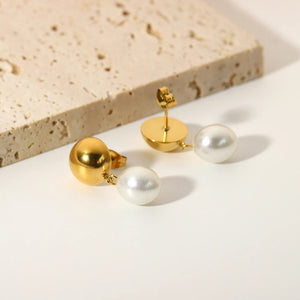
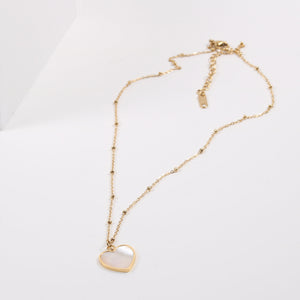
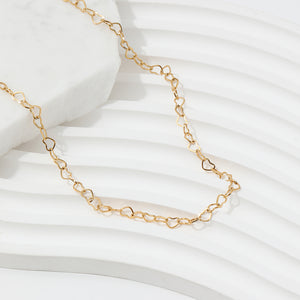

The piece they're describing → Goldcreolen für Damen — 925er Sterlingsilber, 18 Karat vergoldet, hypoallergen
Personalize Yours


