


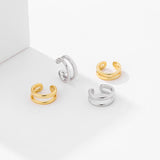
- Nickel — not metal type in general — is the trigger behind the vast majority of jewelry-related skin reactions.
- The Association of Professional Piercers recommends implant-grade titanium, niobium, or solid 14k+ gold for new and healing piercings.
- Nickel-free 925 sterling silver and 18K gold plating are well-tolerated for healed piercings and everyday wear, but aren't the go-to for a piercing that's still closing.
- "Hypoallergenic" is a marketing term, not an FDA-regulated standard — look for "nickel-free" on the actual product spec, not just the word "hypoallergenic" in a listing.
- Typical allergy signs are localized redness, itching, swelling, or a rash that appears only where the metal touches skin.
- AJLuxe's hypoallergenic jewelry collection is nickel-free 925 sterling silver with 18K gold plating, $24.99–$79.99.
If your ears, nose, or cartilage have ever turned red, itchy, or crusty a few days after putting in a new pair of earrings, you already know metal allergies are common — and confusing, because half the jewelry on the market says "hypoallergenic" whether or not that's actually true. The real answer is more specific than one magic metal: what's safe changes depending on whether the piercing is brand-new or fully healed, and the word "hypoallergenic" by itself guarantees almost nothing. Here's what actually matters (2026), metal by metal.
Related reading: the materials that actually prevent a reaction, for men specifically.
What Makes Jewelry "Hypoallergenic" Anyway?
Jewelry is hypoallergenic when it's made from metal that doesn't release nickel or other reactive alloy compounds into the skin, not because a brand slaps the word on a listing. Nickel is the single biggest cause of contact dermatitis from jewelry — it's cheap, it's added to countless metal alloys (including a lot of "gold-tone" and costume jewelry) to add strength or reduce cost, and it leaches out with sweat and skin oil over time. Because "hypoallergenic" isn't an FDA-regulated term, two products can both carry the label while one is solid titanium and the other is a nickel-brass blend with a thin coating that wears off in weeks. The only way to know for sure is to check what the base metal actually is, not the marketing word above it.
Which Metals Are Actually Safe for Piercings?
Implant-grade titanium and niobium are the safest metals for piercings because they're biocompatible and contain no nickel at all, followed by solid 14k+ gold and nickel-free sterling silver as strong second options depending on the piercing's healing stage. Here's how the common options stack up:
| Metal | Nickel-free? | Best for | Notes |
|---|---|---|---|
| Implant-grade titanium | Yes | New/healing piercings | APP top recommendation; biocompatible, inert |
| Niobium | Yes | New/healing piercings | Similar profile to titanium, often used in colored anodized jewelry |
| Solid 14k–18k gold | Yes (at these purities) | New or healed piercings | Higher purity gold has less alloy to react to; avoid lower karats |
| 925 sterling silver (nickel-free) | Yes | Healed piercings, everyday wear | Can tarnish/oxidize in a moist healing environment; not APP's pick for fresh piercings |
| 18K gold-plated 925 silver | Yes (plating + base) | Healed piercings, everyday wear | Plating can wear thin over years of daily wear |
| Surgical steel ("316L") | Often not fully | Varies | Can still contain trace nickel; less predictable than titanium |
| Costume/fashion metal, "gold-tone" | No | Avoid for piercings | Common source of nickel-allergy reactions |
Is Sterling Silver Safe for Piercings?
Sterling silver is safe and comfortable for healed piercings and everyday wear when it's genuinely nickel-free, but it isn't the metal piercers reach for on a fresh piercing. A new piercing is essentially an open wound for several weeks, and silver can tarnish or oxidize in that warm, moist environment faster than inert metals like titanium — that's a durability and hygiene issue more than an allergy one. Once the piercing has fully healed, nickel-free 925 sterling silver (the standard AJLuxe uses, finished with 18K gold plating) is a well-tolerated, affordable option for sensitive skin — it's just not a substitute for implant-grade titanium during the initial healing window.
What Are the Signs of a Metal Allergy in a Piercing?
A metal allergy in a piercing shows up as redness, itching, swelling, flaking, or a rash localized to the exact spot the metal touches — not general irritation across the whole ear or area. It can appear within days of a new piece going in, or develop after months or years of wearing the same metal, since nickel sensitization builds up with repeated exposure. If a piercing that's been fine for a long time suddenly reacts, the more likely culprit is a new piece of jewelry in it (or plating that's worn through to a base metal underneath) rather than the skin itself changing.
New Piercing vs. Healed Piercing: Does the Metal Rule Change?
Yes — the metal that's safest for a fresh piercing is not automatically the best long-term choice for a healed one, and treating them the same is the most common mistake people make. During healing, the priority is an inert, non-porous metal that won't react with an open wound, which is why implant-grade titanium and niobium are the standard starter jewelry at reputable studios. Once healed, the skin barrier is intact again and the priority shifts to comfort, style, and everyday-wear durability — which is exactly where nickel-free sterling silver and gold-plated pieces fit, since they're far more affordable than a full solid-gold collection while still avoiding the nickel that causes most reactions.
How Do You Know If Jewelry Is Truly Nickel-Free?
You know jewelry is truly nickel-free by checking the stated base metal and finish rather than trusting the word "hypoallergenic" on its own, since that word carries no legal definition or testing requirement. Look for an explicit metal spec — "925 sterling silver," "implant-grade titanium," "14k solid gold" — and be cautious of vague terms like "gold-tone," "silver-tone," or "premium alloy," which often signal a base metal blended with nickel underneath a coating. A coating or plating layer can also wear thin with years of daily wear, which is why the base metal underneath matters as much as the finish on top.
For healed piercings and everyday sensitive-skin wear, AJLuxe's Hypoallergenic Jewelry for Sensitive Skin collection is built on nickel-free 925 sterling silver with 18K gold plating, priced $24.99–$79.99. It's not a replacement for implant-grade titanium in a fresh piercing — but for the huggies, studs, and hoops you switch into once healing is done, it's designed specifically for skin that reacts to cheaper metals.
Frequently Asked Questions
Can you wear sterling silver in a new piercing?
It's not recommended — sterling silver can tarnish or oxidize in the moist environment of a healing piercing, and professional piercers generally recommend implant-grade titanium or niobium for new piercings instead. Sterling silver is a better fit once the piercing has fully healed. See our hypoallergenic infant earrings safety guide for how this applies specifically to babies.
What metal is best for sensitive ears?
Implant-grade titanium is the top choice during healing, and nickel-free 925 sterling silver, 14k+ solid gold, or 18K gold-plated silver work well for sensitive ears once a piercing is healed. The common thread across all of them is the absence of nickel, which is the actual allergy trigger, not the metal category itself. The same logic applies to nose piercings — see our hypoallergenic nose rings guide for the nose-specific healing timeline.
Does hypoallergenic mean nickel-free?
Not necessarily — "hypoallergenic" is an unregulated marketing term, so a product can carry the label without being genuinely nickel-free. Check the listed base metal directly rather than relying on the word alone.
How long does a nickel allergy reaction last?
A reaction typically clears up within days to a couple of weeks once the offending metal is removed and the skin is kept clean and dry. If redness, swelling, or discharge persists or worsens, that's a sign to see a doctor rather than wait it out.
Is surgical steel hypoallergenic?
Surgical steel is often marketed as hypoallergenic, but common grades like 316L can still contain trace nickel, so it's less predictable for sensitive skin than implant-grade titanium or niobium. If you've reacted to steel before, titanium is the safer bet.
Can gold-plated jewelry cause an allergic reaction?
Yes, if the plating wears thin enough to expose a nickel-containing base metal underneath, or if the base metal itself isn't nickel-free to begin with. Gold plating over a genuinely nickel-free base, like 925 sterling silver, avoids this problem even as the plating wears over time.
For piercing aftercare and jewelry-material standards, the Association of Professional Piercers is the industry's leading resource.
Related reading: see our guide answering should I get my ears pierced.
Alle Marken, Markennamen und Produktnamen Dritter sind Eigentum ihrer jeweiligen Inhaber. AJLuxe steht in keiner Verbindung zu den in diesem Artikel genannten Marken Dritter und wird von diesen weder unterstützt noch gesponsert. Markennamen werden ausschließlich zur sachlichen vergleichenden Bezugnahme verwendet; Materialangaben entsprechen den eigenen veröffentlichten Produktangaben der jeweiligen Marke zum Zeitpunkt der Erstellung.
You Might Also Like
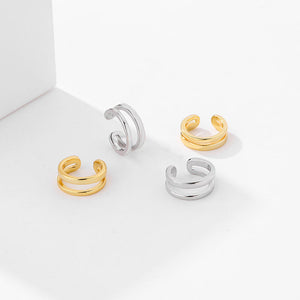
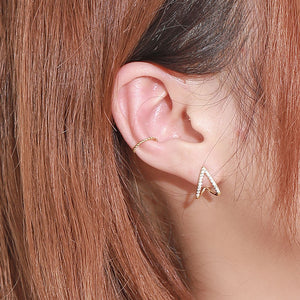
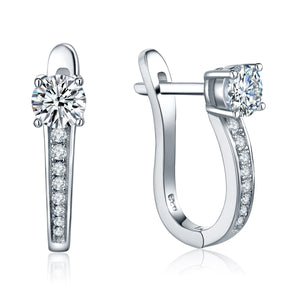

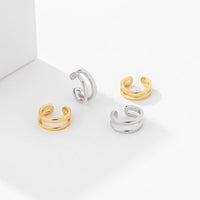
The piece they're describing → Ohrklemmen für Damen – Sterlingsilber 925, Kein Piercing nötig, Vergoldet
Personalize Yours


