


If your moissanite ring or earrings have started looking a little cloudy, the culprit almost always is soap residue, lotion, and everyday oils building up on the stone's surface, not damage to the gem itself. Moissanite is remarkably tough, but it still needs regular cleaning to show its full fire and brilliance. This guide walks through the safest way to clean moissanite jewelry at home, how that routine differs from cleaning cubic zirconia or diamond, what to avoid, and when it is worth taking a piece to a professional.
Why Moissanite Cleans Differently Than Other Stones
Moissanite is lab-grown silicon carbide, and it scores 9.25 on the Mohs hardness scale, just below diamond's perfect 10 and well above cubic zirconia's 8 to 8.5. That extra hardness matters for cleaning in a very practical way: moissanite resists the fine surface scratches that make CZ look cloudy and dull over time, so you have more room for error with a soft brush and normal contact than you do with softer simulants.
That does not mean moissanite is scratch-proof or that you should skip cleaning it. It means the risk with moissanite is almost entirely residue buildup, dulling from soap film, lotion, and skin oils sitting on the stone's facets, rather than the stone itself degrading. Understanding that distinction is the key to cleaning it correctly without overdoing it.

How to Clean Moissanite Jewelry at Home, Step by Step
This is the safest method for moissanite set in sterling silver, gold, or gold-plated settings:
- Fill a small bowl with warm (not hot) water and add a few drops of mild, ammonia-free dish soap. Avoid hot water if the piece has a gold-plated finish, since heat can stress the plating over repeated cleanings.
- Soak the piece for 5 to 10 minutes. This loosens dried lotion, sunscreen, and soap film without any scrubbing needed for light buildup.
- Brush gently with a soft-bristled brush, a baby toothbrush or a dedicated jewelry brush works well, focusing on the underside of the stone and the prongs, where residue collects most.
- Rinse thoroughly under running water. Cup your hand over the drain or use a mesh strainer, since rings and earring backs are easy to lose down a drain.
- Dry immediately with a lint-free cloth, such as a microfiber or dedicated jewelry-polishing cloth, and let it air-dry fully for a few minutes before wearing or storing it.
Done this way every one to two weeks, this routine keeps moissanite's brilliance without any real risk to the stone or setting.
Moissanite vs. CZ vs. Diamond: Cleaning Comparison
The core cleaning method above works for all three stones, but how forgiving each one is, and how often it needs attention, varies with hardness. Here is how they compare:
| Factor | Moissanite | Cubic Zirconia (CZ) | Diamond |
|---|---|---|---|
| Mohs hardness | 9.25 | 8 to 8.5 | 10 |
| Scratch resistance | Very high, forgiving of a soft brush and normal handling | Moderate, scratches and dulls faster with everyday wear | Highest, essentially scratch-proof from normal contact |
| Main cleaning issue | Soap residue and oil film dulling the fire | Surface scratches plus residue, both dull the stone | Grease attracts easily but rarely scratches |
| Recommended frequency | Every 1 to 2 weeks | Weekly, since dulling shows up faster | Every 1 to 2 weeks |
| Ultrasonic cleaner safe? | Generally yes for the stone; check setting metal first | Usually safe, but foil-backed or glued CZ settings can loosen | Yes, diamonds handle ultrasonic cleaning well |
The practical difference: because moissanite is closer to diamond in hardness than CZ, you can be a little more relaxed about it, an occasional missed cleaning session will not visibly damage it the way it can dull a CZ stone. That is the biggest reason moissanite is considered more low-maintenance than CZ day to day.
Ultrasonic Cleaners, Steam Cleaners, and Professional Cleaning
Moissanite itself generally tolerates ultrasonic and steam cleaners well, thanks to its hardness and stability. The real risk with either method is not the stone, it is the setting. Ultrasonic vibrations can loosen prongs over time, especially on older pieces or those that have not been inspected recently, and steam's heat can be harder on gold-plated or enamel-accented settings.
- At home: If you own an ultrasonic jewelry cleaner, it is generally safe for solid sterling silver or gold settings with securely set moissanite. Skip it for plated pieces you want to preserve long-term, and stick to the soap-and-water method instead.
- Professional cleaning: Have a jeweler ultrasonically clean and inspect the setting once or twice a year, especially for rings worn daily. This catches loose prongs before a stone is at risk of falling out, which is a setting issue, not a moissanite durability issue.
- Warning signs it is time for a professional check: the stone feels slightly loose when you tap it gently, you notice a prong looks bent or worn thin, or the piece has not been professionally inspected in over a year of regular wear.

What to Avoid When Cleaning Moissanite
Moissanite's durability makes it forgiving, but a few habits and products can still dull its shine or, in rarer cases, stress the setting:
- Harsh chemicals: Bleach, chlorine, and ammonia-heavy cleaners can discolor or pit metal settings, particularly sterling silver and gold plating, even though they will not damage the moissanite itself. Stick to mild, ammonia-free dish soap.
- Abrasive scrubbing tools: Skip stiff-bristled brushes, paper towels, and any gritty toothpaste with whitening abrasives. While moissanite can handle light abrasion better than CZ, repeated harsh scrubbing can still scuff softer metal settings and worn prongs.
- Lotion, sunscreen, and hairspray contact: These are the single biggest cause of a "cloudy" moissanite stone. Put jewelry on last, after skincare and makeup, and take rings off before applying lotion or sunscreen.
- Wearing it in the pool or hot tub: Chlorine and chemically treated water build up film on the stone and can be harsh on metal settings and plating over time, even though moissanite itself is not damaged by water.
- Tossing it loose in a bag or drawer: This is a metal and setting risk, not a stone risk, since other jewelry and hard surfaces can bend prongs. Store pieces separately in a soft pouch or lined jewelry box.
Storage and Everyday Maintenance
Good storage habits reduce how often you need a deep clean and protect the setting long-term:
- Store separately. Keep moissanite pieces in individual pouches or a lined jewelry box compartment so they do not scratch each other's metal settings or nearby softer jewelry.
- Take it off for physical activity. Remove rings and earrings before workouts, cleaning, gardening, or anything involving repeated impact, which protects prongs and settings even though the stone itself is highly scratch-resistant.
- Wipe after wear. A quick pass with a lint-free cloth before storing removes the day's oils and prevents residue from building into a harder-to-remove film.
- Do a soap-and-water clean weekly to biweekly for pieces worn daily, and monthly for occasional-wear pieces.
Does Moissanite Tarnish or Dull Over Time?
The moissanite stone itself does not tarnish. Tarnish is a metal reaction, so what people usually mean when they say a moissanite piece looks "dull" or "tarnished" is either soap residue on the stone or actual tarnish on a sterling silver setting, not the gemstone losing its brilliance. Genuine moissanite keeps its clarity and fire indefinitely with normal wear and periodic cleaning; if a piece looks consistently dull even after a proper clean, check the setting metal rather than the stone.
Frequently Asked Questions
How often should you clean moissanite jewelry if you wear it every day?
Every one to two weeks for daily-wear pieces, using warm water and mild dish soap with a soft brush. This prevents the soap and oil residue buildup that causes most of the dulling people notice in moissanite jewelry.
Can you use an ultrasonic cleaner on moissanite without damaging the stone or setting?
Moissanite itself generally tolerates ultrasonic cleaners well due to its 9.25 Mohs hardness. The setting is the bigger concern; solid sterling silver or gold settings are usually fine, but skip ultrasonic cleaning on plated pieces or anything with loose-feeling prongs.
Is toothpaste safe for cleaning moissanite, or will it scratch the gemstone or metal?
Plain toothpaste without whitening abrasives is unlikely to scratch moissanite given its hardness, but it is still not recommended. Whitening toothpaste contains gritty abrasives that can dull metal settings and plating, so warm water and mild dish soap remain the safer choice.
How do you clean moissanite with dish soap and warm water at home?
Soak the piece in warm water with a few drops of mild, ammonia-free dish soap for 5 to 10 minutes, gently brush around the setting and underside of the stone with a soft brush, rinse thoroughly, and dry with a lint-free cloth.
Does moissanite tarnish over time like silver or copper jewelry?
No, the moissanite stone itself does not tarnish. Any dulling is either residue on the stone or actual tarnish on a metal setting, most commonly sterling silver. Cleaning the stone and polishing the metal separately usually resolves both.
How is moissanite different from cubic zirconia (CZ) in terms of durability and cleaning needs?
Moissanite is significantly harder (9.25 versus 8 to 8.5 Mohs), so it resists the fine surface scratches that make CZ look cloudy within a year or two. Both need the same basic soap-and-water cleaning, but moissanite is more forgiving of an occasional missed cleaning or slightly rougher handling.
Is moissanite as durable and easy to care for as a diamond?
Very close. Moissanite is only slightly softer than diamond (9.25 versus 10 Mohs) and follows the same basic cleaning routine. In practice, both stones are considered low-maintenance and daily-wear-ready.
When should you take your moissanite jewelry to a professional for cleaning and inspection?
Once or twice a year for daily-wear pieces, or sooner if a stone feels loose, a prong looks bent or worn, or the piece has not been professionally checked in over a year. This protects the setting, since the moissanite itself rarely needs professional intervention.
What everyday habits should you avoid to keep moissanite sparkling, such as swimming or applying lotion?
Avoid applying lotion, sunscreen, or hairspray while wearing the jewelry, and remove rings before swimming in chlorinated water. These are the leading causes of the cloudy, residue-dulled look people mistake for stone damage.
Can you use bleach, ammonia, or abrasive cleaners on moissanite jewelry?
No. While the moissanite stone can tolerate them better than softer gems, bleach and ammonia-heavy cleaners can discolor and pit metal settings, including sterling silver and gold plating. Stick to mild, ammonia-free dish soap.
How frequently should you have the prongs and setting of your moissanite ring checked by a jeweler?
Once or twice a year for rings worn daily. Prong wear is a metal and setting issue that develops gradually with wear, not something caused by the moissanite stone itself.
What is the best way to store moissanite jewelry to prevent scratches or tarnishing?
Store each piece separately in a soft pouch or a lined jewelry box compartment. This protects settings from scratching each other and reduces the metal tarnish that can make a piece look dull even though the moissanite itself does not tarnish.
Can you use a silver polishing cloth to clean oil or dirt off moissanite without causing damage?
Yes, a lint-free polishing cloth is safe for both the moissanite stone and most metal settings, and it is a good quick option between full soap-and-water cleanings to keep the piece looking its best.
More Jewelry Care Guides
See the general troubleshooting guide, or browse care instructions for other jewelry materials:
- How to Clean Tarnished Jewelry (Sterling Silver, Gold-Plated, Steel & More)
- How to Clean Jewelry With Diamonds: A Complete Care Guide
- How to Clean Stainless Steel Jewelry: Safe Methods
- How to Clean Copper Jewelry: Patina, Verdigris & DIY Methods
- How to Clean Costume Jewelry (Without Ruining It)
- How to Clean Brass Jewelry: DIY Methods That Actually Work
- How to Clean Jewelry With Baking Soda (Step-by-Step)
- How to Clean Rose Gold Jewelry: Solid vs. Plated Care Guide
- How to Clean Titanium Jewelry (It Barely Needs It)
Final Thoughts
Cleaning moissanite jewelry is genuinely low-effort compared to softer stones. A warm-water and mild-soap routine every one to two weeks, a soft brush for the setting, and a thorough dry with a lint-free cloth is really all it takes to keep the fire and brilliance that made you choose moissanite in the first place. Because it sits at 9.25 on the Mohs scale, close to diamond and well above cubic zirconia, moissanite is far more forgiving of everyday handling, so most of what looks like "dulling" is simply residue waiting to be cleaned off, not damage to the stone. The one place that still deserves real attention is the setting: get prongs checked once or twice a year, especially on pieces worn daily, since a loose prong is a metal issue, not a moissanite issue.
Shop AJLuxe's moissanite hoop earrings
Shop Moissanite Hoop EarringsMore Moissanite Guides
Curious whether moissanite is the right choice in the first place? Read is moissanite worth it, see how it stacks up in moissanite vs. cubic zirconia, or learn more about the stone in what is moissanite.
AJLuxe Team. Last updated: July 2026. Source: Jewelers of America, Jewelry Care.
Alle Marken, Markennamen und Produktnamen Dritter sind Eigentum ihrer jeweiligen Inhaber. AJLuxe steht in keiner Verbindung zu den in diesem Artikel genannten Marken Dritter und wird von diesen weder unterstützt noch gesponsert. Markennamen werden ausschließlich zur sachlichen vergleichenden Bezugnahme verwendet; Materialangaben entsprechen den eigenen veröffentlichten Produktangaben der jeweiligen Marke zum Zeitpunkt der Erstellung.
You Might Also Like
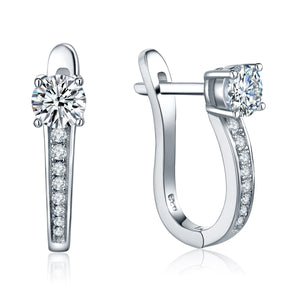

The piece they're describing → Moissanit-Creolen für Damen — 925er Sterlingsilber, Brillantschliff, hypoallergen
Personalize Yours


