


Costume jewelry gets a bad reputation for not lasting, but most of the damage isn't from wearing it — it's from cleaning it the wrong way. Fine jewelry care advice (soak it, scrub it, dip it) gets repeated everywhere online, but applied to a gold-plated rhinestone necklace, that same advice can strip the plating, cloud the stones, or loosen a glued setting permanently. Costume and fashion jewelry — which is what most of us actually wear day to day — is built differently than fine jewelry, and it needs a different cleaning approach. This guide covers exactly how to clean plated metal, rhinestones, cubic zirconia, and elastic or cord pieces safely, when you should skip cleaning altogether, and how storage habits do more for costume jewelry's lifespan than any cleaning method ever will.
Why Costume Jewelry Needs Different Care Than Fine Jewelry
Fine jewelry — solid gold, platinum, and prong-set gemstones — is built to withstand cleaning methods that would ruin costume jewelry. The difference comes down to three things:
- The metal is a thin plating, not solid. Most costume and fashion jewelry is base metal, brass, or sterling silver with a thin layer of gold, rose gold, or rhodium plating on top — often just a few microns thick. Abrasive polish, baking soda, and prolonged soaking wear through that layer fast, exposing the metal underneath, which then tarnishes on its own.
- Stones are glued in, not set. Fine jewelry gemstones are usually held with prongs or bezels that can handle a rinse. Costume jewelry rhinestones and cubic zirconia are frequently set with jeweler's glue or epoxy, sometimes over a foil backing that gives the stone extra sparkle — and both the glue and the foil are vulnerable to water.
- Coatings and finishes are more common. Enamel, lacquer, and anti-tarnish top coats show up often on costume pieces to slow tarnish or hold a color finish, and harsh cleaners or scrubbing can dull or strip these coatings in a single use.
None of this means costume jewelry is fragile or poorly made — it just means the safest cleaning method is almost always the gentlest one, not the strongest one.
What's Actually in Your Costume Jewelry
Before cleaning anything, it helps to know what you're working with. Most costume and fashion jewelry pieces are made of a combination of these components, each with different cleaning tolerances:
- Base metal: Usually brass, zinc alloy, or sterling silver, plated in 18K gold, rose gold, or rhodium (a bright white finish used on silver-tone pieces).
- Rhinestones or cubic zirconia (CZ): Glass or cubic zirconia stones, either prong-set (more durable) or glued in place (much more common on costume jewelry, and much more water-sensitive).
- Foil backing: A thin reflective foil placed behind some rhinestones to boost sparkle. Foil backing degrades if water gets behind the stone, causing a cloudy or dull look that can't be reversed.
- Elastic, cord, or thread: Common in bracelets and some layered necklaces. Elastic degrades with repeated water exposure and sun exposure, becoming brittle and eventually snapping.
- Enamel or resin coating: Used for colored detailing on some pieces; sensitive to acetone, alcohol-based cleaners, and abrasive scrubbing.
If you're not sure what a piece is made of, treat it as if it has glued stones and thin plating — the gentlest method in this guide is safe for every material listed above, even if it turns out to be more durable than you thought.
The Safe Way to Clean Everyday Costume Jewelry
For routine cleaning — removing everyday oils, light dust, and surface grime — this method works for nearly every costume jewelry piece without risking the plating or the stones:
- Start dry. Wipe the entire piece with a soft, lint-free microfiber cloth. This alone removes most everyday buildup and is the only step needed for pieces with glued or foil-backed stones.
- If more is needed, go barely damp — not wet. Lightly dampen (don't soak) a corner of the cloth with lukewarm water and a drop of mild, unscented dish soap. Never submerge the piece.
- Spot-clean the metal only, avoiding stone settings. Gently wipe the plated surfaces, working around rhinestone or CZ settings rather than over them, so moisture doesn't seep behind the stone.
- Dry immediately. Pat completely dry with a clean, dry section of the cloth. Don't air-dry — lingering moisture at the edge of a setting is exactly what loosens glue over time.
- Buff lightly. A final dry buff with a clean microfiber cloth restores shine without any additional product.
That's the entire safe method for the vast majority of costume jewelry. Anything beyond this — soaking, scrubbing, chemical dips — moves from cleaning into risk territory, especially for glued stones and thin plating.

Do's and Don'ts by Component: Comparison Table
| Component | Safe to do | Never do |
|---|---|---|
| Gold or rhodium plating | Dry microfiber wipe; barely damp cloth with mild soap, dried immediately | Polishing cloths made for solid silver, baking soda, ultrasonic cleaners, jewelry dips — all strip plating |
| Glued rhinestones or CZ | Dry cloth wipe around the setting only | Any soak or direct water on the stone — glue softens and stones loosen or fall out |
| Foil-backed stones | Dry cloth only, no exceptions | Any moisture — water behind the foil causes permanent clouding, not reversible |
| Elastic or cord | Wipe the beads or charms, keep the elastic itself dry, remove before swimming or showering | Soaking or repeated water exposure — degrades elastic and cord, causing snapping |
| Enamel or resin coating | Damp microfiber cloth, mild soap only | Acetone, alcohol-based cleaners, nail polish remover — all dissolve or dull the coating |
| Base metal (no plating left) | Warm soapy water and a soft brush, if no stones are attached nearby | Abrasive scrubbing near any stone setting, even if the metal itself can handle it |
When to Not Clean Costume Jewelry at All
Some pieces are safer left alone than cleaned, at least with any method involving liquid. Skip cleaning — or stick to a bone-dry cloth only — in these situations:
- Any piece with visibly glued-in stones. If you can see a thin line of adhesive around the base of a rhinestone or CZ, water and soap will find their way into that gap and soften the bond. A dry cloth is the only safe method.
- Foil-backed rhinestones. Once moisture gets behind foil backing, the cloudiness that results is permanent — there's no fix once it happens, so prevention is the only option.
- Vintage or antique costume jewelry. Older pieces often use glues, finishes, and metal alloys that don't match modern costume jewelry, and cleaning methods that are safe for a piece bought last year can damage a 40-year-old one. When in doubt, a jeweler experienced with vintage costume pieces can advise.
- Jewelry with visible plating loss. If the base metal is already showing through in spots, any additional cleaning — even a gentle one — risks removing more of the remaining plating.
- Pieces you plan to wear the same day. If a piece just needs a quick refresh before wearing, a dry buff is enough. Save any damp cleaning for when the piece will have time to fully dry before you wear or store it again.
How to Remove Tarnish From Costume Jewelry Without Ruining It
Tarnish on costume jewelry usually shows up as a dark or greenish discoloration at the base metal — most often around the edges of a setting or anywhere the plating has thinned. Unlike solid sterling silver, costume jewelry can't handle the standard baking-soda-and-foil tarnish removal method, because the same chemical reaction that lifts tarnish from silver will also strip a thin gold or rhodium layer.
Instead:
- Light tarnish: A dry microfiber cloth, buffed gently in one direction, removes most surface discoloration on plated metal without touching the plating itself.
- Moderate tarnish: A barely damp cloth with a drop of mild soap, applied only to the metal and dried immediately, handles what a dry cloth can't.
- Green discoloration (verdigris) on skin or metal: This is copper oxide, common on base-metal costume pieces, and it's cosmetic rather than damage. Gently remove it with a dry cloth or a cotton swab — never scrub, since verdigris sits on the surface and doesn't need force to lift.
- Heavy tarnish with plating already worn through: At this point, cleaning won't restore the original finish, since the exposed base metal will keep tarnishing regardless of how well it's cleaned. Replating (for a piece worth the cost) or replacement are the only real fixes.
Never use silver polishing cloths, silver dips, or ultrasonic cleaners on costume jewelry. All three are formulated for solid precious metal and will remove plating, sometimes in a single use.
How to Store Costume Jewelry to Prevent Tarnish
Storage does more to extend costume jewelry's life than any cleaning method, because it prevents the tarnish and grime from building up in the first place. A few habits make a real difference:
- Store pieces separately. Costume jewelry tangled together in a drawer scratches plating and traps moisture between pieces. Individual pouches, a compartmentalized tray, or small zip-top bags with the air pressed out all work.
- Keep it dry and away from humidity. A humid bathroom is the worst place to store costume jewelry — the moisture accelerates both tarnish and glue breakdown. A bedroom drawer or closet is a better environment.
- Put jewelry on last, take it off first. Apply perfume, lotion, and hairspray before putting jewelry on. These products are some of the biggest accelerants for both tarnish and glue degradation.
- Remove it before water exposure. Showering, swimming, washing dishes, and exercising are the fastest ways to shorten costume jewelry's life — take it off first, every time.
- Use anti-tarnish strips or pouches for pieces you wear less often. Anti-tarnish paper or a lined jewelry box slows oxidation for pieces sitting unworn for weeks or months.
- Wipe after every wear. A 10-second dry-cloth wipe before storing removes the oils and residue that would otherwise sit against the plating overnight.

Costume Jewelry vs. Fine Jewelry: What's Actually Different
The core difference in care comes down to durability margin. Fine jewelry — solid gold, platinum, and prong-set gemstones — has enough built-in durability to tolerate a wider range of cleaning methods, including soaking, ultrasonic cleaners, and commercial dips (with some gemstone exceptions). Costume jewelry has almost none of that margin, because the plating is thin and the stones are usually glued rather than mechanically set.
Costume jewelry base metals — particularly brass and lower-cost alloys — are also more likely to contain nickel, a common allergen. The American Academy of Dermatology notes that nickel is one of the most common causes of allergic contact dermatitis, and that earrings, earring backs, and watches are some of the biggest culprits, alongside necklaces, rings, and bracelets containing nickel (source: American Academy of Dermatology, Nickel Allergy). If a piece of costume jewelry is causing skin irritation, that's a metal-composition issue rather than a cleanliness issue, and switching to nickel-free, hypoallergenic pieces solves it — no amount of cleaning will.
In practice, this means: treat every costume jewelry piece as though it's more delicate than it looks, default to the gentlest method available, and reserve stronger cleaning methods (baking soda, polishing cloths, ultrasonic cleaners) for pieces you've confirmed are solid precious metal.
Mistakes That Ruin Costume Jewelry
Most costume jewelry damage traces back to one of these habits:
- Soaking anything with glued stones. The single most common cause of a stone falling out of costume jewelry is a soak, not everyday wear.
- Using silver polish or dips on plated pieces. These products are formulated for solid metal and strip plating fast — often visibly within one or two uses.
- Scrubbing verdigris or tarnish with an abrasive. Toothpaste and baking soda both work by abrasion, which is exactly what thin plating can't handle.
- Wearing costume jewelry in the shower, pool, or ocean. Chlorine and salt water are especially hard on plating and glue bonds.
- Storing pieces piled together. Tangled chains and stacked rings scratch each other's plating over time, even without any cleaning involved.
- Using an ultrasonic cleaner "just to be thorough." The vibration that safely cleans solid gold and diamonds can knock glued stones loose or crack foil backing in seconds.
When to Repair vs. Just Replace
Costume jewelry is generally less expensive to replace than to repair, which changes the cost-benefit math compared to fine jewelry. A few guidelines:
- A single loose or missing rhinestone on an inexpensive piece is usually easier and cheaper to replace with a new piece than to have re-set.
- Plating that's worn through on a piece you wear constantly is a sign the piece has reached the end of its useful life — replating costume-grade base metal often costs more than the piece itself.
- A sentimental piece (a gift, an inherited item) is worth a jeweler's repair estimate even if the materials are costume-grade, since the value isn't really about the metal.
- If a piece is causing skin irritation, no cleaning or repair fixes that — replacing it with a nickel-free or hypoallergenic alternative is the only real solution.
Related reading: Halloween Jewelry Guide (2026): Spooky Styles That Don't Look Costume-y.
Frequently Asked Questions
Can you get costume jewelry wet? Briefly and gently, yes — a barely damp cloth is fine. But soaking or submerging costume jewelry risks loosening glued stones, clouding foil backing, and speeding up tarnish at any weak points in the plating.
How do you clean costume jewelry with rhinestones without losing them? Use a dry microfiber cloth and wipe around the stone rather than over it. If the stones are glued (most are), avoid any liquid contact with the setting entirely.
What household items are safe for cleaning costume jewelry? A soft microfiber cloth and, if needed, a drop of mild unscented dish soap in lukewarm water are the only household items necessary. Avoid vinegar, baking soda, and toothpaste, all of which are too harsh for plated metal or glued stones.
Why is my costume jewelry turning green? Green discoloration (verdigris) happens when copper in the base metal reacts with air, moisture, and skin oils. It's cosmetic and removable with a dry cloth or cotton swab — it doesn't mean the jewelry is damaged or unsafe, though it can indicate the piece contains metals some people are sensitive to.
Can you use an ultrasonic cleaner on costume jewelry? No. Ultrasonic cleaners are safe for solid gold, platinum, and well-set diamonds, but the vibration can loosen glued rhinestones, crack foil backing, and strip thin plating within a single cycle.
How is cleaning costume jewelry different from cleaning fine jewelry? Fine jewelry's solid metal and prong-set stones tolerate soaking, polishing cloths, and ultrasonic cleaners. Costume jewelry's thin plating and glued stones can't — the safe method is almost always gentler: dry cloth first, barely damp cloth second, and no soaking, ever.
Should you clean costume jewelry with baking soda? No. Baking soda is effective on solid sterling silver but too abrasive for thin plating and can also seep into glued settings if used as a soak.
How often should you clean costume jewelry? A quick dry-cloth wipe after every wear prevents most buildup. A more thorough barely-damp cleaning is rarely needed more than once every few weeks, even with regular wear.
How do you store costume jewelry to prevent tarnish? Keep pieces separated (not tangled together), in a dry, low-humidity spot, ideally in an airtight pouch or zip-top bag with the air pressed out. Anti-tarnish strips help for pieces worn infrequently.
Can costume jewelry cause a skin rash? Yes, most often from nickel content in the base metal. This is a metal-composition issue, not a cleaning issue — switching to nickel-free or hypoallergenic pieces is the fix, not more frequent cleaning.
Is vinegar safe for costume jewelry? Generally no. Vinegar's acidity is too harsh for gold or rhodium plating and can also loosen glued stone settings if any liquid seeps underneath.
Why did my rhinestone fall out after I cleaned my jewelry? Almost always because the piece was soaked or scrubbed with water reaching the stone's setting. Most costume jewelry rhinestones are glued rather than prong-set, and water softens that bond over time or in a single soak if left long enough.
Can you fix cloudy rhinestones on costume jewelry? Usually not, if the clouding is from moisture reaching a foil backing — that damage is permanent. Preventing moisture exposure in the first place is the only real solution for foil-backed stones.
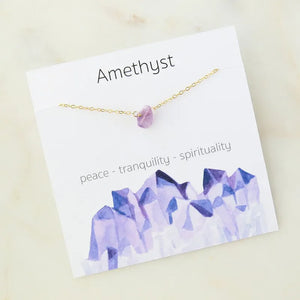
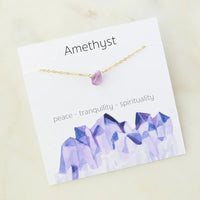
Looking for costume jewelry built to hold up to everyday wear without the guesswork?
Shop the Elemental Stone Charms NecklaceShop This Guide
- Elemental Stone Charms Necklace — 18K Gold Plated
- Shop All AJLuxe Jewelry
- How to Clean Tarnished Jewelry (Every Metal Type)
- How to Clean Jewelry at Home: Gold, Silver & Gemstone Guide
Written by the AJLuxe team, jewelry care specialists focused on helping you keep everyday fashion jewelry looking its best. Last updated: July 2026.
More Jewelry Care Guides
See the general troubleshooting guide, or browse care instructions for other jewelry materials:
- How to Clean Tarnished Jewelry (Sterling Silver, Gold-Plated, Steel & More)
- How to Clean Jewelry With Diamonds: A Complete Care Guide
- How to Clean Stainless Steel Jewelry: Safe Methods
- How to Clean Copper Jewelry: Patina, Verdigris & DIY Methods
- How to Clean Brass Jewelry: DIY Methods That Actually Work
- How to Clean Jewelry With Baking Soda (Step-by-Step)
- How to Clean Rose Gold Jewelry: Solid vs. Plated Care Guide
- How to Clean Moissanite Jewelry (Complete Care Guide)
- How to Clean Titanium Jewelry (It Barely Needs It)
Alle Marken, Markennamen und Produktnamen Dritter sind Eigentum ihrer jeweiligen Inhaber. AJLuxe steht in keiner Verbindung zu den in diesem Artikel genannten Marken Dritter und wird von diesen weder unterstützt noch gesponsert. Markennamen werden ausschließlich zur sachlichen vergleichenden Bezugnahme verwendet; Materialangaben entsprechen den eigenen veröffentlichten Produktangaben der jeweiligen Marke zum Zeitpunkt der Erstellung.
You Might Also Like
The piece they're describing → Stein-Charms-Halskette für Damen — 18K vergoldet, Charms aus Natursteinen
Personalize Yours


