


Sie kennen die Warnung sicher schon: billige „Diamant“-Ohrringe, die nach einem Sommer die Ohren grün färben. Wenn Sie also mit dem Gedanken an Zirkonia-Ohrstecker liebäugeln, ist es berechtigt zu fragen, ob dasselbe auf Sie wartet. Die kurze Antwort lautet: Nein — Zirkonia wird nicht grün, und zu verstehen, warum genau, räumt mit einem der häufigsten Mythen bei Modeschmuck und Feinschmuck gleichermaßen auf.

Wird Zirkonia grün?
Zirkonia ist ein im Labor gezüchteter Kristall aus Zirkoniumdioxid. Er ist chemisch stabil, das heißt, er reagiert nicht mit Luft, Wasser, Schweiß oder Hautfetten. Es gibt keinen chemischen Weg, auf dem sich der Stein selbst verfärben, anlaufen oder grün werden könnte.
Woher kommt das Grün also? Fast immer vom Metall unter oder um den Stein, nicht vom Stein selbst. Käufer geben dem Zirkonia die Schuld, weil es der Teil ist, den sie bemerken, aber der Stein ist nur ein unschuldiger Zuschauer in einer Fassung, die die eigentliche Reaktion verursacht.
Die wahre Ursache: Kupfercarbonat, nicht der Stein
Hier ist der Teil, den kaum jemand klar erklärt: Grüne Flecken auf Schmuck kommen von Kupfer. Viele Schmucklegierungen — auch billige Basismetalle und sogar Sterlingsilber — enthalten Kupfer, das dem Hauptmetall für mehr Festigkeit und Haltbarkeit beigemischt wird.
Wenn Kupfer über längere Zeit mit Schweiß, Sauerstoff oder Feuchtigkeit in Kontakt kommt, bildet sich eine Verbindung namens Kupfercarbonat, auch bekannt als Grünspan. Das ist dieselbe grünlich-blaue Schicht, die man auf alten Pfennigmünzen, verwitterten Kupferdächern und der Freiheitsstatue sieht. Laut RSC Education korrodiert Kupfer in Gegenwart von Feuchtigkeit und Kohlendioxid und erzeugt diese charakteristische grün-blaue Patina.
Der natürliche pH-Wert Ihrer Haut, Schweißsalze und sogar Rückstände von Lotion oder Parfüm können diese Reaktion beschleunigen. Deshalb tritt das Grün im Sommer, beim Sport oder bei Menschen mit eher saurer Hautchemie schneller auf — es ist ein chemisches Problem, kein Qualitätsurteil über Sie oder den Schmuck.
Warum auch Sterlingsilber Kupfer enthält
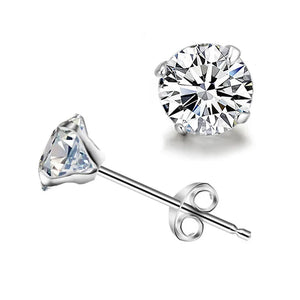
Das ist das entscheidende Detail, wenn Sie über AJLuxes Sterlingsilber-Zirkonia-Ohrstecker nachdenken. Sterlingsilber trägt den Stempel 925, weil es zu 92,5 % aus reinem Silber besteht — die restlichen 7,5 % sind fast immer Kupfer. Reines Silber ist zu weich, um in Schmuck seine Form zu halten, deshalb wird Kupfer zur Festigkeit hinzugefügt.
Das bedeutet, dass Sterlingsilber technisch dasselbe Kupfer enthält, das bei billigeren Legierungen grüne Flecken verursacht. Warum färbt dann nicht jeder Sterlingsilberschmuck die Haut grün? Zwei Gründe: Der Kupferanteil ist gering, und hochwertige Stücke tragen zusätzlich eine schützende Schicht.
Rhodiumbeschichtung und 18-Karat-Goldplattierung liegen beide über der Sterlingsilber-Basis und blockieren physisch, dass dieses Kupfer je mit Ihrer Haut oder Ihrem Schweiß in Kontakt kommt. Solange die Plattierung intakt bleibt, bekommt das darunterliegende Kupfer nie die Chance zu reagieren. Genau deshalb bietet AJLuxe bei seinen Sterlingsilber-Zirkonia-Ohrsteckern die Wahl zwischen Rhodium- und 18-Karat-Goldplattierung an — das ist kein Dekor, sondern funktionaler Schutz.
Zirkonia vs. Sterlingsilber vs. vergoldet vs. massives Gold: Was tatsächlich grün werden kann
Es hilft, die verschiedenen Materialien nebeneinander zu betrachten, denn die Frage „wird es grün“ hat je nach Schmuckteil eine andere Antwort.
| Material | Kann es grün werden? | Warum |
|---|---|---|
| Zirkonia (der Stein) | Nein | Chemisch inertes Zirkoniumdioxid; keine reaktiven Verbindungen |
| Sterlingsilber (925, unbeschichtet) | Selten grün, kann schwarz anlaufen | 7,5 % Kupfer kann bei starkem Schweißkontakt grün werden; reagiert häufiger mit Schwefel zu schwarzem Silbersulfid |
| Rhodiniertes Sterlingsilber | Nein, solange die Beschichtung intakt ist | Die Rhodiumschicht verhindert Hautkontakt mit dem Kupfer |
| 18-Karat-vergoldetes Sterlingsilber | Nur wenn die Plattierung durchgetragen ist | Die Goldschicht schützt die Kupferbasis; dünne oder abgenutzte Plattierung kann sie mit der Zeit freilegen |
| Massives 14–18-Karat-Gold | Sehr selten | Höherer Goldanteil bedeutet weniger reaktives Legierungsmetall an der Oberfläche |
| Billiges Basismetall (Modeschmuck) | Ja, häufig | Hoher Kupfer- oder Messinganteil ohne Schutzschicht, oder bereits abgetragene Plattierung |
Färbt ein Diamantring jemals den Finger grün? Dieselbe Regel gilt
Manche Leute sehen grüne Flecken als Beweis dafür, dass Zirkonia „unecht“ oder dem Diamanten unterlegen ist. Zur Klarstellung: Diamant besteht aus reinem Kohlenstoff und ist, wie Zirkonia, chemisch inert. Ein Diamant hat noch nie jemandem den Finger grün gefärbt.
Aber Diamantringe hinterlassen manchmal grüne Spuren — und wenn das passiert, ist die Ursache genau dieselbe. Das Metallband oder die Krallen enthalten Kupfer, dieses Kupfer reagiert mit Schweiß, und dem Stein wird etwas angelastet, womit er nichts zu tun hat. Egal ob Sie Diamant oder Zirkonia tragen — der Stein ist nie die Quelle der grünen Verfärbung. Es ist immer die Fassung.
Nickelallergie vs. grüne Verfärbung: Zwei verschiedene Probleme
Es ist verlockend, jede Hautreaktion auf Schmuck in einen Topf zu werfen, aber grüne Verfärbung und Nickelallergie sind nicht dasselbe. Grüne Verfärbung ist eine chemische Reaktion — Kupfer plus Feuchtigkeit ergibt Kupfercarbonat, und das passiert irgendwann jedem, wenn der Kontakt stark genug ist.
Eine Nickelallergie ist eine Immunreaktion. Ihr Körper behandelt Nickel als Reizstoff und reagiert mit Rötung, Juckreiz, Pusteln oder Ausschlag — das ist eine Kontaktdermatitis, und sie betrifft nur Menschen, die auf Nickel empfindlich reagieren. Die American Academy of Dermatology weist darauf hin, dass Nickel das häufigste Kontaktallergen bei Metallen ist und einen erheblichen Teil der Bevölkerung betrifft. Mehr dazu bei der American Academy of Dermatology.
Wenn Ihre Haut juckt, gerötet oder gereizt ist (nicht nur verfärbt), ist das eher eine Allergiefrage als eine Frage der grünen Verfärbung. Unser Leitfaden zu hypoallergenem Schmuck zeigt, welche Metalle Sie meiden sollten und warum — das ist eine separate Frage von der hier besprochenen Kupferchemie.
Ist die grüne Verfärbung schädlich?
Nein. Kupfercarbonat ist ein kosmetischer Fleck, keine gesundheitliche Gefahr. Er lässt sich mit gewöhnlicher Seife und Wasser abwaschen und dringt weder in den Körper ein noch verursacht er bleibenden Schaden.
Denken Sie daran wie an einen grünen Fleck durch ein Kupferarmband oder eine alte Münze in der Hosentasche — lästig, vorübergehend und völlig harmlos. Wenn Sie zusätzlich zur Verfärbung Rötung, Schwellung oder Juckreiz bemerken, ist das ein separates Signal, das Aufmerksamkeit verdient, da es eher auf eine Metallempfindlichkeit als auf einen einfachen chemischen Fleck hindeutet.
Läuft Zirkonia an? Läuft vergoldetes Zirkonia an?
Der Stein selbst läuft niemals an — Anlaufen ist ein Metallphänomen, und Zirkonia ist ein Mineralkristall, kein Metall. Anlaufen, Oxidation, Verfärbung und Patina beschreiben leicht unterschiedliche Dinge, und diese zu verwechseln ist oft der Ursprung der Verwirrung.
- Anlaufen ist eine Trübung oder Dunkelfärbung von Metall, meist durch eine Reaktion mit Schwefel in der Luft (das lässt unbeschichtetes Silber schwarz werden).
- Oxidation ist eine allgemeinere chemische Reaktion mit Sauerstoff, die auch Teil der Kupfercarbonat-Bildung ist.
- Verfärbung ist der allgemeine Begriff für jede unerwünschte Farbveränderung, ob durch Anlaufen, Oxidation oder Rückstände.
- Patina wird oft für eine natürlich gealterte Oberflächenoptik verwendet, manchmal sogar absichtlich bei handwerklichen Metallarbeiten.
Vergoldeter Zirkonia-Schmuck kann irgendwann Verfärbungen zeigen, wenn die Plattierung so dünn wird, dass das Basismetall darunter freiliegt. Dickere Plattierung und höherkarätige Goldschichten widerstehen dem länger. Rhodiumbeschichtung verhält sich ähnlich — sie ist eine Schutzschicht, die sich mit der Zeit abnutzt und je nach Tragehäufigkeit und Pflege meist alle sechs Monate bis zwei Jahre erneuert werden muss.
Warum die Fassung genauso wichtig ist wie der Stein
Nicht jeder Zirkonia-Schmuck ist gleich gefertigt, und die Konstruktion der Fassung beeinflusst sowohl die Haltbarkeit als auch den sicheren Sitz des Steins. Billige Fast-Fashion-Stücke kleben Zirkonia oft in eine Basismetallfassung, um Kosten zu sparen, und geklebte Steine können sich lockern, matt werden oder Feuchtigkeit und Rückstände gegen das Basismetall einschließen, was jede darunterliegende Metallreaktion beschleunigen kann.
Eine Krallenfassung hält den Stein mechanisch, mit kleinen Metallkrallen statt Kleber. AJLuxes Sterlingsilber-Zirkonia-Ohrstecker verwenden eine Vierkrallenfassung, die den Stein sicher hält, mehr Licht für besseren Glanz an den Stein lässt und die feuchtigkeitsbedingten Probleme geklebter Konstruktionen vermeidet. Es ist ein unauffälliges Qualitätsmerkmal, das man leicht übersieht, aber bei jedem Zirkonia-Stück prüfen sollte.

Wie lange hält Zirkonia-Schmuck?
Der Stein selbst hält unbegrenzt. Zirkonia liegt bei 8 bis 8,5 auf der Mohshärteskala, wodurch er alltäglichen Kratzern gut standhält, auch wenn er weicher als der Diamant mit 10 ist. Bei normaler Pflege verschlechtert sich der Kristall nicht, trübt nicht ein und verändert nicht von selbst seine Farbe.
Die eigentliche Frage der Lebensdauer betrifft das Metall, nicht den Stein. Rhodium- und Goldplattierung sind der begrenzende Faktor, da sie sich durch Reibung, Feuchtigkeit und Produktkontakt über Monate regelmäßigen Tragens abnutzen. Das ist der ehrliche Kompromiss bei plattiertem Schmuck: Der Stein ist im Grunde dauerhaft, während die Plattierung gelegentlich aufgefrischt werden muss, um bestmöglich auszusehen.
Wird Zirkonia im Wasser grün?
Klares Wasser schadet Zirkonia nicht und verursacht für sich genommen keine grüne Verfärbung. Der Stein bleibt von Wasser unberührt, und ein kurzes Abspülen schadet auch der Fassung nicht.
Gechlortes Poolwasser und mineralreiches hartes Wasser sind eine andere Sache. Chlor kann Metallreaktionen bei Basismetallen beschleunigen und die Plattierung schneller abnutzen, während hartes Wasser oft einen mineralischen Film hinterlässt, der den Glanz des Steins mit der Zeit trübt. Es ist eine gute Angewohnheit, Ohrringe vor dem Schwimmen, vor dem Duschen mit stark aufbereitetem Wasser oder vor dem Whirlpool abzunehmen.
Verliert Zirkonia mit der Zeit seinen Glanz oder wird trüb?
Er kann mit der Zeit trüber wirken, aber das ist kein „Altern“ des Steins — es sind Rückstände und Mikrokratzer. Lotion, Seife, Haarspray und natürliche Hautfette lagern sich auf der Steinoberfläche ab und trüben die reflektierenden Facetten.
Da Zirkonia weicher als Diamant ist, kann er über Jahre des Tragens auch winzige Kratzer durch Kontakt mit härteren Materialien bekommen, die Licht streuen statt es klar zu reflektieren. Regelmäßige sanfte Reinigung beugt den meisten dieser Ablagerungen vor, bevor sie auffallen.
So reinigen und pflegen Sie Zirkonia-Schmuck
Gute Pflege ist einfach und dauert nur wenige Minuten. Befolgen Sie diese Schritte, damit Ihre Zirkonia-Ohrstecker bestmöglich aussehen:
- Sanft mit milder Seife und warmem Wasser waschen, mit einem weichen Tuch oder einer weichen Bürste auch um die Krallen herum.
- Vor dem Verstauen gründlich trocknen — zurückbleibende Feuchtigkeit auf dem Metall begünstigt die Bildung von Kupfercarbonat.
- Bei geklebten Fassungen auf Ultraschallreiniger verzichten, da Vibrationen geklebte Steine lockern können.
- Chlor, scharfe Haushaltschemikalien und Scheuermittel bei plattierten Stücken vermeiden, da diese die Schutzschicht schneller abtragen.
- Trocken und luftdicht in einem Beutel oder Schmuckkästchen fern von Feuchtigkeit aufbewahren, wenn Sie den Schmuck nicht tragen.
- Ohrringe vor dem Schwimmen, vor dem Auftragen von Lotion oder Parfüm, vor dem Schlafen und vor dem Sport abnehmen, um Feuchtigkeits- und Produktkontakt zu begrenzen.
Ein bisschen Routinepflege trägt viel dazu bei, sowohl die Plattierung als auch den Glanz länger zu erhalten.
Fragen Sie sich, wie Zirkonia im Vergleich zu einer weiteren beliebten Diamant-Alternative abschneidet? Unser Vergleich Zirkonia vs. weißer Saphir bietet eine vollständige Aufschlüsselung von Härte, Preis und Glanz.
Häufig gestellte Fragen
Wird Zirkonia grün?
Nein. Zirkonia ist chemisch inertes Zirkoniumdioxid und kann von selbst nicht grün werden. Jegliches Grün stammt von der Metallfassung.
Wird Zirkonia irgendwann grün?
Der Stein wird es unter keinen Tragebedingungen. Wenn Grün auftritt, stammt es von Kupfer in der Metallfassung, das mit Schweiß oder Feuchtigkeit reagiert, nicht vom Zirkonia selbst.
Kann Zirkonia den Finger grün färben?
Der Stein kann es nicht, aber eine Basismetall- oder abgenutzte plattierte Fassung darunter kann es. Kupfer im Metall reagiert mit Schweiß zu Kupfercarbonat, was die grüne Färbung verursacht.
Ist die grüne Verfärbung schädlich für die Haut?
Nein. Kupfercarbonat-Verfärbung ist kosmetisch und lässt sich mit Seife und Wasser abwaschen. Sie stellt kein Gesundheitsrisiko dar, auch wenn Rötung oder Juckreiz zusammen mit der Verfärbung auf eine separate Metallallergie hindeuten können.
Läuft Zirkonia an?
Nein, der Stein läuft nicht an, da Anlaufen eine Metallreaktion ist, keine mineralische. Metallfassungen, einschließlich Sterlingsilber, können je nach Legierung und Plattierung anlaufen oder sich verfärben.
Läuft vergoldetes Zirkonia an?
Das kann passieren, wenn die Goldplattierung so dünn wird, dass das Basismetall darunter freiliegt. Dickere, höherkarätige Plattierung widersteht dem länger.
Wie lange hält Zirkonia-Schmuck?
Der Stein selbst hält bei normaler Pflege unbegrenzt. Die Metallfassung oder Plattierung ist der eigentliche begrenzende Faktor und muss bei regelmäßigem Tragen meist alle sechs Monate bis zwei Jahre erneuert werden.
Wie reinige ich angelaufenen Zirkonia-Schmuck?
Verwenden Sie milde Seife, warmes Wasser und ein weiches Tuch, trocknen Sie dann gründlich vor dem Verstauen. Vermeiden Sie Ultraschallreiniger bei geklebten Steinen und scharfe Chemikalien bei plattierten Stücken.
Warum färbt mein Ring oder Schmuck den Finger grün?
Kupfer in der Metalllegierung reagiert mit Schweiß, Sauerstoff und Feuchtigkeit auf Ihrer Haut zu Kupfercarbonat. Es ist eine chemische Reaktion, die mit dem Metall zusammenhängt, nicht mit dem Edelstein.
Wird Zirkonia im Wasser grün?
Klares Wasser verursacht keine grüne Verfärbung. Gechlortes oder mineralreiches Wasser kann Metallreaktionen beschleunigen und den Glanz des Steins trüben, daher ist es am besten, Schmuck vor dem Schwimmen abzunehmen.
Verliert Zirkonia mit der Zeit seinen Glanz oder wird trüb?
Er kann durch Lotion-, Seifen- und Fettrückstände sowie kleine Oberflächenkratzer trüber wirken, da Zirkonia weicher als Diamant ist. Regelmäßige sanfte Reinigung hält ihn glänzend.
Fazit
Zirkonia wird nicht grün — Punkt. Der Mythos stammt von Kupfer in Metallfassungen, nicht vom Stein, und jetzt wissen Sie genau, warum und wie Sie es verhindern können. Ein Stück mit hochwertiger Plattierung und einer sicheren Krallenfassung zu wählen, löst das Problem, bevor es entsteht.
AJLuxes Sterlingsilber-Zirkonia-Ohrstecker sind genau darauf ausgelegt — 925er Sterlingsilber, Ihre Wahl zwischen Rhodium- oder 18-Karat-Goldplattierung, und eine sichere Vierkrallenfassung, die den brillantgeschliffenen Zirkonia schützt und Ihre Haut absichert. Mit grundlegender Pflege bleiben sie über Jahre strahlend.
Zuletzt aktualisiert: Juli 2026
Verfasst vom AJLuxe-Team — Spezialisten für personalisierten Sterlingsilberschmuck.
Alle Marken, Markennamen und Produktnamen Dritter sind Eigentum ihrer jeweiligen Inhaber. AJLuxe steht in keiner Verbindung zu den in diesem Artikel genannten Marken Dritter und wird von diesen weder unterstützt noch gesponsert. Markennamen werden ausschließlich zur sachlichen vergleichenden Bezugnahme verwendet; Materialangaben entsprechen den eigenen veröffentlichten Produktangaben der jeweiligen Marke zum Zeitpunkt der Erstellung.
You Might Also Like
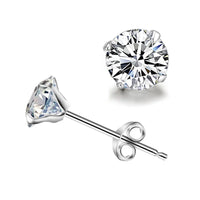
The piece they're describing → CZ Ohrstecker für Damen — 925 Sterling Silber, Zirkonia, Hypoallergen
Personalize Yours


