


"Where to buy affordable jewelry" turns up the same Reddit threads and roundup posts no matter which word you search — affordable, cheap, or inexpensive. That's because Google treats them as one question, and so should you: the real decision isn't between price tiers, it's between jewelry with a stated, checkable base metal and jewelry that hides behind vague marketing copy. Below is what actually separates the two, where the honest options are, and how to check a brand before you order.
What Actually Separates Good-Quality Affordable Jewelry From Junk
The single biggest differentiator between good affordable jewelry and junk is material honesty — specifically, whether the base metal is named and whether the gold layer meets a real thickness standard, not just how much the piece costs. The U.S. Federal Trade Commission's Jewelry Guides (16 CFR Part 23) set a legal minimum for the term "gold vermeil": the base must be sterling silver, the gold must be at least 10-karat purity, and the gold layer must measure at least 2.5 microns thick. Standard gold plating, by contrast, has no legal minimum thickness at all — most cheap plated jewelry runs 0.175 to 0.5 microns, thin enough to wear through in weeks of daily contact with skin, lotion, and water.
That gap is why two $35 necklaces can behave completely differently. One, built on a named sterling silver or stainless steel base with 1–2.5+ microns of plating, holds its color for one to several years of normal wear. The other, built on an unnamed "gold alloy" or "gold-tone metal" base with flash plating under 0.5 microns, can start showing brassy or greenish base metal within a month — and because base metal alloys often contain nickel, that piece is also the more likely one to cause a skin reaction. When you're comparing "affordable" options, the question to ask isn't "how much is it," it's "what's underneath the gold, and how thick is the gold." Brands that answer that question plainly — on the product page, not buried in a FAQ — are the ones worth trusting with your money.
Who Has the Best Affordable Jewelry?
There isn't one single "best" affordable jewelry brand — the strongest options split by what they get right. For waterproof, everyday-wear pieces with a specific, checkable materials claim, we found ATOLEA's plated stainless-steel line held up well in our full ATOLEA jewelry review. For dainty, minimalist gold-plated pieces at a lower price point, James Michelle is a common comparison point, though its materials disclosure is thinner than ATOLEA's. The pattern across every brand worth recommending is the same: they publish their base metal and plating details somewhere a shopper can actually find them before checkout, rather than only in response to a support ticket.
Where to Buy Cheap Jewelry Without It Looking Cheap
The best places to buy cheap jewelry that doesn't look cheap are direct-to-consumer brands that build on a real metal base rather than a costume-jewelry alloy. "Cheap quality jewelry" and "cheap jewelry that doesn't look cheap" sound like opposite requests, but they're answered the same way: prioritize construction over price. A $79.99 piece with 925 sterling silver underneath heavy plating photographs and wears identically to a $300 demi-fine piece for most day-to-day purposes — the tell isn't visible to the eye, it's in how the metal holds up after six months. Linjer built a reputation on exactly this pitch — accessible pricing on a minimalist, fine-jewelry-adjacent build — which is the model worth shopping for over a big-box costume counter, where "cheap" usually does mean disposable within a season.
Fast-fashion and mall costume counters aren't automatically bad for genuinely disposable pieces — a $5 trend ring you'll wear twice doesn't need a stated base metal. The mistake is paying $40–$60 at those same counters expecting demi-fine durability you're not actually getting. If you're spending real money, spend it where the metal is named.
Where's the Cheapest Place to Buy Jewelry?
The cheapest place to buy jewelry, in raw dollar terms, is usually a marketplace reseller (Amazon, Temu, AliExpress) or a mall costume counter — but "cheapest" and "cheapest way to actually get good jewelry" are different questions. Marketplace pricing wins on the sticker but loses on consistency: the same listing can ship from different factories batch to batch, so the piece you receive may not match the reviews you read. The cheapest way to reliably buy jewelry that still holds up is to buy fewer, better pieces directly from a brand that states its materials — a $30 sterling-silver-based piece that lasts three years works out cheaper per year of wear than three $12 marketplace pieces that tarnish in a month each, even though the marketplace option looks cheaper at checkout.
How to Check if a Cheap Jewelry Site Is Legit Before You Buy
Check five things before ordering from any jewelry site you haven't used before: a stated return window, a physical or registered business address (not just an email form), reviews visible on more than one platform (Trustpilot, Reddit, BBB — not only the site's own testimonials), a named base metal and plating spec on the product page, and a secure checkout (HTTPS, a recognizable payment processor). None of these guarantee a great experience, but a site missing three or more of them is a real yellow flag worth pausing on. We apply this exact checklist brand-by-brand in pieces like our John and Mary Jewelry legitimacy check — the goal isn't a verdict of "scam" or "safe," it's giving you the same checklist a careful shopper would run themselves.
What Is the 2:1:1 Rule in Jewelry?
The 2:1:1 rule is a jewelry-styling guideline, not a buying rule — it means building an outfit's jewelry around two statement pieces, one medium piece, and lightweight supporting pieces (thin chains, small studs, slim stacking bands), rather than piling on several bold items that compete for attention. It's a real, commonly cited layering framework used by stylists to keep a mixed-metal or stacked look balanced instead of cluttered.
It's genuinely useful for an affordable-jewelry budget, too: the rule implies you don't need every piece to be your most expensive one. Your one or two statement pieces are worth spending more on and choosing carefully for materials — that's where a sterling-silver-and-real-gold-plating piece earns its price. Your supporting pieces (thin layering chains, small studs) carry less visual weight and less skin contact time, so a lower-cost piece in that role is a reasonable place to save, as long as it's still nickel-free if you have sensitive skin.
What Is a Good Website for Buying Cheap Jewelry?
A good website for buying cheap jewelry is one that discloses its materials on the product page, ships with a stated return window, and has reviews you can verify outside the site itself. That description fits most direct-to-consumer sterling-silver or stainless-steel brands in the $25–$90 range — AJLuxe included — more consistently than it fits open marketplaces, where the "website" is really thousands of individual third-party sellers with no shared quality standard. If a site's product pages don't mention what the jewelry is made of at all, that's the fastest single signal to shop elsewhere, regardless of how good the photos look.

Affordable Jewelry Comparison: What "Cheap" Actually Buys You
Same price range, very different materials once you look past the marketing copy.
| Category | Typical Fast-Fashion "Cheap" Jewelry | AJLuxe |
|---|---|---|
| Base metal | Usually unnamed "gold alloy" or "gold-tone metal," often zinc or brass | 925 sterling silver, stated on every product page |
| Gold layer | Typically unspecified; industry-wide flash plating commonly under 0.5 microns | 18K gold plating over sterling silver |
| Price range | $5–$40 typical | $24.99–$79.99 |
| Hypoallergenic | Rarely stated; base-metal alloys commonly contain nickel | Yes, hypoallergenic and nickel-free by default |
| Expected plating life | Weeks to a few months with regular wear | 1–3+ years with normal care, per standard plating-thickness guidance |
| Return policy transparency | Varies widely by seller; marketplace listings often have none | Standard stated return window on every order |
None of this means every low-cost brand is dishonest, and it doesn't mean every expensive piece is well-made. It means the price tag alone tells you almost nothing — the base metal and plating disclosure does.
Frequently Asked Questions
Who has the best affordable jewelry?
There's no single "best," but the strongest affordable options are direct-to-consumer brands that publish a specific base metal and plating claim rather than vague "premium quality" language — examples include AJLuxe (925 sterling silver, 18K plating), ATOLEA (PVD-plated stainless steel), and similar brands reviewed on this site.
Where can I get cheap quality jewelry?
Cheap and quality aren't mutually exclusive if you shop by materials instead of price alone. Direct-to-consumer brands selling sterling-silver or stainless-steel jewelry with a stated plating thickness in the $25–$90 range consistently outperform costume-counter or unverified marketplace listings at similar or even higher prices.
Where's the cheapest place to buy jewelry?
In sticker-price terms, marketplace resellers and mall costume counters are usually cheapest, but consistency varies by seller and batch. The cheapest way to buy jewelry that actually lasts is to buy fewer, better pieces from a brand with a named base metal — the cost per year of wear is often lower than repeatedly replacing marketplace pieces that tarnish quickly.
What is a good website for buying cheap jewelry?
A good website states its materials on the product page, has a clear return window, and has reviews verifiable on more than one platform. Most direct-to-consumer sterling-silver or stainless-steel brands in the $25–$90 range meet that bar more reliably than open marketplaces, where quality control varies seller to seller.
What is the 2:1:1 rule in jewelry?
The 2:1:1 rule is a styling guideline for layering multiple pieces without looking cluttered: two statement pieces, one medium piece, and lightweight supporting pieces like thin chains or small studs. It's also a useful budgeting framework — spend more on your one or two statement pieces and save on low-visual-weight supporting pieces.
Final Thoughts
"Affordable," "cheap," and "inexpensive" jewelry are really the same search with three different words attached, and the honest answer is the same regardless of which one you typed: price alone doesn't predict quality, but a named base metal and a real plating-thickness claim reliably do. Buy from a brand that tells you what's underneath the gold — 925 sterling silver, 316L stainless steel, or otherwise — and you're buying affordable jewelry that holds up, not jewelry that just looks affordable in photos.
Want affordable jewelry with the materials stated plainly — 925 sterling silver, 18K gold plating, no guessing?
Shop the Good Luck Pendant AnkletShop This Guide
- Good Luck Square Pendant Anklet — 925 Sterling Silver, 18K Gold Plated
- Shop All Affordable Jewelry
- ATOLEA Jewelry Review
- James Michelle Jewelry Review
- Linjer Jewelry Review
- Is John and Mary Jewelry Legit?
Written by the AJLuxe team, jewelry care specialists focused on helping you buy jewelry that holds up. Plating-thickness and vermeil standards are drawn from the U.S. FTC's Jewelry Guides (16 CFR Part 23); brand-specific claims are drawn from each brand's own published materials, checked August 2026. This guide is independent and not affiliated with, endorsed by, or sponsored by any brand named above. Last updated: August 2026.
Toutes les marques, noms de marque et noms de produits tiers sont la propriété de leurs détenteurs respectifs. AJLuxe n’est affilié à aucune marque tierce citée dans cet article, ni approuvé ou sponsorisé par celle-ci. Les noms de marque sont utilisés uniquement à des fins de comparaison factuelle, et les descriptions de matériaux reflètent les spécifications produit publiées par chaque marque au moment de la rédaction.
You Might Also Like
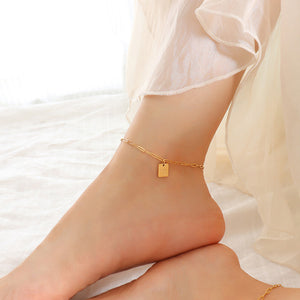
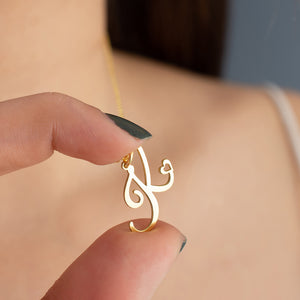
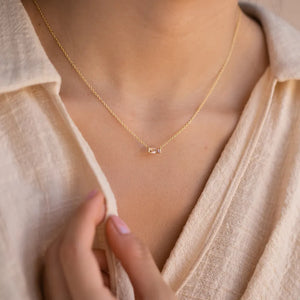
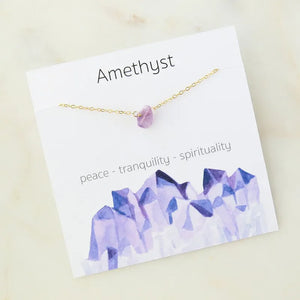
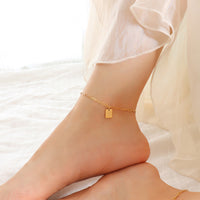
The piece they're describing → Bracelet de cheville porte-bonheur pour femme — Plaqué or 18 carats, pendentif carré, bijoux de plage
Personalize Yours


