


TL;DR — What "Waterproof Jewelry" Really Means
- No fine metal is truly "waterproof" forever — but some shrug off water far better than others. The real ranking is solid gold & platinum > titanium & quality stainless steel > PVD 18K gold-plated > gold vermeil > sterling silver > brass/copper.
- Showering occasionally in solid gold, titanium, steel or quality PVD-plated pieces is fine. Swimming (especially chlorine pools and salt ocean) is what actually shortens a piece's life.
- The enemies aren't just water — they're chlorine, salt, sweat, soap film and friction. Rinse and dry your jewelry after water and it lasts dramatically longer.
- "Waterproof" and "anti-tarnish" are marketing terms, not legal standards. Always read what the brand actually means.
"Can I shower in this?" is one of the most common questions shoppers ask before buying a necklace or pair of earrings — and for good reason. Nobody wants to take jewelry on and off five times a day, and nobody wants a $40 chain to turn dull after one beach trip. The term waterproof jewelry has exploded across jewelry brands, but it's used loosely, and what's safe in the shower isn't always safe in a chlorinated pool or the ocean.
This guide cuts through the marketing. We'll rank every common jewelry metal by how it actually handles water, break down what happens in the shower vs. the pool vs. the sea, and give you a simple care routine that keeps your favorite pieces looking new for years.
Quick answer: There is no jewelry that is 100% waterproof for life. Solid gold (10K–18K), platinum, titanium and high-grade stainless steel are the most water-resistant and can handle daily showers and even occasional swimming. PVD 18K gold-plated pieces are next best for everyday wear. Gold vermeil, gold-filled and sterling silver tolerate water but last longest if you keep them out of pools and the ocean. Brass and plated brass should stay dry.
What "Waterproof Jewelry" Actually Means
Strictly speaking, "waterproof" should mean water can't damage the item at all. Almost no jewelry meets that bar over a lifetime, because two things happen when metal meets water:
- Corrosion / tarnish: Water carrying oxygen, salt, chlorine or sulfur reacts with the metal's surface. Silver tarnishes (turns gray-black); copper and brass oxidize green; even gold plating can be undermined from the edges.
- Finish wear: Plated and coated jewelry has a thin precious-metal layer over a base metal. Water itself is gentle, but repeated wet-dry cycles plus friction, soap and salt slowly erode that layer until the base shows through.
So a smarter phrase than "waterproof" is water-resistant for everyday life: it survives sweat, hand-washing, rain and the occasional shower without changing. That's an achievable, honest standard — and it's the one good brands actually mean.
According to the metals education resources from the Jewelers of America, the karat and alloy of a piece — not just its color — determine how it holds up to moisture and daily wear. That's why a solid 14K gold chain behaves completely differently from a gold-plated one, even when they look identical.

Waterproof Ranking: Every Common Jewelry Metal
Here's how the materials you'll actually find in a jewelry shop stack up, from most to least water-resistant.
| Material | Water resistance | Shower? | Pool / Ocean? | Why |
|---|---|---|---|---|
| Solid gold (10K–18K) | Excellent | Yes | Occasionally | Gold doesn't rust or tarnish; alloy metals can dull slightly in chlorine. |
| Platinum | Excellent | Yes | Yes | Extremely stable, doesn't corrode. |
| Titanium | Excellent | Yes | Yes | Forms a protective oxide layer; resists salt water. |
| Stainless steel (316L) | Very good | Yes | Yes (rinse after) | Corrosion-resistant; can spot in harsh salt over time. |
| PVD 18K gold-plated | Very good | Yes | Avoid prolonged | PVD bonds the color far harder than standard plating; everyday-waterproof. |
| Gold vermeil | Good | Brief only | No | Thick gold over silver; water speeds wear at clasps and edges. |
| Gold-filled | Good | Brief only | No | Thick bonded layer lasts years if kept out of pools/ocean. |
| Sterling silver (925) | Fair | Not ideal | No | Won't rust but tarnishes faster with moisture, sweat and chlorine. |
| Standard gold-plated / brass | Poor | No | No | Thin plating wears quickly; brass oxidizes and can turn skin green. |
| Copper | Poor | No | No | Oxidizes on contact with moisture and oxygen, forming a green patina — the same reaction responsible for turning skin green. One of the least water-resistant common jewelry metals. |
Can You Shower With Jewelry?
Showering is the gentlest water exposure because tap water is mostly free of salt and chlorine. The bigger problem in the shower is soap and shampoo, which leave a dulling film and can collect in chains and settings.
- Safe to shower in: solid gold, platinum, titanium, 316L stainless steel, and quality PVD 18K gold-plated pieces.
- Shower briefly if you must, but not daily: gold vermeil, gold-filled, sterling silver.
- Take off first: standard thin-plated, brass, costume jewelry, and anything with glued-in stones or pearls.
Even with shower-safe metals, the habit that matters most is drying the piece afterward with a soft cloth so water doesn't sit in clasps and crevices.

Swimming: Pools and the Ocean Are the Real Test
Pools and the ocean are tougher on jewelry than a quick shower, since chlorine and salt water can dull plating and pit metal over repeated exposure. Plain water is one thing; chemically active water is another.
Chlorine (pools & hot tubs): Chlorine is harsh on alloyed metals. It can react with the copper in gold alloys and the metals mixed into sterling silver, leaving a dull or even discolored surface. Over repeated dips it can also weaken solder joints in older pieces. Titanium and 316L steel handle it best.
Salt water (the ocean): Salt is corrosive and abrasive — and beach sand acts like fine sandpaper on plating. Saltwater is the fastest way to wear through gold plating and vermeil. Solid gold, platinum and titanium survive it; almost everything else suffers.
| Activity | Solid gold / Pt | Titanium / 316L steel | PVD gold-plated | Vermeil / silver |
|---|---|---|---|---|
| Hand-washing & rain | ✅ | ✅ | ✅ | ✅ |
| Sweat / workouts | ✅ | ✅ | ✅ (wipe after) | ⚠️ (wipe after) |
| Daily shower | ✅ | ✅ | ✅ | ⚠️ occasional |
| Chlorine pool | ⚠️ rinse after | ✅ | ⚠️ avoid | ❌ |
| Ocean / salt water | ✅ (rinse after) | ✅ (rinse after) | ❌ | ❌ |
Sweat, Workouts and Everyday Moisture
You don't have to go near a pool to expose jewelry to water. Sweat is slightly acidic and salty, so a hot yoga class or a summer commute is its own mild "swim." Good news: shower-safe metals handle sweat easily. For vermeil and silver, the fix is simple — wipe the piece down with a soft cloth after a workout so salts don't sit on the surface and accelerate tarnish. This is also why pieces worn closest to the skin (rings, snug chains) tend to dull faster than earrings.
Don't Forget the Stones: Gems and Pearls in Water
Even on a waterproof metal, the stones may not be water-friendly. Hard, non-porous stones like diamonds, sapphires, rubies and most quartz are fine with brief water contact. But avoid soaking:
- Pearls and opals — porous and easily damaged or dried out.
- Turquoise, malachite and other soft/porous stones — absorb water and chemicals.
- Glued-in or costume stones — water loosens the adhesive over time.
If a piece mixes a tough metal with a delicate stone, treat it according to the stone, not the metal.
How to Keep Waterproof Jewelry Looking New
- Keep waterproof jewelry looking new by rinsing it with fresh water and drying it thoroughly after any exposure to water. After any pool or ocean exposure, rinse in clean fresh water and pat dry immediately. This single habit prevents most damage.
- Put jewelry on last, take it off first. Apply perfume, lotion, sunscreen and hairspray before jewelry — these chemicals are harder on finishes than water is.
- Clean gently. Warm water, a drop of mild dish soap, and a soft cloth or soft toothbrush. Skip ultrasonic cleaners on plated pieces and porous stones.
- Store dry and separate. Keep pieces in a dry, airtight pouch or lined box. Anti-tarnish strips slow silver oxidation. See our full jewelry storage guide for tangle- and tarnish-proof setups.
- Rotate your daily piece. Constant skin contact and sweat wear plating fastest. Rotating two everyday pieces roughly doubles their life.
How to Choose Genuinely Water-Resistant Jewelry
When a listing says "waterproof," look past the word and check the specifics:
- What's the base? Solid gold, platinum, titanium and 316L steel are inherently water-resistant. For plated pieces, look for PVD coating over 925 sterling silver — that combination is the everyday-waterproof sweet spot at an affordable price.
- Is it nickel-free? Sweat and water can leach nickel from cheap alloys, which matters for sensitive skin. Our nickel-free jewelry guide covers this in depth.
- What's the warranty? Brands confident in their finish offer tarnish or color warranties. That's a stronger signal than the word "waterproof."
At AJLuxe, our everyday pieces are built on 18K gold PVD-plated 925 sterling silver and solid sterling — chosen specifically because they hold their color through real life: hand-washing, sweat, rain and the occasional shower. Browse our sterling silver jewelry, anti-tarnish gold necklaces, skin-friendly hypoallergenic jewelry and minimalist everyday styles made to be worn, not babied. As with any fine jewelry, we still recommend taking it off before the pool or the sea to keep it looking its best for years.
Related reading: Best Sweat-Proof, Waterproof Jewelry (2026): What Actually Survives Gym, Pool, and Beach.
Frequently Asked Questions
What is the best waterproof jewelry?
For true set-and-forget water resistance, solid gold (10K–18K), platinum, titanium and 316L stainless steel are the best. For an affordable everyday option that handles showers, sweat and rain, choose PVD 18K gold-plated 925 sterling silver. The "best" depends on budget and how often the piece actually goes in water.
Which jewelry material is truly waterproof?
No material is 100% waterproof forever, but titanium, platinum and solid gold come closest because they don't rust or tarnish. High-grade 316L stainless steel is also highly water-resistant. These can handle showering and even occasional swimming with a quick rinse afterward.
Can you shower with gold-plated jewelry?
Yes, quality PVD 18K gold-plated jewelry can handle occasional showers without issue. Standard thin gold-plated pieces should stay dry, because soap film and repeated wet-dry cycles wear the thin plating faster. Either way, dry the piece afterward and apply soap and shampoo carefully.
Does sterling silver tarnish in water?
Sterling silver won't rust, but it tarnishes faster with moisture, sweat, chlorine and the sulfur in some water. It's fine for everyday wear, but it isn't ideal for swimming. Rinse, dry and store it in an airtight pouch with an anti-tarnish strip to slow oxidation.
Can you swim in the ocean with jewelry?
Only solid gold, platinum and titanium reliably survive the ocean — and even then you should rinse off the salt afterward. Salt water and sand quickly wear through gold plating, vermeil and gold-filled finishes, and salt accelerates silver tarnish. The safest move is to take jewelry off before the beach.
Is chlorine bad for jewelry?
Yes. Chlorine reacts with the alloy metals in gold and silver, leaving surfaces dull or discolored, and over time can weaken older solder joints. Titanium and 316L stainless steel resist it best. Remove gold-plated, vermeil and silver pieces before getting in a pool or hot tub.
What is PVD coating and is it waterproof?
PVD (physical vapor deposition) bonds the gold color to the base metal at a molecular level, creating a far harder, more durable finish than standard electroplating. PVD 18K gold-plated jewelry is considered everyday-waterproof — great for showers, sweat and rain — though prolonged pool and ocean exposure is still best avoided.
Does waterproof jewelry tarnish over time?
Genuinely water-resistant metals like solid gold, titanium and steel resist tarnish indefinitely. PVD-plated pieces hold their color for years with basic care. The phrase "non-tarnish" usually means highly resistant, not literally impossible — friction, chemicals and salt will eventually affect any plated finish.
How do I test if my jewelry is waterproof?
Check the material first: a hallmark like 14K, 18K, 925, PT or Ti tells you the base metal. If it's plated, look for the word "PVD" and any tarnish or color warranty. When in doubt, expose it briefly to water and dry it — if the color shifts or the surface dulls, keep that piece dry.
Can I wear waterproof jewelry every day?
Yes, waterproof jewelry is designed for daily wear without needing to be removed for showers, sweat, or incidental water contact. PVD gold-plated, solid gold, titanium and steel pieces are designed for 24/7 wear through hand-washing, sweat and rain. To maximize life, rotate two everyday pieces, wipe them down after workouts, and apply lotion and perfume before putting jewelry on.
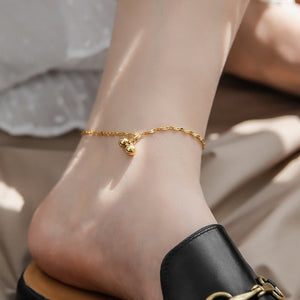
Ready to shop? See our best waterproof jewelry picks for 2026 — real anklets and bracelets ranked by use case (beach, everyday shower wear, and gym/swim), with prices and a full comparison table.
Written by the AJLuxe team — specialists in personalized sterling silver jewelry. Last updated: July 2026.
Toutes les marques, noms de marque et noms de produits tiers sont la propriété de leurs détenteurs respectifs. AJLuxe n’est affilié à aucune marque tierce citée dans cet article, ni approuvé ou sponsorisé par celle-ci. Les noms de marque sont utilisés uniquement à des fins de comparaison factuelle, et les descriptions de matériaux reflètent les spécifications produit publiées par chaque marque au moment de la rédaction.
You Might Also Like
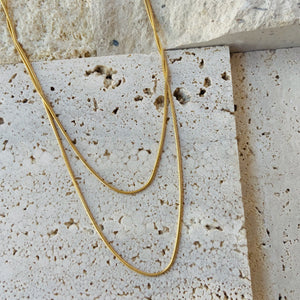
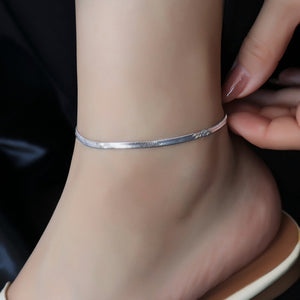

The piece they're describing → Collier Ras du Cou Superposé pour Femme — Plaqué Or 18K, Multi-Rang, Ajustable
Personalize Yours


