


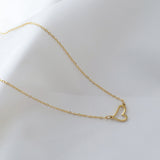
- Ten clasp types cover nearly every necklace on the market: lobster claw, spring ring, toggle, magnetic, box, hook-and-eye, S-hook, barrel, slide/tube, and fishhook (alligator).
- Lobster claw is the industry default because it locks shut with a spring-loaded lever and resists snapping open during normal wear.
- Magnetic clasps are easiest for arthritis or limited hand mobility, but they are not reliable for heavier pendants or crowded spaces.
- Pearl strands almost always use a fishhook (alligator), box, or multi-strand clasp instead of a plain lobster claw.
- Toggle and S-hook clasps double as a visible design detail, not just hardware.
- A clasp is only as strong as the jump ring holding it to the chain — check that connection, not just the clasp itself.
If you have ever had a necklace slip off your neck without you noticing, the clasp was almost certainly the weak link, not the chain. Clasps get far less attention than metal or gemstones when people shop for jewelry, but the closure is what determines whether a piece survives a full day of wear, a workout, or a toddler's grip. Below are the ten clasp types you will actually encounter, in the order you are most likely to see them, followed by a side-by-side comparison and a straight answer on which one to choose.
Lobster Claw Clasp
A lobster claw clasp is a spring-loaded, claw-shaped hook that snaps shut around a small jump ring, and it is the closure used on most necklaces sold today (2026). You open it by pressing a small lever with your thumbnail, which retracts the hinged claw; release it and a spring snaps the claw closed automatically. Because it locks rather than just resting shut, it resists coming open from normal movement, bag straps, or scarves brushing against it. The tradeoff is size: very small lobster clasps (under 6mm) can be fiddly for anyone with reduced hand dexterity or long nails.
Spring Ring Clasp
A spring ring clasp is a small round ring with a tiny lever that retracts an internal spring-loaded gate, and it was the standard closure before lobster claws became dominant. It works on the same locking principle as a lobster claw but in a circular housing, which makes it slightly harder to grip and open one-handed. Spring rings are still common on lighter vintage-style chains and inexpensive costume jewelry because they are cheap to manufacture, but the internal spring is also the first part to wear out and stop snapping fully shut.
Toggle Clasp
A toggle clasp closes by slipping a straight or T-shaped bar through a ring, then turning the bar sideways so it cannot slip back through. It is popular because the bar and ring are often designed as visible, decorative elements rather than hidden hardware, so it doubles as a style statement on chunkier or more casual pieces. If you want that hardware worn as the actual focal point rather than functional clasp, our toggle necklace guide breaks down how that look wears. The catch is that a toggle only stays closed if the bar sits perpendicular to the ring; if the necklace shifts and the bar lines back up with the ring's opening, it can slip through and release, which makes it a weaker choice for a piece you don't want to think about all day.
Magnetic Clasp
A magnetic clasp uses two magnetized metal ends that pull together and hold by magnetic force rather than a mechanical lock. It is the easiest clasp type to operate with one hand, arthritis, or limited fine motor control, since you just bring the two ends close and they snap together on their own. The downside is real: magnetic force alone can be pulled apart by a heavy pendant, a hug, or a crowded room, and magnetic clasps are not recommended for anyone with a pacemaker or other implanted medical device.
Box Clasp
A box clasp closes when a folded metal tab slides into a box-shaped housing and locks in place under spring tension, often backed up by a secondary safety clasp shaped like a figure-8 or oval. It is one of the most secure closures on this list because it relies on two separate mechanisms rather than one, which is exactly why it shows up so often on pearl strands and vintage-style necklaces where a strand failing means scattered beads. Box clasps are usually flatter and sit closer to the neck than a lobster claw, which some wearers prefer for a cleaner look.
Hook-and-Eye Clasp
A hook-and-eye clasp is a simple decorative hook that rests inside a loop, held only by gravity and the shape of the hook, with no spring or lock involved. It is common on layered, minimalist, and handmade necklaces because it is unobtrusive and easy to make in matching metal to the chain. It is also the least secure closure on this list — it can shift open during normal movement — so it works best on lightweight chains worn for a few hours rather than an everyday piece you don't want to keep checking.
S-Hook Clasp
An S-hook clasp is an S-shaped piece of wire or metal that links two rings or loops, with one end sitting in each. It is popular in handmade and artisan jewelry because you can adjust necklace length by moving the hook to a different link, and because it is quick to produce by hand. Security depends heavily on the gauge of metal used: a thick, well-formed S-hook holds securely, while a thin one can straighten out or slip free under tension.
Barrel (Screw) Clasp
A barrel clasp is a cylindrical closure made of two halves that screw together, requiring a deliberate twisting motion to open or close. Because it can't come apart by accident — it has to be actively unscrewed — it is one of the most secure clasp types available and is often used on heavier statement necklaces or chains carrying a substantial pendant. The tradeoff is convenience: screwing a barrel clasp shut with one hand behind your neck is slower and more awkward than snapping a lobster claw.
Slide/Tube Clasp
A slide or tube clasp closes when one tube-shaped end slides into the other and is held by internal tension or a hidden magnet. It sits nearly flat and disappears into the design of the necklace, which is why it shows up often on multi-strand pieces where a bulky clasp would interrupt the look. Security is moderate — tension-based versions hold better than magnetic versions — so it suits necklaces that don't take heavy daily strain.
Fishhook (Alligator) Clasp
A fishhook clasp, also called an alligator clasp, is a hinged metal closure shaped like an open jaw that snaps a bar into a locking groove — the name comes from how the open clasp resembles an alligator's mouth. It is the traditional closure for pearl and bead strands because the locking bar doesn't rely on tension alone, so it holds securely even under the constant small movements of a strand of beads. If you're specifically shopping for a pearl necklace, this is one of the two clasp types (along with box clasps) worth checking for before you buy.
Necklace Clasp Types Compared
| Clasp Type | Security | One-Handed Ease | Best For |
|---|---|---|---|
| Lobster Claw | High | Moderate | Everyday necklaces |
| Spring Ring | Moderate | Low | Lightweight/vintage-style chains |
| Toggle | Moderate | High | Casual, statement pieces |
| Magnetic | Low | Highest | Limited hand mobility, light pendants |
| Box | Very High | Moderate | Pearls, vintage-style strands |
| Hook-and-Eye | Low | High | Layered, minimalist chains |
| S-Hook | Moderate | High | Handmade, adjustable-length pieces |
| Barrel/Screw | Very High | Low | Heavy statement necklaces |
| Slide/Tube | Moderate | Moderate | Multi-strand necklaces |
| Fishhook/Alligator | High | Moderate | Pearl and bead strands |
Which Necklace Clasp Should You Choose?
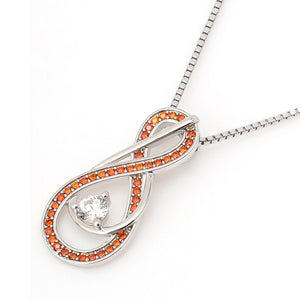
For most everyday necklaces, choose a lobster claw clasp — it gives you the best balance of security and one-handed ease, which is why it's the closure on the vast majority of necklaces sold today. If you're buying a pearl strand specifically, prioritize a fishhook (alligator) or box clasp over a plain lobster claw, since those are built to hold a strand of beads rather than a single pendant on a chain. If dexterity is the deciding factor — arthritis, one-handed dressing, a gift for an older relative — a magnetic clasp trades some security for ease, so pair it with a lighter piece rather than a heavy pendant. If you're after a genuine pearl necklace, our Freshwater Pearl Necklace ($28.99) pairs a natural pearl pendant with a 14K gold plated chain and a dependable, easy-to-use closure, gift-boxed as standard. Whatever clasp type you land on, give it a firm tug test before you wear the piece out the door — that five-second check is the difference between a necklace that lasts and one you find on the floor.

Frequently Asked Questions
What are different types of necklace clasps?
The main types are lobster claw, spring ring, toggle, magnetic, box, hook-and-eye, S-hook, barrel (screw), slide/tube, and fishhook (alligator) clasps, each differing in how they lock and how secure they are under everyday movement.
What is the most secure type of necklace clasp?
Box clasps and barrel (screw) clasps are generally the most secure, because both rely on a mechanical lock or a deliberate twisting motion rather than tension or magnetism alone, so they can't come open from an accidental bump or snag.
What are the strongest clasps for necklaces?
Barrel/screw clasps and box clasps with a safety tab are the strongest, followed closely by lobster claw clasps in a thick gauge — all three require an active mechanical action to open rather than simply pulling apart under pressure.
What is an alligator clasp?
An alligator clasp is another name for a fishhook clasp — a hinged metal closure shaped like an open jaw that snaps a locking bar into a groove, named for its resemblance to an alligator's mouth when open, and used traditionally on pearl and bead strands.
Which clasp is best for pearl necklaces?
Fishhook (alligator) and box clasps are best for pearl necklaces, because both lock mechanically rather than relying on spring tension alone, which matters more on a strand of beads than on a single-pendant chain.
Can I replace a necklace clasp myself?
Yes, a worn or broken clasp can usually be replaced without replacing the whole necklace, using jewelry pliers and jump rings to detach the old clasp and attach a new one, though a strand of pearls or beads is easier to hand off to a jeweler than to re-string yourself.
What if there's no clasp to replace?
Some necklaces skip a clasp entirely -- see our guide to tying a necklace knot for adjustable sliding knots and a quick clasp-free fix.
Toutes les marques, noms de marque et noms de produits tiers sont la propriété de leurs détenteurs respectifs. AJLuxe n’est affilié à aucune marque tierce citée dans cet article, ni approuvé ou sponsorisé par celle-ci. Les noms de marque sont utilisés uniquement à des fins de comparaison factuelle, et les descriptions de matériaux reflètent les spécifications produit publiées par chaque marque au moment de la rédaction.
You Might Also Like
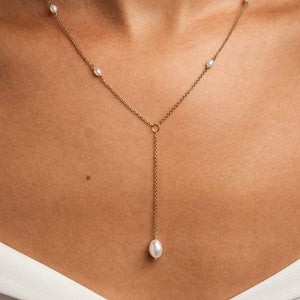


The piece they're describing → Collier Cœur Délicat pour Femme — Plaqué Or 18 Carats, Pendentif Cœur Minimaliste en Or
Personalize Yours


