


- Most stacks land at 3-5 rings per hand; 2 reads sparse, 6+ starts competing with itself.
- Keep at least one thin band in every stack — it's what lets a wider or stone-set ring stand out instead of fighting for attention.
- Match your plating (all 18K gold plated, or all sterling silver) unless a mixed-metal look is the deliberate goal.
- Rings spin and scratch each other when widths are too close — pair a slim band next to a wider one to wedge it in place.
- Sterling silver with 18K gold plating is hypoallergenic, so sensitive skin isn't a reason to skip stacking.
- A pre-matched stacking set is the cheaper, faster route to a finished look than buying rings separately.
Stacked rings jewelry looks effortless in photos, but most stacks that look thrown-together share the same three mistakes: too many competing widths, mismatched metal tones, and no thin band to anchor everything else. Get those three right and a $37.99 set of stacking rings can look like it was styled by hand, one ring at a time, over years. Here's how to actually build one.
What Is Stacked Rings Jewelry?
Stacked rings jewelry is a styling approach, not a single product — it's any combination of rings worn together on one finger or across several fingers to create one layered look. Instead of a single ring doing all the visual work, a stack spreads it across two, three, or more pieces: a thin band for texture, a slightly wider band for weight, and often one focal piece with a stone or pattern. The trend took off because it lets one small jewelry box do the job of a dozen single rings, and because it's genuinely cheaper to build a stack out of $30-$40 pieces than to buy one expensive statement ring.
How Many Rings Should You Stack?
Three to five rings is the range that reads as "intentional" rather than "random" on a single hand. Two rings can look like you just forgot to take one off; six or more on the same hand starts to visually cancel out, since the eye can't tell which piece is the focal point anymore. A common, easy-to-repeat approach is two or three thin bands on one finger plus a single stone-set or textured ring on the finger next to it, which spreads the visual weight instead of piling it all in one place.
Stacking on One Finger vs. Across Multiple Fingers
Both work, and the right choice comes down to hand size and how bold you want the look. Stacking three or four thin bands on one finger (usually the index or ring finger) creates a tight, graphic column of metal that photographs well. Spreading rings across two or three fingers instead — one ring here, a pair there — tends to look more wearable day-to-day and is easier to do with a smaller budget, since you're not clearing space on a single finger for four bands at once.
What Metals and Finishes Work Best for a Stack?
A single consistent plating — all 18K gold plated, or all sterling silver — is what makes a stack look put-together rather than accidental. Mixing warm gold tones with cool silver tones in the same stack can work, but it takes a deliberate ratio (like one silver ring against three gold ones) to look styled instead of mismatched; when in doubt, matching finish is the safer and more forgiving choice, especially for a first stack. Sterling silver with 18K gold plating is also hypoallergenic, which matters more for stacked rings than single rings since more metal is touching the skin at once.
How Do You Keep Stacked Rings From Spinning or Scratching Each Other?
Stacked rings stop spinning and scratching when you deliberately alternate widths instead of placing similar-sized bands next to each other. Two thin bands of nearly identical width will slide against each other and rotate around the finger all day; a thin band pressed against a slightly wider or textured ring has something to catch on, which keeps the whole stack in place. A few practical habits that help:

- Alternate widths. Put a wider or textured ring between two thinner bands so each thin band has something to grip.
- Size the outer rings slightly snug. A stack shifts less when the rings on the outside of the pile are a touch tighter than the ones in the middle.
- Take stacks off before hand cream or workouts. Lotion is the single biggest cause of rings sliding and spinning against each other.
- Store the set together. Keeping a stacking set in one dish or pouch (rather than scattered across a jewelry box) means you re-create the same combination every time instead of guessing.
Stacking Rules: Matching Widths, Textures, and Stack Styles
The fastest way to shortcut all of the trial and error above is to start from a stack style that's already been proportioned to work, rather than assembling four random rings and hoping they sit well together.
| Stack Style | Ring Count | Best For | Starting Price |
|---|---|---|---|
| Minimalist dainty stack | 3-4 thin bands | Everyday wear, layering with other jewelry | $37.99 |
| Diamond CZ accent stack | 2 thin bands + 1 pave ring | Date night, dressier occasions | $34.99 |
| Statement + band stack | 1 statement ring + 2 thin bands | Anchoring one bold centerpiece | $29.99 |
| Wedding-set stack | Wedding ring + 1-2 bands | Bridal and anniversary layering | $28.99 |
Which Stacked Ring Set Should You Buy?
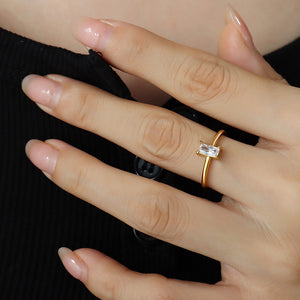
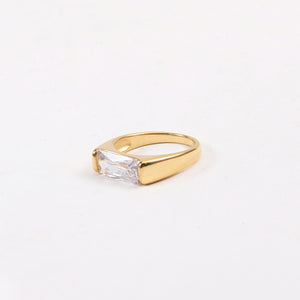
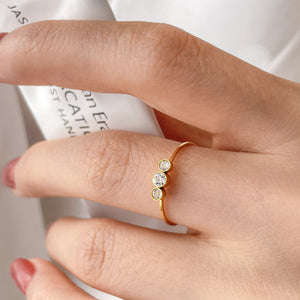
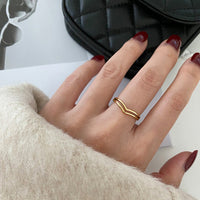
Start with a pre-matched set rather than buying rings one at a time — it removes the width-and-tone guesswork and gives you a finished stack for less than most single statement rings cost. The Dainty Stacking Rings for Women ($37.99, 18K gold plated, thin band set) is built for exactly this: a matched set of minimalist bands sized to stack cleanly out of the box, in hypoallergenic sterling silver underneath the gold plating. If you want more sparkle in the mix, the Diamond CZ Stacking Ring ($34.99, pave-style, adjustable) works as the single focal piece next to two of the dainty bands. And if you're layering around an existing wedding or engagement ring, the Square CZ Wedding Ring ($28.99) is proportioned to sit flush against thinner stacking bands rather than crowding them.

Frequently Asked Questions
How many rings can you stack at once?
Most stacks look best with three to five rings on one hand; going past five or six on the same hand tends to visually cancel itself out rather than looking more layered.
Do stacked rings have to match?
No, but keeping the same plating (all gold-plated or all silver) across the stack is what makes it read as intentional rather than mismatched, especially for a first stack.
Can you stack rings on one finger?
Yes, stacking two to four thin bands on a single finger — usually the index or ring finger — is one of the most common ways to wear a stack, and it works well specifically because the rings are sized to sit flush against each other.
Is stacked ring jewelry hypoallergenic?
It can be, depending on the metal — sterling silver with 18K gold plating is hypoallergenic and safe for sensitive skin, which matters more in a stack since several rings are touching the skin at once instead of just one.
How do you keep stacked rings from spinning?
Alternate ring widths so a thin band sits against a wider or textured one instead of another thin band — similar-width rings slide against each other, while mismatched widths catch and hold their position.
What metal is best for stacking rings?
Sterling silver with 18K gold plating is a common choice because it's hypoallergenic, holds a consistent tone across multiple rings, and costs less per ring than solid gold, which matters when you're buying several rings for one stack instead of a single piece.
You Might Also Like

The piece they're describing → Bagues fines empilables pour femme — Plaqué or 18 carats, ensemble à bande fine, minimaliste
Personalize Yours

