


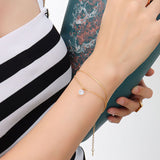
- 925 sterling silver (92.5% silver, 7.5% other metals — usually copper) is one of the most skin-friendly jewelry metals available, but “silver-tone” costume jewelry often is not.
- Nickel, not silver, is the usual trigger for jewelry-related skin reactions — check what a piece is actually plated or alloyed with, not just its color.
- Titanium and surgical-grade stainless steel are generally considered the most universally hypoallergenic metals for extremely reactive skin, just ahead of sterling silver.
- A “.925” stamp confirms silver purity, not automatically a hypoallergenic guarantee — the remaining 7.5% still matters.
- AJLuxe builds every piece on a 925 sterling silver base; gold-plated styles keep that same hypoallergenic sterling silver core underneath the plating.
- Removing bracelets before swimming, showering, or applying lotion reduces irritation even with a good base metal.
If a silver bracelet has ever left your wrist red, itchy, or green, the instinct is usually to blame silver itself — but pure silver rarely causes a reaction. The real culprit is almost always the alloy or plating underneath a cheap “silver-look” piece, most often nickel. Once you know what to actually check before buying, finding a bracelet that won't bother sensitive skin is a lot simpler than it looks.
Is There Such a Thing as Hypoallergenic Silver?
Yes — 925 sterling silver, the industry-standard alloy of 92.5% pure silver and 7.5% other metals (typically copper), causes far fewer reactions than nickel-heavy costume jewelry and is widely sold and marketed as hypoallergenic. Pure (fine) silver is too soft to hold jewelry's shape on its own, so it's always alloyed with something; the question that actually matters is what that 7.5% is made of, not whether the piece says “silver” on the label. Reputable sterling silver uses copper as the alloy metal, while low-quality “silver-plated” or unmarked pieces can hide a nickel-based base metal under a thin silver coating that wears through with normal use.

What Metal Is 100% Hypoallergenic?
No metal is 100% hypoallergenic for every single wearer, but titanium comes closest, since it's nickel-free, biocompatible, and the same material used in surgical implants. Surgical-grade (316L) stainless steel and niobium are the next most reliable options for people with a confirmed nickel allergy, followed by solid 18K+ gold and high-quality 925 sterling silver. Even these can theoretically bother an unusually reactive individual, which is why patch testing with a dermatologist is the only truly definitive answer for a diagnosed allergy.
What Can I Wear If I'm Allergic to Sterling Silver?
If a specific sterling silver bracelet bothers your skin, you're very likely reacting to trace nickel or another impurity in that particular alloy, not to silver itself — so the fix is usually a better-quality sterling silver piece or a switch to solid titanium, surgical steel, or solid gold. Cheaper sterling silver blends occasionally cut costs by including small amounts of nickel alongside copper, and that's typically what causes the reaction, not the .925 stamp itself. Rhodium-plated sterling silver adds an extra protective barrier between your skin and the base alloy and is worth seeking out if you've reacted to unplated pieces before.
What Is a Hypoallergenic Bracelet, Exactly?
A hypoallergenic bracelet is one made from a metal unlikely to trigger a skin reaction — typically nickel-free alloys such as 925 sterling silver, titanium, surgical steel, or solid gold — as opposed to nickel-plated fashion jewelry, which is the most common cause of jewelry-related contact dermatitis. “Hypoallergenic” isn't a regulated or tested claim in the way “sterling” is a purity standard, so it's a description of likelihood, not a certification. The safest approach is to look past the marketing word and check the actual base metal being disclosed.
Hypoallergenic Metals Compared
Sterling silver sits solidly in the “generally safe” tier for sensitive skin, but it isn't the only option and isn't automatically the best one for every allergy level — here's how the common choices stack up.
| Metal | Hypoallergenic Rating | Nickel Content | Best For |
|---|---|---|---|
| 925 Sterling Silver (quality alloy) | Very good | None — copper-alloyed | Daily wear, most sensitive skin |
| 18K Gold-Plated Sterling Silver | Very good | None in the base metal | Warm-tone lovers with sensitive skin |
| Surgical-Grade Stainless Steel | Excellent | None (316L grade) | Gym wear, showering, very reactive skin |
| Titanium | Excellent | None | Diagnosed nickel allergies |
| Unmarked “Silver-Tone” Alloy | Unreliable | Often undisclosed, sometimes high | Avoid if allergy-prone |
| Nickel-Plated Costume Jewelry | Poor | High | Avoid entirely |
How to Tell If a Silver Bracelet Is Actually Hypoallergenic Before You Buy
Check for an explicit “.925” or “sterling silver” stamp plus a brand that states its base metal outright — vague terms like “silver-finish,” “silver-tone,” or “silver-plated” with no purity mark are the biggest red flag that a nickel-based metal is underneath. A few practical checks: look for the .925 hallmark stamped into the clasp or an inner band; favor brands that name the alloy metal (copper, not just “alloy”); prefer rhodium-plated finishes for an extra protective layer; and buy from sellers who state their return policy clearly, since a genuine reaction is the only way some skin types will know for sure. AJLuxe's pieces are built on a 925 sterling silver base across the catalogue and positioned as hypoallergenic, which is the standard you should hold any bracelet to before it touches your wrist.
Which Hypoallergenic Bracelet Should You Choose?
If nickel-heavy fashion jewelry has ever left your wrist irritated, choose a bracelet built on a genuine 925 sterling silver base rather than an unmarked silver-tone alloy — the base metal is what actually determines whether your skin reacts, not the color. AJLuxe's CZ Chain Bracelet ($34.99) is a good example: it's an adjustable S-chain design finished in 18K gold plating over that same hypoallergenic sterling silver core, so you get warmth and sparkle without giving up the skin-friendly base metal. If you'd rather keep the silver tone on show, look for a piece that states its .925 stamp plainly and skip anything only described as “silver-look.” Either way, the base metal — not the finish — is what your skin will actually notice.

For general background on nickel allergy and metal sensitivities, the American Academy of Dermatology maintains consumer education on contact dermatitis: aad.org.
Frequently Asked Questions
Is there hypoallergenic silver?
Yes — 925 sterling silver, the industry-standard alloy of 92.5% pure silver and 7.5% other metals (usually copper), causes far fewer reactions than nickel-heavy costume jewelry, though extremely nickel-sensitive wearers may still prefer titanium or surgical steel.
What metal is 100% hypoallergenic?
No metal is 100% hypoallergenic for every wearer, but titanium comes closest because it's nickel-free, biocompatible, and used in surgical implants; surgical-grade (316L) stainless steel and niobium are the next most reliable options for reactive skin.
What can I wear if I'm allergic to sterling silver?
A reaction to a sterling silver piece is usually to trace nickel in that alloy rather than to silver itself, so the fix is typically a higher-quality sterling silver piece, or a switch to solid titanium, surgical steel, or solid gold if the sensitivity is severe.
What is a hypoallergenic bracelet?
A hypoallergenic bracelet is one made from a metal unlikely to trigger a skin reaction — typically nickel-free alloys like 925 sterling silver, titanium, surgical steel, or solid gold — as opposed to nickel-plated costume jewelry that commonly causes contact dermatitis in sensitive wearers.
Does 925 sterling silver contain nickel?
Reputable 925 sterling silver uses copper as the primary alloy metal, not nickel, which is why quality sterling silver pieces are considered hypoallergenic; problems typically trace back to lower-quality silver-plated jewelry that coats a nickel-based base metal with a thin silver layer that wears off over time.
How can you tell if a bracelet is genuinely hypoallergenic before you buy?
Look for an explicit .925 or sterling silver stamp plus a brand that discloses its base metal outright, since vague terms like silver-tone, silver-finish, or an unmarked piece are red flags that often mean a nickel alloy sits underneath a thin coating.
Toutes les marques, noms de marque et noms de produits tiers sont la propriété de leurs détenteurs respectifs. AJLuxe n’est affilié à aucune marque tierce citée dans cet article, ni approuvé ou sponsorisé par celle-ci. Les noms de marque sont utilisés uniquement à des fins de comparaison factuelle, et les descriptions de matériaux reflètent les spécifications produit publiées par chaque marque au moment de la rédaction.
You Might Also Like
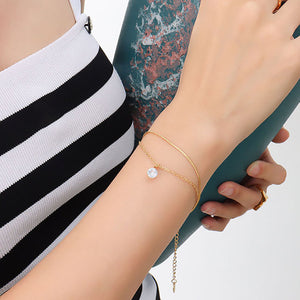
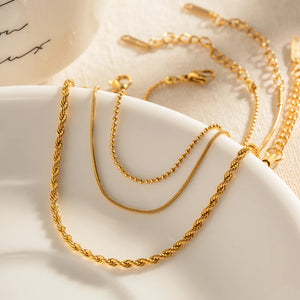
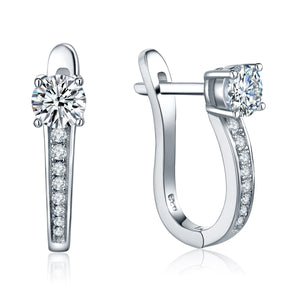

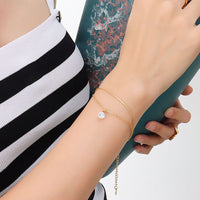
The piece they're describing → Bracelet Chaîne CZ pour Femme — Plaqué Or 18 Carats, Chaîne Serpent avec Zircon Cubique, Réglable
Personalize Yours


