


- A locket necklace is a pendant with a hinged compartment that opens to hold a tiny photo or keepsake.
- Common types include heart, oval, round, rectangular, vintage/Victorian, floating, and tree of life lockets.
- Sizes run small (16–18 mm), medium (20–25 mm), and large (28–35 mm) — size determines what fits inside.
- Best metals for longevity: sterling silver and gold-filled outperform gold-plated for daily wear.
- Choose by occasion, recipient, and budget — then match the locket size to what you plan to put in it.
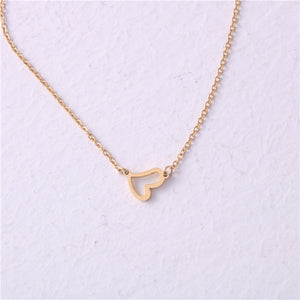
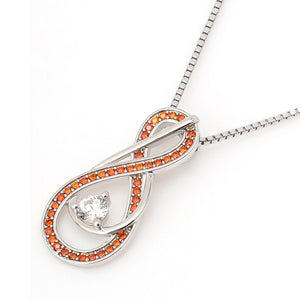
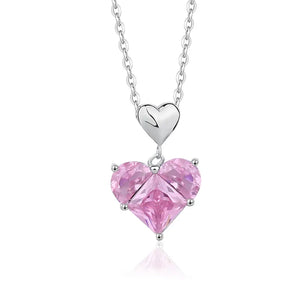
- AJLuxe doesn't currently carry lockets, but our personalized jewelry collection — initial necklaces and birthstone pieces — carries the same close-to-heart spirit.
Few pieces of jewelry carry more emotional weight than a locket necklace. It is, at its core, a tiny secret — a pendant that opens to reveal something precious held close to the heart. Lovers have exchanged them for centuries, mothers have worn their children's photos in them, and mourners have used them to keep memory alive. Today, lockets sit at the intersection of sentimental jewelry and everyday style, and the market for them is as strong as ever.
This guide covers everything: every locket type, every metal option, every size, what you can actually fit inside, and exactly how to choose one for yourself or as a gift. If you're buying a locket necklace — or simply curious about what makes them so enduring — you're in the right place.
What Is a Locket Necklace?
A locket necklace is a pendant with a hinged or friction-fitted compartment inside it. The compartment — usually circular, oval, or rectangular — holds a tiny photograph, a lock of hair, a pressed flower petal, a handwritten note, or any other small, flat keepsake. The pendant hangs from a chain and is worn close to the chest, which is where the phrase "close to your heart" comes from literally.
Lockets differ from ordinary pendants in one key way: they open. A pendant is solid; a locket is hollow and accessible. That openable compartment is what gives lockets their sentimental function and why they've persisted as meaningful gifts across generations.
For a deeper look at the history and symbolism, see our dedicated article on locket necklace meaning.
Types of Locket Necklaces
The shape and style of a locket's exterior does more than affect aesthetics — it determines how much fits inside, how the hinge behaves, and what visual message the piece sends.
Heart Locket
The most iconic locket shape. Heart lockets are almost universally recognized as romantic gifts and are frequently given on Valentine's Day, anniversaries, and by parents to children. They range from delicate 14 mm mini hearts to bold 30 mm statement pieces. Because the heart shape tapers at the top and bottom, the usable interior space is slightly smaller than the stated diameter. A small heart locket typically fits one tiny trimmed photo; a large one holds two. See our full breakdown in the heart locket necklace guide.
Oval Locket
Oval lockets offer the best interior-to-exterior ratio of any shape. Because an oval has no corners to waste, nearly the full face area is usable for photos or mementos. They have a classic, slightly Victorian aesthetic and work well for portrait-style photos. Oval lockets are among the most common antique locket shapes you'll encounter in estate jewelry.
Round Locket
Round lockets are the minimalist option. They photograph well, sit flat against the chest, and layer easily with other necklaces. A 20 mm round locket is a popular everyday wear choice. Interior space is generous for the size, and many round lockets are designed with a flat glass face — a "floating locket" variant — rather than a solid metal cover.
Rectangular Locket
Rectangular and square lockets have clean, geometric lines that suit a more modern or masculine aesthetic. They also happen to be the most practical shape for holding wallet-size trimmed photos, since most photos are rectangular to begin with. Look for rectangular lockets if you want a less overtly romantic gift — they read as sophisticated rather than sentimental at first glance.
Vintage and Victorian Locket
Victorian lockets (1837–1901) are characterized by elaborate engraving, repoussé (raised metalwork), and often a frame designed to hold a portrait miniature or a braided lock of hair. Authentic antiques command high prices, but the style has been widely reproduced. Vintage-style lockets feature ornate scrollwork, fleur-de-lis motifs, and filigree borders. They pair beautifully with romantic or bohemian dress styles and make striking estate-feel gifts.
Photo Locket
A "photo locket" is less a distinct shape and more a functional classification: any locket designed with two facing interior panels, each holding a cut-to-fit photo. Most standard lockets fall into this category. The key variable is whether the interior has a plastic or glass insert to hold the photo flat, or simply a raw metal chamber. See our full guide to photo locket necklaces for sizing templates and print tips.
Memory Locket (Shadow Box Locket)
A memory locket — sometimes called a shadow box locket — has a significantly deeper compartment than a standard locket. Rather than holding a flat photo under a glass face, it holds tiny three-dimensional charms, birthstones, dried petals, or beads loose inside a deep-set glass-front window. You design the interior arrangement yourself. These lockets are popular as DIY grief jewelry, baby keepsake jewelry, and meaningful self-expression pieces.
Floating Locket
Floating lockets take the memory locket concept one step further. The entire face of the pendant is a glass dome. Small floating charms — a tiny starfish, a heart, a pearl, a birthstone — sit inside and move freely when the locket shifts. Origami Owl popularized this format. The appeal is customizability: you can swap charms in and out as your story changes. The limitation is durability; the glass dome is more fragile than a solid metal locket.
Tree of Life Locket
Tree of life lockets feature the iconic tree motif — branches and roots forming a circle — either engraved on the exterior or worked into a cutout design. They carry symbolism of family, growth, and connection to nature and ancestry. They are popular gifts for mothers and grandmothers. Some tree of life lockets have a small interior photo compartment; others are purely decorative pendants with the tree worked in wire.
Locket Necklace Metals: Honest Durability Comparison
The metal you choose determines how long your locket will look good — and how much it will cost. Here is a straightforward breakdown.
| Metal | What It Is | Durability | Price Range |
|---|---|---|---|
| Gold-plated | Thin gold layer (0.5–2.5 microns) over base metal (brass, copper) | 1–2 years with care; fades faster with water/sweat exposure | $15–$60 |
| Sterling silver | 92.5% pure silver; hallmarked 925 | Decades with basic care; tarnishes but polishes back | $40–$150 |
| Gold-filled | 5% gold by weight bonded by heat/pressure to base metal; 100× thicker than plating | 10–20 years; tarnish-resistant, safe for sensitive skin | $60–$200 |
| Solid gold (10K/14K/18K) | Pure gold alloyed with other metals; 10K = 41.7%, 14K = 58.3%, 18K = 75% | Lifetime; never tarnishes | $200–$2,000+ |
Bottom line: For a locket you'll open and handle regularly, gold-plated is a short-term investment. Sterling silver is the sweet spot of durability and affordability for most buyers. Gold-filled is worth the premium if you want a yellow-gold look that lasts without a solid-gold price tag.
Locket Necklace Sizes: What Fits Inside Each
Size matters more for lockets than almost any other jewelry piece, because it determines what you can fit inside. Most lockets are measured by their longest dimension (diameter for round and oval, longest side for rectangular).
Small Lockets (16–18 mm)
Small lockets sit like a delicate charm. They are best for minimalist wearers who want the sentiment without a statement piece. At 16–18 mm, the interior compartment is roughly the size of a thumbnail. You can fit one very small photo (typically around 12 × 12 mm after trimming) or a single small dried petal. A lock of hair can be coiled to fit. Photos need to be printed at a small scale — many buyers use a photo printing app to create a 1-inch contact sheet of mini prints.
Medium Lockets (20–25 mm)
The most popular size range. At 20–25 mm, a locket is visible and noticeable without being oversized. Interior space typically accommodates one to two small photos (each approximately 15 × 15 mm). This is also large enough for a small folded note, a single pressed flower petal, or a tiny gemstone. Medium lockets layer well with other necklaces on a 16–18 inch chain. Most standard "photo locket" designs fall in this range.
Large Lockets (28–35 mm)
Large lockets are statement pieces. At 28–35 mm, the interior can hold two full photos side by side (each up to 22 × 22 mm), a folded handwritten note, a lock of hair, or multiple small charms. Victorian antique lockets were frequently this size or larger. Large lockets pair best with a 20–24 inch chain and work well as a single focal piece rather than layered.
What to Put Inside a Locket
See our deep dive in the dedicated article on what to put in a locket. Here is a quick summary of the most popular options:
- Photos. The classic choice. Print from a phone app at "wallet" or "passport" scale, trim with small scissors, and insert. Many lockets include a paper template — use it. Cut slightly smaller than the template to avoid the photo buckling.
- A lock of hair. Coil the hair and secure with a tiny piece of clear tape before placing inside. Hair lockets were common in Victorian mourning jewelry and remain a touching memorial keepsake.
- Baby's first tooth. A small baby tooth fits inside a medium or large locket. This is a popular choice for parents creating a keepsake for a child's first lost tooth.
- Pressed flowers. Thin, dry pressed petals fit even in small lockets. Roses from a significant bouquet, lavender, or forget-me-nots are popular choices. Press the flower for at least two weeks before inserting.
- A handwritten note. Write in the smallest legible hand on thin paper, fold tightly, and tuck inside a medium or large locket. "I love you," a significant date, or a word of encouragement are common choices.
- Small keepsake charms. Floating lockets and deep shadow-box lockets are designed for tiny three-dimensional charms — birthstones, stars, hearts, initials — that you arrange and rearrange.
- Nothing. Some people wear lockets empty, treating the openable compartment as a symbol of space held open — for a future memory, for an unknown next chapter, or simply because the locket was too beautiful to leave on the shelf.
How to Choose a Locket Necklace
By Occasion
Romantic gift (Valentine's Day, anniversary): Heart locket, gold-filled or sterling silver, medium size. Engrave the exterior with a date or initials for added impact.
Mourning or memorial: Oval or rectangular locket, sterling silver or solid gold, large size. Interior should fit a photo or lock of hair comfortably.
Mother's gift: Heart or round locket, medium or large, with interior panels for children's photos. Tree of life lockets are also popular.
Child's gift: Small locket on a 14–16 inch chain. Choose a durable metal — sterling silver over gold-plated — because children handle jewelry roughly.
Self-purchase / everyday wear: Round or oval locket, 20–22 mm, gold-filled or sterling silver. Should layer well and be durable enough for daily wear.
By Recipient
For mom: A medium or large locket with two interior photo panels — one for each child, or one for her and her partner. Heart or oval shape reads warm and maternal.
For a girlfriend or wife: Heart locket with a photo of the two of you, or an oval locket engraved with a meaningful date. Pair with a 16–18 inch chain so it rests near the collarbone.
For a child: Small locket with a photo of a parent, a pet, or a beloved grandparent. Lightweight and simple — dainty round or small heart.
For a friend: Floating locket with charms that reflect her interests is a personal, interactive gift. Or a simple sterling silver oval with room for her own choice of photo.
By Budget
Under $40: Gold-plated lockets from reputable sellers. Buy knowing the finish will wear, and avoid exposing it to water. Under $100: Sterling silver lockets — the best value for a lasting piece. Under $200: Gold-filled lockets for a warm gold look with long-term durability. $200 and above: Solid gold (10K or 14K), or antique estate lockets from dealers.
How to Open a Locket (Without Breaking It)
The two most common locket mechanisms are spring hinges and friction fits.
Spring hinge lockets have a small release point — usually a tiny tab, lip, or groove along the bottom or side edge. Press a fingernail into this groove and the locket pops open. Never pry a spring locket with a knife or metal tool; you risk bending the frame.
Friction fit lockets (common on older and vintage pieces) have no spring. The two halves are held shut by the slight tension of the hinge. To open: hold the body of the locket firmly in one hand, and press your thumbnail into the tiny gap at the edge opposite the hinge. Ease the front face away with gentle, even pressure. Do not twist.
General tips: Work over a soft surface so that if the locket springs open and ejects its contents, nothing is lost. Warm the locket briefly in your hands if it seems stiff — metal expands very slightly with warmth. If a vintage locket refuses to open, do not force it; take it to a jeweler.
How to Care for a Locket Necklace
Lockets require a little more care than a simple solid pendant because they have a moving hinge — the most vulnerable mechanical part of the piece.
Cleaning: Wipe the exterior with a soft, dry or barely-damp microfiber cloth after each wear. For sterling silver lockets, a gentle silver polishing cloth removes tarnish without scratching. Do not submerge a locket in a cleaning solution — water can seep into the hinge and interior compartment and damage any photo or keepsake inside. For a detailed cleaning process, see our guide on how to clean sterling silver jewelry.
Storing: Store lockets individually in a soft pouch or a lined jewelry box to prevent scratching. Do not store them in a tangle with other chains, as chain pressure can bend the exterior. Keep the locket closed when stored to protect the hinge.
What to avoid:
- Water (showering, swimming, dishwashing) — accelerates tarnish and degrades any interior adhesive or photo paper.
- Perfume and hairspray — spray before you put your jewelry on, not after. Chemical residue eats at plating and dulls silver.
- Sleeping in your locket — the hinge is under stress when you roll onto it, and chain kinking is much more likely.
- Leaving lockets open unnecessarily — keeping the locket closed protects the hinge mechanism and keeps the interior clean.
Choosing the right chain length also matters for both comfort and aesthetics. See our necklace length guide for a full chart — most medium lockets wear best on a 16–18 inch chain.
Locket vs. Pendant: What Is the Difference?
All lockets are pendants, but not all pendants are lockets. A pendant is any decorative element that hangs from a chain. A locket is a specific type of pendant that has a hinged or friction-fitted compartment inside. If it doesn't open, it's a pendant; if it opens to reveal a hidden interior, it's a locket. The distinction matters when you're shopping — "photo pendant" sometimes refers to a solid pendant with a photo-printing technique on the surface, not a true openable locket.
What Does a Locket Necklace Symbolize?
At its deepest, a locket symbolizes the act of keeping someone or something close — held against the heart, hidden from the world, carried through time. The symbolism has remained consistent across centuries: love, memory, protection, and devotion. In Victorian mourning culture, lockets were an accepted way to carry grief visibly but privately. In romantic tradition, a locket given by one person to another signals that they want to be carried with you, literally. For a full exploration of the history and symbolism, see our dedicated article on locket necklace meaning.
A Personalized Alternative from AJLuxe
While AJLuxe doesn't currently carry lockets, our personalized jewelry collection includes initial necklaces and birthstone pieces that hold the same meaningful, close-to-heart spirit. An initial necklace carries a person's identity; a birthstone pendant carries the month they were born. Both are the kind of jewelry that means something specific — chosen for one person, worn every day, and noticed for what it represents rather than what it cost.
If you're looking for a sentimental gift that does what a locket does emotionally — marks a person, a relationship, or a moment in time — a personalized necklace is a strong alternative worth exploring.
If you're exploring choosing a locket necklace as a gift for your mother, read our guide to locket necklace for mom next.
Frequently Asked Questions
What is a locket necklace?
A locket necklace is a pendant with a hinged or friction-fitted compartment inside that opens to hold a small photo, lock of hair, or other tiny keepsake. It hangs from a chain and is traditionally worn close to the heart.
What can you put in a locket?
You can put a trimmed photo, a lock of hair, a baby tooth, a pressed flower petal, a tiny folded handwritten note, small loose charms (in floating/shadow-box lockets), or a small gemstone inside a locket. The size of the locket's interior compartment determines what fits.
What size photo fits in a locket?
It depends on the locket's size. Small lockets (16–18 mm) fit a photo roughly 12 × 12 mm. Medium lockets (20–25 mm) fit photos around 15 × 15 mm. Large lockets (28–35 mm) can fit photos up to 22 × 22 mm on each side. Most lockets include a paper template — trace it, print your photo to match, and trim carefully.
What does a locket necklace symbolize?
A locket symbolizes love, memory, protection, and devotion. Historically used in Victorian mourning jewelry to carry a photo or lock of hair of a deceased loved one, lockets have evolved into a broader symbol of keeping someone or something precious close to your heart. They are commonly given as romantic gifts, memorial keepsakes, and mother-child jewelry.
How do you open a locket?
Press your thumbnail into the small groove or lip at the bottom or side edge (opposite the hinge) for spring-hinge lockets — they will pop open. For friction-fit lockets, hold the body firmly and ease the front face away with gentle, even pressure of a fingernail. Never use a metal tool to pry a locket open, as this risks bending the frame.
What metal is best for locket necklaces?
For everyday wear and longevity, sterling silver (925) and gold-filled are the best options. Sterling silver tarnishes but polishes back to new easily and lasts decades. Gold-filled has a warm gold appearance and is 100 times thicker than gold plating, lasting 10–20 years. Gold-plated lockets are affordable but the finish wears within 1–2 years, especially with regular handling. Solid gold is the longest-lasting option but significantly more expensive.
How long does a locket necklace last?
A well-made sterling silver locket lasts decades with basic care. Gold-filled lockets last 10–20 years. Gold-plated lockets last 1–2 years with careful handling and may need re-plating. The hinge mechanism is the most wear-prone part — lockets that are opened and closed multiple times daily will show hinge wear faster than those opened occasionally.
Can you put a lock of hair in a locket?
Yes. A lock of hair is one of the oldest and most traditional things to place in a locket. Coil the hair tightly and secure it with a tiny piece of clear tape before placing it inside to prevent it from escaping through the hinge gap. This is a common choice for baby hair, a memorial keepsake, or a romantic gesture.
What is the difference between a locket and a pendant?
All lockets are pendants, but not all pendants are lockets. A pendant is any decorative element that hangs from a chain. A locket is specifically a pendant with an openable hinged compartment inside. If the piece doesn't open to reveal an interior chamber, it's a pendant, not a locket.
How do you care for a locket necklace?
Wipe the exterior with a soft dry cloth after each wear. Use a silver polishing cloth for sterling silver lockets to remove tarnish. Avoid submerging the locket in water, as moisture can damage the interior and hinge. Keep perfume and hairspray away from the metal. Store the locket closed in a soft pouch. Remove it before showering, swimming, or sleeping to prolong the life of both the finish and the hinge.
Toutes les marques, noms de marque et noms de produits tiers sont la propriété de leurs détenteurs respectifs. AJLuxe n’est affilié à aucune marque tierce citée dans cet article, ni approuvé ou sponsorisé par celle-ci. Les noms de marque sont utilisés uniquement à des fins de comparaison factuelle, et les descriptions de matériaux reflètent les spécifications produit publiées par chaque marque au moment de la rédaction.
You Might Also Like

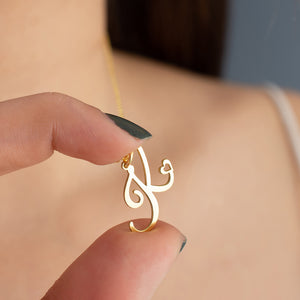
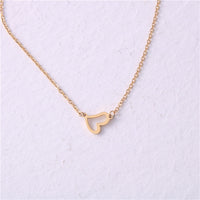
The piece they're describing → Collier lettre initiale pour femme — Plaqué or 18 carats, pendentif lettre personnalisée
Personalize Yours


