


A key necklace has meant something specific for well over a century: it says the wearer holds — or has been given — access to something precious, whether that's a heart, a home, a memory, or a new chapter of life. The meaning of a key necklace shifts slightly depending on who's wearing it and who gave it, but the core symbolism of freedom, trust, and unlocking has stayed remarkably consistent since Victorian times. This guide breaks down where the symbolism came from, what a lock and key necklace meaning adds when worn as a pair, and exactly who to gift one to.
What Does a Key Necklace Mean?
At its core, a key necklace represents four overlapping ideas: freedom (a key opens a door out), access (a key lets someone in), trust (you don't hand your key to just anyone), and unlocking (potential, a secret, a new phase of life). Worn alone, a key pendant most often reads as a personal symbol of independence or of holding the key to one's own future. Worn as a gift, it almost always signals that the giver is handing the wearer figurative access — most commonly to their heart.
The specific phrase people search for — "key to my heart" — isn't just a modern Valentine's Day marketing line. It's a genuine 19th-century English idiom, and it's the reason key jewelry became a romantic gift category in the first place rather than staying a purely practical or memorial object.
The Victorian and Mourning-Jewelry Origins
Long before key necklaces were a couples' gift, they were mourning jewelry. In Victorian England (1837–1901), when a family member died, it was common practice to have their household or jewelry-box key set into a locket, pendant, or brooch as a keepsake — a literal, physical object the deceased had once carried, worn close to the heart. Skeleton keys, the ornate, all-purpose keys used on trunks, diaries, and cabinets before modern pin-tumbler locks existed, were especially common in this practice because they were decorative enough to already resemble jewelry.
Separately, Victorians also gave "sweetheart" keys as courtship gifts — a small key given to a suitor symbolized "you have unlocked my heart," predating the phrase's modern romantic use by decades. Both traditions — mourning keepsake and courtship symbol — merged over the 20th century into the two meanings a key necklace still carries today: remembrance/heritage on one hand, and romantic devotion on the other.
Skeleton-key style pendants remain popular precisely because of this history — the ornate loop-and-teeth silhouette reads as heirloom and timeless rather than modern hardware, which is part of why it still outsells plain modern key shapes in jewelry today.
Lock and Key Necklace Meaning (For Pairs)
A matching lock-and-key necklace set adds a second layer of meaning on top of the single key: partnership. One person wears the lock, the other wears the key, and the pair only "completes" the symbol when both are together — a physical stand-in for "we belong to each other" or "only you have access to me." This is why lock-and-key sets are given between:
- Romantic partners — the most common pairing, worn as anniversary or "just because" gifts to symbolize exclusivity and trust.
- Best friends — reframes the same symbol as platonic loyalty: "you know the real me," rather than romance.
- Parent and child — often mother-daughter, symbolizing an unbreakable bond and the parent "holding the key" to always being there.
Gender-neutral gifting has also become the norm for lock-and-key sets: unlike birthstone or initial jewelry, the lock and key symbol doesn't carry inherent gender coding, so it works equally well for same-sex couples, friend pairs of any gender, or a parent and child of any combination.
Key Necklace Symbolism Variants
| Style | Symbolism | Best for |
|---|---|---|
| Classic skeleton key | Heritage, timelessness, Victorian romance | Anyone wanting the traditional look |
| Heart + key combo | "You hold the key to my heart" — the most literal romantic reading | Partners, anniversaries, Valentine's Day |
| Key-of-life (ankh-key) | Egyptian ankh silhouette merged with a key shape — symbolizes life, vitality, and unlocking one's own destiny | Self-gifting, milestone birthdays, graduation |
| Lock and key pair (two pendants) | Partnership, exclusivity, mutual trust | Couples, best friends, mother-daughter pairs |
| Birthstone-set key pendant | Combines "unlocking" symbolism with a personal or family birth month | Gifting to someone whose birth month you want to honor |
Who to Gift a Key or Lock-and-Key Necklace To
Because the symbolism is flexible, a key necklace fits more gifting occasions than people initially assume:
- A new relationship — a single key pendant, gifted early, says "you're unlocking something in me" without the heavier commitment implied by a matching lock-and-key set.
- An anniversary — a lock-and-key pair for the couple to split is one of the few jewelry gifts designed to be worn by two people at once.
- Graduation or a new job — the key-of-life or a plain key pendant reads as "a new chapter is unlocking," making it a strong gender-neutral alternative to more traditional graduation charms.
- A best friend — splitting a lock-and-key set (rather than a heart) sidesteps any romantic reading while still saying "you know the real me."
- Yourself — self-gifted key jewelry, especially the key-of-life variant, is commonly worn as a personal reminder of independence rather than a message to anyone else.
Chain Length and Layering
Key pendants sit best on an 18-inch chain for solo wear (falls at or just below the collarbone) or a 16-inch choker-length chain if layering it as the shortest piece in a stack. For lock-and-key pairs meant to visually "match" without being identical, a common styling choice is putting the key on a slightly shorter chain than the lock, so if the two people are ever photographed together the pieces read at slightly different heights rather than overlapping. Because the pendant itself is usually small and flat, a key necklace layers cleanly under or between other minimalist pieces — an initial necklace or a delicate heart necklace both pair naturally with it without visually competing.
Key Necklace vs. Other Meaningful Symbols
| Symbol | Core meaning | Typically given by |
|---|---|---|
| Key necklace | Freedom, access, trust, unlocking | Partner, best friend, self |
| Heart necklace | Love, vulnerability, commitment | Partner, family |
| Initial necklace | Identity, personal or shared name | Anyone, including self-gifting |
| Infinity necklace | Everlasting bond, continuity | Partner, close family |
Because a key so directly overlaps with the heart symbol's "trust and vulnerability" meaning, the two are frequently combined into a single heart-and-key charm — see the comparison table on our heart necklace meaning guide for how that pairing reads specifically in a romantic context.

How to Choose the Right Key Necklace Style
Because a key necklace's meaning shifts with its design, the style you pick should match the message you actually want to send:
- Want it read as romantic? Choose a heart-and-key combo pendant, or a matching lock-and-key set you split with a partner. The heart element removes any ambiguity — it's unmistakably a love symbol.
- Want it read as platonic or personal? A plain skeleton-key pendant, worn alone or self-gifted, keeps the meaning at "trust and freedom" without pulling in romantic overtones.
- Want it to mark a milestone? A key-of-life (ankh-key) pendant is the strongest choice for graduation, a new job, or any "new chapter unlocking" occasion, since its Egyptian-influenced silhouette reads as symbolic rather than sentimental.
- Want to honor a birth month alongside the symbolism? A birthstone-set key pendant layers a specific gemstone into the bow of the key, combining "unlocking" symbolism with a personal birth-month reference — a common choice for gifts to a mother, daughter, or close friend.
Metal choice matters too: gold-toned keys lean into the antique, heirloom reading (closer to the original Victorian pieces), while a brighter silver or white-gold-toned key reads as more modern and minimalist. Neither is "more correct" — it's purely a style preference, and either sits fine on the same 16–18-inch chain guidance above.
Caring for a Key Necklace
Key pendants tend to have more surface detail (teeth, bow cutouts, engraving) than a simple disc or heart charm, so debris and lotion residue can settle into the grooves faster. Wipe the pendant with a soft polishing cloth after each wear, and rinse it under lukewarm water with a drop of mild soap every few weeks to clear buildup from the detailed edges — the same care routine recommended for any plated charm necklace. Store it flat or hanging separately rather than tangled with other chains, since the open loop-and-teeth shape of a skeleton key is more prone to snagging on other jewelry than a solid pendant.
Frequently Asked Questions
What does it mean when someone gives you a key necklace? It typically means they consider you to have unlocked something in them — most often emotional trust or romantic feelings, though context (a graduation, a friendship) can shift the meaning to freedom or a new chapter instead.
What does a lock and key necklace mean between friends? Between friends it symbolizes mutual trust and knowing the "real" version of each other, without the romantic connotation the same set carries between partners.
Is a key necklace romantic? It can be, especially a heart-and-key combo or a lock-and-key pair given to a partner, but a plain key pendant on its own is neutral enough to work as a friendship, graduation, or self-gift too.
What is the Victorian meaning of a key necklace? In Victorian England, keys were set into mourning jewelry as literal keepsakes belonging to a deceased loved one, and separately given as courtship gifts symbolizing "you have unlocked my heart."
What does a skeleton key necklace mean? Skeleton keys reference the ornate, all-purpose keys used before modern locks existed; the necklace style carries the same heritage and unlocking symbolism as a modern key but with a more antique, heirloom look.
Who should wear a lock and key necklace set? Most commonly romantic partners or best friends, one wearing the lock and one the key, though mother-daughter pairs are increasingly common too.
Can you give a key necklace to a best friend? Yes — splitting a lock-and-key set with a best friend is a common, deliberately non-romantic way to use the symbol, emphasizing loyalty over romance.
What does a key-of-life necklace mean? It merges the Egyptian ankh silhouette with a key shape to symbolize life, vitality, and the idea of unlocking your own destiny — it's typically self-worn rather than given.
What chain length is best for a key pendant? An 18-inch chain for solo wear, or 16 inches if layering the key as the shortest piece in a necklace stack.
Does a key necklace have to be given by a romantic partner? No — because the core symbolism is freedom, trust, and access rather than romance specifically, key necklaces are commonly self-gifted or given between friends and family.
What's the difference between a key necklace and a heart necklace? A heart necklace symbolizes love and vulnerability directly, while a key necklace symbolizes the trust and access that unlocks that vulnerability — which is why the two symbols are so often combined.
Is it bad luck to buy yourself a key necklace? No — self-gifted key jewelry, especially the key-of-life variant, is a widely used personal symbol of independence and has no negative superstition attached to it.
Final Thoughts
A key necklace carries more history than its modern "key to my heart" reputation suggests — real Victorian mourning and courtship traditions, not just Valentine's Day marketing. Whether you're drawn to the romantic reading, the friendship version, or the personal "unlocking my own life" meaning, the symbol flexes to fit the relationship it's given in. If the heart-and-key combination is the meaning you're after, our Heart Pendant Necklace is a hypoallergenic, 18K gold plated way to wear that "you hold the key to my heart" symbolism every day. For more on how it reads specifically in a romantic pairing, see our full heart necklace meaning guide, or browse our complete necklace guide for chain-length and layering help.
Written by the AJLuxe team — jewelry specialists focused on the history and symbolism behind everyday fine jewelry. Last updated: July 2026. Victorian mourning-jewelry key traditions referenced per the Victoria and Albert Museum's jewelry history collection notes (vam.ac.uk).
Toutes les marques, noms de marque et noms de produits tiers sont la propriété de leurs détenteurs respectifs. AJLuxe n’est affilié à aucune marque tierce citée dans cet article, ni approuvé ou sponsorisé par celle-ci. Les noms de marque sont utilisés uniquement à des fins de comparaison factuelle, et les descriptions de matériaux reflètent les spécifications produit publiées par chaque marque au moment de la rédaction.
You Might Also Like

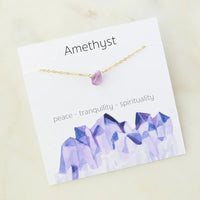
The piece they're describing → Collier pendentif en pierre pour femme – Plaqué or 18 carats, pendentifs en pierres précieuses naturelles
Personalize Yours


