


The short answer
The most concrete, checkable factors in a jewelry piece's environmental footprint are: whether stones are lab-created (far lower land and water impact than mining) or mined, whether metal is recycled or newly mined, and whether a piece uses plating (a thin layer of precious metal, much less raw material) versus solid precious metal throughout. A brand's marketing claim of being "sustainable" is not verifiable on its own. Third-party certifications like B-Corp, Fairmined, or SCS Recycled Content are the actual evidence to look for, and a brand that makes sustainability claims without any certification or specific, checkable practice is making an unverifiable marketing statement, not a certified claim.
"Sustainable jewelry" is used loosely enough in marketing that it's worth breaking down into the specific, checkable factors that actually reduce a piece's environmental footprint, rather than trusting the label on its own. This guide covers what those factors are, what a brand's sustainability marketing should actually be able to back up, and how affordability and lower impact can align rather than trade off against each other.

What Actually Makes Jewelry More Sustainable
The environmental impact of a piece of jewelry comes down to a small number of concrete, checkable factors rather than one overall label, and any brand's sustainability claim should be traceable to one or more of these specifics.
| Factor | Lower-Impact Choice | Higher-Impact Choice | Why |
|---|---|---|---|
| Stones | Lab-created (CZ, moissanite, lab diamonds) | Newly mined natural stones | Mining disturbs land and uses significant water; lab-created stones are grown in a controlled facility with a far smaller footprint per stone. |
| Metal Source | Recycled gold or silver | Newly mined precious metal | Recycled metal reuses existing above-ground supply rather than requiring new mining, which is energy- and water-intensive. |
| Metal Construction | Plated (a thin layer of precious metal over a base) | Solid precious metal throughout | Plating uses a small fraction of the raw precious metal that solid construction requires for the same visual result. |
| Verification | Third-party certification (B-Corp, Fairmined, SCS Recycled Content) | Brand's own unverified marketing claim | A certification involves independent audit; a brand's own claim of being "sustainable" has no independent verification behind it unless stated specifically. |
Lab-Created Stones vs Mined Stones
Lab-created stones, including cubic zirconia, moissanite, and lab-grown diamonds, are produced in a controlled facility rather than extracted from the ground, which avoids the land disturbance, water use, and tailings waste associated with mining. This is one of the most concrete, verifiable sustainability factors in jewelry, since a stone is either lab-created or mined, a clear binary rather than a matter of degree or brand interpretation. Cubic zirconia specifically is a widely used, affordable lab-created diamond simulant, not a lesser substitute, and its lab origin is a genuine lower-impact choice compared to a mined stone of similar appearance.
Plating vs Solid Metal Construction
A gold-plated piece uses a thin layer of gold, typically measured in microns, applied over a base metal like sterling silver, requiring only a small fraction of the raw gold that solid-gold construction of the same piece would need. This makes plating a genuinely lower raw-material-input choice, separate from the cost savings it also provides, though it does mean the gold layer wears over years in a way solid gold does not. Recycled metal, whether used as plating or solid construction, further reduces impact by reusing existing above-ground metal supply instead of requiring new mining.
What Gen Z Is Actually Buying, and Why It Matters Here
Gen Z shoppers have driven notable growth in both lab-created stones and layered, personalized, accessible-price jewelry, favoring pieces that let them build a personal style through combination and self-expression over investing heavily in one high-value piece. This consumption pattern (more pieces, worn and replaced more often, at lower individual price points) puts more emphasis on each piece's individual material footprint, since the environmental math changes when someone owns and cycles through more items rather than a few solid-gold heirloom pieces worn for decades.
Questions to Ask Any Brand Claiming Sustainability
Ask specifically what makes a piece sustainable: is it the stone (lab-created vs mined), the metal source (recycled vs newly mined), the construction (plated vs solid), or a business practice (packaging, shipping, labor certification)? A vague answer without a specific, checkable practice is a marketing claim, not a substantiated one. Ask whether the brand holds any third-party certification (B-Corp, Fairmined for gold, SCS Recycled Content Certification), since these involve independent audits rather than self-reporting. A brand that's specific and honest about which parts of its production are lower-impact, and which aren't, is generally more trustworthy than one making a blanket "we're sustainable" claim with no specifics behind it.
Shop This Guide
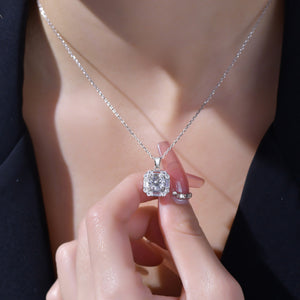
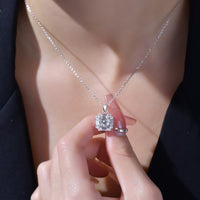
A round brilliant-cut cubic zirconia pendant in 925 sterling silver. The stone is lab-created, not mined, and the setting uses plated rather than solid precious metal, the two concrete lower-impact factors explained in this guide.
Shop the Round Brilliant Cut CZ NecklaceFrequently Asked Questions
What is the 2:1:1 rule in jewelry?
It's a jewelry-styling guideline some stylists and brands use for layering or stacking, generally a ratio of small-to-medium-to-bold pieces (such as 2 delicate pieces to 1 medium piece to 1 statement piece) to build a balanced look. It's a styling concept, not a sustainability standard, despite sometimes surfacing alongside sustainability content.
What jewelry is Gen Z wearing?
Layered, personalized pieces at accessible price points, including initial and charm necklaces, stacked rings, and huggie earrings, worn in combination rather than as single statement pieces, along with growing interest in lab-created stones over mined ones.
What are some affordable brands of sustainable jewelry?
Look specifically for brands that name a concrete practice (lab-created stones, recycled metal, a named third-party certification) at an accessible price point, rather than trusting the word "sustainable" alone; the concrete factors in the comparison table above apply regardless of brand.
What is the most eco-friendly jewelry brand?
There's no single universally agreed answer since brands differ in which specific practices they hold (stone sourcing, metal recycling, certification), so the more useful question is which specific, checkable practices a given brand can name and verify, per the questions in this guide.
Is gold-plated jewelry more sustainable than solid gold?
In terms of raw material input, yes: plating uses a thin layer of gold over a base metal rather than gold throughout the piece, requiring far less mined or recycled gold per item, though solid gold typically lasts longer before showing wear.
Is cubic zirconia a sustainable stone choice?
Yes, relative to a mined natural stone: cubic zirconia is lab-created in a controlled facility rather than extracted through mining, avoiding the land and water impact associated with mining, while offering a similar visual brilliance at a lower cost.
Toutes les marques, noms de marque et noms de produits tiers sont la propriété de leurs détenteurs respectifs. AJLuxe n’est affilié à aucune marque tierce citée dans cet article, ni approuvé ou sponsorisé par celle-ci. Les noms de marque sont utilisés uniquement à des fins de comparaison factuelle, et les descriptions de matériaux reflètent les spécifications produit publiées par chaque marque au moment de la rédaction.
You Might Also Like
The piece they're describing → Collier pour Femme en Argent Sterling 925 avec Pendentif CZ Rond Brillant Style Diamant
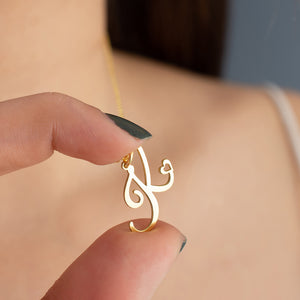
Personalize Yours


